Acts 20
Hmooh hmëë he- ga-jmee Jesucristo; Salmos · Tap a verse to see its cross-references.
Ngooꜗ Paaˊ taꜙ hwaꜗ Macedonia hiꜙ taꜙ hwaꜗ Grecia
1Maˉngëëꜘ maˉdsa̱a̱ꜗ juuˈ ja̱ˉ, gaꜙtëëhꜗ Paaˊ ø̱ø̱hˈ jneˊ, gaꜙkwëëyhꜗ nʉʉhꜚ mahꜗ gaꜙe̱e̱yꜗ, ja̱ˉgaˊ gaꜙhɨyhꜗ juuˈ, ngooyꜗ taꜙ Macedonia. 2Gaꜙngëëyꜘ läꜙjëꜙ jwɨɨˉ mähˉ jeeˊ maˊ tä̱ä̱hˊ ø̱ø̱hˈ jneˊ, gaꜙhlë̱ë̱hꜗ gyihꜗ mahꜗ të̱ë̱yꜗ chaˉgaˊmiihˉ beꜘ. Läꜙja̱ˉ gaꜙjmeeyꜘ läꜙji̱i̱hˈ gaꜙllooyꜗ hwaꜗ Grecia (ja̱ˉbaˊ jeeˊ che̱e̱ˉ Acaya). 3Jeeˊ ja̱ˉ gaꜙgyayˉ u̱u̱ˉ sɨhˉ. Maˊ gaꜙtëꜘ jmɨɨˊ heˉ dsaˉheyꜘ barco heˉ dsooyꜗ taꜙ hwaꜗ Siria, gaꜙläꜙñeyꜙ maˉlaꜗ juuˈ kihꜗ judiu heˉ sa̱a̱hꜗ dsihꜘ. Heˉja̱ˉ gaꜙmiꜙsɨɨyꜗ hʉʉˊdsëˉ kiyhꜗ. Gaꜙje̱e̱yh˜ kaˉlähꜘ taꜙ Macedonia, ngooyꜗ jwëꜘ hwaꜗ baˊ. 4Hiꜙ ko̱ˉlla̱a̱ˊ ø̱ø̱hˈ jneˊ gaꜙjmeeꜘ ko̱ˉjø̱hꜘ kya̱a̱yhˊ läꜙ gaꜙtëꜘ hwaꜗ Asia. Ja̱a̱ˉ hi̱ˉ heꜘ, che̱e̱ˉ Sópater hi̱ˉ cha̱a̱ˉ Berea. Hiꜙ jñahꜘ che̱e̱ˉ Aristarco kya̱a̱hˊ Segundo hi̱ˉ cha̱a̱ˉ Tesalónica. Hiꜙ jñahꜘ che̱e̱ˉ Gayo hi̱ˉ cha̱a̱ˉ Derbe hiꜙ Timotä. Jñahꜘ che̱e̱ˉ Tíquico hiꜙ Trófimo hi̱ˉ cha̱a̱ˉ hwaꜗ Asia. 5Gaꜙläꜙjë̱ë̱ꜙ hi̱ˉ heꜘ gaꜙläꜙjä̱ä̱ꜗ naˊjä̱ä̱yˊ jnäähꜗ läꜙ gaꜙtëꜘ Troa. 6Hiꜙ jnäähˈ, maˉlaꜙ maˉgoh˜ jmɨɨˊ kihˈ heˊñiihꜚ heˉ saꜙ kya̱a̱hˊ levadura, gaꜙtoohˋ jnäähꜗ nehꜙ barco jwɨɨˉ Filipo. Gaꜙhyaˉ gaˊ hñaꜘ jmɨɨˊ, ja̱ˉgaˊ gaꜙje̱e̱ˈ jnäähꜗ dsaˉkya̱a̱hnˊ hi̱ˉ maˊ tä̱ä̱hˊ jø̱ø̱˜ Troa. Jeeˊ ja̱ˉ gaꜙjä̱ˊ jnäähꜗ gyiiꜗ jmɨɨˋ.
Gaꜙgwɨ̱ɨ̱ˉ Eutico jeeˊ gyayˈ nuuyˉ juuˈ kihꜗ Paaˊ
7Toˉnëˊ jmɨɨˊ kihˈ seman˜, gaꜙtoohˋ jnäähꜗ ko̱ˉjø̱hꜘ kya̱a̱hˊ ø̱ø̱hˈ jneˊ jeeˊ maˊ kihˊ jnäähꜗ maꜙnʉʉꜙ kihꜗ Jesús. Heˉja̱ˉ gaꜙløøꜗ Paaˊ kwaꜙ juuˈ. Juuˈ ja̱ˉ gaꜙkyooꜗ läꜙji̱i̱hˈ gaꜙtëꜘ ko̱o̱ˉ llaꜙnʉʉˈ, kihꜗ heˉ gaꜙjmeeyꜘ hʉʉˊdsëˉ dsooyꜗ taꜙ jeeˊ jyohꜘ waˊ gaꜙjnäꜗ jyohꜘ jmɨɨˊ. 8Hiꜙ maˊ tø̱ø̱ꜘ chaˉmiihˉ mɨˈsëꜗ heˉ naˉhi̱h˜ jeˉ chaˊnehꜙ jeeˊ gaꜙtëꜘ hnëˉ jwë̱ë̱ꜘ hneꜗ jeeˊ maˊ tøøhˊ jnäähꜗ ja̱ˉ. 9Ja̱a̱ˉ chihˉ hi̱ˉ che̱e̱ˉ Eutico maˊ gyayˈ hooˊ ventan jeeˊ maˊ tøøhˈ jnäähꜗ. Jeeˊ gyayˈ ja̱ˉ, gaꜙgwɨ̱ɨ̱yˉ ñiihˊ kihꜗ heˉ gaꜙkyooꜗ juuˈ heˉ maˊ kwaꜙ Paaˊ. Jeeˊ naˉgwɨ̱ɨ̱yˉ ja̱ˉ, gaꜙta̱yhꜘ läꜙ gaꜙtëꜘ hwaꜗ. Maˉnaˉju̱u̱yˊ maˊ gaꜙcha̱a̱hˉ dsihꜘ. 10Heˉja̱ˉ gaꜙjña̱a̱ꜗ Paaˊ, ngooyꜗ naˊe̱e̱yꜘ chihꜗ heꜘ. Mahꜗ gaꜙjäyhꜘ:
—Taꜙ jwa̱a̱hꜘ hnähꜘ, ji̱i̱hꜙ baˊ chihˉ laˉ.
11Heˉja̱ˉ gaꜙwɨɨꜗ Paaˊ kaˉlähꜘ jeeˊ maˊ tøøhˊ jnäähꜗ, ja̱ˉgaˊ gaꜙtoohˋ jnäähꜗ gaꜙkihˊ gaꜙhi̱hˊ jnäähꜗ maꜙnʉʉꜙ kihꜗ Jesús. Maˉngëëꜘ heˉ ja̱ˉ, ngooꜗ bihꜗ hlëëyhꜙ läꜙji̱i̱hˈ gaꜙjnäꜗ. Ja̱ˉgaˊ ngooyˈ taꜙ jeeˊ jyohꜘ. 12Peerꜙ gaꜙnøhꜗ dsëꜗ dsaˉ heꜘ kihꜗ heˉ ji̱i̱hꜙ baˊ chihˉ kya̱a̱yꜗ, hiꜙ gaꜙtëëyˉ gaꜙnääyˋ kiyhˈ.
Yaꜙhë̱ë̱ꜗ Paaˊ jeeˊ jwɨɨˉ Troa ngooyꜗ läꜙ gaꜙtëꜘ jeeˊ jwɨɨˉ Mileto
13Gaꜙtoohˋ jnäähꜗ nehꜙ barco, mahꜗ llaˉnøøꜗ jnäähˈ jä̱ä̱ꜗ läꜙ gaꜙtëꜘ jwɨɨˉ Asón. Jeeˊ ja̱ˉ, gaꜙjä̱ä̱ˊ jnäähꜗ Paaˊ läꜙko̱o̱ˉ laꜗ madaꜚ nuuhꜚ jnäähˈ, jëëhꜘ jwëꜘ hwaꜗ baˊ ngooyꜗ taꜙ ja̱ꜙ. 14Maˊ gaꜙllooꜗ Paaˊ jeeˊ tøøhˊ jnäähꜗ jwɨɨˉ Asón ja̱ˉ, gaꜙtoohˋ jnäähꜗ nehꜙ barco kya̱a̱yhˊ, gaꜙllaꜙnøøꜗ jnäähˈ jwɨɨˉ Mitilene. 15Jeeˊ gaꜙtëꜘ to̱ꜗ jmɨɨˊ, gaꜙngëëꜘ jnäähˈ jä̱hꜙ jwɨɨˉ heˉ che̱e̱ˉ Quío. Jeeˊ gaꜙtëꜘ hnëˉ jmɨɨˊ, gaꜙllaꜙnøøꜗ jnäähˈ jwɨɨˉ Samo jeeˊ hwëëˉ barco. Jeeˊ gaꜙtëꜘ kye̱ꜘ jmɨɨˊ, ja̱ˉgaˊ gaꜙtë̱ë̱ꜘ jnäähˈ jwɨɨˉ Mileto. 16Saꜙ maˊ hnøøˈ Paaˊ maˊ jä̱ˈ kiˉwëëꜘ hwaꜗ Asia, heˉja̱ˉ ko̱o̱ˉ gaꜙngëëꜘ bihꜗ kihꜗ jwɨɨˉ Éfeso. Gaꜙjmeeyꜘ biiꜗ heˉ lla̱a̱yh˜ läꜙ gaꜙtëꜘ Jerusalén mahꜗ të̱ë̱yꜗ jmɨɨˊ Pentecosté cherˊmahꜗ gaꜙlaꜗ.
Gaꜙhlëëhꜘ Paaˊ kya̱a̱hˊ hi̱ˉ kye̱ˉ nëˊ kihˈ gwahꜙ jwɨɨˉ Éfeso
17Läꜙ maˊ gyaˈ Paaˊ jwɨɨˉ Mileto, gaꜙche̱e̱yꜗ juuˈ heˉ yaˉnääꜘ dsaˉgyʉʉhˊ hi̱ˉ kye̱ˉ nëˊ kihˈ ø̱ø̱hꜗ jneˊ jwɨɨˉ Éfeso. 18Maˊ gaꜙllaꜙnääꜗ hi̱ˉ heꜘ jeeˊ gyaˈ Paaˊ, gaꜙjähꜘ Paaˊ sɨɨyhꜙ:
—Maˉñehˊ baˊ hnähꜘ haˉ läꜙ gaꜙjmeenꜗ jeeˊ kyahˈ hnähꜘ läꜙ maˊ toˉnëˊ janˈ taꜙ hwaꜗ Asia laˉ läꜙji̱i̱hˈ naꜗ. 19Niꜙ miihˉ saꜙ gaꜙjmä̱ä̱nꜙ hñiinꜙ jø̱ø̱hˈ läꜙ maˊ gaꜙgyanꜗ kya̱a̱hˊ hnähꜘ kwanꜙ juuˈ kihꜗ Dio. Ja̱ꜙ heˉ ko̱o̱ˉ ji̱i̱h˜ gaꜙtʉ̱ʉ̱nˋ jmɨɨˉ haaˊ mɨˈnënꜙ kyahꜗ hnähꜘ. Johꜘ ji̱i̱h˜ saꜙ gaꜙjëënꜗ wɨɨꜘ kihꜗ läꜙjëꜙ heˉ maˊ hnøøˈ dsaˉ judiu maˊ jmeeˈ kinꜙ. 20Saꜙ chaˉ gaꜙjmeenꜗ kwa̱a̱t˜ cheˊ hiiꜘ gooˉ kinꜙ jeeˊ gaꜙjmeenꜗ heˉ lluꜗ kyahꜗ hnähꜘ. Gaꜙhlë̱ë̱hnˋ hnähꜘ jeeˊ jä̱ˈ dsaˉ hiꜙ läꜙja̱ˉ chaˊnehꜙ kyahꜗ hnähꜘ kaˉlähꜘ. 21Hnähꜘ judiu hiꜙ hnähꜘ hi̱ˉ saꜙ la̱a̱ꜗ judiu, gaꜙjwë̱ë̱hnꜗ hnähꜘ je̱e̱hˋ hnähꜘ kihꜗ Dio hiꜙ waˊ läˉdsooꜘ hohꜘ hnähꜘ kihꜗ Jesucristo Dsaˉjø̱ø̱hˈ jnänˋ. 22Hiꜙ naꜗ maˉhä̱ä̱nˊ jwëꜗ ngaahnꜗ taꜙ Jerusalén läꜙ jøøꜙ Jmɨˉlleꜘ Naˉjngɨɨˈ kinꜙ. Niꜙ saꜙ manꜙ heˉ dsaˉngëënꜘ jeeˊ ja̱ˉ. 23Ko̱o̱ˉ heˉ laˉ baˊ manꜙ. Läꜙka̱a̱ˉ jwɨɨˉ jeeˊ nɨɨnˋ dsaˉngëënꜘ wɨɨꜘ, ta̱a̱hꜙ dsaˉ jnäꜘ nehꜙñeˈ, jähꜘ Jmɨˉlleꜘ Naˉjngɨɨˈ. 24Pero niꜙ miihˉ saꜙ jmeenꜙ heˈ cheˊ cha̱a̱nˉ o heˉ ju̱u̱nꜘ. Jë̱ë̱ˉ baˊ dsënꜙ ngoonꜗ taꜙ chaˊnëˊ kya̱a̱hˊ taˊ heˉ naˉhña̱a̱nˊ, läꜙji̱i̱hˈ miˊtenˋ taˊ heˉ gaꜙtoohˉ Jesús goonꜙ mahꜗ kwanˋ juˈhmëëꜘ heˉ miˉjnääꜙ haˉ läꜙko̱o̱ˉ hnääꜗ Dio jneˊ.
25ʼManꜙ kweeˉ niꜙ ja̱a̱ˉ jeeˊ läꜙjë̱ë̱ꜙ hnähꜘ moꜙsoꜙ jë̱ë̱hˈ hnähꜘ jnäꜘ, läꜙjë̱ë̱ꜙ hnähꜘ hi̱ˉ maˉnuuꜘ juuˈ heˉ kwanꜙ haˉ läꜙ jä̱ä̱ꜙ Dio dsaˉ läꜙhihꜙ kihꜗ. 26Heˉja̱ˉ jwë̱ë̱hn˜ hnähꜘ jmɨɨˊ naˈ, niꜙ ja̱a̱ˉ dsaˉ moꜙsoꜙ naˉbä̱ä̱hnˋ, saꜙ chaˉ dsooꜘ dsë̱ë̱n˜ niꜙ miihˉ. 27Jëëhꜘ, niꜙ miihˉ saꜙ gaꜙläꜙgohnꜙ, gaꜙmiꜙjnäänˈ naˉhñaaˈ läꜙjë̱ë̱ˉ juuˈ kihꜗ Dio kyahꜗ hnähꜘ. 28Heˉja̱ˉ jwë̱ë̱hn˜ hnähꜘ, hä̱ä̱ˋ hnähꜘ hñaahꜗ hiꜙ hä̱ä̱ˋ läꜙjë̱ë̱ꜙ dsaˉ kya̱a̱hꜗ hnähꜘ. Maˉnaˉhña̱a̱hˊ hnähꜘ kihꜗ Jmɨˉlleꜘ Naˉjngɨɨˈ mahꜗ jë̱ë̱hˈ hnähꜘ dsaˉ kya̱a̱hꜗ hnähꜘ. Heˉja̱ˉ hä̱ä̱ˋ hnähꜘ kweeˉ läꜙjë̱ë̱ꜙ hi̱ˉ la̱a̱ꜗ kya̱a̱ꜗ Dsaˉjø̱ø̱hˈ jnänˋ hi̱ˉ gaꜙla̱a̱ꜗ jneˊ kya̱a̱hˊ jmaˉ kihꜗ. 29Jëëhꜘ, manꜙ kweeˉ haˉ läꜙ leꜘ waˊraˉ ngaahnꜗ. Yaˉnääꜘ jeeˊ kyahˈ hnähꜘ hi̱ˉ la̱a̱ꜗ läꜙko̱o̱ˉ jahꜘ hä̱ä̱ˈ. Niꜙ miihˉ saꜙ jäꜙ läˉñihꜘ dsëyꜗ kihꜗ dsaˉ kya̱a̱ꜗ Dio. 30Hiꜙ ja̱ˉbaˊ jeeˊ kyahˈ hnähꜘ hwë̱ë̱ꜙ hi̱ˉ jmeeꜗ raˉkë̱hˈ juˈdsooꜘ mahꜗ jä̱ä̱yꜗ ø̱ø̱hꜗ jneˊ läꜙ hyohˉ dsëyꜗ. 31Goˉta̱a̱hˊ hnähꜘ le̱e̱hꜚ hnähꜘ. Miˉdsoohꜚ daˊ hohꜘ hnähꜘ haˉ läꜙ gaꜙjmeenꜗ taˊko̱ˉji̱i̱hˈ hnëˉ ji̱ˉñeˉ heˉ gaꜙgyanꜗ kya̱a̱hˊ hnähꜘ. Läꜙjmɨɨˈ läꜙhwëˈ, saꜙ gaꜙtʉnꜗ maˊ kwëëhnꜙ hnähꜘ nʉʉhꜚ, läꜙji̱i̱hˈ gaꜙtʉ̱ʉ̱nˋ jmɨɨˉ heˉ haaˊ mɨˈnënꜙ kihꜗ läꜙja̱a̱ˉ läꜙja̱a̱ˉ hnähꜘ.
32ʼNaꜗ naꜙ ø̱ø̱hnꜗ, ta̱a̱hnꜚ hnähꜘ gooˉ Dio. Jä̱ˊ hnähꜘ kya̱a̱hˊ juuˈ kiyhꜗ heˉ miˉjä̱ä̱ꜗ jneˊ. Juuˈ naˉ kye̱ˉ beꜘ heˉ jmeeꜙ dsaˊnøønˈ taꜙ chaˊnëˊ hnäähnꜙ Dio chaˉgaˊmiihˉ mahꜗ hñahꜙ jneˊ he̱e̱nꜚ ko̱ˉjø̱hꜘ kya̱a̱hˊ läꜙjë̱ë̱ꜙ hi̱ˉ naˉjngëëˈ. 33Saꜙ gaꜙläꜙhe̱e̱ꜘ dsënꜙ kuˊnøøꜚ kuuˊ tøøˉ niꜙ hmɨɨhˉ heˉ chaˉ kihꜗ dsaꜙ. 34Maˉñehˊ baˊ hnähꜘ, gaꜙjmeeꜗ baˊ jnäꜘ taˊ haˉ jeeˊ gaꜙjnäꜗ heˉ gaꜙjmeeꜘ biiꜗ kinꜙ hiꜙ läꜙkye̱ˉ kihꜗ dsaˉkya̱a̱hnˊ. 35Maꜙraꜙ heˉ gaꜙjmeeꜗ baˊ jnäꜘ taˊ kya̱a̱hˊ goonꜙ mahꜗ läꜙtë̱ë̱hˉ hnähꜘ jmeehˈ hnähꜘ läꜙko̱hꜘ jmeeꜙ jnäꜘ hiꜙ läꜙja̱ˉ jmeehˈ hnähꜘ beꜘ kihꜗ hi̱ˉ täˉñeeꜘ. Miˉdsoohꜚ daˊ hohꜘ hnähꜘ juuˈ kihꜗ Jesús Dsaˉjø̱ø̱hˈ jnänˋ, hi̱ˉ gaꜙjähꜘ: “Lluꜗ gaˊ laˈ kihˈ hi̱ˉ kwaꜙ läꜙko̱hꜘ gaˊ hi̱ˉ hyohˈ.”
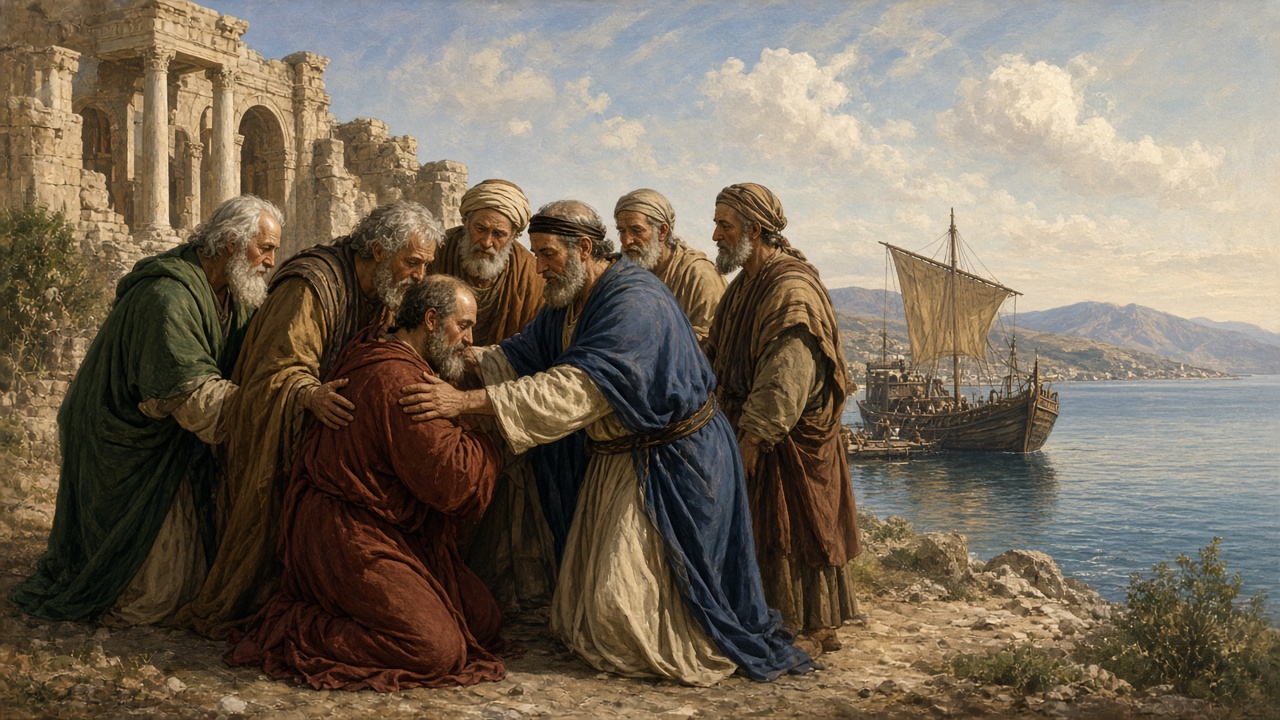
36Maˉngëëꜘ maˉjähꜘ Paaˊ läꜙja̱ˉ, gaꜙju̱u̱yhꜗ jnëyˊ kya̱a̱hˊ läꜙjë̱ë̱ꜙ ø̱ø̱hꜗ jneˊ heꜘ, gaꜙngɨɨyꜘ kiyhꜗ kihꜗ Dio. 37Läꜙjë̱ë̱ꜙ ø̱ø̱hnꜗ jneˊ heꜘ gaꜙkɨˊ gaꜙhoohꜗ chaˉmiihˉ. Gaꜙe̱e̱yꜗ Paaˊ mahꜗ gaꜙchʉ̱yhꜘ kihꜗ. 38Gaꜙläꜙmeehꜙ dsëꜗ jwërte dsaˉgyʉʉhˊ heꜘ kihꜗ heˉ gaꜙjähꜘ Paaˊ: “Moꜙsoꜙ jë̱ë̱hˈ gaˊ jnäꜘ kaˉlähꜘ.” Ja̱ˉgaˊ gaꜙnääyꜗ naˊjä̱ä̱y˜ Paaˊ taꜙ jeeˊ maˊ hiiꜘ barco.
Did you know?
Farewell on the way to Jerusalem
- Leaving Troas, Paul sent his companions ahead by ship and walked to Assos along the Roman road. Assos was a seaport of Proconsular Asia in Mysia, on the north shore of the Gulf of Adramyttium; the walk was about 20 miles, the sea route about 30, and the island of Lesbos lay about 7 miles offshore.Sources: the Bible text itself · Assos
- Paul sailed past Ephesus to avoid spending time in the province of Asia—the Roman province in western Asia Minor, with Ephesus as its capital—because he hoped, if possible, to reach Jerusalem by the day of Pentecost. He stopped at Miletus, a seaport and the ancient capital of Ionia about 36 miles south of Ephesus, and summoned the elders of the Ephesian church.Sources: the Bible text itself · Asia · Miletus
- Seven men traveled with him: Sopater of Berea, Aristarchus and Secundus of Thessalonica, Gaius of Derbe, Timothy, and Tychicus and Trophimus from Asia. Aristarchus of Thessalonica later shared Paul’s imprisonment in Rome, and Trophimus, an Ephesian, accompanied him on this part of the journey and was with him in Jerusalem.Sources: the Bible text itself · Aristarchus · Trophimus
Notes written with AI assistance from open sources (Theographic Bible Metadata, CC BY-SA 4.0; Easton’s Bible Dictionary, public domain) and reviewed before publishing.
Places in this chapter
- Macedonia · 41.600, 22.540 · verses 1, 3, 6
- Greece · 37.972, 23.727 · verse 2
- Syria · Today: Syria 2 · 33.511, 36.306 · verse 3
- Asia · 38.400, 28.300 · verses 4, 16, 18
- Berea · Today: Veria · 40.518, 22.200 · verse 4
- Thessalonica · Today: Thessaloniki · 40.638, 22.946 · verse 4
- Troas · Today: Alexandria Troas · 39.752, 26.159 · verses 5, 6
- Philippi · 41.012, 24.285 · verse 6
- Assos · 39.491, 26.337 · verses 13, 14
- Mitylene · Today: ancient theater at Mitylene · 39.110, 26.547 · verse 14
- Chios · 38.373, 26.137 · verse 15
- Miletus · 37.531, 27.276 · verses 15, 17
- Samos · 37.750, 26.833 · verse 15
- Trogyllium · Today: Cape Mycale · 37.659, 27.003 · verse 15
- Ephesus · 37.939, 27.341 · verses 16, 17
- Jerusalem · 31.777, 35.234 · verses 16, 22
Only places identified with high confidence are shown (90% or more according to the scholarly sources compiled by OpenBible). Period map: DARE (Digital Atlas of the Roman Empire), CC BY 4.0; modern map: © OpenStreetMap contributors; places: OpenBible.info (CC BY 4.0).
Credits and license for this translation
Hmooh hmëë he- ga-jmee Jesucristo; Salmos
New Testament and Psalms in Chinantec, Ozumacín (MX:chz:Chinantec, Ozumacín)
copyright © 2003 Wycliffe Bible Translators, Inc.
Language: Chinantec, Ozumacín
Translation by: Wycliffe Bible Translators, Inc.
Chinanteco, Ozumacín [chz], Mexico
Copyright Information
© 2003, Wycliffe Bible Translators, Inc.
This translation text is made available to you under the
terms of the Creative Commons License: Attribution-Noncommercial-No Derivative Works.
( http://creativecommons.org/licenses/by-nc-nd/3.0/ )
In addition, you have permission to port the text to different file formats, as long as you
do not change any of the text or punctuation of the Bible.
You may share, copy, distribute, transmit, and extract portions
or quotations from this work, provided that you include the above copyright
information:
You must give Attribution to the work.
You do not sell this work for a profit.
You do not make any derivative works that change any of the actual words or punctuation of the Scriptures.
Permissions beyond the scope of this license may be
available if you contact
us with your request.
The New Testament and Psalms
in Chinantec, Ozumacín
© 2003, Wycliffe Bible Translators, Inc.
This translation is made available to you under the terms of the
Creative Commons Attribution-Noncommercial-No Derivatives license 4.0.
You may share and redistribute this Bible translation or extracts from it in any format, provided that:
You include the above copyright and source information.
You do not sell this work for a profit.
You do not change any of the words or punctuation of the Scriptures.
Pictures included with Scriptures and other documents on this site are licensed just for use with those Scriptures and documents.
For other uses, please contact the respective copyright owners.
2014-04-22
Source: http://ebible.org/chzNTps/ · eBible.org