Acts 19
Hmooh hmëë he- ga-jmee Jesucristo; Salmos · Tap a verse to see its cross-references.
Ngooꜗ Paaˊ taꜙ jwɨɨˉ Éfeso
1Taˊko̱ˉji̱i̱hˈ maˊ gyaˈ Apolo jwɨɨˉ Corinto, ngooꜗ Paaˊ jwëꜘ hwaꜗ baˊ läꜙji̱i̱hˈ gaꜙllooyꜗ jwɨɨˉ Éfeso. Maˊ gaꜙllooyꜗ jeeˊ ja̱ˉ gaꜙje̱e̱yˈ ko̱ˉlla̱a̱ˊ ø̱ø̱hꜗ jneˊ. 2Heˉja̱ˉ gaꜙngɨɨꜘ Paaˊ juuˈ kiyhꜗ:
—¿Cheˊ gaꜙtë̱ë̱hꜘ hnähꜘ Jmɨˉlleꜘ Naˉjngɨɨˈ läꜙ maˊ gaꜙhe̱e̱hˋ hnähꜘ juuˈ kihꜗ Dsaˉjø̱ø̱hˈ jnänˋ?
Heˉja̱ˉ gaꜙjähꜘ dsaˉ heꜘ:
—Niꜙ saꜙ ñeˊ jnäähꜗ heeˉ ja̱ˉ Jmɨˉlleꜘ Naˉjngɨɨˈ.
3Heˉja̱ˉ gaꜙjähꜘ Paaˊ:
—¿Heeˉ juuˈ gaꜙjmeehˊ hnähꜘ dsooꜘ heˉ gaꜙsa̱a̱hˉ hnähꜘ jmɨɨˉ?
Mahꜗ gaꜙjähꜘ dsaˉ heꜘ:
—Gaꜙsa̱a̱ˉ jnäähˈ jmɨɨˉ läꜙhihꜙ gaꜙjmeeꜘ Jwa̱a̱ꜚ baˊ.
4Mahꜗ gaꜙjähꜘ Paaˊ sɨɨyhꜙ:
—Jwa̱a̱ꜚ gaꜙchooꜗ jmɨɨˉ kihꜗ dsaˉ hi̱ˉ gaꜙläꜙdsa̱a̱˜ dsëꜗ heˉ maˊ jmeeyꜙ heˉ hlɨɨhˈ. Gaꜙsɨɨyhꜙ dsaˉ heꜘ: “Waˊ läꜙdsooꜘ hohꜘ hnähꜘ kihꜗ hi̱ˉ jäꜙ kë̱ë̱ˉ gaˊ kiꜙ jnäꜘ.” Jwa̱a̱ꜚ heꜘ maˊ hlëëhꜙ kihꜗ Jesús hi̱ˉ la̱a̱ꜗ Cristo.
5Maˊ gaꜙnuuꜘ dsaˉ heꜘ juuˈ ja̱ˉ, gaꜙsa̱a̱yˉ jmɨɨˉ läꜙhihꜙ kihꜗ Jesús. 6Läꜙ maˊ gaꜙkyeˉ Paaˊ gooˉ nëˊ kiyhˈ, gaꜙjyooꜗ Jmɨˉlleꜘ Naˉjngɨɨˈ nëˊ kihˈ dsaˉ heꜘ. Läꜙcha̱hꜘ ja̱ˉ gaꜙhlëëyhꜘ jyohꜘ juuˈ hiꜙ gaꜙløøyꜗ ngëëy˜ juuˈ heˉ maˊ miˉjnääꜙ Dio kiyhꜗ. 7Jeeˊ läꜙjë̱ë̱ꜙ dsaˉñʉʉhˉ heꜘ maˊ te̱e̱ˈ gyaꜙtu̱u̱ꜘ.
8U̱u̱ˉ sɨhˉ heˉ gaꜙgyaˉ Paaˊ jeeˊ ja̱ˉ, maˊ dsooy˜ gwahꜙ kihꜗ dsaˉ judiu heˉ chihꜗ jeeˊ ja̱ˉ. Saꜙ goyhꜙ maˊ hlë̱ë̱yh˜ dsaˉ hiꜙ gaꜙmiꜙjnääyˉ naˉhñaaˈ läꜙjë̱ë̱ˉ haˉ läꜙ jä̱ä̱ꜙ Dio dsaˉ läꜙhihꜙ kihꜗ. 9Pero ko̱ˉlla̱a̱ˊ dsaˉ heꜘ maˊ hwehˉ dsëyꜗ, saꜙ gaꜙjmeeyꜘ dsooꜘ dsëyꜗ kihꜗ Jesús. Wɨɨꜘ baˊ gaꜙhlëëyhꜘ kihꜗ Jesús toꜙloꜙ nëˊ dsaˉkya̱a̱yhˊ. Heˉja̱ˉ yaꜙhë̱ë̱ꜗ Paaˊ jeeˊ kihˈ dsaˉ heꜘ, gaꜙjä̱ä̱yꜗ ø̱ø̱hꜗ jneˊ gaꜙnääyꜗ jeeˊ chihˈ saˉkwel˜ kihꜗ hi̱ˉ che̱e̱ˉ Tiranno. Jeeˊ ja̱ˉ gaꜙhlë̱ë̱hꜗ Paaˊ ø̱ø̱hꜗ jneˊ juuˈ kihꜗ Jesús läꜙjëꜙ jmɨɨˊ. 10Läꜙja̱ˉ gaꜙjmeeyꜘ läꜙji̱i̱hˈ gaꜙtëꜘ to̱ꜗ ji̱ˉñeˉ. Läꜙjwëꜘ ja̱ˉ läꜙjë̱ë̱ꜙ judiu hi̱ˉ maˊ cha̱a̱ˉ hwaꜗ Asia, hiꜙ läꜙkye̱ˉ dsaˉ hi̱ˉ saꜙ la̱a̱ꜗ judiu, gaꜙnuuyꜘ juuˈ kihꜗ Jesús Dsaˉjø̱ø̱hˈ jnänˋ. 11Heˉ baˊ cheˉ jʉhˉga̱a̱ˉ heˉ gaꜙjmeeꜘ Dio jeeˊ ja̱ˉ taꜙlaꜙ kihꜗ Paaˊ. 12Maˊ dsaˉnääꜗ dsaˉ kya̱a̱hˊ hmɨɨhˉ kihꜗ jeeˊ maˊ chehˈ Paaˊ. Ko̱o̱ˉ maˊ dsaˉjnoohꜗ miihˉ nëˊ kihˈ Paaˊ hmɨɨhˉ saˊluuˉ hiꜙ hmɨɨhˉ hiiꜘ chaˊnëˊ. Hmɨɨhˉ ja̱ˉ maˊ dsaˉsu̱yˋ dsaˉdsaahˊ kya̱a̱yˈ. Läꜙja̱ˉ maˊ dsaˉjä̱ꜗ kiyhꜗ hiꜙ läꜙkye̱ˉ jmɨˉlleꜘ hlɨɨhˈ maˊ hwë̱ë̱ˉ.
13Hiꜙ maˊ cha̱a̱ˉ ko̱ˉlla̱a̱ˊ judiu hi̱ˉ maˊ gaꜙnääˊ taꜙ kye̱ꜗ taꜙ ñiiꜘ maˊ hwë̱ë̱y˜ jmɨˉlleꜘ hlɨɨhˈ kihꜗ dsaꜙ. Pero ko̱o̱ˉ häˊ, jaꜗ hʉʉˊdsëˉ kiyhꜗ maˊ hwë̱ë̱yˈ jmɨˉlleꜘ hlɨɨhˈ kya̱a̱hˊ beꜘ kihꜗ Jesús, gaꜙjäyhꜘ:
—Kya̱a̱hˊ hihꜙ kihꜗ Jesús hi̱ˉ hlëëhꜙ Paaˊ kihˈ, jmeenꜙ hihꜙ hwë̱ë̱hˉ hnähꜘ.
14Heˉ laˉ maˊ jmeeꜙ läꜙjë̱ë̱ꜙ gye̱e̱ꜗ jo̱o̱ꜘ dsaˉ judiu hi̱ˉ maˊ che̱e̱ˉ Esceva, hi̱ˉ maˊ la̱a̱ˈ ja̱a̱ˉ jmiˉdsaˉ hi̱ˉ kye̱ˉ nëˊ. 15Pero gaꜙji̱i̱hꜗ jmɨˉlleꜘ hlɨɨhˈ juuˈ kya̱a̱hˊ dsaˉ heꜘ, gaꜙjäyhꜘ:
—Kyu̱u̱ꜙ baˊ jnäꜘ Jesús, hiꜙ maꜙ baˊ jnäꜘ hi̱i̱ˉ heꜘ Paaˊ, pero hnähꜘ, saꜙ kyu̱u̱nꜙ niꜙ miihˉ.
16Dsaˉ hi̱ˉ maˊ kye̱ˉ jmɨˉlleꜘ hlɨɨhˈ heꜘ, niꜙ juuˈ gaˊ saꜙ gaꜙhɨɨyꜘ, gaꜙso̱o̱yhꜗ kihꜗ läꜙjë̱ë̱ꜙ gye̱e̱ꜗ dsaˉ heꜘ. Peerꜙ gaꜙkwayꜘ kihꜗ, läꜙji̱i̱hˈ gaꜙjmä̱ä̱yhˉ dsooˊ, gaꜙkyʉ̱ʉ̱yꜗ toꜙloꜙkwa̱yhꜙ. 17Läꜙjë̱ë̱ꜙ dsaˉ judiu hiꜙ kya̱a̱hˊ dsaˉ hi̱ˉ saꜙ la̱a̱ꜗ judiu hi̱ˉ maˊ tä̱ä̱hˊ Éfeso gaꜙläꜙgoyhꜙ jwërte maˊ gaꜙnuuyꜘ haˉ läꜙ gaꜙlaꜗ kihꜗ dsaˉ heꜘ. Heˉja̱ˉ gaꜙjmeeyꜘ jʉʉhˉ kihꜗ Jesús.
18Hiꜙ jwë̱ë̱ꜘ dsaˉ hi̱ˉ gaꜙhe̱e̱hˉ juuˈ kihꜗ Dio gaꜙmiꜙjnääyˉ toꜙloꜙ nëˊ ø̱ø̱yhꜚ läꜙjëꜙ heˉ hlɨɨhˈ heˉ maˊ jmeeyꜙ. 19Hiꜙ ja̱ˉbaˊ läꜙja̱ˉ jwë̱ë̱ꜘ hi̱ˉ maˊ të̱ë̱ˉ jiˉnahˊ maˊ dsaˉka̱yꜙ jeˉ hlɨɨhˈ ja̱ˉ, mahꜗ maˊ dsaˉje̱yꜙ chaˊnëˊ jeeˊ läꜙjë̱ë̱ꜙ. Hiꜙ maˊ gaꜙjmeehꜗ dsaˉ kwa̱a̱t˜ johꜘ kye̱e̱ꜘ jeeˊ läꜙjëꜙ moˊjeˉ ja̱ˉ, yaꜙhɨɨꜗ kwa̱a̱t˜ to̱ꜙloꜙgyaꜘ mil kuuˊ tøøˉ. 20Läꜙja̱ˉ gaꜙläꜙjwë̱ë̱ꜘ chaˉgaˊmiihˉ dsaˉ hi̱ˉ gaꜙnuuꜘ juuˈ kihꜗ Dio hiꜙ gaꜙjëëyꜗ haˉ ko̱hꜘ beꜘ saꜙ chaˉ kihꜗ Dio.
21Maˉngëëꜘ heˉ ja̱ˉ, gaꜙjmeeꜘ Paaˊ hʉʉˊdsëˉ dsooyꜗ kaˉlähꜘ taꜙ hwaꜗ Macedonia hiꜙ taꜙ hwaꜗ Acaya. Ja̱ˉgaˊ dsa̱a̱yhˈ taꜙ Jerusalén. Hiꜙ gaꜙjäyhꜘ:
—Maˉläˉhɨɨˋ miihˉ jmɨɨˊ gyanˊ Jerusalén, maꜙraꜙ heˉ jmeeꜙ biiꜗ nɨɨnˋ taꜙ Roma.
22U̱u̱ꜗ hi̱ˉ maˊ jmeeꜙ ko̱ˉjø̱hꜘ kya̱a̱yhˊ gaꜙche̱e̱yꜗ taꜙ hwaꜗ Macedonia, gaꜙche̱e̱yꜗ Timotä kya̱a̱hˊ Erasto. Pero gaꜙjä̱ꜘ gaˊ Paaˊ miihˉ jmɨɨˊ hwaˈ Asia ja̱ˉ.
Gaꜙläꜙhneeꜙ dsaˉ hi̱ˉ maˊ cha̱a̱ˉ jwɨɨˉ Éfeso kya̱a̱hˊ Paaˊ
23Jmɨɨˊ ja̱ˉ gaꜙläꜙchaꜙ ko̱o̱ˉ hniiˉ jʉʉhˉ jeeˊ jwɨɨˉ Éfeso, kwa̱a̱t˜ kihꜗ juˈhmëëꜘ. 24Jeeˊ ja̱ˉ maˊ gyaˈ ja̱a̱ˉ dsaˉ che̱e̱ˉ Demetrio hi̱ˉ maˊ kwaꜙ taˊ heˉ jmeeꜙ dsaˉ gwahꜙ pihꜗ kya̱a̱hˊ ñeˈ tøøˉ jmahꜗ heˉ laꜗ he̱e̱hꜚ gwahꜙ kihꜗ Diana heˉ maˊ chihˈ jeeˊ jwɨɨˉ ja̱ˉ. Kya̱a̱hˊ taˊ ja̱ˉ maˊ lɨyhꜗ chaˉmiihˉ kuuˊ kya̱a̱hˊ dsaˉkya̱a̱yhˊ. 25Heˉja̱ˉ gaꜙjø̱ø̱yhˉ läꜙjë̱ë̱ꜙ dsaˉ hi̱ˉ maˊ jmeeꜙ taˊ kiyhˈ hiꜙ jñahꜘ gaˊ dsaˉ hi̱ˉ maˊ jmeeꜙ ja̱ˉbaˊ taˊ ja̱ˉ, mahꜗ gaꜙsɨɨyhꜙ:
—Dsaˉñʉʉhˉ, ñehˊ baˊ hnähꜘ kweeˉ lë̱hˈ jneˊ chaˉmiihˉ kuuˊ kya̱a̱hˊ taˊ laˉ. 26Pero naꜗ maˉjëëˊ jneˊ hiꜙ maˉnʉʉˊ jneˊ ngëꜙ Paaˊ Éfeso laˉ miˉga̱a̱yꜙ jwë̱ë̱ꜘ dsaˉ. Hiꜙ ja̱ꜙ maꜙlaꜙ jeeˊ laˉ jmeeyꜙ läꜙnaˉ. Läꜙ gaꜙdsaꜗ hwaꜗ Asia maˉmiˉga̱a̱yˉ jwë̱ë̱ꜘ dsaˉ, jäyhꜘ: “Ja̱ꜙ Dio heꜘ, hi̱hꜗ dio hi̱ˉ jmä̱ä̱˜ dsaˉ kya̱a̱hˊ gooˉ.” 27Heˉja̱ˉ hiiꜘ gooˉ waˊraˉ gaꜙhe̱e̱yꜗ taˊ jnänˋ laˉ, hiꜙ moꜙsoꜙ toohꜙ dsaˉ taˊ gwahꜙ kihꜗ dio Diana jnänˋ hiꜙ läꜙja̱ˉ moꜙsoꜙ jmeeyꜗ jʉʉhˉ kihꜗ Diana, hi̱ˉ hnaahˉ läꜙjë̱ë̱ꜙ dsaˉ cha̱a̱ˉ hwaꜗ Asia hiꜙ läꜙka̱a̱ˉ jmɨˉgyʉʉꜙ kaˉlähꜘ.
28Maˊ gaꜙnuuꜘ dsaˉ heꜘ juuˈ ja̱ˉ, gaꜙläꜙlle̱e̱yꜘ jwërte hiꜙ gaꜙløøyꜗ tooyh˜ chaˉmiihˉ mɨɨhˊ, maˊ jäyhꜘ:
—¡Heˉ baˊ cheˉ jø̱ø̱hˈ Diana hi̱ˉ chehꜗ Éfeso laˉ!
29Heˉja̱ˉ gaꜙka̱hꜗ gaꜙgwë̱hꜗ hʉʉˊdsëˉ kihꜗ läꜙjë̱ë̱ꜙ dsaˉ hi̱ˉ maˊ cha̱a̱ˉ jeeˊ jwɨɨˉ ja̱ˉ. Ko̱o̱ˉ mɨɨˈ baˊ gaꜙjmeeyꜘ gaꜙsa̱a̱yhꜗ Gayo kya̱a̱hˊ Aristarco naˊjä̱ä̱yˉ jeeˊ dsaˉñeeꜙ dsaˉkya̱a̱yhˊ. Läꜙu̱u̱ꜘ dsaˉñʉʉhˉ heꜘ cha̱a̱ˉ Macedonia hiꜙ maˊ jmeeyꜙ ko̱ˉjø̱hꜘ kya̱a̱hˊ Paaˊ. 30Hnøøꜗ Paaˊ maˊ dsaˉhlëëhˋ kya̱a̱hˊ dsaˉ heꜘ pero saꜙ gaꜙkwaꜘ ø̱ø̱hꜗ jneˊ jwëˈ maˊ dsooyˈ. 31Hiꜙ läꜙja̱ˉ ko̱ˉlla̱a̱ˊ hi̱ˉ maˊ la̱a̱ˈ taˊ hwaˈ Asia ja̱ˉ, maˊ jwa̱yhꜘ kya̱a̱hˊ Paaˊ. Heˉja̱ˉ gaꜙche̱e̱yꜗ juuˈ kihꜗ, gaꜙchu̱u̱yꜘ kya̱a̱hˊ Paaˊ mahꜗ saꜙ dsooyꜗ jeeˊ tä̱ä̱hˊ dsaˉ heꜘ. 32Gaꜙka̱hꜗ gaꜙgwë̱hꜗ goˉte˜ hʉʉˊdsëˉ kihꜗ läꜙjë̱ë̱ꜙ dsaˉ hi̱ˉ maˊ tä̱ä̱hˊ jeeˊ ja̱ˉ. Ka̱hꜘ baˊ maˊ hlëëhꜙ läꜙja̱a̱ˉ läꜙja̱a̱ˉ. Hiꜙ jwë̱ë̱ꜘ gaˊ hi̱ˉ saꜙ maˉñeˉ heeˉ kihꜗ ja̱ˉ heˉ maˊ tä̱ä̱yhˊ jeeˊ ja̱ˉ. 33Heˉja̱ˉ dsaˉ judiu gaꜙhña̱a̱yꜗ naꜗko̱hꜘ Alejandro jeeˊ kihˈ läꜙjë̱ë̱ꜙ dsaˉ heꜘ mahꜗ naˊjä̱ä̱yˉ taꜙ chaˊnëˊ. Heˉja̱ˉ gaꜙjmeeꜘ Alejandro lii˜ kya̱a̱hˊ gooyˉ, hnøøyꜗ maˊ hlëëyhˈ jwooˈ kihꜗ judiu. 34Pero maˊ gaꜙläꜙkyu̱u̱ꜙ dsihꜘ la̱a̱yꜗ judiu, ko̱o̱ˉ häˊ baˊ gaꜙtoohꜗ läꜙjë̱ë̱ꜙ mɨɨhˊ. Miihˉ gaˊ saꜙ gaꜙtëꜘ to̱ꜗ hor˜ gaꜙjmeeyꜘ läꜙja̱ˉ, maˊ jäyhꜘ:
—¡Heˉ baˊ cheˉ jø̱ø̱hˈ Diana hi̱ˉ chehꜗ Éfeso laˉ!
35Läꜙji̱i̱hˈ ja̱a̱ˉ tëꜙjeꜙ kya̱a̱ꜗ jeeˊ jwɨɨˉ ja̱ˉ, gaꜙjmeeyꜘ hihꜙ heˉ tʉꜗ dsaˉ heꜘ tooh˜ mɨɨhˊ, gaꜙjäyhꜘ:
—Nʉʉˉ daˊ hnähꜘ hi̱ˉ cha̱a̱ˉ Éfeso laˉ. Gaꜙläꜙjë̱ë̱ꜙ baˊ dsaˉ jmɨˉgyʉʉꜙ ñeˉ, ko̱o̱ˉ jeeˊ laˉ baˊ laˈ toˉnëˊ jeeˊ jmeeꜙ dsaˉ jʉʉhˉ kihꜗ gwahꜙ kihꜗ Diana heˉ chihꜗ jeeˊ laˉ jnänˋ hiꜙ läꜙja̱ˉ kaˉlähꜘ he̱e̱hꜚ kiyhꜗ heˉ jaꜗ kihꜗ Júpiter. 36Niꜙ ja̱a̱ˉ saꜙ leꜘ jähꜙ saꜙ dsooꜘ. Heˉja̱ˉ jwahnꜙ, tʉꜗ hnähꜘ, taꜙ jmeeˉ hnähꜘ naꜗko̱hꜘ waˊ laˈ chaˉ laꜗ. 37Hi̱hꜗ u̱u̱ꜗ dsaˉñʉʉhˉ hi̱ˉ maˉyaˉjä̱ä̱hꜙ hnähꜘ laˉ, saꜙ maˉmiˉkwa̱yhꜗ gwahꜙ jnänˋ, niꜙ saꜙ maˉhlëëyhꜘ hlɨɨhˈ kihꜗ dio jnänˋ. 38Cherˊmahꜗ chaˉ hniiˉ kihꜗ dsaˉkya̱a̱hˊ Demetrio kya̱a̱hˊ jñahꜘ dsaˉ, chaˉ baˊ nëˊtaˊ jeeˊ leꜘ miˉeeyꜙ juuˈ naˉ. Jeeˊ ja̱ˉ baˊ lleˋ kihˈ hnɨɨyꜗ kihꜗ dsaꜙ. 39Cherˊmahꜗ chaˉ gaˊ heˉ saꜙ hii˜ läꜙeeˉ kyahꜗ hnähꜘ, leꜘ miˊeeꜗ jneˊ läꜙ maˊ dsaˉñeeꜙ dsaˉ madaꜚ kihꜗ dsaˉtaˊ. 40Pero heˉ jmeeˉ jneˊ laˉ, hiiꜘ gooˉ dsaˉbä̱ä̱hꜙ jneˊ heˉ tøøhˉ jneˊ chaˉmiihˉ mɨɨhˊ. Heeˉ juuˈ dsaˊkwanˊ cherˊmahꜗ gaꜙtëëhꜗ dsaˉtaˊ jneˊ kihˈ heˉ tøøhˊ jneˊ mɨɨhˊ jeeˊ laˉ.
41Ko̱ˉja̱ˉ baˊ teˈ gaꜙhlëëhꜘ tëꜙjeꜙ heꜘ, mahꜗ gaꜙhɨyhꜗ juuˈ kihꜗ dsaˉjwɨɨˉ.
Did you know?
Paul, the Way, and Artemis in Ephesus
- Ephesus was the capital of proconsular Asia, the Roman province covering the western part of Asia Minor, and in Roman times it bore the title of the first and greatest metropolis of Asia. The city was distinguished for the temple of Artemis, whom the Romans called Diana, built outside the walls and reckoned one of the seven wonders of the ancient world. At its center stood an ancient image of the goddess, reputed to have fallen from the sky.Sources: Ephesus · Diana · Asia
- Demetrius, a silversmith at Ephesus, made silver shrines of Artemis, models of her temple or of her statue, which sold readily to visitors from all over Asia Minor. Acts says this trade was the craftsmen's source of prosperity, and that Demetrius warned them of danger to their business and to the honor of the temple of Artemis, the goddess he said was worshiped throughout the province of Asia and the whole world.Sources: Demetrius · the Bible text itself
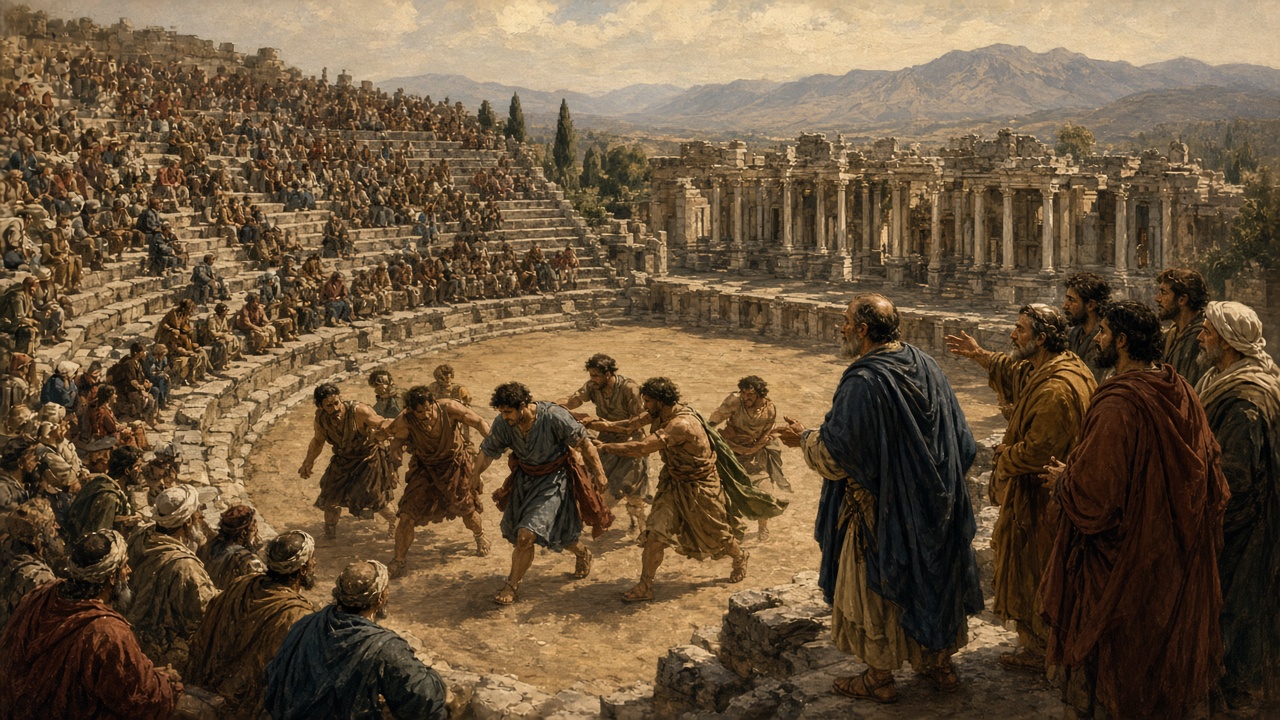
- The crowd rushed into the theatre of Ephesus, which Easton's Bible Dictionary (1897) describes as the largest in the world, open to the sky and able to hold 50,000 spectators. Friends of Paul among the chiefs of Asia, wealthy citizens elected each year to preside over the games and religious festivals of their cities, begged him not to go in. The city clerk then reminded the assembly that Ephesus was guardian of the temple of the great Artemis and of her image, said to have fallen from heaven.Sources: Ephesus · Asia · the Bible text itself
Notes written with AI assistance from open sources (Theographic Bible Metadata, CC BY-SA 4.0; Easton’s Bible Dictionary, public domain) and reviewed before publishing.
Places in this chapter
- Corinth · 37.906, 22.879 · verse 1
- Ephesus · 37.939, 27.341 · verses 1, 17, 23, 26, 35
- Asia · 38.400, 28.300 · verses 10, 22, 26, 27, 31
- Achaia · 38.720, 22.540 · verse 21
- Jerusalem · 31.777, 35.234 · verse 21
- Macedonia · 41.600, 22.540 · verses 21, 22, 29
- Rome · 41.892, 12.485 · verses 21, 40
Only places identified with high confidence are shown (90% or more according to the scholarly sources compiled by OpenBible). Period map: DARE (Digital Atlas of the Roman Empire), CC BY 4.0; modern map: © OpenStreetMap contributors; places: OpenBible.info (CC BY 4.0).
Credits and license for this translation
Hmooh hmëë he- ga-jmee Jesucristo; Salmos
New Testament and Psalms in Chinantec, Ozumacín (MX:chz:Chinantec, Ozumacín)
copyright © 2003 Wycliffe Bible Translators, Inc.
Language: Chinantec, Ozumacín
Translation by: Wycliffe Bible Translators, Inc.
Chinanteco, Ozumacín [chz], Mexico
Copyright Information
© 2003, Wycliffe Bible Translators, Inc.
This translation text is made available to you under the
terms of the Creative Commons License: Attribution-Noncommercial-No Derivative Works.
( http://creativecommons.org/licenses/by-nc-nd/3.0/ )
In addition, you have permission to port the text to different file formats, as long as you
do not change any of the text or punctuation of the Bible.
You may share, copy, distribute, transmit, and extract portions
or quotations from this work, provided that you include the above copyright
information:
You must give Attribution to the work.
You do not sell this work for a profit.
You do not make any derivative works that change any of the actual words or punctuation of the Scriptures.
Permissions beyond the scope of this license may be
available if you contact
us with your request.
The New Testament and Psalms
in Chinantec, Ozumacín
© 2003, Wycliffe Bible Translators, Inc.
This translation is made available to you under the terms of the
Creative Commons Attribution-Noncommercial-No Derivatives license 4.0.
You may share and redistribute this Bible translation or extracts from it in any format, provided that:
You include the above copyright and source information.
You do not sell this work for a profit.
You do not change any of the words or punctuation of the Scriptures.
Pictures included with Scriptures and other documents on this site are licensed just for use with those Scriptures and documents.
For other uses, please contact the respective copyright owners.
2014-04-22
Source: http://ebible.org/chzNTps/ · eBible.org