Isaiah 53
Paipel · Tap a verse to see its cross-references.
1Nge iö a lükü ewe pworaus sa aronga?
Iö a tongeni küna angangen pöün ewe Samol mi Lapalap?
2Pun a mämäritä fän mesen ewe Samol mi Lapalap
usun efoch irä mi pwüküfö a pwük seni waran mi nom lon pwül mi pwas.
Esap wor lapalapöchün, esap pwal wor lingöchün pwe sipwe pwapwa le katol,
esap pwal wor meseöchün pwe sipwe tongeni efich.
3A küna turunufas me koput me ren aramas kana,
eman mwän mi örüni an nom lon cheuch me riaföü.
A wewe ngeni eman chon anioput sa aopa mesach seni.
A unusen itengau, pwe sa ekieki esap wor aüchean.
4Ellet, a uwei ach samau o mwärei ach cheuch.
Nge kich sa ekieki pwe Kot a ariaföüü o apwüngü.
5Nge a kinas pokiten ach pupungau,
a tatakis pokiten ach föföringau.
Liwinin ach tipis a nonom won pwe sipwe küna kinamwe,
nge ren an kinas kana a mola ach samau.
6Kich meinisin sa mwalechfeil usun chök sip kana.
Sa püsin fili en me alan,
nge ach pwüngingau meinisin ewe Samol mi Lapalap a anomu won.
7Iwe, a küna riaföü o weires, nge a chök fanafanala.
Esap fokun fos,
usun eman nienifön sip aramas ra emwenala pwe epwe ninnila,
pwal usun eman sip a fanafanala
fän mesen chokewe mi fichi ünan.
8Ra fötekini o apwüngü, mürin ra emwenala pwe epwe mäla.
Nge iö lein pilon kana a ekieki pwe manauan a üküpöküla me won fanüfan,
a pwal mäla pokiten pupungauen nei aramas?
9Ra amolätä peiasan lein chon föföringau
o peiaseni lon peiasen eman chon pisekisek.
Nge esap wor an föföringau,
esap pwal atuputup kapasen awan.
10Iwe, iei letipen ewe Samol mi Lapalap, pwe a kinas o cheuch.
Are a fangala manauan pwe eu asor fän iten tipis,
epwe wor mwirimwirin,
epwe pwal alangatama ränin manauan.
Iwe, letipen ewe Samol mi Lapalap epwe fisitä ren.
11Iwe, wesin an riaföü lon manauan epwe eäni ewe saramen manau o pwapwa ren.
Nge ren an silei Kot nei chon angang mi pwüng
epwe afisätä än chomong aramas pwüng,
epwe pwal uwei ar tipis.
12Iei mine üpwe ngeni wisan me lein chokewe mi iteüöch,
nge epwe ineti ngeni ekewe chon pwora liapan.
Pun a fangala manauan o mäla,
a pwal alealong lein chon pupungau.
Iwe, a uwei tipisin chomong aramas
o iotek fän iten chon pupungau.
Did you know?
The Suffering Servant
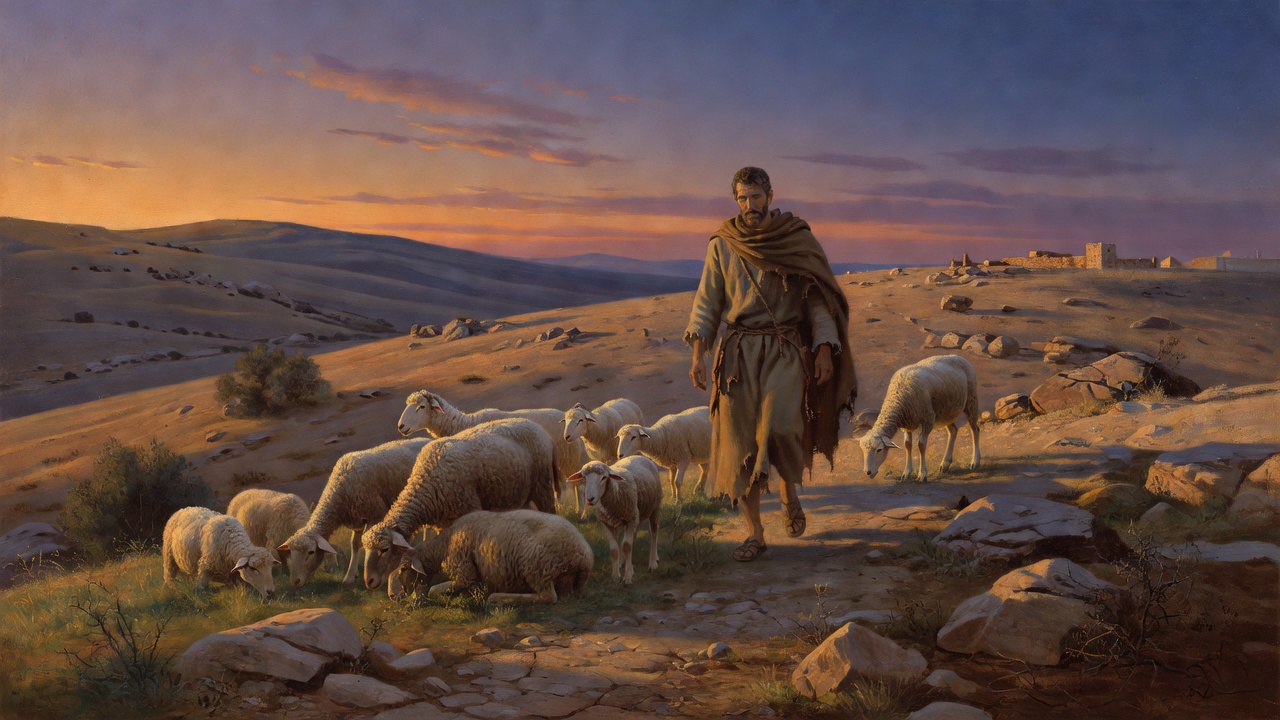
- The poem depicts an unassuming figure described as a tender shoot from dry ground who endures suffering, rejection, and affliction without protest, likened to a silent sheep before its shearers.Sources: the Bible text itself
- The passage portrays the Servant's life as a guilt offering that bears the transgressions of others, promising that after his anguish he will see life, prolong his days, and share spoils with the great.Sources: the Bible text itself
- Chronological traditions place the beginning of the prophetic ministry of Isaiah around 758 BC, spanning a period of more than sixty years.Sources: Prophecies of Isaiah
Notes written with AI assistance from open sources (Theographic Bible Metadata, CC BY-SA 4.0; Easton’s Bible Dictionary, public domain) and reviewed before publishing.
Credits and license for this translation
Paipel
The Holy Bible in the Chuukese language of the Federated States of Micronesia
copyright © 1984, 1989, 1991, 2001 Liebenzel Mission
Language: Chuukese
Translation by: Liebenzell Mission
Old Testament © 1989, 2001 Liebenzel Mission
New Testament © 1984, 1991 Liebenzel Mission
This translation is made available to you under the terms of the
Creative Commons Attribution-No Derivatives license 4.0.
You may share and redistribute this Bible translation or extracts from it in any format, provided that:
You include the above copyright and source information.
You do not make any derivative works that change any of the actual words or punctuation of the Scriptures.
Pictures included with Scriptures and other documents on this site are licensed just for use with those Scriptures and documents.
For other uses, please contact the respective copyright owners.
2024-01-24
Source: http://ebible.org/chk/ · eBible.org