Amos 7
Paipel · Tap a verse to see its cross-references.
Ülüngat künaen Amos usun feiengau: Lifichimas, ekkei me selin awenewen
1Iwe, a wor künaei seni Kot ewe Samol mi Lapalap. Üa küna pwe a föri epwi pwiin lifichimas mürin chök än ewe king fetil a pöküpök, nge ewe fetil mi fö ekärän pwükütä. 2Üa küna pwe ekewe lifichimas ra eni fetilin ewe fanü meinisin. Mürin üa apasa, “Ai Kot, Samol mi Lapalap, üa tüngor ngonuk pwe kopwe amusala än noum aramas tipis. Ifa usun ar repwe tongeni manau? Ra fokun chokükün o apwangapwang.” 3Mürin, ewe Samol mi Lapalap a siwili an ekiek o üra, “Mine ka küna esap fis.”
4Iwe, a pwal wor künaei seni Kot ewe Samol mi Lapalap. Üa küna pwe Kot ewe Samol mi Lapalap a amolätä an epwe apwüngü nöün aramas ren ekkei. Iwe, ewe ekkei a apwasätä ewe matau mi alolol o popuetä le kenala ewe fanü. 5Mürin üa apasa, “Ai Kot, Samol mi Lapalap, üa tüngor ngonuk pwe kopwe ükütiu le föri ei. Ifa usun än noum aramas repwe tongeni manau? Ra fokun chokükün o apwangapwang. 6Iwe, ewe Samol mi Lapalap a siwili an ekiek o üra, “Mine ka küna esap pwal fis.”
7Iwe, a pwal wor künaei seni ewe Samol. Üa küna pwe i a ütä ünükün eu tit eman a senätä ren efoch selin awenewen. Iwe, efoch selin awenewen a nom lepöün. 8Iwe, ewe Samol mi Lapalap a aisiniei, “Amos, met ka küna?” Nge üa pälüeni, “Üa küna efoch selin awenewen.” Mürin, ewe Samol a apasa, “Üa aea ei selin awenewen pwe üpwe aiti ngeni nei aramasen Israel, pwe ra wewe ngeni eu tit mi pwor. Iwe, üsap chüen siwili ai ekiekin apwüngüür. 9Ekewe leni mi tekia ia mwirimwirin Isaak ra fel ie repwe tala, ekewe leni mi pin lon Israel repwe tatakisitiu. Nge ngang üpwe ü ngeni chon leimwen Jeropoam o aükätiu mwün.”
Amos me Amasia
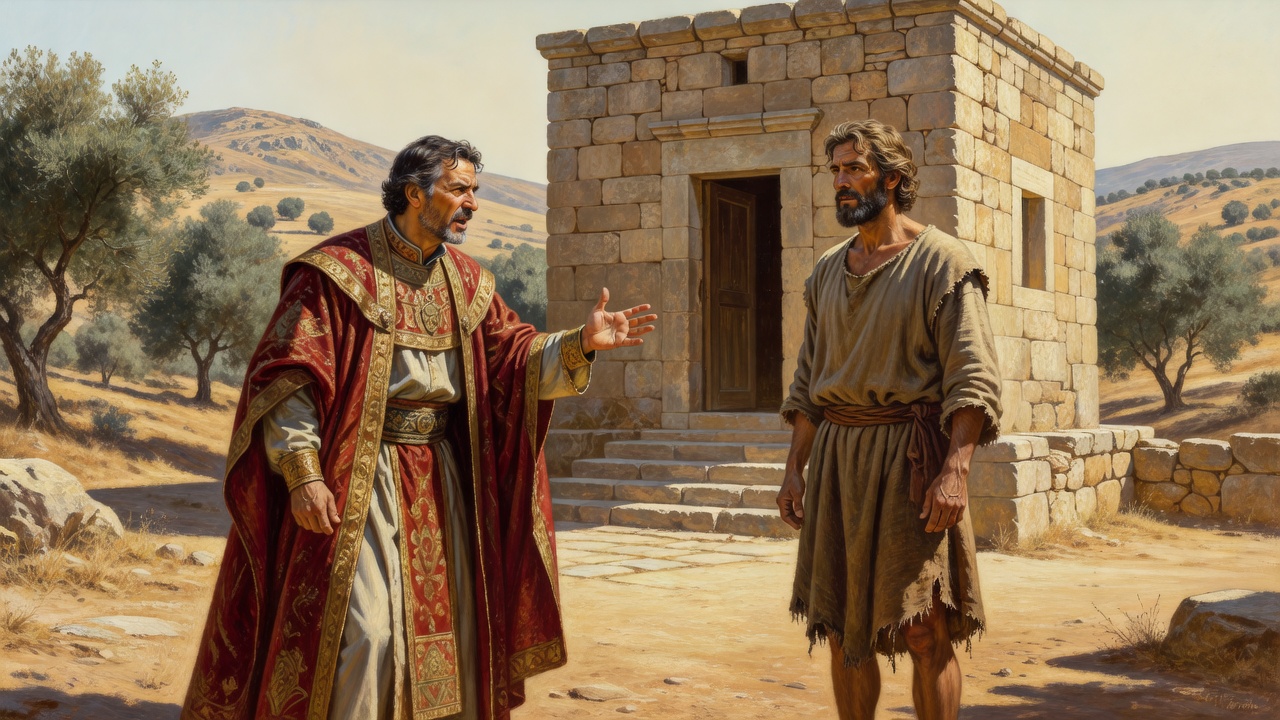
10Mürin, Amasia ewe souasor mi nom lon Petel a titila ren Jeropoam ewe kingen Israel o apasa, “Amos a rawangaueek lein chon Israel. An kapas a angauala chon ei fanü. 11Pun iei usun alon Amos, ‘Jeropoam epwe fokun mäla lon maun, nge chon Israel repwe oola seni fanüer.’” 12Iwe, Amasia a üreni Amos, “En soufos, kopwe feila me ikei o liwinla ngeni ewe fanü Juta, pwe kopwe küna anom ren om afalafal me ikenan. 13Nge kosap chüen osunisefäli me lon Petel, pun ikei a nom än ewe king lenien fel me än ewe mwü imwenfel.” 14Mürin, Amos a pälüeni Amasia, “Sap ngang eman soufos, sap pwal ngang eman nöün soufos. Ngei ngang chök eman chon masen sip me chon tümwünü ekewe irä sikamor. 15Nge ewe Samol mi Lapalap a angeei seni ai wisen tümwünü pwiin sip o üreniei, ‘Kopwe feila o osuni ngeni nei aramasen Israel.’ 16Iei kopwe rongorong mine ewe Samol mi Lapalap a üra. En ka apasa pwe üpwe ükütiu le osuni mine a ngau fän iten chon Israel, üsap pwal afalafala mine a ngau ngeniir. 17Iei mine ewe Samol mi Lapalap a ürenuk, ‘Pwülüom we epwe wiliti eman fefin mi amömö inisin fän iten lisowu me lon ei telinimw, nge noum kewe mwän me fefin repwe mäla lon maun. Fanüom epwe aükük o ainet, nge en kopwe mäla lon eu fanü mi toau. Iwe, chon Israel repwe fokun oola seni fanüer.’”
Did you know?
Visions of Judgment and the Confrontation at Bethel
- Unlike professional court prophets of his era, Amos was a herdsman and a cultivator of sycamore-fig trees from Tekoa in Judah. He emphasized that he was not trained in a prophetic guild, but was called directly by God to leave his flock and deliver messages of judgment to the northern kingdom of Israel.Sources: the Bible text itself · Amos
- Bethel served as a primary royal sanctuary for the northern kingdom of Israel, where kings maintained state-sponsored shrines. Amaziah, the priest serving there under King Jeroboam II, viewed Amos's prophecies as political treason and attempted to banish him back to Judah.Sources: the Bible text itself · Amaziah · Jeroboam · Bethel (of Palestine)
- Although the reign of Jeroboam II brought significant territorial expansion and material prosperity to Israel, Amos's visions warned that national destruction, the collapse of royal shrines, and impending exile were unavoidable.Sources: the Bible text itself · Jeroboam
Notes written with AI assistance from open sources (Theographic Bible Metadata, CC BY-SA 4.0; Easton’s Bible Dictionary, public domain) and reviewed before publishing.
Credits and license for this translation
Paipel
The Holy Bible in the Chuukese language of the Federated States of Micronesia
copyright © 1984, 1989, 1991, 2001 Liebenzel Mission
Language: Chuukese
Translation by: Liebenzell Mission
Old Testament © 1989, 2001 Liebenzel Mission
New Testament © 1984, 1991 Liebenzel Mission
This translation is made available to you under the terms of the
Creative Commons Attribution-No Derivatives license 4.0.
You may share and redistribute this Bible translation or extracts from it in any format, provided that:
You include the above copyright and source information.
You do not make any derivative works that change any of the actual words or punctuation of the Scriptures.
Pictures included with Scriptures and other documents on this site are licensed just for use with those Scriptures and documents.
For other uses, please contact the respective copyright owners.
2024-01-24
Source: http://ebible.org/chk/ · eBible.org