Leviticus 27
Asang Khongca Bible (2019) · Tap a verse to see its cross-references.
Angraeng ih hmuen akranghaih
1Angraeng mah Mosi taengah, 2Israel kaminawk khaeah hae tiah thui paeh; nihcae khaeah, Kami maeto mah angmah ih atho kating ah, Angraeng khaeah paek han lokkamhaih sah nahaeloe, 3na pakoep o han ih atho loe hae tiah oh; saning pumphaeto hoi saning qui tarukto kaom nongpa loe, hmuenciim ih shekel tahhaih pongah, phoisa shekel qui pangato hoi akrang han oh. 4Nongpata ah om nahaeloe phoisa qui thumto hoiah akrang tih. 5Saning pangato hoi saning pumphaeto salak ih kami ah om nahaeloe, nongpa to shekel pumphaeto hoiah akrang ueloe, nongpata to shekel hato hoiah akrang tih. 6Khrahto hoi saning pangato salak kami ah om nahaeloe, nongpa to shekel pangato hoi akrang ueloe, nongpata to shekel thumto hoiah akrang tih. 7Saning qui tarukto hoi ranui bang kami ah om nahaeloe, nongpa to shekel hatlai pangato hoiah akrang ueloe, nongpata to shekel hato hoiah akrang tih. 8Anih loe na khaeh ih atho pongah amtang kue nahaeloe, to kami to qaima khaeah caeh haih ah; qaima mah anih ih atho to khaek tih; lokkamhaih sahkung mah paek thaih ih atho baktih toengah, qaima mah atho to khaek pae tih.
9Paek han lokkam ih hmuen loe pacah ih moi ah oh moe, Angraeng khaeah tathlang hanah sin nahaeloe, a paek ih hmuen to ciim. 10Kahoih maw, kasae maw, moi maeto hoi maeto athlaeng han om ai; moi maeto hoi maeto athlaeng nahaeloe, to moi hoi athlaeng han koeh ih kalah moi maeto loe ciimcai han angaih. 11Kaciim ai moi ah om nahaeloe, Angraeng khaeah tathlang han om ai; to pongah moi to khet hanah qaima khaeah caeh haih ah; 12anih mah kasae kahoih, atho to thui tih; atho loe qaima mah khaeh ih baktih toengah om tih. 13Paekkung mah akrang han koeh nahaeloe, khaeh ih atho nuiah pangato thungah maeto thap ueloe akrang tih.
14Kami maeto mah a im to Angraeng khaeah kaciim ah paek han koeh nahaeloe, kahoih maw, ka sae maw, atho loe qaima mah khaeh ih baktih toengah om tih. 15To im to ciimsakkung mah akrang koeh nahaeloe, khaeh ih atho nuiah pangato thungah maeto thap ueloe, akrang tih; to pacoengah loe anih ih im ah om tih boeh.
16Kami maeto mah a lawk ahap Angraeng khaeah paek nahaeloe, cang nazetto maw akunh, tito khet moe, atho khaeh han oh; barli cang homer maeto naah, atho phoisa shekel qui pangato oh. 17Jubili saning thungah a lawk to paek nahaeloe, atho khaeh tangcae baktiah om poe tih. 18Toe Jubili pacoengah ciimsak hanah lawk to paek nahaeloe, qaima mah hmabang ih Jubili phak hanah saning nazetto maw angai vop, tito kroek ueloe, khaeh tangcae ih atho to azuk tih. 19Ciimsakkung mah angmah ih lawk to akrang let han koeh nahaeloe, khaeh tangcae atho nuiah pangato thungah maeto thap ueloe, akrang tih; to pacoengah loe a lawk ah om let tih boeh. 20Toe lawk to akrang let han koeh ai moe, kalah kami khaeah zaw nahaeloe, akrang let thai mak ai boeh. 21Jubili naah lawk to paek let nahaeloe, Angraeng khaeah paek ih hmuen ah oh baktih toengah, lawk to ciim tih; to lawk to qaimanawk ih hmuen ah om tih. 22Kami maeto mah angmah ih lawk na ai, kalah lawk to qan moe, Angraeng khaeah paek nahaeloe, 23qaima mah Jubili karoek to khaeh ih atho to kroek ueloe, Angraeng khaeah ciimsakhaih niah atho to paek roep tih. 24Jubili saning phak naah loe, to lawk zaw kami, lawk tawnkung khaeah paek let tih. 25Khaeh ih atho loe hmuenciim ih shekel tahhaih baktih toengah om ueloe, shekel maeto naah gerah pumphaeto om tih.
26Toe Angraeng ih hmuen ah kaom, tapen tangsuek pacah ih moinawk loe mi mah doeh ciimsak hanah tathlang han om ai; maitaw maw, to tih ai boeh loe tuu maw Angraeng ih hmuen ah ni oh. 27Kaciim ai pacah ih moi loe, na khaeh ih atho baktih toengah akrang ah, khaeh ih atho nuiah pangato thungah maeto thap ah loe akrang ah; akrang han koeh ai nahaeloe, khaeh tangcae atho baktih toengah zaw ah.
28Toe kami maeto mah tawnh ih kami maw, to tih ai boeh loe moi maw, to tih ai boeh loe lawk maw, Angraeng khaeah lokkam hoi paek ih hmuennawk boih loe, zaw thai mak ai ueloe, akrang doeh akrang let thai mak ai; palungthin boih hoi paek ih hmuen loe Angraeng khaeah kaciim koek hmuen ah oh. 29Kaminawk mataeng doeh, paek tangcae kami loe, akrang let thai ai; hum han ni oh boeh.
30Lawk ih cang maw, to tih ai boeh loe thingthai qumponawk maw, hato thungah maeto loe Angraeng ih hmuen ah oh, Angraeng ih kaciim hmuen ah oh. 31Kami maeto mah hato thungah maeto akrang koeh nahaeloe, khaeh ih atho nuiah pangato thungah maeto thap pacoengah, akrang han oh. 32Tuu maw, to tih ai boeh loe maitaw maw, tuu khawngkung ih cunghet thungah akun moinawk boih, hato thungah maeto loe, Angraeng khaeah kaciim hmuen ah oh. 33Anih mah kasae maw, kahoih maw, qoi mak ai, moi doeh maeto hoi maeto athlaeng mak ai; athlaeng han koeh nahaeloe, paek ih moi hoi athlaeng ih moi to ciim hmaek han oh; akrang doeh akrang thai mak ai, tiah thui paeh, tiah a naa.
34Hae loe Sinai mae ah Israel kaminawk han, Angraeng mah Mosi khaeah paek ih loknawk ah oh.
Did you know?
Vows, Valuations, and the Sinai Laws
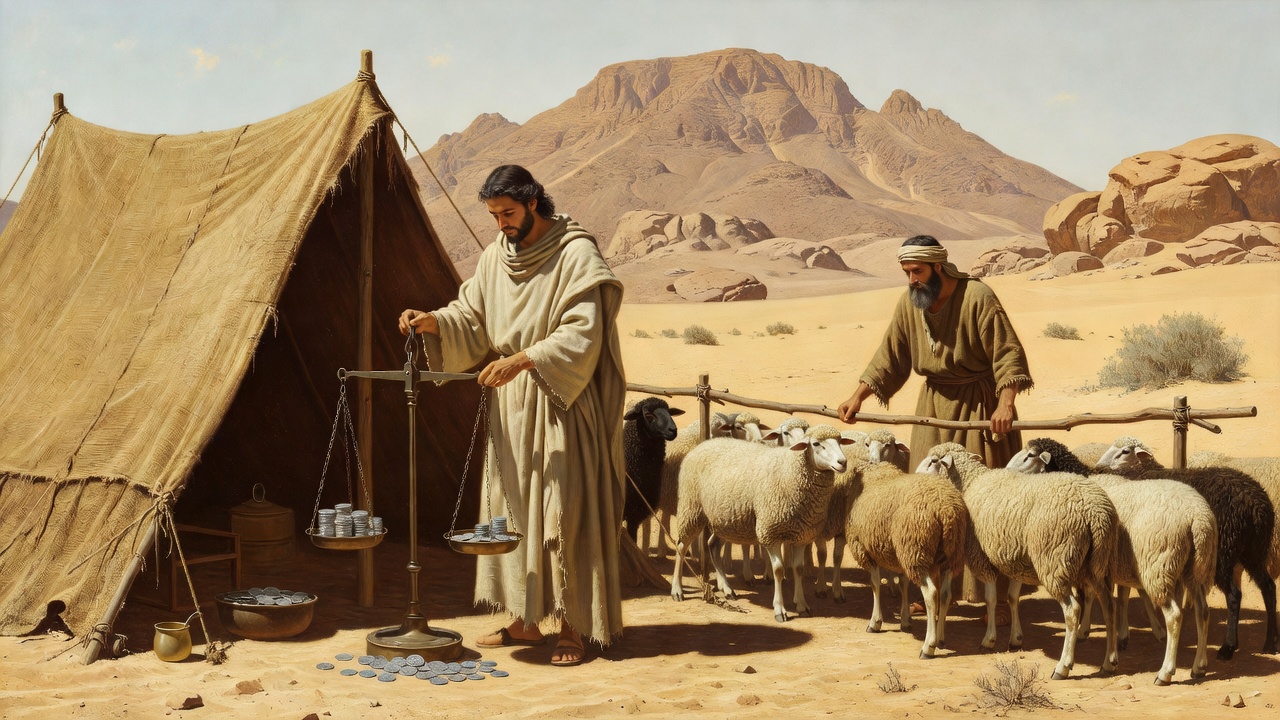
- When Israelites consecrated houses, land, unclean animals, or agricultural tithes to God, they could often redeem them by paying the assessed value plus an additional one-fifth of that price.Sources: the Bible text itself
- Dedicated persons were assigned standard monetary values based on age and sex, calculated using the sanctuary shekel, which was equal to twenty gerahs. If a person making the vow was too poor to pay the fixed amount, the priest set an adjusted price according to their means.Sources: the Bible text itself
- The book of Leviticus concludes by stating that these laws were given to Moses on Mount Sinai, where the Israelites stayed encamped for about a year after the Exodus.Sources: the Bible text itself · Mount Sinai
Notes written with AI assistance from open sources (Theographic Bible Metadata, CC BY-SA 4.0; Easton’s Bible Dictionary, public domain) and reviewed before publishing.
Credits and license for this translation
Asang Khongca Bible (2019)
The Holy Bible in the Asang Khongca language of Mynmar
Public Domain
Language: Asang Khongca (Chin, Eastern Khumi)
Dialect: Asaang Khongca
Published in Mynmar, which is not a signatory to international copyright treaties. Copyright may apply locally in Mynmar. Translator names withheld for security reasons.
2020-09-24
Source: http://ebible.org/cekak/ · eBible.org