Genesis 4
Yosë nanamën · Tap a verse to see its cross-references.
Atan ya'nan hui'ninpita napopiso'
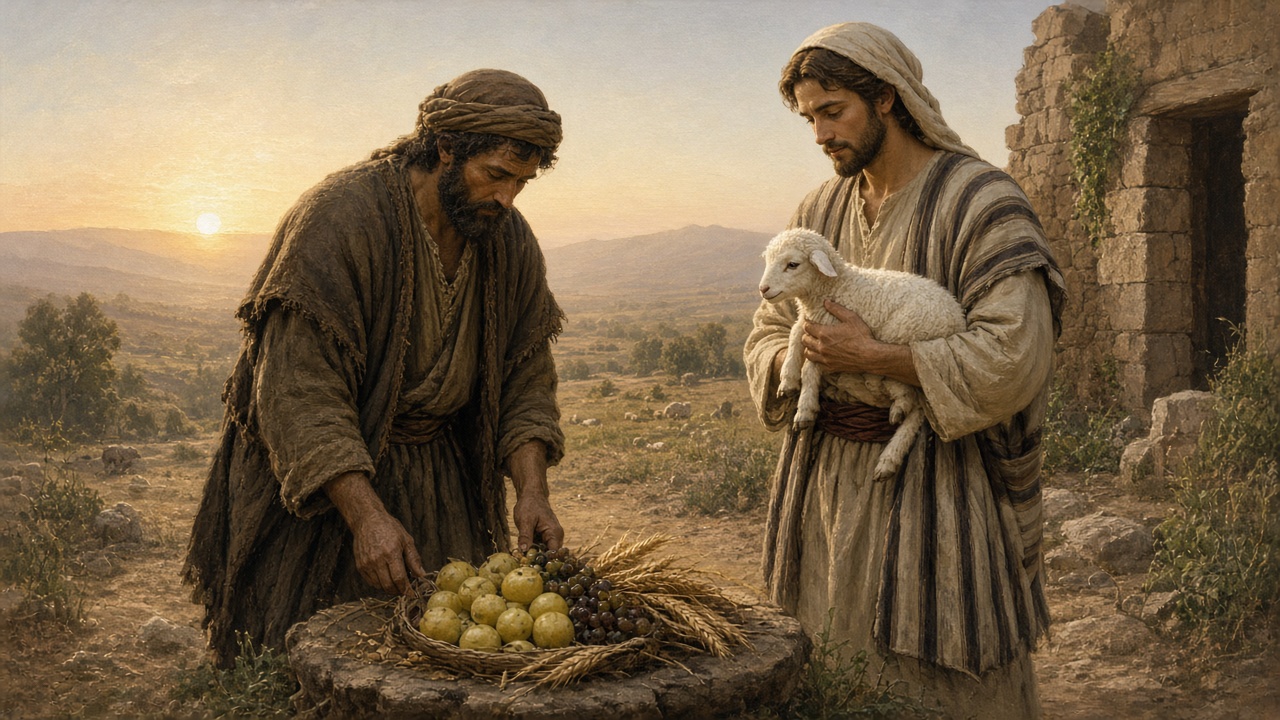
1Atan sa'in hua'huanpachina, quëmapia'huaya huairin. “Yosë catahuarinco ni'ton, quëmapia'huaya hua'huanahuë huachi,” ta'ton, nininën acotërin. Caino itërin. 2Ina quëran hua'huaantarin. Quëmapi chachin huaiaantahuachina, Apiri itërin. Hui'napitohuachinara, Apiriso ohuicaro'sa pë'tahuarin. Cainoso nipirinhuë', imin camayo.
3A'na tahuëri cato chachin ofrenda quëcatona', Yosë chinotapi. Cainoso', sha'ninso quëran Yosë chinotacaso marë' quënin. 4Apiriso nipirinhuë', ohuicanënpita ya'nan hua'huatopiso quënin. Amo amoshin nininsopita Yosë chinotaton tëpacaso marë' quënin. Yosëso Apiri nóya ni'nin. Ofrendanëonta nóya ni'nin. 5Cainoso nipirinhuë', co noyahuë' ni'nin. Ofrendanëonta co noyahuë' ni'nin. Ina marë' Cainoso', pa'pi no'huitërin. No'huitaton, aquinorárin. 6Ina nicaton, Siniorori itapon: “¿Onpoatonta no'huitaton aquinoráran? ¡Ama huachi no'huitëquësohuë'! 7Noya ninan naporini, noya cancanchitonhuë'. Nipirinhuë', co nohuantëranhuë' noya nicacaso ni'quëhuarë', co noyahuë' nisápaso marë' oshanën minsëarinquën. Ina nipirinhuë', noya nipatan, nanitëran ina minsëcaso',” itërin.
8Natanaponahuë', co yanatëtërinhuë'. A'na tahuëri iin itapon:
—Huëquë iyara iminquë pa'a, itërin. Inaquë canconpachinara, iin ahuëaton, tëparin.
9Siniorori nitotaton, Caino itapon:
—¡Ma'sona iyaya onporinso', sha'huitoco! itërin. Napotohuachina, Cainoso tapon:
—Co nitotërahuë'. ¡Co ina a'pairápa'huaso ya'huërinhuë'! itërin. 10Napotohuachina, Siniorori itapon:
—¿Onpoatonta naporan? Iyaya tëpaton, pa'pi co noyahuë' ninan. Huënainën a'patëran ni'ton, co huachi noya ya'huëcamaso marëhuë' sha'huitaranquën. 11Iya'hua tëparanso marë' pa'pi co noyahuë' ni'nanquën. Huënainënquë no'pa' asë'cotëtëran ni'ton, ocoiaranquën. 12Iminaton, sha'topiranhuë tëranta', co huachi noyatarinhuë'. Co huachi ya'huëmia ya'huaponhuë', patë patë́rantapon. Co huachi sano cancantaranhuë', itërin.
13—¡Ma'huantacha nisarahuë paya! Co ahuantochináchinhuë' ana'intaranco. 14Ipora tahuëri iso ro'të quëran ocoiaranco. Co huachi ya'huëmia ya'huapohuë', patë patë́ranta'huaso ya'huërin. Co huachi sano cancanta'huaso ya'huaponhuë'. Co chinota'huanquënso tëranta nanitapohuë'. Napoaton inso tëranta quënanpachinco, tëpaponco tënahuë, itërin Cainori.
15—Insosona tëpahuachinquën, inanta na'con na'con ana'intacaso ya'huërin. Canchisëro ana'intacaso ya'huërin, itërin Siniorori. Napotahuaton marca acotërin. Quënanpachina ama tëpacaiso marëhuë', inapotërin.
16Ina quëran Caino pa'nin. Yosë quëran pipirahuaton, Noto parti ya'huëconin. Inaso no'pa', Itin quëran pi'i pipirinso parti quëparitërin.
Caino shinpita napopiso'
17Caino sa'apachina, hui'nahuanin. Hui'nin nasitohuachina, Inoco itërin. Ina quëran Caino ninano ocoihuachina: “Inoco ninano',” itërin.
18Inoco hui'nahuanpachina, Irato itërin. Iratonta hui'nahuanpachina, Miocairo itërin. Miocairo ya'huërë' hui'nahuanpachina, Mitosairo itërin. Mitosaironta hui'nahuanpachina, Namico itërin. 19Namicoso', cato sa'ahuanin. A'naso', Ata itopi. A'nanta', Sira itopi. 20Ataso hua'huanpachina, Caparo itopi. Caparo shinpitaso' pë'tahuatona'piro'sa'. Napoaton në'mëtë pëiro'saquë ya'huëpi. 21Caparoso', a'nara iya'huain ya'huëtërin, Coparo itopiso'. Coparo shinpitaso', arpa míso pi'nipi. Nisha nisha pirinaonta míso pihuipi. 22Siraso nipirinhuë', hua'huanpachina, Toparo-caino itopi. Inaso', hua'na camayo ya'conin. Hua'namia nitotahuaton, sha'pi hua'nanta nitotërin. Toparo-cainoso', a'nara oshin ya'huëtërin, Naama itopi.
23A'na tahuëri Namicoso', sa'inpita itapon:
“Natanquë Ata. Quëmanta Sira, noya natanco sha'huichinquëma':
A'na quëmapi tëparahuë pë'sharincoso marë'.
Hui'napi nipirinhuë', ahuërincoso marë' napotërahuë.
24Iin tëparinso marë' Caino tëpahuachinaso',
canchisëro aquëtë Yosëri i'huërëtapon.
Caso nipirinhuë', tëpatërahuëso marë' tëpahuachinaco,
canchisë shonca canchisëro aquëtë i'huërëtacaiso ya'huërin,” itërin.
Sito nasitërinso'
25Oshaquëran Atan sa'in, hua'huaantahuachina, Sito itërin. “Cainori tëparinso ya'huërënamën Yosë quëtaantarinco,” ta'ton, ina pochin nininën acotërin. 26Sitonta hui'nahuanpachina, Inosë itërin. Naporo quëran huarë' piyapiro'sa caniaritopi Yosë chinotatona', “Sinioro” itacaiso'.
Did you know?
Cain, Abel, and Life East of Eden
- Abel’s Hebrew name means “breath” or “vanity.” He kept sheep, while his brother Cain tilled the soil: Abel brought the best portions of the firstborn of his flock, and Cain brought fruit of the ground. Easton's Bible Dictionary (1897) reads the phrase “in process of time” (margin, “at the end of days”) as probably referring to the Sabbath.Sources: Abel · Cain · the Bible text itself
- After Abel’s death, Cain settled in the land of Nod, east of Eden, a name meaning exile, wandering, or unrest. There he built a city and named it after his son Enoch. Easton's Bible Dictionary notes that this is the first city mentioned in Scripture.Sources: Nod · Enoch (son of Cain) · the Bible text itself
- Lamech, fifth in descent from Cain, married two women, Adah and Zillah. Easton's Bible Dictionary calls his address to them the only extant example of antediluvian poetry, sometimes known as “Lamech’s sword-song.” Their children are tied to early ways of life: Jabal with tents and livestock, Jubal with the harp and flute, and Tubal-cain with forging bronze and iron.Sources: Lamech (descendant of Cain) · Adah (wife of Lamech) · Zillah · the Bible text itself
Notes written with AI assistance from open sources (Theographic Bible Metadata, CC BY-SA 4.0; Easton’s Bible Dictionary, public domain) and reviewed before publishing.
Credits and license for this translation
Yosë nanamën
New Testament in Chayahuita (PE:cbt:Chayahuita)
copyright © 2011 Wycliffe Bible Translators, Inc.
Language: Chayahuita
Translation by: Wycliffe Bible Translators, Inc.
Chayahuita
cbt
Peru
Copyright Information
© 2011, Wycliffe Bible Translators, Inc. All rights reserved.
This translation text is made available to you under the
terms of the Creative Commons License: Attribution-Noncommercial-No Derivative Works.
( http://creativecommons.org/licenses/by-nc-nd/3.0/ )
In addition, you have permission to port the text to different file formats, as long as you
do not change any of the text or punctuation of the Bible.
You may share, copy, distribute, transmit, and extract portions
or quotations from this work, provided that you include the above copyright
information:
You must give Attribution to the work.
You do not sell this work for a profit.
You do not make any derivative works that change any of the actual words or punctuation of the Scriptures.
Permissions beyond the scope of this license may be
available if you contact
us with your request.
The New Testament
in Chayahuita
© 2011, Wycliffe Bible Translators, Inc. All rights reserved.
This translation is made available to you under the terms of the
Creative Commons Attribution-Noncommercial-No Derivatives license 4.0.
You may share and redistribute this Bible translation or extracts from it in any format, provided that:
You include the above copyright and source information.
You do not sell this work for a profit.
You do not change any of the words or punctuation of the Scriptures.
Pictures included with Scriptures and other documents on this site are licensed just for use with those Scriptures and documents.
For other uses, please contact the respective copyright owners.
2014-04-22
Source: http://ebible.org/cbtNTpo/ · eBible.org