Matthew 7
Dios Cʉ̃ Cauetibʉjʉ Cũrĩcã Tuti · Tap a verse to see its cross-references.
No juzgar a otros
1Ĩ quetibʉjʉ yaparo, atore bairo na ĩnemoñupʉ̃ tunu: “Aperã noo na caátiere roro bʉsʉpaieticõãña, mʉjããrẽ Dios cʉ̃ã mʉjãã caátiere, ‘Roro átiyama,’ cʉ̃ caĩetiparore bairo ĩrã. 2Dios pʉame aperã na caátiãnierẽ roro mʉjãã cabʉsʉpairo cãrõ, mʉjãã ĩroaetigʉmi. Tunu bairoa aperãrẽ na mʉjãã catuticõñarõ cãrõ jĩcãrõ tʉ̃ni mʉjãã cʉ̃ãrẽ mʉjãã tutigʉmi. 3Tunu bairoa jĩcãʉ̃ caʉ̃mʉ cʉ̃ baire, ‘Mʉ caapeapʉ pũrõãcã jãñaña. Yʉ nerocapa,’ qũĩñupʉ̃. Bairo qũĩmicʉ̃ã, cʉ̃ pʉame tutu majũ cʉ̃gocõãñami cʉ̃ caapeapʉ. Tore bairo baiyami jĩcãʉ̃ ũcʉ̃ pairo roro caátacʉ, cʉ̃ cʉ̃ã petoaca roro caátacʉre, ‘Roro mʉ baiya,’ cʉ̃ cʉ̃ caĩbʉsʉpaiata. 5¡Caĩtopairã mʉjãã ãniña! Torena, mʉjãã pʉame roque rejʉ̃goya mʉjãã carorijere. Bairo átiri bero roque, mʉjãã quetibʉjʉ masĩgarã aperã rorije na caátiere.
6“Tunu bairoa caroa majũrẽ marĩ joetiya wii yaiare. Tunu perlas caroa cabotiri rupaaca cʉ̃ãrẽ yeseapʉre marĩ wẽjoetiya. Bairo marĩ caápata, tiere peabato recoagarãma. Torea bairo Dios yaye bʉsʉrique caroa majũ to caãnimiatacʉ̃ãrẽ, wii yaia, bairi yeseare bairo caãnarẽ bairo catʉ̃gogaenarẽ na quetibʉjʉeticõãña, caroa quetire roro na bʉsʉeticõãto, ĩrã,” na ĩ quetibʉjʉyupʉ Jesús.
Pedir, buscar y llamar a la puerta
7Ĩ quetibʉjʉ yaparo, atore bairo na ĩnemoñupʉ̃ tunu: “Noa ũna na cajẽniata, na cajẽnirĩjẽrẽ bócamasĩgarãma. Tunu bairoa apeye ũnierẽ na camacãata, na camacãrĩjẽrẽ bócamasĩgarãma. Tunu jopepʉ na capiiata, ti wii upaʉ pʉame ti jopere pããgʉmi. Bairi tore bairo Diore mʉjãã cajẽniata, mʉjãã caãnimasĩpeere jogʉmi. Bairi Diore mʉjãã cajẽnirõ ñuña.
9“Mʉjãã, capũnaacʉna mʉjãã pũnaa pan rupare na cajẽniata, ¿ʉ̃tã rupare na mʉjãã jobujiocʉti? Bairo mʉjãã áperã. 10Tunu bairoa waire na cajẽniata, ¿ãña ũcʉ̃rẽ na mʉjãã jobujiocʉti? Bairo mʉjãã áperã. 11Mʉjãã, carorã nimirãcʉ̃ã, mʉjãã pũnaarẽ caroa wãmerẽ mʉjãã jomasĩnucũña. Marĩ Pacʉ Dios ʉmʉrecóo macããcʉ̃ roque caroʉ́ majũ niñami. Camasã netõrõ caroʉ́ niñami. ¡Bairi noa ũna cʉ̃rẽ cajẽnirãrẽ na jogʉmi caroa ũnie majũrẽ!
12“Bairi aperã mʉjãã na caátore mʉjãã caborore bairo na cʉ̃ãrẽ na nʉcʉ̃bʉgoya. Tore bairo marĩ ĩ quetibʉjʉ cũñañupã Moisés ãnacʉ̃ bairi profeta majã cʉ̃ã,” na ĩ quetibʉjʉyupʉ Jesús.
La puerta angosta
13Ĩ quetibʉjʉ yaparo, atore bairo na ĩnemoñupʉ̃ tunu: “Ati yepapʉ mʉjãã caãno, pʉga jopeere bairo niña. Jĩcã jope, pairi jope niña. Ti jope jããetaricaro esari wãã baucoaya. Bairo caroa wãã baumirõcʉ̃ã, ti wãã yapapʉ camasã na cayasipapaʉ niña. Bairo cabaimiatacʉ̃ãrẽ, camasã capããrã ti jopere pããjããrĩ ti wããrẽ ánucũñama. Ape jope cʉ̃ã niña õcã jopeaca. Ti jope jããetaricaro esaeti wãã baucoaya. Bairo cabairi wãã nimirõcʉ̃ã, ti wãã yapapʉ camasãrẽ tocãnacã rʉ̃mʉa caroaro na canetõpapaʉ niña. Bairo cabaimiatacʉ̃ãrẽ, camasã petoaca ti jopere pããjããrĩ ti wããrẽ áyama. Mʉjãã pʉame roque na mena mʉjãã caátó yʉ boya,” na ĩ quetibʉjʉyupʉ Jesús.
El árbol se conoce por su fruto
15Ĩ quetibʉjʉ yaparo, atore bairo na ĩnemoñupʉ̃ tunu: “ ‘Dios yaye bʉsʉriquere mʉjããrẽ jãã quetibʉjʉgarã,’ jĩcããrã mʉjããrẽ na caĩmiatacʉ̃ãrẽ, bairo mʉjããrẽ ĩtogarã baiyama. Na tʉ̃goʉsaeticõãña. Ovejare bairo nurĩcãrã baumirãcʉ̃ã, macãnʉcʉ̃ yaia, cauwarã majũrẽ bairo caãna niñama. 16Marĩ caʉgarije ʉse cʉ̃ãrẽ marĩ jeetiya pota yucʉpʉ. Tunu bairoa ʉgarique, higuera na caĩrĩjẽ cʉ̃ãrẽ marĩ jeetiya pota wopʉ. Torea bairo caĩtopairã ricaati na caátiãnierẽ ĩñarĩ, ‘Naana, caĩtopairã niñama,’ mʉjãã ĩ masĩgarã. 17Tunu tocãnacãʉ̃pʉa yucʉ caroʉ́ pʉame caroare rícacʉtiya. Apei yucʉ caroricʉ roque carorijere rícacʉtiya. 18Yucʉ caroʉ́ pʉame carorijere ríca cʉperiya. Tunu bairoa apei yucʉ caroricʉ caroa ríca cʉperiya. 19Bairi camasã tocãnacãʉ̃ã caroaro na caápericõãta, jĩcãʉ̃ yucʉ, caríca maniirẽ quetíjoerocacõãrĩcãrõrẽ bairo na átirecõãgʉmi Dios na cʉ̃ãrẽ. Petoaca rʉsaya Dios camasãrẽ cʉ̃ caĩñabesepa rʉ̃mʉ. 20Tore bairo camasã na caátiãnierẽ ĩñamasĩrĩ tore bairo caátiãnarẽ na mʉjãã ĩ masĩgarã,” na ĩ quetibʉjʉyupʉ Jesús.
No todos entrarán en el reino de Dios
21Ĩ quetibʉjʉ yaparo, atore bairo na ĩnemoñupʉ̃ tunu: “Tocãnacãʉ̃pʉa, ‘Jãã Quetiupaʉ’ yʉre caĩrã nimirãcʉ̃ã, jĩcããrã na mena macããna ápérigarãma Dios cʉ̃ carotimasĩrĩpaʉpʉre. Noa ũna, yʉ Pacʉ ʉmʉrecóo macããcʉ̃ cʉ̃ carotirore bairo caáticõãna roque ágarãma. 22Ti rʉ̃mʉ camasãrẽ Dios na cʉ̃ caĩñabesepa rʉ̃mʉ caetaro ĩña, atore bairo ñigarãma capããrã camasã yʉre: ‘Jãã Quetiupaʉ, jãã cʉ̃ã mʉ yaye bʉsʉriquere jãã quetibʉjʉnetõwʉ̃ camasãrẽ. Tunu bairoa mʉ wãme mena ĩrĩ, wãtĩ yeri pũnarẽ na jãã acuwiyojowʉ. Capee jãã átijẽñowʉ̃ mʉ camasĩrĩjẽ mena. Jããrẽ mʉ masĩĩ,’ ñimigarãma ti rʉ̃mʉ caetaro. 23Bairo na caĩmiatacʉ̃ãrẽ, atore bairo ñigʉ: ‘Mʉjãã yʉ masĩẽtĩña. Bairi ánája. ¡Mʉjãã carorije cacʉ̃gorã ãnirĩ yʉ mena mʉjãã ãmerĩgarã yua!’ na ñigʉ caĩtori majãrẽ,” na ĩ quetibʉjʉyupʉ Jesús.
Las dos bases
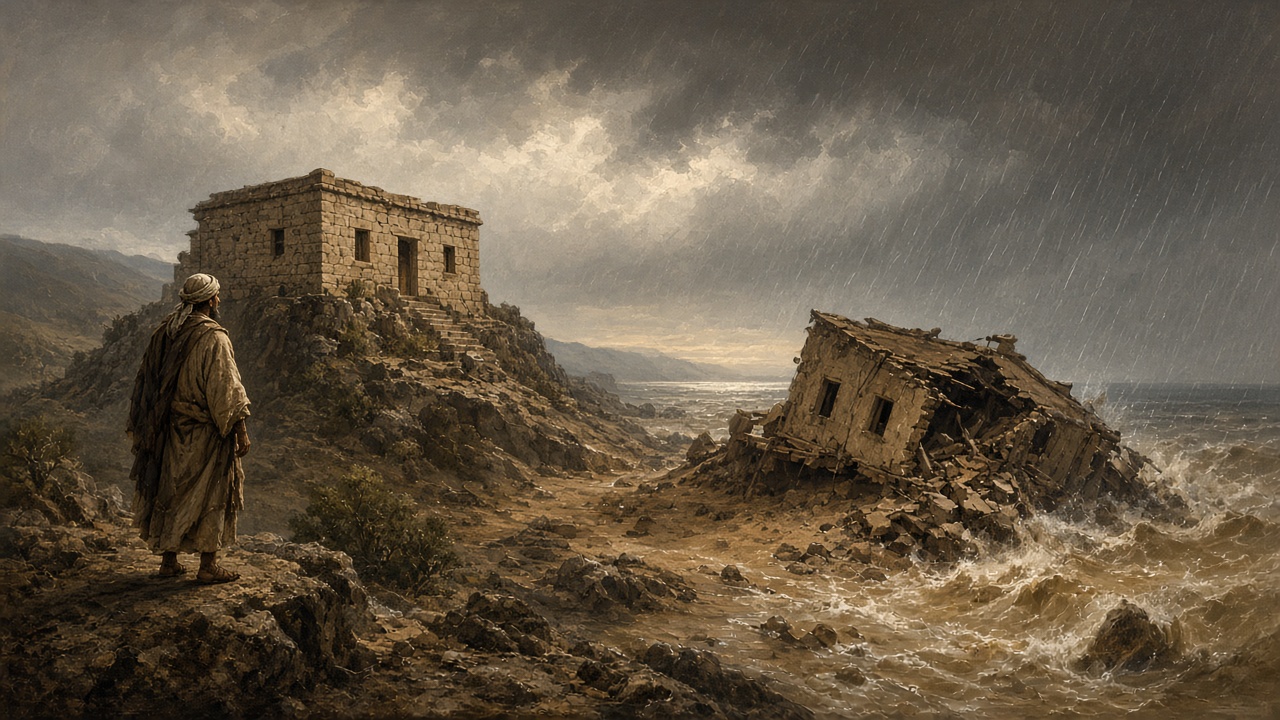
24Ĩ quetibʉjʉ yaparo, ape wãmerẽ ĩcõñarĩ na ĩnemoñupʉ̃ tunu Jesús: “Ni ũcʉ̃ yʉ yaye quetire tʉ̃gori, cabero yʉ caĩrõrẽ bairo caácʉ atore bairo niñami: Tutuari wiire caqũẽnoʉrẽ bairo camasĩ niñami. Camasĩ pʉame cʉ̃ ya wiire ʉ̃tã bui qũẽnoñupʉ̃. 25Bairi cabero oco pairo caocaro, ria puta, wiipʉ etayuparo yua. Wĩno cʉ̃ã bʉtioro papuyuparo. Bairo cabaimiatacʉ̃ãrẽ, ti wii pʉame toa nicõãñuparõ. Wii botare cayepa ʉsʉropʉ nʉcõrĩ cʉ̃ caqũẽnorĩcã wii ãnirĩ toa nicõãñuparõ. 26Tunu bairoa apei cʉ̃ã yʉ yaye quetire tʉ̃gogaetiri, yʉ caĩrõrẽ bairo caápei atore bairo niñami: Tutuaeti wiire caqũẽnoʉrẽ bairo caãcʉ̃ niñami. Catʉ̃goñamasĩẽcʉ̃ ãnirĩ ʉ̃tã bui mee, paputiropʉ cʉ̃ wiire qũẽnoñupʉ̃. 27Bairi cabero oco pairo caocaro, ria puta, wiipʉ etayuparo. Wĩno cʉ̃ã bʉtioro papuyuparo. Bairo cabairoi yua, ti wii pʉame pecoasuparo. Wii botare cayepa ʉsʉetopʉ nʉcõrĩ cʉ̃ caqũẽnorĩcã wii ãnirĩ, ¡ñe mano ñapeticoasuparo!” na ĩ quetibʉjʉyupʉ Jesús.
28Bairo camasãrẽ na ĩ quetibʉjʉ yaparo yua, nipetirã cʉ̃ yaye quetire catʉ̃gorã etarã pʉame cʉ̃ tʉ̃gocõã maniásuparã. 29Jesús pʉame Moisés ãnacʉ̃ cʉ̃ caroticũrĩqũẽrẽ cajʉ̃gobueri majãrẽ bairo camasãrẽ na quetibʉjʉesupʉ. Carotimasĩ cʉ̃ caquetibʉjʉrore bairo na quetibʉjʉyupʉ. Bairi cʉ̃ yaye quetire tʉ̃gori, cʉ̃ tʉ̃gocõã maniásuparã nipetiro camasã.
Did you know?
Judgment, the narrow way, and a firm foundation
- The event record dates the start of the Sermon on the Mount to AD 28 and its duration to one day. This chapter ends as the crowds are astonished at Jesus’ teaching, because he taught as one who had authority, and not as their scribes.Sources: Sermon on the Mount · the Bible text itself
- Jesus warns that the judgment a person pronounces, and the measure that person uses, will be turned back on them. He pictures someone who notices a speck in a brother’s eye yet misses a beam in their own, and he says the beam must be removed first.Sources: the Bible text itself
- The chapter calls doing to others as you would have them do to you the essence of the Law and the Prophets. It contrasts a wide gate and broad way that leads to destruction, which many enter, with a small gate and narrow way that leads to life, which few find, and it compares hearing these words and acting on them to a house built on rock rather than on sand.Sources: the Bible text itself
Notes written with AI assistance from open sources (Theographic Bible Metadata, CC BY-SA 4.0; Easton’s Bible Dictionary, public domain) and reviewed before publishing.
Credits and license for this translation
Dios Cʉ̃ Cauetibʉjʉ Cũrĩcã Tuti
New Testament in Carapana (CO:cbc:Carapana)
copyright © 2012 Wycliffe Bible Translators, Inc.
Language: Carapana
Translation by: Wycliffe Bible Translators, Inc.
Copyright Information
© 2012, Wycliffe Bible Translators, Inc. All rights reserved.
This translation text is made available to you under the
terms of the Creative Commons License: Attribution-Noncommercial-No Derivative Works.
( http://creativecommons.org/licenses/by-nc-nd/3.0/ )
In addition, you have permission to port the text to different file formats, as long as you
do not change any of the text or punctuation of the Bible.
You may share, copy, distribute, transmit, and extract portions
or quotations from this work, provided that you include the above copyright
information:
You must give Attribution to the work.
You do not sell this work for a profit.
You do not make any derivative works that change any of the actual words or punctuation of the Scriptures.
Permissions beyond the scope of this license may be
available if you contact
us with your request.
The New Testament
in Carapana
© 2012, Wycliffe Bible Translators, Inc. All rights reserved.
This translation is made available to you under the terms of the
Creative Commons Attribution-Noncommercial-No Derivatives license 4.0.
You may share and redistribute this Bible translation or extracts from it in any format, provided that:
You include the above copyright and source information.
You do not sell this work for a profit.
You do not change any of the words or punctuation of the Scriptures.
Pictures included with Scriptures and other documents on this site are licensed just for use with those Scriptures and documents.
For other uses, please contact the respective copyright owners.
2014-04-22
Source: http://ebible.org/cbcNT/ · eBible.org