Matthew 6
Dios Cʉ̃ Cauetibʉjʉ Cũrĩcã Tuti · Tap a verse to see its cross-references.
Jesús enseña sobre las buenas obras
1Ĩ quetibʉjʉ yaparo, atore bairo na ĩnemoñupʉ̃ tunu: “Ñubueráná caroaro tʉ̃goñaña. ‘Capããrã camasã na caneñarõ jetore marĩ ñubuegarã, caroaro marĩ caátiere na caĩñaparore bairo ĩrã,’ ĩ tʉ̃goñaeticõãña. Bairo mʉjãã caĩtʉ̃goñaata, marĩ Pacʉ Dios ʉmʉrecóo macããcʉ̃ mʉjãã cawapatapee mʉjããrẽ cʉ̃ cajopeere mʉjãã joetigʉmi.
2“Bairi camasã na cabopacarijere mʉjãã cajoata, nipetiro camasãrẽ, bairo mʉjãã caátiere na quetibʉjʉ masĩõẽtĩcõãña. Tore bairo átinucũñama caĩtopairã cʉ̃ã ñubuerica wii, sinagogare ãna, o maapʉ áñesẽãrã, nipetiro camasã narẽ na caĩroaparore bairo ĩrã. Cariape mʉjããrẽ ñiña: Na ũna camasã aperã narẽ na caĩroanucũrĩjẽ netõrõ cʉ̃gonemoetigarãma. Dios pʉame na ĩroaetiri caroare na joetigʉmi roro na catʉ̃goñarĩjẽ jʉ̃gori. 3Bairi mʉjãã pʉame camasã na cabopacarijere mʉjãã cajoata, ni ũcʉ̃ mʉjãã yaʉ caãnimajũʉ̃rẽ cʉ̃ quetibʉjʉeticõãña. 4Capããrã na caĩñaetopʉ, cabopacarãrẽ na jʉátinemoña. Tore bairo mʉjãã caápata, marĩ Pacʉ Dios yasioropʉ mʉjãã caátimiatacʉ̃ãrẽ, caĩñaʉ ãnirĩ mʉjãã jogʉmi mʉjãã cawapatapeere.
Jesús enseña a orar
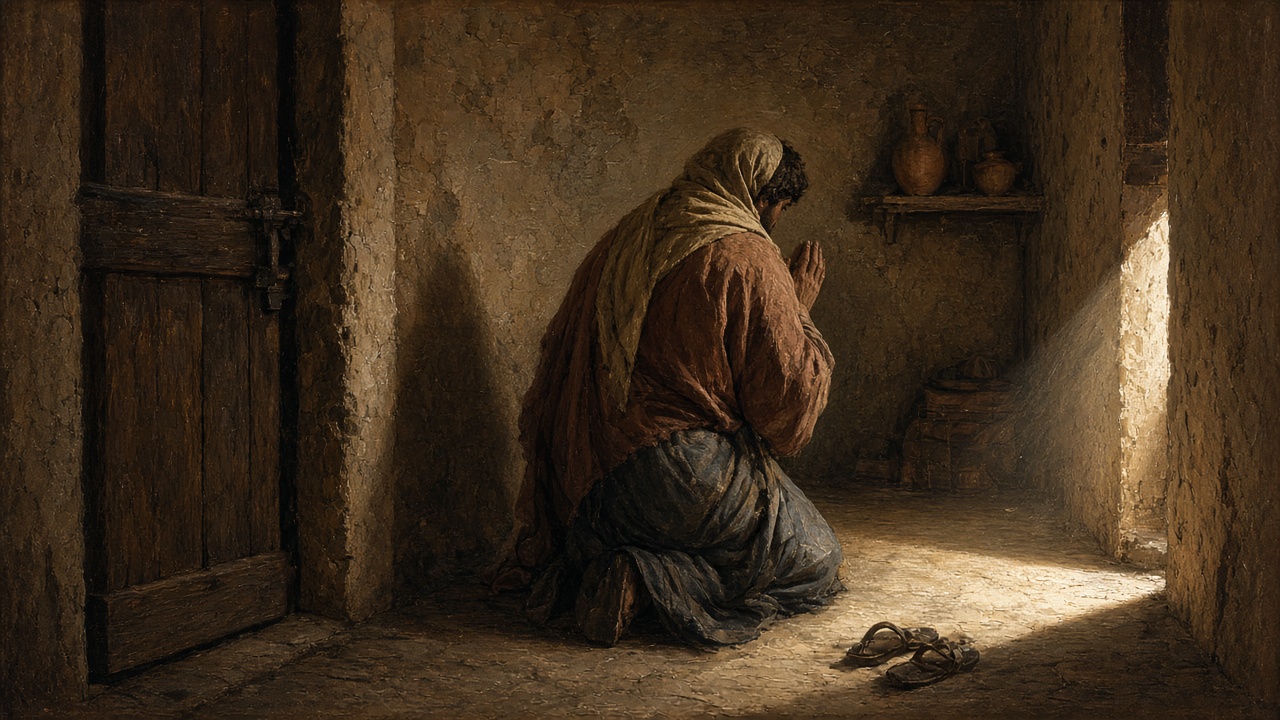
5“Tunu bairoa Diore jẽnirã, caĩtopairã na cajẽnirõrẽ bairo jẽnieticõãña. Na pʉame ñubuerica wiipʉ ãna, nucũrĩ Diore cʉ̃ jẽniʉseanucũñama. O plaza tʉ̃nipʉ capããrã camasã na caãnopʉ ãna, bairo átiʉseanucũñama, nipetiro camasã caroaro na cañubuerijere na caĩñaparorore bairo ĩrã. Cariape mʉjããrẽ ñiña: Na ũna camasã aperã narẽ na caĩroanucũrĩjẽ netõrõ cʉ̃gonemoetigarãma. Dios na ĩroaetiri, caroare na joetigʉmi, roro na catʉ̃goñarĩjẽ jʉ̃gori. 6Bairi mʉjãã pʉame Diore cʉ̃ mʉjãã cajẽniata, atore bairo mʉjãã caáto ñuña: Mʉjãã ya arʉa jopere biajãáti, aperã na caĩñaetopʉ Diore cʉ̃ jẽninucũña. Tore bairo mʉjãã caápata, marĩ Pacʉ Dios jeto caĩñaʉ, mʉjãã mena caãcʉ̃ ãnirĩ caroare mʉjãã jogʉmi.
7“Tunu bairoa Diore cʉ̃ jẽnirã, nairõ jĩcã wãmea cabʉgoro macããjẽrẽ ĩ bʉsʉjẽnieticõãña. Torea bairo jeto ĩ jẽninucũñama Diore camasĩẽna. ‘Nairõ jĩcã wãmea cʉ̃ marĩ caĩata, caroaro tʉ̃goʉmi Dios,’ ĩ tʉ̃goñañama, masĩẽna. 8Marĩ Pacʉ Dios pʉame cʉ̃ mʉjãã cajẽniparo jʉ̃goyepʉa merẽ mʉjãã cajẽnipeere masĩcõãñami. Bairi narẽ bairo cʉ̃ jẽnieticõãña Diore. 9Atore bairo mʉjãã caĩjẽnirõ boya:
‘Jãã Pacʉ, jõbui macããcʉ̃, nipetiro camasã mʉ wãmerẽ na ĩroáto.
10Tunu bairoa mʉ carotimasĩrĩpaʉ ati yepapʉ to apáro.
Jõbuipʉ mʉ carotirorea bairo to baiáto ati yepapʉ cʉ̃ãrẽ.
11Tunu ãme jãã caʉgapee, jãã caborije, jããrẽ carʉsarije ũnie cʉ̃ãrẽ jãã joya.
12Tunu bairoa roro jãã caátaje cʉ̃ãrẽ jãã masiriyobojaya.
Camasã roro jããrẽ na caátajere jãã camasiritirorea bairo roro jãã caátaje cʉ̃ãrẽ jãã masiriyobojaya mʉ cʉ̃ã.
13Tunu wãtĩ roro jããrẽ cʉ̃ caátigarijere jãã ẽñotaya. Jãã netõõña.
Mʉ jeto carotimasĩ mʉ ãniña.
Mʉ jeto catutuanetõʉ̃ mʉ ãniña.
Mʉ jeto camasã na caĩroapaʉ mʉ ãniña tocãnacã rʉ̃mʉa. Bairo to baiáto,’
bairo Diore cʉ̃ mʉjãã caĩjẽnipee ñuña,” na ĩ quetibʉjʉyupʉ Jesús.
14Ĩ quetibʉjʉ yaparo, atore bairo na ĩnemoñupʉ̃ tunu: “Camasã roro mʉjããrẽ na caátajere na mʉjãã cabʉsʉqũẽnoata, marĩ Pacʉ Dios ʉmʉrecóopʉ caãcʉ̃ cʉ̃ã roro mʉjãã caátajere masiriyobojagʉmi. 15Bairo roro mʉjããrẽ na caátajere na mʉjãã cabʉsʉqũẽnoeticõãta roque, marĩ Pacʉ Dios cʉ̃ã roro mʉjãã caátajere masiriyobojaetigʉmi.
Jesús enseña sobre el ayuno
16“Tunu bairoa ape rʉ̃mʉ ʉgarique betiri Diore ñubueãna, tʉ̃goñarĩqũẽ pairã yapapuarique cʉnarẽ bairã na cabaurore bairo baieticõãña. Tore bairo jeto átiyama caĩtopairã, nipetiro camasã ʉgarique betiri Diore na cañubuero na camasĩparore bairo ĩrã. Cariape mʉjããrẽ ñiña: Camasã na caĩroarije netõrõ cʉ̃goetigarãma. Dios na ĩroaetiri caroare na joetigʉmi, roro na catʉ̃goñarĩjẽ jʉ̃gori. 17Bairi mʉjãã pʉame ʉgarique betiri Diore mʉjãã cañubueata, atore bairo mʉjãã caáto ñuña: Mʉjãã riapére wacoseya. Mʉjãã poa cʉ̃ãrẽ caroaro wʉgapeoya. 18Bairo ása, ni jĩcãʉ̃ ũcʉ̃ ʉgarique betiri mʉjãã cañubuerijere cʉ̃ camasĩẽtĩparore bairo ĩrã. Atorea bairo mʉjãã caápata, marĩ Pacʉ Dios caĩñaʉ jeto mʉjãã mena caãcʉ̃ ãnirĩ caroare mʉjãã jogʉmi.
Riquezas en el cielo
19“Tunu bairoa ati yepa macããjẽ pairo cawapacʉtiere jeeneñorĩ caroare bairo jecũcʉ̃gonetõẽtĩcõãña. Ati yepapʉ marĩ caãno, moena ʉgareyama ti ũnierẽ. O tie ãpõã ũnie caãmata cʉ̃ãrẽ, ʉta witiri boacoaya. O aperã tiere jerutirecõãñama. 20Caroaro ása, jõbuipʉ roquere mʉjãã yaye wapa caãnipeere mʉjãã cacʉ̃gonetõparore bairo. Topʉ noa ũna moena caʉgarerã mánama. Caʉtawitiboarije ũnie cʉ̃ã mano. Cajerutiri majã cʉ̃ã mánama ʉmʉrecóopʉre. Bairi topʉ mʉjãã cacʉ̃gopee yasietigaro. 21Ati yepapʉ macããjẽ jetore mʉjãã camaitʉ̃goñaata, tie jetore mʉjãã bootʉ̃goñagarã. Jõbuipʉ mʉjãã cacʉ̃gopeere mʉjãã camaitʉ̃goñaata roque, ati yepa macããjẽrẽ bʉtioro mʉjãã bootʉ̃goñaetigarã.
La lámpara del cuerpo
22“Tunu bairoa mʉjãã caapee pʉame cajĩñaworicare bairo niña mʉjãã rupaʉre. Mʉjãã caapee caroaro to caĩñamasĩata, caroaro mʉjãã ĩñamasĩña. Caroyetuata, caroaro mʉjãã ĩñamasĩẽtĩña. Tore bairo mʉjãã, cayeriñurã ãnirĩ cariape mʉjãã catʉ̃goñaata, caroaro mʉjãã átimasĩgarã. Cayeriñuena mʉjãã caãmata roque, caroaro mʉjãã átimasĩẽtĩbujiorã. Dios mʉjããrẽ cʉ̃ camasĩõrĩjẽrẽ mʉjãã catʉ̃goʉsajãnacõãta, ¡roro majũ ána mʉjãã átibujiorã!
Dios y el dinero
24“Tunu bairoa ni jĩcãʉ̃ ũcʉ̃, pʉgarãpʉa cʉ̃ quetiuparã na caĩrõrẽ bairo átimasĩẽtĩñami, jĩcãrõrẽã bairo na carotimasĩẽtĩcõãta. Bairo na cabaiata, jĩcãʉ̃rẽ qũĩroabujioʉmi. Apeire qũĩroaetibujioʉmi. Jĩcãʉ̃ mena yeri ñugʉmi. Apeire qũĩñategʉmi. Torea bairo mʉjãã cʉ̃ã dinerore mʉjãã cabotʉ̃goñaata, Dios yaye mʉjããrẽ cʉ̃ caátirotirijere mʉjãã ĩñatebujiorã,” na ĩ quetibʉjʉyupʉ Jesús.
Dios cuida de sus hijos
25Ĩ quetibʉjʉ yaparo, atore bairo na ĩnemoñupʉ̃ tunu: “Mʉjãã yeri pũna pʉame, mʉjãã caʉgapee, bairi mʉjãã cajãñapee netõjãñurõ caãnimajũrĩjẽ niña. Bairi mʉjããrẽ ñiña: Ati yepa macããjẽrẽ bʉtioro bootʉ̃goñaeticõãña. Mʉjãã caʉgapeere, mʉjãã caetipeere, bairi mʉjãã cajãñapee cʉ̃ãrẽ bʉtioro tʉ̃goña macãẽtĩcõãña. Minia na caátiãnierẽ mʉjãã masĩña. Na caʉgapeere oteetiyama. Tunu na caʉgapeere cabʉtiro ĩña, jeetiyama. Na caʉgapeere jeri wiipʉ qũẽnocũẽtĩnucũñama. Bairo na caáperimiatacʉ̃ãrẽ, na caʉgapeere jonucũñami Dios. ¡Mʉjãã roquere minia netõrõ mʉjãã maiñami Dios! Bairi ãme mʉjãã caãnierẽ tʉ̃goña macãẽtĩcõãña. 27Ni ũcʉ̃ mʉjãã mena macããcʉ̃, cʉ̃ catʉ̃goñamacãrĩjẽ jʉ̃gori, ‘Yʉ bʉtinemogʉ jĩcã metro recomacã majũ, ʉ̃mʉaʉ ãnigʉ,’ ĩ masĩẽtĩñami. Mʉjãã catʉ̃goñamacããrĩjẽ jʉ̃gori mʉjãã átimasĩẽtĩña.
28“Bairi, ¿nopẽĩrã mʉjãã cajãñapeere mʉjãã tʉ̃goñarĩqũẽ paiyati? Oó, tataboaro macããjẽ cabairije cʉ̃ãrẽ mʉjãã masĩña. Oó pʉame paaetinucũña. Eetinucũña. 29Bairo áperimirõcʉ̃ã, caroa bauya. Quetiupaʉ rey Salomón ãnacʉ̃ caroa majũ cʉ̃ cajutii jãñarĩqũẽ netõjãñurõ caroa bauya oó pʉame. 30Bairo tie taa ũnie Dios cʉ̃ caqũẽnorĩqũẽ jĩcã rʉ̃mʉ caroa cabaumiatacʉ̃ãrẽ, ape rʉ̃mʉ peeropʉ joeyama camasã, peero riorã. Mʉjããrẽ taa ũnie netõjãñurõ mʉjãã maiñami Dios. Bairi mʉjãã cajãñapeere mʉjãã jogʉmi yua. ¡Mʉjãã, Dios mena catʉ̃goñatutuaenarẽ bairo majũ mʉjããrẽ ñiñaña! 31Bairi mʉjãã cabopacarijere tʉ̃goña macãẽtĩcõãña. ‘¿Ñerẽ marĩ ʉgarãati?’ o ‘¿Ñerẽ marĩ etirãati?’ o ‘¿Nerẽ marĩ jãñarãati?’ ĩ tʉ̃goña macãẽtĩcõãña. 32Diore caĩroaena pʉame na caʉgapeere, bairi na caetipee cʉ̃ãrẽ tʉ̃goña macãnucũñama. Mʉjãã roque narẽ bairo baieticõãña. Marĩ Pacʉ Dios ʉmʉrecóo macããcʉ̃ marĩ cabopacarijere masĩpeyocõãñami. Bairi tʉ̃goña macãẽtĩcõãña. 33Dios cʉ̃ carotimasĩrĩpaʉ roquere tʉ̃goñaña. Dios cʉ̃ carotirore bairo ása. Bairo mʉjãã caápata, ati yepa macããjẽ nipetirije mʉjãã cabopacarije cʉ̃ãrẽ mʉjãã jogʉmi Dios. 34Tocãnacã rʉ̃mʉ ricaati capee wãme baicõã niña. Bairi ñamirõcã mʉjãã caátipeere tʉ̃goña macãẽtĩcõãña. Ñamirõcã caetaro roque mʉjãã caátipee ũnierẽ mʉjãã masĩgarã,” na ĩ quetibʉjʉyupʉ Jesús.
Did you know?
Secret righteousness and trust
- This chapter is part of the Sermon on the Mount. An event listing dates that sermon to AD 28 and records it as lasting one day.Sources: Sermon on the Mount · the Bible text itself
- Jesus says not to sound a trumpet in the synagogues and streets when giving to the needy, as the hypocrites do in order to be honored. He also warns against praying on street corners to be seen and against fasting with a disfigured face; instead, he describes praying in an inner room with the door shut, and fasting with an anointed head and a washed face.Sources: the Bible text itself
- Jesus says that not even Solomon in all his glory was adorned like one of the lilies of the field. A dictionary entry explains that his Hebrew name, Shelomoh, means “Peaceful,” that he was David’s son by Bathsheba, and that Nathan called him Jedidiah, “beloved of the Lord”; his reign is recorded in 1 Kings 1–11 and 2 Chronicles 1–9.Sources: the Bible text itself · Solomon
Notes written with AI assistance from open sources (Theographic Bible Metadata, CC BY-SA 4.0; Easton’s Bible Dictionary, public domain) and reviewed before publishing.
Credits and license for this translation
Dios Cʉ̃ Cauetibʉjʉ Cũrĩcã Tuti
New Testament in Carapana (CO:cbc:Carapana)
copyright © 2012 Wycliffe Bible Translators, Inc.
Language: Carapana
Translation by: Wycliffe Bible Translators, Inc.
Copyright Information
© 2012, Wycliffe Bible Translators, Inc. All rights reserved.
This translation text is made available to you under the
terms of the Creative Commons License: Attribution-Noncommercial-No Derivative Works.
( http://creativecommons.org/licenses/by-nc-nd/3.0/ )
In addition, you have permission to port the text to different file formats, as long as you
do not change any of the text or punctuation of the Bible.
You may share, copy, distribute, transmit, and extract portions
or quotations from this work, provided that you include the above copyright
information:
You must give Attribution to the work.
You do not sell this work for a profit.
You do not make any derivative works that change any of the actual words or punctuation of the Scriptures.
Permissions beyond the scope of this license may be
available if you contact
us with your request.
The New Testament
in Carapana
© 2012, Wycliffe Bible Translators, Inc. All rights reserved.
This translation is made available to you under the terms of the
Creative Commons Attribution-Noncommercial-No Derivatives license 4.0.
You may share and redistribute this Bible translation or extracts from it in any format, provided that:
You include the above copyright and source information.
You do not sell this work for a profit.
You do not change any of the words or punctuation of the Scriptures.
Pictures included with Scriptures and other documents on this site are licensed just for use with those Scriptures and documents.
For other uses, please contact the respective copyright owners.
2014-04-22
Source: http://ebible.org/cbcNT/ · eBible.org