Matthew 9
Uyojroner e Dios xeꞌ Tzꞌijbꞌabꞌir Tama e Onian Tiempo · Tap a verse to see its cross-references.
Conda e Jesús utzꞌacpes inteꞌ winic xeꞌ chamen ucuerpo
1Entonces ochoy e Jesús tama e barco otronyajr y ixin teinxejr jaꞌ y sutpa cꞌotoy tama ulugar otronyajr. 2Y tamar era ayan cora winicobꞌ xeꞌ cꞌotoyobꞌ tut e Jesús xeꞌ war uqꞌuechiobꞌ axin inteꞌ winic xeꞌ chamen ucuerpo tama inteꞌ chꞌacteꞌ. Y conda e Jesús uwira que meyra war acꞌupseyanobꞌ tama e Dios e winicobꞌ era, ojron y che:
—Tzayen que nen incꞌumpa tacaret tuaꞌ asajta tunor amabꞌambꞌanir nimener, che e Jesús.
3Pero ayan cora ajcanseyajobꞌ tama uley e Moisés xeꞌ turobꞌ era xeꞌ cay ubꞌijnuobꞌ que: “E winic era war uqꞌuijnes e Dios taca uyojroner era”, ubꞌijnuobꞌ e nuquir winicobꞌ era jaxobꞌ taca. 4Pero cocha e Jesús war unata lo que war ubꞌijnuobꞌ e winicobꞌ era, ojron y che:
—¿Tucꞌa tuaꞌ war ibꞌijnu que nen war inche e mabꞌambꞌanir tamar lo que war inche era? 5Pues ma erer inata jay aquetpa erach niwojroner jay inware que: “Asajta tunor amabꞌambꞌanir nimener”, porque ma chequer tiut jay asajta umabꞌambꞌanir o jay machi. Pero jay inware: “Achpen”, wacchetaca erer iwira jay erach niwojroner jay achpa axana e winic. 6Pero tuaꞌ inata que nen xeꞌ Uyunenen e winic ayan nicꞌotorer tuaꞌ incꞌumpa taca e winicobꞌ xeꞌ war uchiobꞌ e mabꞌambꞌanir tara tor e rum, cꞌani inware e winic era xeꞌ chamen ucuerpo tuaꞌ achpa axana, che e Jesús.
Entonces e Jesús uyare e winic xeꞌ chamen ucuerpo y che:
—Inwaret era que achpen, chꞌama achꞌacteꞌ, y cuchu quiqui toꞌtot, che e Jesús.
7Entonces e winic xeꞌ chamen ani ucuerpo achpa y ixin tama uyotot. 8Y conda e gente uwirobꞌ lo que numuy era bꞌactobꞌ, y cay utattzꞌiobꞌ ucꞌabꞌa e Dios umen que jaxir uyajcꞌu ucꞌotorer e winicobꞌ tuaꞌ uyubꞌi utzꞌacpesobꞌ tin e ajmuacobꞌ ubꞌan.
Conda e Mateo pejcna umen e Jesús
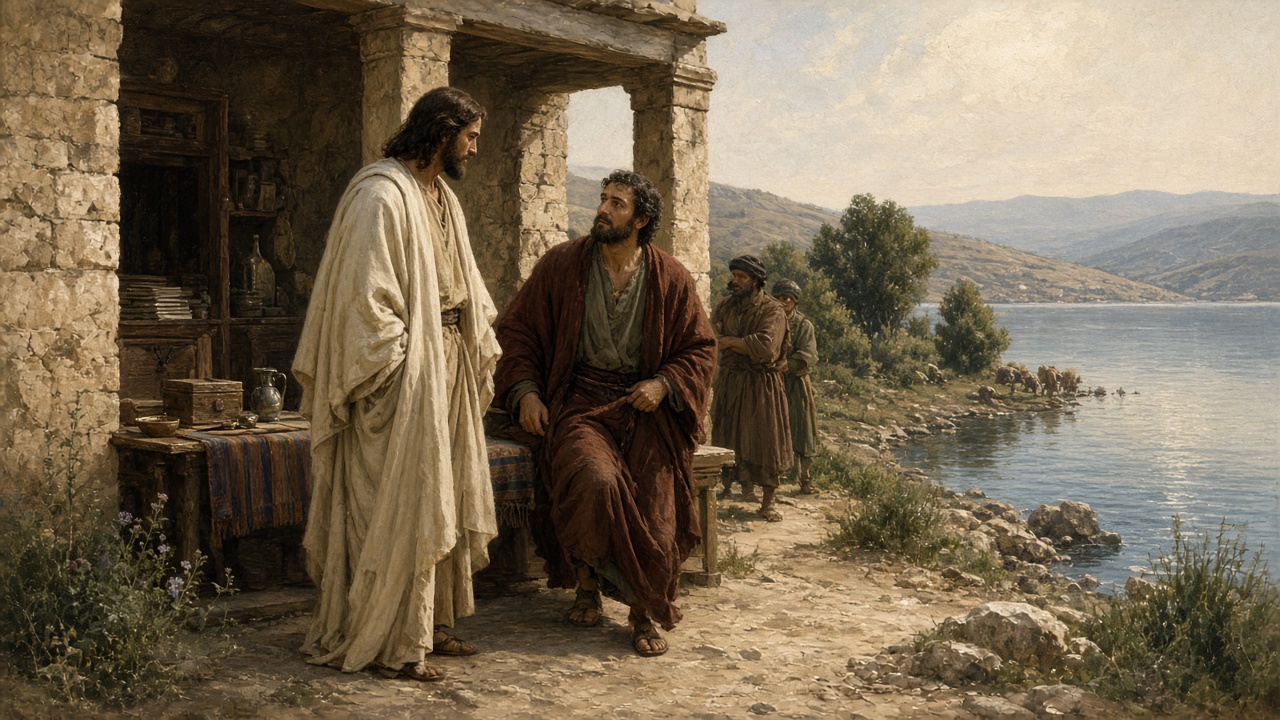
9Entonces conda e Jesús tacpa xana cora cay uwiren xeꞌ nicꞌabꞌa Mateo tiaꞌ turen tama nilugar tiaꞌ war inmorojse e tumin tuaꞌ e gobierno. Entonces e Jesús uyaren cocha era y che:
—Incoꞌ tacaren, che e Jesús.
Entonces achpen wacchetaca y ixien tacar.
10Entonces ixin weꞌ e Jesús tama niotot taca tunor uyajcanuarobꞌ. Y conda ya turu e Jesús cay cꞌotoy meyra ajmorojseyajobꞌ tumin tuaꞌ e gobierno bꞌan cocha nen y ayan más ajmabꞌambꞌanirobꞌ ubꞌan xeꞌ cay cꞌotoyobꞌ xeꞌ cay wiobꞌ taca e Jesús. 11Y cꞌotoy wawanobꞌ otro inmojr xeꞌ war achꞌujcsanobꞌ y bꞌan war uchiobꞌ cora fariseo ubꞌan. Y conda cay uwirobꞌ tucꞌa war anumuy cay uyubꞌiobꞌ tuaꞌ uyajcanuarobꞌ e Jesús y chenobꞌ:
—¿Tucꞌa tuaꞌ war aweꞌ Awajcanseyaj taca e ajmorojseyajobꞌ tumin tuaꞌ e gobierno y taca e sian ajmabꞌambꞌanirobꞌ era? chenobꞌ e fariseobꞌ era.
12Pero e Jesús war uyubꞌi tunor era y che:
—Tin e majax ajmuac machi ucꞌani inteꞌ ajtzꞌaconer, sino que ajtaca tin e ajmuacobꞌ. 13Quiquic canoenic lo que war che uyojroner e Dios tiaꞌ che que: “Nen más incꞌani que ixixin ichecsu ibꞌa que incꞌun iwirnar tut e gente que jay ixixin iwajcꞌu inteꞌ arac tuaꞌ apurutna tama e altar.” Bꞌan chꞌar tzꞌijbꞌabꞌir tama uyojroner e Dios. Pues nen tarien majax tuaꞌ impejca tin e unatobꞌ que imbꞌutz turobꞌ sino que tarien tuaꞌ impejca tin e satrem turobꞌ tuaꞌ asutpobꞌ uchꞌamiobꞌ uyojroner e Dios, che e Jesús.
Conda cay uyubꞌiobꞌ tuaꞌ e Jesús: ¿Tucꞌa tuaꞌ machi uyactobꞌ tuaꞌ awiobꞌ awajcanuarobꞌ tuaꞌ ucꞌajtiobꞌ taca e Dios?
14Pues entonces cꞌotoyobꞌ cora ajcanuarobꞌ tuaꞌ e Juan xeꞌ ajchꞌuymar tut e Jesús xeꞌ cay uyubꞌiobꞌ tuaꞌ y chenobꞌ:
—Pues non xeꞌ ajcanuaron tuaꞌ e Juan war cawacta tuaꞌ caweꞌ tuaꞌ cacꞌajti taca e Dios iraj iraj y bꞌan war uchiobꞌ uyajcanuarobꞌ e fariseobꞌ ubꞌan, pero awajcanuarobꞌ tabꞌa machi war uchiobꞌ cocha era. ¿Pues tucꞌa tuaꞌ machi war uyactobꞌ tuaꞌ awiobꞌ tuaꞌ ucꞌajtiobꞌ taca e Dios? che uyajcanuarobꞌ e Juan xeꞌ ajchꞌuymar era.
15Y che e Jesús:
—Erer cabꞌijnu que niwajcanuarobꞌ era larobꞌ tacar tin e pejcnobꞌ tama inteꞌ nujbꞌiar tiaꞌ cꞌani anojqꞌuiniobꞌ ubꞌan. Pues conda turobꞌ tama e nojqꞌuin era war atzayobꞌ taca e noxipbꞌir y ma cocha erer ubꞌijnuobꞌ tuaꞌ uyactobꞌ tuaꞌ awiobꞌ tuaꞌ ucꞌajtiobꞌ taca e Dios tama e hora era. Pero acꞌotoy e día conda axin aloqꞌuesna e noxipbꞌir era tutobꞌ y entonces tin e pejcbꞌir ani tama e nujbꞌiar erer ubꞌijnuobꞌ tuaꞌ uyactobꞌ tuaꞌ awiobꞌ tuaꞌ ucꞌajtiobꞌ taca e Dios. Y bꞌan tamaren ubꞌan, conda inloqꞌuesna tara, cꞌani ubꞌijnuobꞌ niwajcanuarobꞌ tuaꞌ uyactobꞌ tuaꞌ awiobꞌ tuaꞌ ucꞌajtiobꞌ taca e Dios.
16’Mamajchi axin uxuri imbꞌijc bꞌujc xeꞌ imbꞌutz tuaꞌ utaqꞌui tama inteꞌ tzuc bꞌujc. Porque jay bꞌan ani uche, e bꞌujc xeꞌ imbꞌutz axin achuchuran y axin uchꞌijse más e chꞌen tama e tzuc bꞌujc. 17Y mamajchi uyari e vino xeꞌ intocto achena tama inteꞌ bolsa xeꞌ chembꞌir taca e qꞌuewer xeꞌ bꞌitzꞌemix ut, porque jay bꞌan uche, conda acay oꞌjmay e vino y axin atꞌabꞌay, axin awejrtzꞌa e qꞌuewer cocha machi uyubꞌi abꞌitzꞌa más, y acꞌapa atucpa tunor e vino y asatpa e qꞌuewer ubꞌan. Y tamar era ucꞌani tuaꞌ ayajra e vino xeꞌ intocto achena tama e qꞌuewer xeꞌ intocto achena ubꞌan y tamar era chatertiꞌ axin acꞌampesna. Bꞌan che e Jesús tuaꞌ uchecsu que ma cocha erer uyapru ucanseyaj taca e onian bꞌijnusiaj tuaꞌ e gente era.
Uwijchꞌoc inteꞌ ajcꞌampar, y e ixic xeꞌ upijchꞌi ubꞌujc e Jesús
18Pues entonces conda e Jesús warto oꞌjron cocha era cꞌotoy tut inteꞌ ajcꞌampar tuaꞌ e gente tama e Israel xeꞌ cotuan tut e Jesús y che:
—Niwijchꞌoc wartocto acꞌapa achamay pero jay net icꞌotoy apacbꞌu acꞌabꞌ tamar, cꞌani asutpa abꞌixcꞌa, che e winic.
19Entonces achpobꞌ e Jesús y uyajcanuarobꞌ y ixiobꞌ tacar. 20Pero conda cay xana e Jesús taca e winic era cꞌotoy inteꞌ ixic tupat xeꞌ ayan inteꞌ muaquir xeꞌ intaca anumuy uchꞌichꞌer, y ayix doce año que war unumse ubꞌa taca e muaquir era. Entonces e ixic ixin tzꞌustaca tupat e Jesús y upijchꞌi ubꞌujc 21porque jaxir war ubꞌijnu y che: “Jay jax taca uyubꞌien impijchꞌi ubꞌujc e Jesús, cꞌani intzꞌacpesna”, xeꞌ ubꞌijnu e ixic era. 22Pero e Jesús usuti ut y uwira e ixic y che:
—Ixic, tzayen era que tzꞌacpesbꞌiret coner umen que war icꞌupseyan tamaren, che e Jesús. Y wacchetaca quetpa tzꞌacpesbꞌir e ixic inyajrer.
23Entonces cꞌotoy e Jesús tama uyotot e ajcꞌampar. Y conda ochoy cay uwira que turix e ajlabꞌarobꞌ tuaꞌ achena e mucmayaj y que ayan tin e war aꞌru taca inteꞌ nuxi nuc. 24Entonces ojron e Jesús y che:
—Loqꞌuenic tara porque e ijchꞌoc era majax chamen sino que intaca war awayan, che e Jesús.
Pero e gente intaca utzeniobꞌ. 25Pero jaxir uche tuaꞌ alocꞌoyobꞌ patir tunor e gente era. Y conda cꞌapa locꞌoyobꞌ, ochoy macu tiaꞌ chꞌar e ijchꞌoc y ujajpi ucꞌabꞌ y wacchetaca achpa. 26Pues lo que numuy tama e ijchꞌoc era cay checsuna ixin tama tunor or e lugar.
Conda e Jesús uche eron chateꞌ winicobꞌ
27Entonces conda locꞌoy e Jesús tama e otot era ayan chateꞌ winicobꞌ xeꞌ tajpem unacꞌutobꞌ xeꞌ cay ixiobꞌ tupat xeꞌ ojronobꞌ taca inteꞌ nuxi nuc y chenobꞌ:
—Yajtan coit net xeꞌ sitzbꞌiret tuaꞌ e rey David, che e winicobꞌ era.
28Y conda e Jesús cꞌotoy tama e otot tiaꞌ war axin ochoyobꞌ ubꞌan e chateꞌ winicobꞌ era xeꞌ tajpem unacꞌutobꞌ y e Jesús uyubꞌi tuobꞌ y che:
—¿Icꞌupse ca que uyubꞌien inche lo que war icꞌajti tacaren? che e Jesús.
Y jaxirobꞌ chenobꞌ:
—Cawinquiraret, cacꞌupseyan ixto tamaret, chenobꞌ e winicobꞌ era.
29Entonces e Jesús upacbꞌu ucꞌabꞌ tama unacꞌutobꞌ y che:
—Cocha meyra war ixcꞌupseyan tama e Dios meyra erer ichꞌami tuaꞌ e Dios ubꞌan, che e Jesús.
30Y wacchetaca eron unacꞌutobꞌ. Entonces e Jesús uyareobꞌ y che:
—Ira ichecsu tut e gente chi umen tzꞌacpesnox, che e Jesús.
31Pero conda ne mato alocꞌoy e Jesús tama e lugar era e winicobꞌ cay uchecsuobꞌ tama tunor or e lugar tunor lo que chena tacarobꞌ y que umen e Jesús que quetpobꞌ tzꞌacpesbꞌir.
Conda e Jesús utzꞌacpes inteꞌ winic xeꞌ machi ojron
32Entonces conda wartocto alocꞌoy e chateꞌ winicobꞌ era xeꞌ tajpem ani unacꞌutobꞌ cꞌotoy cora winicobꞌ tut e Jesús xeꞌ war utares inteꞌ winic xeꞌ machi ojron y xeꞌ chucur umen inteꞌ mabꞌambꞌan mein. 33Entonces e Jesús cay ucꞌaye e mabꞌambꞌan mein tuaꞌ alocꞌoy tama e winic y tamar era cay ojron e winic xeꞌ machi ani ojron. Pero e gente cay bꞌacta uwirobꞌ tunor era y cay ojronobꞌ y chenobꞌ:
—Ma tiaꞌ cawira anumuy inteꞌ nuxi milagro cocha era tama tunor e lugar Israel, che e gente.
34Entonces e fariseobꞌ cay ojronobꞌ y chenobꞌ:
—Pues jaxir jax uwinquir e inmojr mabꞌambꞌan meinobꞌ y tamar era abꞌacꞌajrna umenerobꞌ, che cora fariseobꞌ era.
Conda e Jesús uyajta ut e sian gente
35Pues entonces e Jesús ixin tama inteꞌ inteꞌ chinam y tama inteꞌ inteꞌ aldea y war acanseyan tama tunor e sian sinagoga ubꞌan. Y war uchecsu uyojroner e Dios tama uchinam e Dios tut tunor e gente. Y war utzꞌacpes tunor tin e ajmuac tama inteꞌ inteꞌ muaquir. 36Y conda e Jesús uwira tunor e sian gente, uyajta utobꞌ porque war uwira que tzajtaca utobꞌ, y que matucꞌa e jiriar tamarobꞌ, y que bꞌanobꞌ cocha cora oveja xeꞌ choquem xeꞌ matucꞌa uyajcojcobꞌ. 37Y tamar era e Jesús uyare uyajcanuarobꞌ y che:
—Cꞌani inwareox era que ayan meyra winicobꞌ xeꞌ turix tuaꞌ uchꞌamiobꞌ niwojroner, pero ma tzꞌacarobꞌ tin e war uchecsuobꞌ niwojroner, bꞌan cocha inteꞌ nuxi rum xeꞌ turix tuaꞌ amorojsena e cosecha tamar pero que mato tzꞌacar e manobꞌ xeꞌ tuaꞌ umorojsiobꞌ e cosecha era. 38Y tamar era inwareox que cꞌajtinic taca Cawinquirar Dios tuaꞌ uyebꞌta watar más ajpatnarobꞌ tuaꞌ uchecsuobꞌ niwojroner, bꞌan cocha ucꞌani tuaꞌ acꞌajtna tut e ajyum cosecha tuaꞌ uyebꞌta watar más ajpatnarobꞌ tuaꞌ umorojsiobꞌ tunor e nuxi cosecha era, che e Jesús.
Did you know?
Mercy, Healing, and New Wine
- Matthew, son of Alphaeus, was a publican, or tax collector, at Capernaum. Jesus, coming up from the side of the lake, passed the custom-house where Matthew sat and said, “Follow me.” He had formerly been known as Levi; that same day he gave a great feast, described as a farewell, for Jesus, the disciples, and probably many of his old associates.Sources: Matthew · the Bible text itself
- Those who ask why they and the Pharisees fast so often, while Jesus’ disciples do not, are disciples of John the Baptist. John is called the forerunner; he was of priestly descent, his father Zacharias a priest of the course of Abia and his mother Elisabeth one of the daughters of Aaron.Sources: John the Baptist · the Bible text itself
- One chronology places the healing of the paralyzed man, the call of Matthew, the question about fasting, and the parable of the wineskins in AD 28.Sources: Healing the Man with Palsy · Jesus Calls Matthew · Fasting Question · Parable of the Winseskins
Notes written with AI assistance from open sources (Theographic Bible Metadata, CC BY-SA 4.0; Easton’s Bible Dictionary, public domain) and reviewed before publishing.
Places in this chapter
- Sea of Galilee · 32.819, 35.590 · verse 1
Only places identified with high confidence are shown (90% or more according to the scholarly sources compiled by OpenBible). Period map: DARE (Digital Atlas of the Roman Empire), CC BY 4.0; modern map: © OpenStreetMap contributors; places: OpenBible.info (CC BY 4.0).
Credits and license for this translation
Uyojroner e Dios xeꞌ Tzꞌijbꞌabꞌir Tama e Onian Tiempo
The New Testament and Genesis, Ruth, Esther, and Jonah in the Chorti language of Guatemala
El Nuevo Testamento, Génesis, Rut, Ester y Jonás en Chortí, Guatemala
copyright © 1996, 2012, 2013, 2023 Wycliffe Bible Translators, Inc. and Evangel Bible Translators, International
Language: Chortí (Chorti)
Translation by: Evangel Bible Translators, International and Wycliffe Bible Translators
New Testament © 1996, 2012 Wycliffe Bible Translators, Inc.;
Old Testament © 2012, 2013, 2023 Evangel Bible Translators, International
This translation is made available to you under the terms of the
Creative Commons Attribution-Noncommercial-No Derivatives license 4.0.
You may share and redistribute this Bible translation or extracts from it in any format, provided that:
You include the above copyright and source information.
You do not sell this work for a profit.
You do not change any of the words or punctuation of the Scriptures.
Pictures included with Scriptures and other documents on this site are licensed just for use with those Scriptures and documents.
For other uses, please contact the respective copyright owners.
2023-08-23
Source: http://ebible.org/caa/ · eBible.org