Matthew 8
Uyojroner e Dios xeꞌ Tzꞌijbꞌabꞌir Tama e Onian Tiempo · Tap a verse to see its cross-references.
Conda tzꞌacpesna inteꞌ winic xeꞌ ayan
e sian chec tut
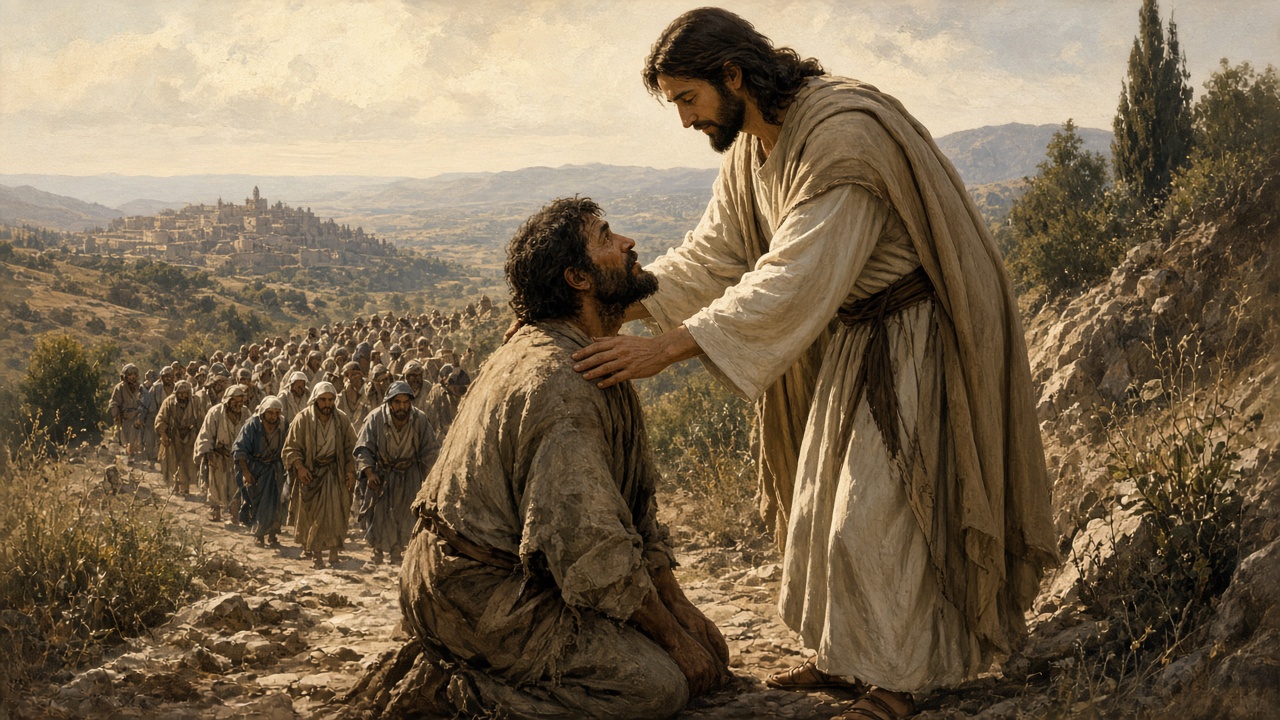
1Entonces conda cꞌapa ojron e Jesús taca tunor e sian gente tut e witzir, ecmay tari y meyra gente ixin tupat. 2Y cꞌotoy inteꞌ winic tuyejtzꞌer e Jesús xeꞌ ayan e sian chec tut xeꞌ ucꞌabꞌa lepra xeꞌ cotuan tut y che:
—Niwinquiraret, jay net acꞌani atzꞌaquen, uyubꞌiet porque meyra ayan acꞌotorer, che e winic.
3Entonces e Jesús ucꞌatbꞌu ucꞌabꞌ tama ujor e winic y che:
—Nen incꞌani intzꞌacpeset. Cꞌani inware e chec era: “Loqꞌuen actan e winic era”, che e Jesús.
Y conda cꞌapa ojron e Jesús, wacchetaca quetpa tzꞌacpesbꞌir e winic. 4Entonces e Jesús uyare e winic y che:
—Ira achecsu tut e gente que tzꞌacpesbꞌiret sino que quiqui chectes abꞌa tut tin e sacerdote tama e templo y ajcꞌun incojt awarac tuaꞌ aquetpa purutbꞌir tujor e altar bꞌan cocha chꞌar tzꞌijbꞌabꞌir tama uley e Moisés. Y tamar era erer unatobꞌ tunor que net tzꞌacpesbꞌiret inyajrer, che e Jesús.
Conda tzꞌacpesna uman inteꞌ capitán romano
5Entonces conda cꞌapa ojron e Jesús taca e winic era ixin esto tama e chinam Capernaum. Y conda cꞌotoy tajwina umen inteꞌ capitán romano xeꞌ uyare cocha era y che:
6—Niwinquiraret, chꞌar niman tama uchꞌacteꞌ tama niotot y chamen ucuerpo y war acꞌuxun meyra tunor ucuerpo, che e capitán romano era.
7Y che e Jesús:
—Entonces inxin tuaꞌ intzꞌacpes, che e Jesús.
8Y che e capitán:
—Niwinquiraret, nen ma tawaren tuaꞌ acꞌotoy inteꞌ nuxi winic cocha net tama niotot, pero jay net ajtaca aware e ojroner, axin atzꞌacpa niman. 9Porque nen turen yebꞌar ucꞌotorer inteꞌ nijefe, y nen ayan cora nisoldadobꞌ xeꞌ turobꞌ yebꞌar nicꞌotorer nen ubꞌan. Y tamar era jay nen inware inteꞌ tujamobꞌ que: “Quiqui chen era”, axin uche. Y jay inware otronteꞌ tujamobꞌ que: “Lar chen era”, axin watar uche. Y jay inware niman y che: “Chen era”, axin uche. Y bꞌan ixto net ubꞌan, jay aware e ojroner cꞌani atzꞌacpa niman, che e capitán.
10Conda e Jesús uyubꞌi tunor era bꞌacta ubꞌijnu tamar e capitán y cay uyare tin e war axana tacar y che:
—Cꞌani inwareox que nien tujam tunor e gente tuaꞌ e Israel ma inyajr intajwi inteꞌ winic xeꞌ meyra acꞌupseyan tama e Dios cocha war uche e winic era. 11Y cꞌani inwareox ubꞌan que meyra gente watar tama e lugar tiaꞌ atobꞌoy e qꞌuin, y meyra gente watar tama e lugar tiaꞌ anamtzꞌa e qꞌuin tuaꞌ acꞌotoyobꞌ tama e nuxi nojqꞌuin lo que cꞌani achempa tama uchinam e Dios tut e qꞌuin taca e Abraham y taca e Isaac y taca e Jacob. 12Pero ayan meyra winicobꞌ y meyra ixictac tuaꞌ e Israel xeꞌ cꞌani ani acꞌotoyobꞌ tama e nojqꞌuin era, pero umen que machi cꞌotoy cꞌupseyanobꞌ tamaren cꞌani atobꞌesna axiobꞌ macuir e incsibꞌaner tiaꞌ cꞌani aruobꞌ y tiaꞌ tuaꞌ ucꞌuxi ut uyejobꞌ umen e cꞌuxner, che e Jesús. 13Entonces e Jesús sutpa uyare e capitán y che:
—Quiqui tama oꞌtot, porque tzꞌacpesbꞌir ixto aman umen que net war icꞌupseyan tamaren que ayan nicꞌotorer tuaꞌ intzꞌacpes, che e Jesús.
Y tama e hora era quetpa tzꞌacpesbꞌir inyajrer e uman e capitán era.
Conda e Jesús utzꞌacpes upixam e Pedro
14Entonces ixin e Jesús tama uyotot upixam e Pedro y cay uwira que ajmuac chꞌar tama uchꞌacteꞌ upixam ixic e Pedro y que war ucojco inteꞌ nuxi purer. 15Entonces e Jesús uchuqui ucꞌabꞌ e ixic era y wacchetaca locꞌoy e purer. Y tamar era achpa e ixic y cay usicbꞌa tucꞌa tuaꞌ uyajcꞌu tuaꞌ ucꞌuxiobꞌ e ajwarobꞌ era.
Conda e Jesús utzꞌacpes meyra sian ajmuacobꞌ
16Entonces conda acbꞌare cay taresnobꞌ tunor tin e ajmuacobꞌ tut e Jesús. Y ayan tin e chucurobꞌ umen inteꞌ mabꞌambꞌan mein ubꞌan. Pero e Jesús uyajnes locꞌoy tunor e sian mabꞌambꞌan mein era tamar taca inteꞌ ojroner. Y cꞌapa utzꞌacpes tunor tin e ajmuacobꞌ ubꞌan. 17Pues numuy tunor era tuaꞌ acꞌapa achempa lo que chꞌar tzꞌijbꞌabꞌir umen e profeta Isaías xeꞌ turuan tama e onian tiempo xeꞌ che: “Uqꞌueche ixin tunor camuaquir, y xujra uwerir tuaꞌ utzꞌacpeson”, que chꞌar tzꞌijbꞌabꞌir umen e Isaías.
Tin e cꞌani ani axin tupat e Jesús
18Entonces conda e Jesús uwira que war axojyna umen meyra gente cay uyare uyajcanuarobꞌ y che:
—Incuic teinxejr e nuxi jaꞌ era, che e Jesús.
19Pero conda ne mato oꞌchoy e Jesús tama e barco cꞌotoy inteꞌ ajcanseyaj tama uley e Moisés tut xeꞌ che:
—Niwajcanseyajet, cꞌani inxin tacaret tic taca tiaꞌ iꞌxin, che e ajcanseyaj tama uley e Moisés era.
20Y che e Jesús:
—E chꞌajch ayan uchꞌen tiaꞌ tuaꞌ awayan, y e mut ayan usijc tiaꞌ tuaꞌ apacwan awayan, pero nen xeꞌ Uyunenen e winic ma tiaꞌ tuaꞌ inchꞌabꞌu nijor tuaꞌ inwayan, che e Jesús.
21Y cꞌotoy otronteꞌ ajcanuar tut e Jesús xeꞌ che:
—Niwinquiret, actanento tuaꞌ inxin incojco nitata este que axin achamay y de allí waten tacaret, che e winic era.
22Pero e Jesús uyare e ajcanuar era y che:
—Lar tacaren coner era, y actan tin e chamen turu tama uyalma tuaꞌ axin umuqui tin e war achamay, che e Jesús.
Conda e Jesús uche chꞌancabꞌa e icꞌar y e jaꞌ
23Entonces ochoy e Jesús tama inteꞌ barco taca tunor uyajcanuarobꞌ y cay ixiobꞌ tor e jaꞌ tama e barco. 24Y wacchetaca checta tari inteꞌ nuxi icꞌar xeꞌ cay uche tobꞌoy e jaꞌ tama e mar esto cay ochoy tama e barco. Pero e Jesús war awayan. 25Entonces ixin uyajcanuarobꞌ tuaꞌ ubꞌixqꞌuesobꞌ e Jesús y uyareobꞌ y che:
—Cawinquiraret, corpeson porque war camuctzꞌa macuir e jaꞌ, che uyajcanuarobꞌ.
26Entonces e Jesús uyare uyajcanuarobꞌ y che:
—¿Tucꞌa tuaꞌ war ixbꞌacta meyra cocha era, nox xeꞌ imbꞌijc taca war ixcꞌupseyan tamaren? che e Jesús.
Entonces achpa e Jesús y cay ucꞌaye e icꞌar y e jaꞌ xeꞌ war atobꞌoy axin. Y wacchetaca chꞌancabꞌa tunor y sisa. 27Y tunor uyajcanuarobꞌ bꞌactobꞌ uwirobꞌ y chenobꞌ:
—¿Tucꞌa winic era que uche chꞌancabꞌa e icꞌar y e jaꞌ y cꞌupesna umenerobꞌ? che uyajcanuarobꞌ era.
E chateꞌ winicobꞌ xeꞌ bꞌutꞌur uyalmobꞌ taca e sian mabꞌambꞌan mein
28Entonces ixin e Jesús teinxejr e nuxi jaꞌ era y cꞌotoy tama inteꞌ lugar xeꞌ ucꞌabꞌa Gadara. Y tama e lugar era ayan chateꞌ winicobꞌ xeꞌ turobꞌ macuir umujr e chamenobꞌ, y conda cꞌotoy unatobꞌ que war axana era e Jesús locꞌoyobꞌ tuaꞌ axin uwirobꞌ ut. Pues e chateꞌ winicobꞌ era bꞌutꞌur uyalmobꞌ taca e sian mabꞌambꞌan mein y tamar era jaxirobꞌ imbꞌacꞌajr uwirnarobꞌ. Y conda anumuy e gente tama e bꞌir era alocꞌoyobꞌ tuaꞌ uyajcꞌuobꞌ, y tamar era mix majchi anumuy tiaꞌ turobꞌ. 29Y conda cꞌotoyobꞌ tut e Jesús cay ojronobꞌ taca inteꞌ nuxi nuc y chenobꞌ:
—¿Tucꞌa tuaꞌ war oꞌse abꞌa tacaron, net xeꞌ Jesús xeꞌ Uyunenet e Dios? ¿O tariet ca tuaꞌ achion canumse cabꞌa conda ne mato achecta e juicio? che e winicobꞌ era xeꞌ bꞌutꞌur uyalmobꞌ taca e sian mabꞌambꞌan mein.
30Y majax innajt tiaꞌ turobꞌ ayan cora sian chitam xeꞌ war awiobꞌ. 31Entonces ojronobꞌ e mabꞌambꞌan meinobꞌ era taca e Jesús y chenobꞌ:
—Jay cꞌani atzacrion calocꞌoy tara, actanon chicon cochoy tama e sian chitam era, che e sian mabꞌambꞌan meinobꞌ era.
32Entonces che e Jesús:
—Erer ixixin. Quiquic ochenic era, che e Jesús.
Entonces e sian mabꞌambꞌan meinobꞌ uyactobꞌ e winicobꞌ y ixin ochoyobꞌ tama e sian chitam. Y e sian chitam satpa ujorobꞌ y wacchetaca ajniobꞌ tama e xijrcojt ejmar este que cꞌapa uyojres ubꞌobꞌ tama e jaꞌ y cꞌapa cuchpobꞌ chamayobꞌ.
33Pues tin e war ani ucojcobꞌ e sian chitam era cay bꞌactobꞌ y locꞌoy ajniobꞌ tuaꞌ acꞌotoyobꞌ tiaꞌ turobꞌ y cay uchecsuobꞌ ixin tut e gente tunor lo que numuy taca e sian chitam y tunor lo que numuy taca e chateꞌ winicobꞌ xeꞌ chucur ani umen e sian mabꞌambꞌan mein. 34Entonces tunor e gente tama e chinam yajaꞌ locꞌoyobꞌ tuaꞌ uwirobꞌ e Jesús. Y conda uwirobꞌ ut cay uyareobꞌ tuaꞌ alocꞌoy tama ulugarobꞌ era.
Did you know?
Healings, faith, and the sea
- Capernaum, which Jesus enters in this chapter, was a Galilean city not named in the Old Testament. Easton's Bible Dictionary (1897) says it became his “own city” after he left Nazareth, and it lists the centurion’s appeal and the healing at Peter’s house among the events set there.Sources: Capernaum · the Bible text itself
- Jesus says that many will come from east and west to share the banquet with Abraham, Isaac, and Jacob in the kingdom of heaven. Easton's Bible Dictionary (1897) calls Abraham the son of Terah and heir of the promises, Isaac Abraham’s only son by Sarah, and Jacob—also known as Israel—the younger twin son of Isaac and Rebekah.Sources: the Bible text itself · Abraham · Isaac · Jacob (Israel)
- Matthew presents that evening’s healings as fulfilling words spoken through the prophet Isaiah: “He took on our infirmities and carried our diseases.” Easton's Bible Dictionary (1897) identifies Isaiah as the son of Amoz, who prophesied in the reigns of Uzziah, Jotham, Ahaz, and Hezekiah.Sources: the Bible text itself · Isaiah
Notes written with AI assistance from open sources (Theographic Bible Metadata, CC BY-SA 4.0; Easton’s Bible Dictionary, public domain) and reviewed before publishing.
Places in this chapter
- Gadara · Today: Umm Qais · 32.656, 35.679 · verse 28
Only places identified with high confidence are shown (90% or more according to the scholarly sources compiled by OpenBible). Period map: DARE (Digital Atlas of the Roman Empire), CC BY 4.0; modern map: © OpenStreetMap contributors; places: OpenBible.info (CC BY 4.0).
Credits and license for this translation
Uyojroner e Dios xeꞌ Tzꞌijbꞌabꞌir Tama e Onian Tiempo
The New Testament and Genesis, Ruth, Esther, and Jonah in the Chorti language of Guatemala
El Nuevo Testamento, Génesis, Rut, Ester y Jonás en Chortí, Guatemala
copyright © 1996, 2012, 2013, 2023 Wycliffe Bible Translators, Inc. and Evangel Bible Translators, International
Language: Chortí (Chorti)
Translation by: Evangel Bible Translators, International and Wycliffe Bible Translators
New Testament © 1996, 2012 Wycliffe Bible Translators, Inc.;
Old Testament © 2012, 2013, 2023 Evangel Bible Translators, International
This translation is made available to you under the terms of the
Creative Commons Attribution-Noncommercial-No Derivatives license 4.0.
You may share and redistribute this Bible translation or extracts from it in any format, provided that:
You include the above copyright and source information.
You do not sell this work for a profit.
You do not change any of the words or punctuation of the Scriptures.
Pictures included with Scriptures and other documents on this site are licensed just for use with those Scriptures and documents.
For other uses, please contact the respective copyright owners.
2023-08-23
Source: http://ebible.org/caa/ · eBible.org