Luke 9
Uyojroner e Dios xeꞌ Tzꞌijbꞌabꞌir Tama e Onian Tiempo · Tap a verse to see its cross-references.
Conda e Jesús uyebꞌta ixin e doce uyajcanuarobꞌ
1Pues tama inyajr e Jesús cay umorojse e doce uyajcanuarobꞌ y cay uyajcꞌu ucꞌotorer tuaꞌ uyajnes axin tunor e mabꞌambꞌan mein y tuaꞌ utzꞌacpes tunor tin e ajmuac. 2Y war uyebꞌta axiobꞌ uyajcanuarobꞌ tuaꞌ uchecsuobꞌ uyojroner e Dios tama uchinam e Dios tut e gente axin y tuaꞌ utzꞌacpesobꞌ tunor tin e ajmuac. 3Y e Jesús uyare e doce uyajcanuarobꞌ y che:
—Matucꞌa tuaꞌ iqꞌueche axin conda ixixin tama e bꞌir. Ira iqꞌueche axin inteꞌ iteꞌ tuaꞌ ixbꞌoyo tamar, y nien imucuc machi tuaꞌ iqꞌueche axin, y nien e pan, y nien itumin, y ma erer iqꞌueche axin chateꞌ ibꞌujc. 4Y tic taca tiaꞌ ixcꞌotoy tama ingojr otot, quetpenic yajaꞌ este que ixlocꞌoy tama e lugar yajaꞌ. 5Y tiaꞌ machi cꞌani uchꞌamiox, loqꞌuenic quiquic tama e chinam era y tijtinic e tanlum tama iyoc tuaꞌ unatobꞌ e gente era que mabꞌambꞌan lo que war uchiobꞌ que machi cꞌani uyubꞌiobꞌ uyojroner e Dios, che e Jesús.
6Entonces locꞌoyobꞌ e doce uyajcanuarobꞌ y ixiobꞌ tama inteꞌ inteꞌ aldea, war uchecsuobꞌ uyojroner e Dios tama e corpesiaj tut e gente axin y war utzꞌacpesobꞌ tin e ajmuac.
Conda nutꞌur ut e Herodes
7Pues entonces conda e Herodes xeꞌ jax gobernador tama e departamento Galilea cꞌotoy unata tunor lo que war uche e Jesús, machi unata tucꞌa tuaꞌ ubꞌijnu porque ayan tin e chenobꞌ que jax e Juan xeꞌ ajchꞌuymar xeꞌ sutpa bꞌixcꞌa. 8Y ayan tin e chenobꞌ que sutpa checta e profeta Elías xeꞌ turuan tama e onian tiempo. Y ayan tin e chenobꞌ que sutpa bꞌixcꞌa inteꞌ profeta xeꞌ turuan tama e onian tiempo. 9Pero e Herodes che:
—Nen inwarix tuaꞌ axujra alocꞌoy ujor e Juan, pero ¿chito ca nic era, que nen warto umbꞌi acꞌajna ucꞌabꞌa? che e Herodes.
Y war usajca cocha tuaꞌ uwira ut e Jesús.
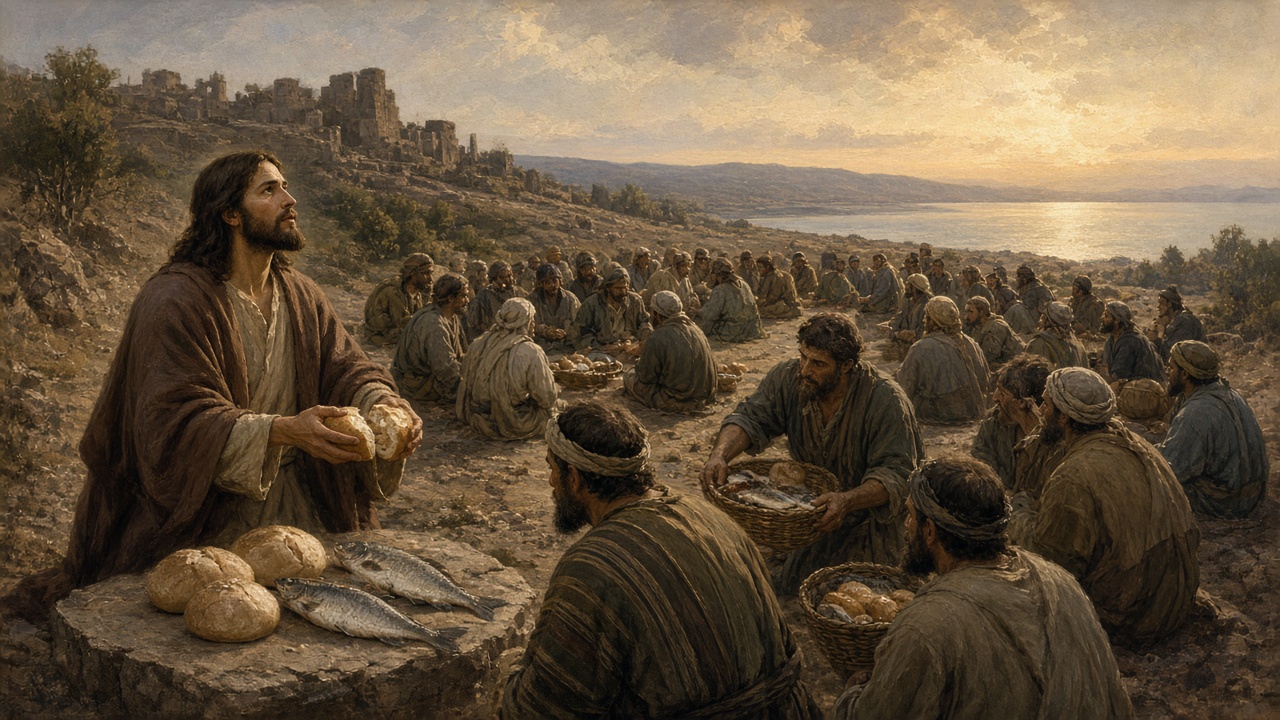
Conda e Jesús uwese 5,000 winicobꞌ
10Pues entonces sutpa tariobꞌ e doce apostolobꞌ y cay uyareobꞌ e Jesús tunor lo que numuy. Entonces e Jesús uqꞌueche ixiobꞌ tama inteꞌ choquem lugar xeꞌ majax innajt tut e chinam Betsaida. 11Pero ayan cora sian gente xeꞌ cꞌotoy unatobꞌ tiaꞌ ixin e Jesús, y tamar era ixiobꞌ tupat ubꞌan. Y conda cꞌotoyobꞌ tiaꞌ turu e Jesús, jaxir atzay uchꞌamiobꞌ y cay uchecsu tutobꞌ tunor uchinam e Dios y cay utzꞌacpes tin e ajmuac. 12Y conda e doce apostolobꞌ cay uwirobꞌ que cꞌanix acbꞌare, uyareobꞌ e Jesús y che:
—Cꞌanix acbꞌare y mix tucꞌa e ototobꞌ tara tiaꞌ erer utajwiobꞌ tucꞌa tuaꞌ ucꞌuxiobꞌ tunor e sian gente era. Actan chicobꞌ tuaꞌ axiobꞌ ajiriobꞌ y tuaꞌ awiobꞌ tama inteꞌ aldea o tama inteꞌ lugar xeꞌ majax innajt ticoit, che e apostolobꞌ.
13Pero e Jesús che:
—Wesenic nox, che e Jesús.
Y che e apostolobꞌ:
—Pero matucꞌa ayan tara, ajrer taca cinco ut pan y chacojt chay. O ¿acꞌani ca tuaꞌ caxin camani e comida tuaꞌ cawese e sian gente era? che e apostolobꞌ.
14Y ayan meyra sian gente era este 5,000 winicobꞌ, pero e Jesús uyare uyajcanuarobꞌ y che:
—Arenic e sian gente era tuaꞌ aturuanobꞌ intzujc intzujc de a cincuenta, che e Jesús.
15Y bꞌan uchiobꞌ y turuanobꞌ tunorobꞌ. 16Entonces e Jesús uchꞌami e cinco ut pan y chacojt chay tama ucꞌabꞌ y sutpa uwira tut e qꞌuin tichan y cay ucꞌajti taca e Dios y uyajcꞌu gracias tama e comida era y cay ucꞌajti que e pan y e chay axin abꞌoro. Y de allí cay uyajcꞌu uyajcanuarobꞌ tuaꞌ uxeriobꞌ taca e sian gente. Y conda war uxeriobꞌ e comida más abꞌoro axin. 17Y tunor e gente wiobꞌ y chuanobꞌ, y nacpat era umorojsiobꞌ doce chiquiꞌ tamar lo que quetpato.
Net jax e Cristo, che e Pedro
18Pues tama inyajr e Jesús war ucꞌajti taca e Dios ubꞌajner y ya turobꞌ uyajcanuarobꞌ tacar ubꞌan. Entonces sutpa uyubꞌi tuobꞌ y che:
—¿Tucꞌa war che e gente tacaren? che e Jesús.
19Y che uyajcanuarobꞌ:
—Ayan tin e war ubꞌijnuobꞌ que net jax e Juan xeꞌ ajchꞌuymar, y ayan tin e war ubꞌijnu que net jax e profeta Elías, y ayan tin e war ubꞌijnu que net jax inteꞌ onian profeta xeꞌ sutpa bꞌixcꞌa, che uyajcanuarobꞌ.
20Entonces e Jesús sutpa uyubꞌi tuobꞌ y che:
—Y nox, ¿tucꞌa iware tamaren? che e Jesús.
Y e Pedro che:
—Net jax e Cristo xeꞌ ebꞌetna tariet umen e Dios tuaꞌ acorpeson, che e Pedro.
Conda e Jesús cay uchecsu que jaxir
tuaꞌ achamesna
21Pues entonces e Jesús uyare uyajcanuarobꞌ y che:
—Ira iwirse e gente lo que cꞌani inwareox era. 22Nen xeꞌ Uyunenen e winic ucꞌani tuaꞌ innumse nibꞌa meyra y ucꞌani tuaꞌ axejbꞌna niut umen e nuquir winicobꞌ tama e Israel y umen uwinquir e inmojr sacerdotiobꞌ, y ucꞌani tuaꞌ axejbꞌna niut umen e ajcanseyajobꞌ tama uley e Moisés. Jaxirobꞌ tuaꞌ uchamsenobꞌ pero tama e uxteꞌ día cꞌani insujta imbꞌixqꞌuesna tujam e chamenobꞌ, xeꞌ ojron e Jesús taca uyajcanuarobꞌ.
23Y de allí cay ojron e Jesús taca tunor e inmojr gente era y che:
—Jay ayan tin e cꞌani axin tanipat, ucꞌani tuaꞌ unajpes ubꞌa y axin tanipat ejcꞌar ejcꞌar motor que axin achamesna ani tamaren. 24Porque tin e cꞌani ucorpes ucuxtar cꞌani asatpa, pero tin e usati ucuxtar tamaren cꞌani acorpesna. 25¿Tucꞌa ucꞌampibꞌir tut inteꞌ winic jay axin uchꞌami tunor lo que ayan tara tor e rum jay tamar era axin usati uyalma? 26Y jay ayan tin e axin asubꞌajra tamaren y tamar niwojroner, nen xeꞌ Uyunenen e winic cꞌani insubꞌajra tamar jaxir ubꞌan conda waten tuaꞌ incꞌotori taca tunor utawarer Nitata y taca utawarer tunor e angelobꞌ xeꞌ erach. 27Y inwareox coner que ayan tin e turox tara que machi tuaꞌ ixchamay este que iwiren waten taca ucꞌotorer e Dios, che e Jesús
Conda e Jesús sutpa intiach uwirnar
28Pues entonces conda cꞌapa numuy ocho día desde que e Jesús ojron cocha era, ixin tꞌabꞌay tujor inteꞌ witzir tuaꞌ ucꞌajti taca e Dios, y ixin ubꞌan e Pedro y e Santiago y e Juan. 29Y conda e Jesús war ucꞌajti taca e Dios, sutpa intiach uwirnar, y ubꞌujc sutpa sacsac este que ejpray ut. 30Y wacchetaca checta chateꞌ winicobꞌ; inteꞌ jax e Moisés y otronteꞌ jax e Elías. Y war oꞌjronobꞌ taca e Jesús. 31Y war ejpray xojyna e winicobꞌ era umen utawarer e Dios, y cay ojronobꞌ taca e Jesús tamar e cꞌuxner lo que aquetpa tuaꞌ unumse ubꞌa conda axin achamay tama e chinam Jerusalem. 32Y motor que e Pedro y upiarobꞌ jajpnobꞌ meyra umen e waynij pero machi wayanobꞌ, y tamar era uwirobꞌ utawarer e Jesús y uwirobꞌ utawarer e chateꞌ winicobꞌ era ubꞌan. 33Entonces conda cay locꞌoyobꞌ e Moisés y e Elías, e Pedro uyare e Jesús y che:
—Cawajcanseyajet, catzay que turon tara tacaret. Cachenic uxteꞌ rancho, inteꞌ tabꞌa, y inteꞌ tuaꞌ e Moisés, y inteꞌ tuaꞌ e Elías, che e Pedro.
Pero e Pedro machi unata tucꞌa war oꞌjron. 34Y conda wartocto oꞌjron e Pedro wacchetaca checta tari inteꞌ tocar xeꞌ ubꞌujcse tunor or e lugar era. Y conda cay uwirobꞌ macuir e tocar bꞌactobꞌ. 35Y de allí cay uyubꞌiobꞌ inteꞌ nuc macuir e tocar xeꞌ ojron y che:
—Jaxto era Niunen xeꞌ inyajta ut, ubꞌinic lo que uyareox, che e nuc xeꞌ uyubꞌiobꞌ locꞌoy tama e tocar.
36Pero conda cꞌapa ojron e nuc era, sutpa uwirobꞌ que ajtaca e Jesús war ubꞌajner. Pero uyajcanuarobꞌ quetpobꞌ tzꞌustaca, y mamajchi tacar ucꞌajtiobꞌ lo que uwirobꞌ era.
Conda e Jesús utzꞌacpes inteꞌ sitz xeꞌ chucur umen inteꞌ mabꞌambꞌan mein
37Entonces tama otronteꞌ día ecmay tariobꞌ tor e witzir, y conda ecmay utajwiobꞌ ubꞌobꞌ taca meyra gente. 38Y ayan inteꞌ winic tujam e gente era xeꞌ cay ojron taca inteꞌ nuxi nuc y che:
—Cawajcanseyajet, yajtan ut yar niunen era, porque inteꞌ taca ayan tanibꞌa, 39y jaxir chucur umen inteꞌ mabꞌambꞌan mein y achena aꞌru umener, y achamay achꞌan, y oꞌjmay uyar utiꞌ, y ucꞌuxi ut uyej, y utori ubꞌa iraj iraj, y machi cꞌani aꞌctana umen e mabꞌambꞌan mein era. 40Y inwarix awajcanuarobꞌ tuaꞌ ulocsiobꞌ e mabꞌambꞌan mein pero machi obꞌnobꞌ, che utata e sitz era.
41Y e Jesús uyare uyajcanuarobꞌ y che:
—Tzajtaca iut nox xeꞌ machi cꞌani ixcꞌupseyan tama e Dios porque warto ibꞌijnu tama e onian bꞌijnusiaj. ¿Cobꞌa tiempo tuaꞌ inquetpa tacarox y cobꞌa tiempo tuaꞌ innumse nibꞌa tama tunor lo que war iche? Tares e sitz yax, che e Jesús.
42Pero conda e sitz war acꞌotoy tuyejtzꞌer e Jesús, wacarpa ixin tut e rum umen e mabꞌambꞌan mein y cay utori ubꞌa otronyajr. Pero e Jesús cay utzacre alocꞌoy e mabꞌambꞌan mein tama e sitz, y tamar era locꞌoy ajni e mabꞌambꞌan mein. Entonces cocha tzꞌacpesna e sitz sutpa ixin taca utata. 43Y tunor e gente cay bꞌacta uwirobꞌ que nojta ucꞌotorer e Dios.
Conda ojron e Jesús tamar uchamer otronyajr
Entonces cay ojron e Jesús taca uyajcanuarobꞌ y che:
44—Ubꞌinic lo que cꞌani inwareox era y ira inajpes; pues nen xeꞌ Uyunenen e winic ucꞌani tuaꞌ inqꞌuejcha inxin tuaꞌ inquetpa yebꞌar ucꞌabꞌobꞌ e winicobꞌ xeꞌ turobꞌ tara tor e rum, che e Jesús.
45Pero uyajcanuarobꞌ machi unatobꞌ tucꞌa war aꞌrobꞌnobꞌ umen e Jesús, pues mucresbꞌir tunor era tutobꞌ umen e Dios, y tamar era ma chequer tutobꞌ. Y bꞌactobꞌ tuaꞌ ucꞌajtiobꞌ tuaꞌ e Jesús tuaꞌ uchectes tunor era tutobꞌ otronyajr.
Chi ayan más ucꞌampibꞌir
46Pues tama inyajr uyajcanuarobꞌ e Jesús cay bꞌiritiobꞌ jaxobꞌ taca que chi ca nic xeꞌ más ayan ucꞌampibꞌir tujamobꞌ. 47Pero e Jesús war unata tucꞌa war ubꞌijnuobꞌ. Entonces uchꞌami inteꞌ yar chuchu sitz y uwabꞌu tuyejtzꞌerobꞌ 48y che:
—Tin e uchꞌami inteꞌ yar chuchu sitz cocha era xeꞌ war acꞌupseyan tamaren, war uchꞌamien nen ubꞌan. Y tin e uchꞌamien nen, war uchꞌami tin e uyebꞌta tarien ubꞌan. Y tamar era tin e más chuchu tijam nox, jax xeꞌ más nojta tut e Dios, che e Jesús.
Tin e machi aqꞌuijna uwiron jax capiar ubꞌan
49Pues tama inyajr conda e ajcanuarobꞌ turobꞌ taca e Jesús cay ojron e Juan y che:
—Niwinquiraret, catajwi cabꞌa taca inteꞌ winic xeꞌ war ucꞌampes acꞌabꞌa tuaꞌ utzacre alocꞌoy inteꞌ mabꞌambꞌan mein, pero machi cacꞌani y caware que ma erer ucꞌampes acꞌabꞌa cocha jaxir machi war axana tacaron, che e Juan.
50Pero e Jesús che:
—Ira iware e winicobꞌ que ma erer ucꞌampesobꞌ nicꞌabꞌa, porque tin e machi war aqꞌuijna uwiron jax capiar ubꞌan, che e Jesús.
Ebꞌetna tari Uyunen e winic tuaꞌ acorpesian
51Pues conda warix acꞌotoy e día conda aquetpa tuaꞌ atꞌabꞌay axin e Jesús tut e qꞌuin, cay uyare uyajcanuarobꞌ y che:
—Nen ucꞌani ixto tuaꞌ inxin esto tama e chinam Jerusalem, che e Jesús.
52Entonces e Jesús uyebꞌta ixin bꞌajxan cora winicobꞌ esto tama inteꞌ aldea tama e departamento Samaria tuaꞌ usajcobꞌ tiaꞌ tuaꞌ awayanobꞌ y tiaꞌ tuaꞌ awesenobꞌ. 53Pero conda e gente xeꞌ turobꞌ tama e aldea era cꞌotoy unatobꞌ que war axiobꞌ esto tama e chinam Jerusalem, qꞌuijnobꞌ y machi acꞌajnobꞌ. 54Pero conda natanwa tunor era umen uyajcanuarobꞌ e Jesús xeꞌ jax e Santiago y e Juan, cay uyareobꞌ e Jesús y chenobꞌ:
—Cawinquiraret, ¿Acꞌani ca tuaꞌ caware eꞌcmay watar e cꞌajc tichan tut e qꞌuin tuaꞌ acꞌaxi tama ujorobꞌ tuaꞌ acꞌapesnobꞌ umen e cꞌajc era bꞌan cocha cay uche e profeta Elías tama e onian tiempo? che e Santiago y e Juan.
55Pero sutpa irna utobꞌ umen e Jesús xeꞌ cay ucꞌaye y che:
—Nox machi war inata tucꞌa mein xeꞌ war ubꞌijres ijor. 56Porque nen xeꞌ Uyunenen e winic machi ebꞌetna tarien tuaꞌ insati e winicobꞌ axin, sino que tuaꞌ incorpesobꞌ, che e Jesús.
Entonces locꞌoy ixiobꞌ esto tama otronteꞌ aldea.
Tin e cꞌani axin tupat e Jesús
57Entonces conda war axanobꞌ tama inteꞌ bꞌir, cꞌotoy inteꞌ winic tut e Jesús y che:
—Niwinquiraret, cꞌani inxin tacaret tic taca tiaꞌ iꞌxin, che e winic.
58Y e Jesús uyare e winic y che:
—E chꞌajch ayan uchꞌen tiaꞌ tuaꞌ awayan, y e mut ayan usijc tiaꞌ tuaꞌ apacwan awayan, pero nen xeꞌ Uyunenen e winic ma tiaꞌ tuaꞌ inchꞌabꞌu nijor tuaꞌ inwayan, che e Jesús.
59Y e Jesús uyare otronteꞌ winic y che:
—Lar tacaren, che e Jesús.
Pero e winic che:
—Niwinquiret, actanento tuaꞌ inxin incojco nitata este que axin achamay, y de allí waten tacaret, che e winic.
60Pero e Jesús uyare e winic otronyajr y che:
—Actan tin e chamen turu tama uyalma tuaꞌ axin umuqui tin e war achamay, pero net, quiqui chectes tut e gente tic taca cocha tuaꞌ oꞌchoyobꞌ tama uchinam e Dios, che e Jesús.
61Y cꞌotoy otronteꞌ winic xeꞌ upejca e Jesús y che:
—Niwinquiret, cꞌani inxin tacaret pero actanento tuaꞌ inxin tama niotot tuaꞌ inware nitata y nituꞌ y tunor nipiarobꞌ tucꞌa war inche era tuaꞌ machi ubꞌijnuobꞌ que ¿tiaꞌ ixien? che e winic.
62Entonces e Jesús uyare e winic era y che:
—Tunor tin e war apatnobꞌ war uwirobꞌ tuaꞌ unatobꞌ jay war alocꞌoy imbꞌutz tunor upatnar. Pero jay war apatna inteꞌ winic y war achꞌujcsan tupat, machi tuaꞌ alocꞌoy imbꞌutz upatnar. Y bꞌan ubꞌan tin cꞌani oꞌchoy tama uchinam e Dios. Conda acay axana tama ubꞌir e Dios, jay warto uwira tupat tuaꞌ ubꞌijnu uche e mabꞌambꞌanir otronyajr, machi tuaꞌ oꞌchoy tama uchinam e Dios, che e Jesús.
Did you know?
Mission, identity, and the road to Jerusalem
- Herod the tetrarch, perplexed by reports about Jesus, is Herod Antipas, Herod's son by Malthace. He said he had beheaded John, while some claimed that John had risen from the dead, others that Elijah the Tishbite, the "Elias" of the New Testament, had appeared, and still others that a prophet of old had arisen. One chronology of these events dates John's beheading to AD 29.Sources: Herod Antipas · Elijah · John Beheaded · the Bible text itself
- After the apostles returned, Jesus withdrew with them to a town called Bethsaida, where he welcomed the crowds, spoke about the kingdom of God, and fed about five thousand men with five loaves and two fish. Easton's Bible Dictionary (1897) places this Bethsaida on the east side of the lake, two miles up the Jordan, in the region of Gaulonitis; Philip the tetrarch enlarged it and called it Julias, after the emperor's daughter. Some have supposed there was only one Bethsaida, built on both sides of the lake near where the Jordan enters it; the entry identifies the ruins as et-Tel.Sources: Bethsaida · the Bible text itself
- Peter, originally called Simon, answered that Jesus is "the Christ of God." About eight days later Jesus took Peter, James, and John up a mountain to pray; Moses and Elijah appeared in glory and spoke about the departure Jesus was about to accomplish at Jerusalem. James, elder brother of John and a fisherman in partnership with Peter, was with them; he and John were called Boanerges, "sons of thunder," probably because of their boldness and energy, and later they asked whether they should call down fire from heaven on a village of the Samaritans that would not welcome Jesus because he was heading for Jerusalem.Sources: Simon Peter · James (Son of Zebedee) · the Bible text itself
Notes written with AI assistance from open sources (Theographic Bible Metadata, CC BY-SA 4.0; Easton’s Bible Dictionary, public domain) and reviewed before publishing.
Places in this chapter
Only places identified with high confidence are shown (90% or more according to the scholarly sources compiled by OpenBible). Period map: DARE (Digital Atlas of the Roman Empire), CC BY 4.0; modern map: © OpenStreetMap contributors; places: OpenBible.info (CC BY 4.0).
Credits and license for this translation
Uyojroner e Dios xeꞌ Tzꞌijbꞌabꞌir Tama e Onian Tiempo
The New Testament and Genesis, Ruth, Esther, and Jonah in the Chorti language of Guatemala
El Nuevo Testamento, Génesis, Rut, Ester y Jonás en Chortí, Guatemala
copyright © 1996, 2012, 2013, 2023 Wycliffe Bible Translators, Inc. and Evangel Bible Translators, International
Language: Chortí (Chorti)
Translation by: Evangel Bible Translators, International and Wycliffe Bible Translators
New Testament © 1996, 2012 Wycliffe Bible Translators, Inc.;
Old Testament © 2012, 2013, 2023 Evangel Bible Translators, International
This translation is made available to you under the terms of the
Creative Commons Attribution-Noncommercial-No Derivatives license 4.0.
You may share and redistribute this Bible translation or extracts from it in any format, provided that:
You include the above copyright and source information.
You do not sell this work for a profit.
You do not change any of the words or punctuation of the Scriptures.
Pictures included with Scriptures and other documents on this site are licensed just for use with those Scriptures and documents.
For other uses, please contact the respective copyright owners.
2023-08-23
Source: http://ebible.org/caa/ · eBible.org