Luke 10
Uyojroner e Dios xeꞌ Tzꞌijbꞌabꞌir Tama e Onian Tiempo · Tap a verse to see its cross-references.
Conda e Jesús uyebꞌta ixin e setenta uyajcanuarobꞌ
1Pues entonces conda cꞌapa ojron Cawinquirar, cay usajca setenta uyajcanuarobꞌ tujor lo que ayanix, y uyebꞌta ixiobꞌ bꞌajxan tuaꞌ uchecsu uchinam e Dios tut e gente ixin. Chacojt chacojt ixiobꞌ tama tunor e aldea y tama tunor e chinam tiaꞌ aquetpa tuaꞌ acꞌotoy nacpat Cawinquirar. 2Pero conda merato axin e Jesús, cay uyare uyajcanuarobꞌ y che:
—Cꞌani inwareox era que ayan meyra gente xeꞌ turix tuaꞌ uchꞌamiobꞌ niwojroner, pero ma tzꞌacar tin e war uchecsuobꞌ uyojroner e Dios tama e corpesiaj tut e gente bꞌan cocha inteꞌ nuxi rum xeꞌ turix tuaꞌ amorojsena e cosecha tamar pero que mato tzꞌacar e manobꞌ xeꞌ tuaꞌ umorojsiobꞌ e cosecha era. Y tamar era inwareox que cꞌajtinic taca Cawinquirar Dios tuaꞌ uyebꞌta watar más ajpatnarobꞌ tuaꞌ uchescuobꞌ niwojroner bꞌan cocha ucꞌani tuaꞌ acꞌajtna tut e ajyum cosecha tuaꞌ uyebꞌta watar más ajpatnarobꞌ tuaꞌ umorojsiobꞌ tunor e nuxi cosecha era. 3Pero cꞌani inwareox era que nox larox tacar cora yar oveja y e gente tiaꞌ tuaꞌ ixcꞌotoy larobꞌ tacar cora sian coyote. Pero ira ixbꞌacta porque Cadiosir ya turu tacarox. 4Ira iqꞌueche axin itumin, y nien inteꞌ ichijr machi tuaꞌ iqꞌueche axin. Y machi tuaꞌ iqꞌueche axin otronteꞌ ixanabꞌ, y ira ixquetpa ixwawan ixojron tut e bꞌir, sino que quiquic esto tiaꞌ cꞌani ixcꞌotoy. 5Y conda ixochoy tama inteꞌ otot arenic e ajyum otot cocha era y che: “Que ujiriar e Dios turic taca tunorox xeꞌ turox tama e otot era.” 6Y jay e gente tama e otot era atzay uchꞌamiox tuaꞌ uyubꞌiobꞌ uyojroner e Dios, entonces axin aquetpa ujiriar e Dios tacarobꞌ. Pero jay e gente tama e otot era machi atzay uchꞌamiox, entonces machi tuaꞌ aquetpa ujiriar e Dios tacarobꞌ. 7Pues quetpenic tama inteꞌ taca otot tiaꞌ ixcꞌotoy tiaꞌ atzay uwirox y ya taca tuaꞌ ixweꞌ y tuaꞌ ixoychꞌi lo que ixajcꞌuna. Porque inteꞌ man ucꞌani tuaꞌ atojya tama e patnar lo que war uche. 8Conda ixcꞌotoy tama inteꞌ chinam tiaꞌ atzay ixchꞌajma, cꞌuxic tunor lo que ixajcꞌuna. Y ira ixnumuy cora cora tama e ototobꞌ. 9Y tzꞌacpesic e ajmuacobꞌ y arenic cocha era y che: “Watarix e día conda Cadiosir axin acꞌotori tara tor e rum.” 10Y jay ixcꞌotoy tama inteꞌ chinam tiaꞌ machi ixchꞌajma, loqꞌuenic tama e calle tama e chinam era y arenic e gente cocha era y che: 11“Y este e tanlum lo que chꞌuwan tama coc era war catijti tiut tuaꞌ inata que mabꞌambꞌan lo que war iche que machi cꞌani ichꞌami uyojroner e Dios. Y natanic era que cꞌanix ani ichꞌami uchinam e Dios.” 12Bꞌan tuaꞌ iware tin e machi uchꞌamiox tuaꞌ uyubꞌiobꞌ uyojroner e Dios porque jaxirobꞌ más meyra tuaꞌ ajajtzꞌobꞌ conda acꞌotoy e día tuaꞌ e juicio. Pues canata que tin e turobꞌ ani tama e chinam Sodoma tama e onian tiempo cꞌani ajajtzꞌobꞌ meyra conda acꞌotoy e día tuaꞌ e juicio. Pero tin e machi uchꞌamiox tuaꞌ uyubꞌiobꞌ uyojroner e Dios más meyra tuaꞌ ajajtzꞌobꞌ que jaxirobꞌ, che e Jesús.
Tin e aturanobꞌ tama e chinamobꞌ xeꞌ mabꞌambꞌan uwirnarobꞌ
13Pues entonces ojron e Jesús otronyajr y che:
—Tzajtaca iut nox xeꞌ ixturuan tama e chinam Corazín. Y tzajtaca iut nox xeꞌ ixturuan tama e chinam Betsaida ubꞌan. Porque jay chembꞌir ani e sian milagro tama e chinam Tiro y tama e chinam Sidón lo que chembꞌir tiut nox, ayix día ani que uchꞌamiobꞌix ani niwojroner y uyactobꞌix ani tunor e nuxi mabꞌambꞌanir lo que cay uchiobꞌ. Y ixiobꞌix ani uchectes ubꞌobꞌ tut e gente que war uyactobꞌ tunor umabꞌambꞌanirobꞌ umen que ulapiobꞌ ani e bꞌujc xeꞌ jarbꞌir tama e succhij y umen que uyariobꞌ ani e tan tama ujorobꞌ, bꞌan cocha cay uchiobꞌ e gente era. 14Pero tama e día tuaꞌ e juicio más nojta tuaꞌ ixjajtzꞌa nox que tin e turobꞌ ani tama e chinam Tiro y xeꞌ turobꞌ ani tama e chinam Sidón xeꞌ meyra cay uchiobꞌ e mabꞌambꞌan. 15Y nox xeꞌ turox tama e chinam Capernaum war itattzꞌi ibꞌa que cꞌani ixixin tichan tuaꞌ ixturuan taca e Dios umen taca que galan uwirnar ichinam. Pero machi tuaꞌ ixixin tichan, sino que ucꞌani tuaꞌ ixixin tama uchꞌenir e diablo.
16’Tin e atzay uchꞌamiox tuaꞌ uyubꞌiobꞌ uyojroner e Dios war uchꞌamienobꞌ nen ubꞌan, y tin e uxejbꞌiobꞌ iut war uxejbꞌiobꞌ niut nen ubꞌan, y tin e uxejbꞌiobꞌ niut nen war uxejbꞌiobꞌ ut Nitata Dios xeꞌ uyebꞌta tarien ubꞌan, che e Jesús uyare e setenta uyajcanuarobꞌ.
Entonces locꞌoy ixiobꞌ e setenta uyajcanuarobꞌ era tuaꞌ uchiobꞌ lo que arobꞌnobꞌ umen e Jesús.
Conda sutpa cꞌotoyobꞌ e setenta uyajcanuarobꞌ
17Entonces conda sutpa cꞌotoyobꞌ e setenta ajcanuarobꞌ era tut e Jesús otronyajr war atzayobꞌ tunorobꞌ y cay ojronobꞌ y chenobꞌ:
—Cawinquiraret, este e mabꞌambꞌan meinobꞌ ucꞌupsionobꞌ conda catzacre tama acꞌabꞌa tuaꞌ alocꞌoyobꞌ tama e gente, che uyajcanuarobꞌ.
18Y che e Jesús:
—Bꞌan ya, pero iwiric ibꞌa tuaꞌ machi itattzꞌi ibꞌa bꞌan cocha cay uche e Satanás, porque nen inwira conda cucrema tut e qꞌuin y ojri tari tor e rum wacchetaca bꞌan cocha conda eijbꞌi ut e qꞌuin. 19Pero nen cꞌani inwajcꞌox e cꞌotorer tuaꞌ iwajnes axin tunor ucꞌotorer e diablo xeꞌ jax xeꞌ war aqꞌuijna uwiron. Y war inwajcꞌox e cꞌotorer ubꞌan tuaꞌ ixxana tujor e chan o tujor e sinam, y jay axin ucꞌuxiox, machi tuaꞌ ixchamay y machi tuaꞌ acꞌuxun. 20War ixtzay era que ucꞌupsiox e sian mabꞌambꞌan mein, pero más ucꞌani tuaꞌ ixtzay que erer ixcꞌotoy tut e qꞌuin conda ixchamay porque chꞌar tzꞌijbꞌabꞌir icꞌabꞌa tichan taca e Dios, che e Jesús.
Atzay e Jesús
21Pues entonces bꞌutcꞌa uyalma e Jesús taca Unawalir e Dios y cay tzay meyra. Y cay ucꞌajti taca e Dios y che:
—Intattzꞌi acꞌabꞌa Nitatet xeꞌ turet tichan porque net Uwinquiraret tujor tunor lo que ayan tichan y tujor tunor lo que ayan tara tor e rum ubꞌan. Porque net war acanse tin e chuchu ujor tunor lo que mucresbꞌir amener tut tin e nojta ujor. Y bꞌan war ache, Nitatet, porque bꞌan war acꞌani, che e Jesús conda war ucꞌajti taca e Dios.
22Y de allí e Jesús uyare e gente y che:
—Nitata cꞌapa uyajqꞌuen tunor lo que ayan. Y mamajchi unata chien nen sino que ajtaca Nitata unata. Y mamajchi unata chi Nitata sino que nen taca innata y tin e inxin incanse ubꞌan, che e Jesús.
23Entonces e Jesús sutpa uwira ut uyajcanuarobꞌ y che:
—Chojbꞌesbꞌirobꞌ tunor tin e axin uwirobꞌ taca unacꞌutobꞌ lo que war iwira nox era. 24Porque meyra profetobꞌ xeꞌ turuanobꞌ tama e onian tiempo y meyra reyobꞌ xeꞌ turuanobꞌ tama e onian tiempo uyusreobꞌ tuaꞌ uwirobꞌ lo que war iwira nox era, pero machi uwirobꞌ. Y uyusreobꞌ tuaꞌ uyubꞌiobꞌ lo que war iyubꞌi nox era, pero machi uyubꞌiobꞌ jaxirobꞌ, che e Jesús.
Inteꞌ ojroner tama inteꞌ winic xeꞌ tuaꞌ
e chinam Samaria
25Pues ayan inteꞌ ajcanseyaj tama uley e Moisés xeꞌ cꞌotoy tut e Jesús, war ubꞌijnu tuaꞌ umajres ani e Jesús y tamar era cay uyubꞌi tuaꞌ y che:
—Niwinquiret, ¿tucꞌa ucꞌani tuaꞌ inche tuaꞌ inchꞌami e cuxtar xeꞌ machi tuaꞌ acꞌapa? che e ajcanseyaj tama uley e Moisés era.
26Y che e Jesús:
—¿Tucꞌa chꞌar tzꞌijbꞌabꞌir tama uley e Moisés? ¿Tucꞌa oybꞌi net tamar? che e Jesús.
27Entonces sutpa ojron e ajcanseyaj tama uley e Moisés era y che:
—Pues chꞌar tzꞌijbꞌabꞌir umen e Moisés que: “Yajtan ut Iwinquirar Dios taca tunor iwalma, y taca tunor icuxtar, y taca tunor iqꞌuecꞌojsiaj, y taca tunor ijor, y yajtan ut apiarobꞌ bꞌan cocha ayajta oit abꞌa net”, che e ajcanseyaj tama uley e Moisés era.
28Entonces che e Jesús:
—Bꞌan ixto yaꞌ. Y jay iꞌxin ache tunor era, entonces iꞌxin achꞌami e cuxtar xeꞌ machi tuaꞌ acꞌapa, che e Jesús.
29Pero e ajcanseyaj tama uley e Moisés, cocha ayan tin e tujam upiarobꞌ xeꞌ machi war uyajta ut, sutpa uyubꞌi tuaꞌ e Jesús otronyajr y che:
—¿Y chi nipiar? che e ajcanseyaj tama uley e Moisés.
30Entonces ojron e Jesús otronyajr y che:
—Ayan inteꞌ ojroner tama inteꞌ winic xeꞌ turu tama e chinam Jerusalem xeꞌ locꞌoy ixin tama inteꞌ uxambꞌar. Y tama uxambꞌar quetpa tuaꞌ axin esto tama e chinam Jericó, y conda war axin tama e bꞌir wacchetaca checta cora ajxujch xeꞌ cay ucucruobꞌ cꞌaxi tut e bꞌir y cay uyobꞌpruobꞌ, y ulocsiobꞌ tunor utumin y ulocsiobꞌ tunor ubꞌujc y uyactobꞌ satar usasaꞌ tor e rum, y locꞌoy ixiobꞌ e ajxujchꞌobꞌ era. 31Y numuy inteꞌ sacerdote tama e bꞌir era y conda uwira que chꞌar inteꞌ winic xeꞌ satar ut uwirnar tor e bꞌir, matucꞌa uche, intaca numuy ixin. 32Y de allí sutpa numuy otronteꞌ winic tama e bꞌir era xeꞌ jax inteꞌ levita xeꞌ jax inteꞌ ajtacarsiaj tuaꞌ e sacerdotiobꞌ, y conda sutpa uwira que chꞌar e winic era tor e bꞌir, matucꞌa uche, intaca numuy ixin. 33Pero de allí numuy inteꞌ winic tama e bꞌir era xeꞌ tuaꞌ e chinam Samaria, y conda sutpa uwira que chꞌar e winic era, cay uyajta ut. 34Entonces ixin tuyejtzꞌer tuaꞌ utacre y cay uyari e vino taca e aceite tama uchec e winic. Y de allí utꞌabꞌse tujor uchij y uqꞌueche ixin y cay usicbꞌa ingojr otot tiaꞌ tuaꞌ aquetpa achꞌan, y yajaꞌ cay ucojco e winic. 35Entonces tama otronteꞌ día conda cꞌanix alocꞌoy e winic xeꞌ tuaꞌ e chinam Samaria cay ulocse chateꞌ ut utumin y uyajcꞌu e ajyum otot tuaꞌ ucojco e ajmuac era este que atzꞌacpa y che: “Y jay asati más e tumin, inxin inwajqꞌuet uyeror conda insutpa inyopa otronyajr”, che e winic xeꞌ tuaꞌ e chinam Samaria. Tara acꞌapa e ojroner, che e Jesús.
36Entonces e Jesús sutpa uyubꞌi tuaꞌ e ajcanseyaj tama uley e Moisés y che:
—¿Tucꞌa abꞌijnu? ¿Chi xeꞌ más upiar e winic xeꞌ chꞌar tut e bꞌir tujam e uxteꞌ winicobꞌ era? che e Jesús.
37Entonces ojron e ajcanseyaj tama uley e Moisés y che:
—Jax xeꞌ uyajta ut upiar, che e ajcanseyaj era.
Entonces che e Jesús:
—Quiqui chen bꞌan cocha cay uche e winic xeꞌ tuaꞌ e chinam Samaria, che e Jesús.
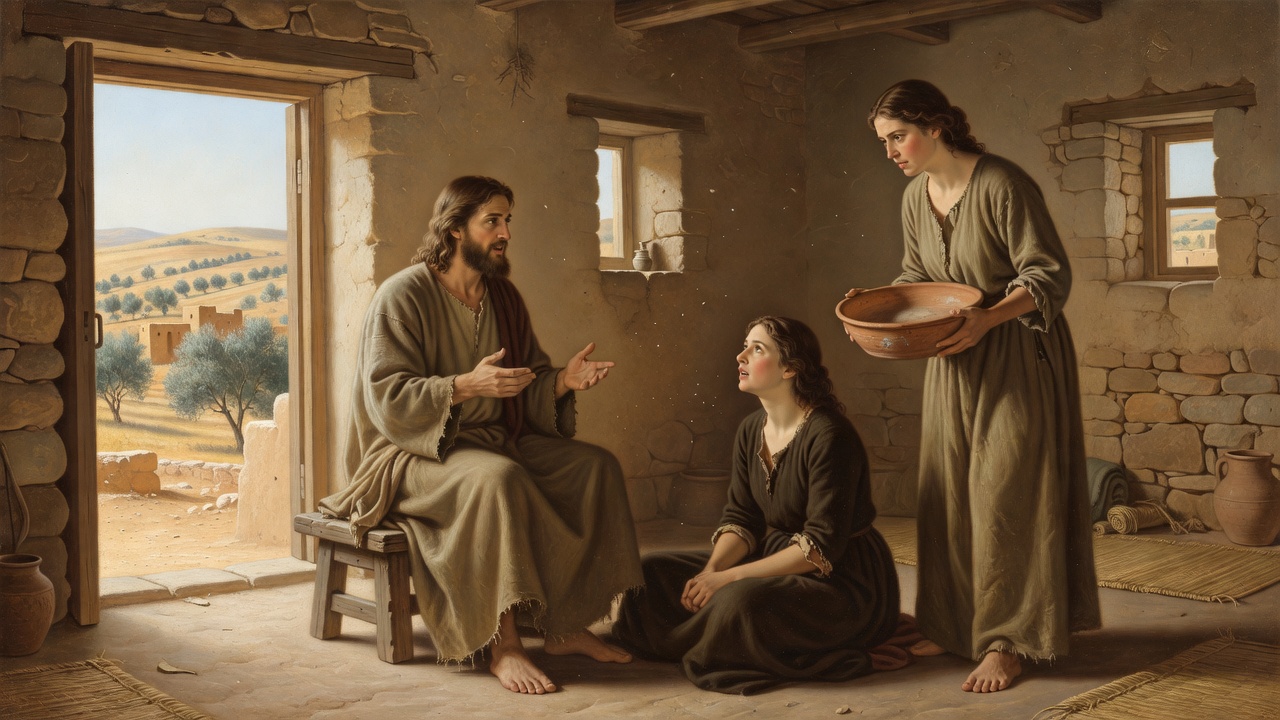
Conda e Jesús uwarajse e Marta y e María
38Pues entonces warto axana e Jesús tuaꞌ acꞌotoy tama e chinam Jerusalem, y tamar era cꞌotoy tama inteꞌ aldea tiaꞌ turu inteꞌ ixic xeꞌ ucꞌabꞌa Marta, y jaxir upejca e Jesús tuaꞌ oꞌchoy tama uyotot. 39Pues e Marta era ayan inteꞌ uwijtzꞌin xeꞌ ucꞌabꞌa María xeꞌ cꞌotoy turuan tuyejtzꞌer unuc uyoc e Jesús tuaꞌ uyubꞌi tunor uyojroner. 40Pero e Marta ma jabꞌar tuaꞌ uyubꞌi uyojroner e Jesús porque war ubꞌijnu tama tunor lo que war uche tama ucocina, y tamar era cꞌotoy tut e Jesús tuaꞌ aqꞌuecran y che:
—Niwinquiraret, ¿machi ca abꞌijnu tamaren que niwijtzꞌin war uyacten nibꞌajner tama e cocina? Tzacren chic niwijtzꞌin era tuaꞌ utacren, che e Marta.
41Pero che Cawinquirar:
—Marta, net war abꞌijnu meyra tama tunor e patnar lo que war ache tama e cocina y tamar era machi war icꞌay. 42Pero ayan lo que más ayan ucꞌampibꞌir tuaꞌ achempa, y jax lo que war uche e María era. Y tamar era machi tuaꞌ aloqꞌuesna tamar lo que war ubꞌijnu uche era, che e Jesús.
Did you know?
The mission, the towns, and Martha and Mary
- Easton's Bible Dictionary (1897) identifies Chorazin, named in this chapter's woes along with Bethsaida and Capernaum, with Kerazeh, about two and a half miles up the Wady Kerazeh from Capernaum. It says that after Jesus was expelled from Nazareth, Capernaum became his own city. The chapter compares those towns with Tyre and Sidon; the dictionary calls Sidon the first home of the Phoenicians on the coast of Palestine and the mother city of Tyre, about twenty-five miles north of Tyre.Sources: the Bible text itself · Chorazin · Capernaum · Sidon
- Easton's Bible Dictionary (1897) gives the name Martha as meaning bitterness, and says that she, her sister Mary, and their brother Lazarus lived at Bethany, with Martha probably the eldest. Because this passage calls the house hers, the dictionary notes that some have supposed she was a widow and that her brother and sister lodged with her. It describes her as anxious and bustling in caring for her guest, unlike Mary, who sat at Jesus' feet and listened.Sources: the Bible text itself · Martha · Mary (sister of Lazarus)
- The Lord appoints seventy-two others and sends them two by two ahead of him, and an event chronology dates that sending to AD 29. When they return, rejoicing that even the demons submit in his name, he says he saw Satan fall like lightning from heaven. Easton's Bible Dictionary (1897) explains the name Satan as adversary or accuser, and notes that the New Testament uses it interchangeably with the devil more than thirty times.Sources: the Bible text itself · 70 Sent Out · Satan
Notes written with AI assistance from open sources (Theographic Bible Metadata, CC BY-SA 4.0; Easton’s Bible Dictionary, public domain) and reviewed before publishing.
Places in this chapter
- Sidon · Today: Sandikli archaeological site in Sidon · 33.561, 35.372 · verses 13, 14
- Tyre · 33.271, 35.196 · verses 13, 14
- Jericho · Today: Tell el Alayiq · 31.852, 35.436 · verse 30
- Jerusalem · 31.777, 35.234 · verses 30, 38
Only places identified with high confidence are shown (90% or more according to the scholarly sources compiled by OpenBible). Period map: DARE (Digital Atlas of the Roman Empire), CC BY 4.0; modern map: © OpenStreetMap contributors; places: OpenBible.info (CC BY 4.0).
Credits and license for this translation
Uyojroner e Dios xeꞌ Tzꞌijbꞌabꞌir Tama e Onian Tiempo
The New Testament and Genesis, Ruth, Esther, and Jonah in the Chorti language of Guatemala
El Nuevo Testamento, Génesis, Rut, Ester y Jonás en Chortí, Guatemala
copyright © 1996, 2012, 2013, 2023 Wycliffe Bible Translators, Inc. and Evangel Bible Translators, International
Language: Chortí (Chorti)
Translation by: Evangel Bible Translators, International and Wycliffe Bible Translators
New Testament © 1996, 2012 Wycliffe Bible Translators, Inc.;
Old Testament © 2012, 2013, 2023 Evangel Bible Translators, International
This translation is made available to you under the terms of the
Creative Commons Attribution-Noncommercial-No Derivatives license 4.0.
You may share and redistribute this Bible translation or extracts from it in any format, provided that:
You include the above copyright and source information.
You do not sell this work for a profit.
You do not change any of the words or punctuation of the Scriptures.
Pictures included with Scriptures and other documents on this site are licensed just for use with those Scriptures and documents.
For other uses, please contact the respective copyright owners.
2023-08-23
Source: http://ebible.org/caa/ · eBible.org