Jonah 1
Uyojroner e Dios xeꞌ Tzꞌijbꞌabꞌir Tama e Onian Tiempo · Tap a verse to see its cross-references.
About this book
About Jonah
- Jonah, whose name means “a dove,” was the son of Amittai of Gath-hepher and a prophet of Israel. Easton's Bible Dictionary (1897) holds that he wrote the book himself. His ministry is placed very early in the reign of Jeroboam II: he was contemporary with Hosea and Amos, or possibly earlier, and so may have been the oldest of the prophets whose writings survive.Sources: Jonah · Amittai · Easton: Jonah, Book of
- The book professes to tell what actually happened to the prophet. Some critics have read it as a parable or allegory rather than history, because miracle is so prominent and the form is narrative rather than prophecy, or because they deny miracles altogether. Easton's Bible Dictionary (1897) instead treats it as history, attaching great weight to the mention of Jonah in Matthew 12:39-40 and Luke 11:29.Sources: Easton: Jonah, Book of
- Jonah was commissioned to go to Nineveh, described as a great and populous city and the flourishing capital of the Assyrian empire, but he sailed from Joppa, Judea's chief seaport, to flee toward Tarshish. Where Tarshish lay is disputed: some place it in the east, on the Indian coast, some identify it with Carthage, and Easton's dictionary takes it to be a Phoenician port in Spain.Sources: Easton: Jonah, Book of · Nineveh · Joppa · Tarshish
- Easton's outline has four movements: the divine commission, disobedience, and punishment; Jonah's prayer and deliverance; a second commission, the Ninevites' repentance, and God's sparing mercy; and Jonah's anger at that mercy, followed by a rebuke. The same dictionary notes that Nineveh was spared for more than a century after his mission.Sources: Easton: Jonah, Book of
- As a prophet of Israel, Jonah foretold the restoration of the kingdom's ancient borders. A biographical note presents him both as a missionary to Nineveh and as a type of the Son of man. The book of Nahum is taken up almost entirely with denunciations of that city, and Zephaniah also predicts its destruction.Sources: Jonah · Nineveh
Notes written with AI assistance from open sources (Theographic Bible Metadata, CC BY-SA 4.0; Easton’s Bible Dictionary, public domain) and reviewed before publishing.
Conda e Jonás locꞌoy ajni tut Cawinquirar Dios
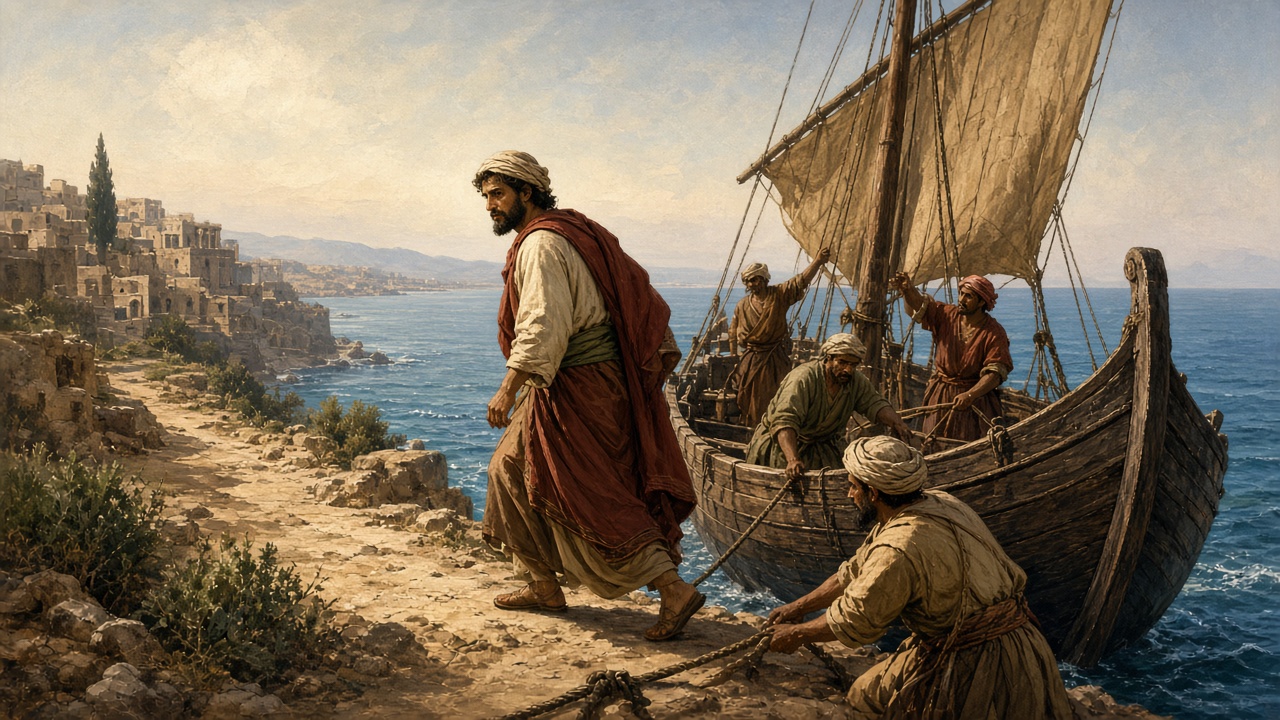
1Pues entonces Cawinquirar Dios uyare e Jonás xeꞌ jax uyunen e Amitay cocha era y che: 2“Pues achpen quiqui esto tama e nuxi chinam Nínive y checsun tut e gente yajaꞌ que nen cꞌani insati tunor uchinam, porque cꞌotoy umbꞌi esto tiaꞌ turen tara tut e qꞌuin que meyra mabꞌambꞌanir war uchiobꞌ,” che Cawinquirar Dios. Conda e Jonás cꞌani oꞌchoy tama inteꞌ barco. (Jonás 1:3)|alt="Jonah and the boat" src="co01407b.TIF" size="span" loc="Jonah 1:1-10" copy="David C. Cook" ref="JONAS 1:2"
3Pero e Jonás machi cꞌani uche lo que arobꞌna umen e Dios cocha machi war ucꞌani tuaꞌ acorpesnobꞌ tin e turobꞌ tama e chinam Nínive cocha mabꞌambꞌan uwirnarobꞌ. Y tamar era ubꞌijnu tuaꞌ alocꞌoy aꞌjni tut Cawinquirar Dios y tuaꞌ axin esto tama e chinam Tarsis xeꞌ aquetpa más innajt tut e chinam Nínive. Entonces ixin esto tama e chinam Jope xeꞌ turu tuyejtzꞌer e nuxi jaꞌ tiaꞌ ayan e sian barco xeꞌ axiobꞌ esto tama inteꞌ inteꞌ lugar. Y conda cꞌotoy e Jonás utajwi que ayan inteꞌ barco xeꞌ turix tuaꞌ alocꞌoy esto tama e lugar Tarsis. Entonces ixin utoyi uboleto y tꞌabꞌay ixin tama e barco. 4Pues entonces chꞌuwan ixin e barco tor e nuxi jaꞌ, conda wacchetaca Cawinquirar Dios uyebꞌta tari inteꞌ nuxi icꞌar xeꞌ jicna numuy tujor e nuxi jaꞌ, y cay cꞌaxi inteꞌ nuxi tormenta y e jaꞌ cay utꞌabꞌse e barco tichan y uyemse e barco ejmar otronyajr este que cꞌanix atajchpa e barco umener. 5Y tamar era tin e war apatnobꞌ tama e barco cay bꞌactobꞌ meyra, y cay ucꞌajtiobꞌ taca udiosobꞌ inteꞌ intiobꞌ, y cay utobꞌsiobꞌ ixin ta jaꞌ tunor lo que war uqꞌuechiobꞌ axin tama e barco tuaꞌ atzꞌupa ubꞌarir. Pero e Jonás yaꞌ turu tama usuy e barco war awayan y machi cꞌani abꞌixcꞌa. 6Y de allí e capitán xeꞌ jax xeꞌ aquetpa tujor e inmojr xeꞌ turobꞌ tama e barco ixin tiaꞌ turu e Jonás y ubꞌixqꞌues y che:
—¿Tucꞌa war ache tarex ajwaynijet? Achpen y cꞌajtin taca Adios. Bꞌajcꞌat axin ubꞌijnu tuaꞌ uyajta coit tuaꞌ machi cachamay tama e nuxi jaꞌ era, che e capitán.
7Pero tin war apatnobꞌ tama e barco cay uyare ubꞌobꞌ y chenobꞌ:
—Cachic suertiar tuaꞌ canata chi umen que war canumse cabꞌa cocha era, chenobꞌ.
Entonces cay uchiobꞌ suertiar y tujchꞌa que jax e Jonás que war uche unumse ubꞌobꞌ. 8Y de allí ixin uyareobꞌ e Jonás y chenobꞌ:
—Arenon, ¿tucꞌa tuaꞌ que war canumse cabꞌa cocha era? Y ¿tucꞌa patnar ache? Y ¿tiaꞌ ajlugaret? Y ¿tiaꞌ ajchinamet? Y ¿tin achꞌajnarir?, che e winicobꞌ era.
9Entonces ojron e Jonás y che:
—Pues nen chꞌajnariren tuaꞌ e Héber, y unjtzꞌi ut Niwinquirar Dios xeꞌ turu tut e qꞌuin y xeꞌ uche tunor e nuxi jaꞌ y xeꞌ uche tunor or e rum, che e Jonás.
10Entonces conda tin e apatnobꞌ tama e barco cꞌotoy unatobꞌ chi e Jonás y que war alocꞌoy aꞌjni tut Cawinquirar Dios sutpa uyubꞌiobꞌ tuaꞌ y chenobꞌ:
—¿Tucꞌa tuaꞌ que ache cocha era? chenobꞌ.
11Y cocha uwirobꞌ que war atobꞌoy más meyra e nuxi jaꞌ uyubꞌiobꞌ tuaꞌ e Jonás y chenobꞌ:
—¿Tucꞌa nic cachic tacaret tuaꞌ achꞌancabꞌa e nuxi jaꞌ? chenobꞌ.
12Entonces e Jonás sutpa ojron y che:
—Yarieniquen tama e nuxi jaꞌ y cꞌani achꞌancabꞌa. Pues war innata que nimener taca que war acꞌaxi e nuxi tormenta era, che e Jonás.
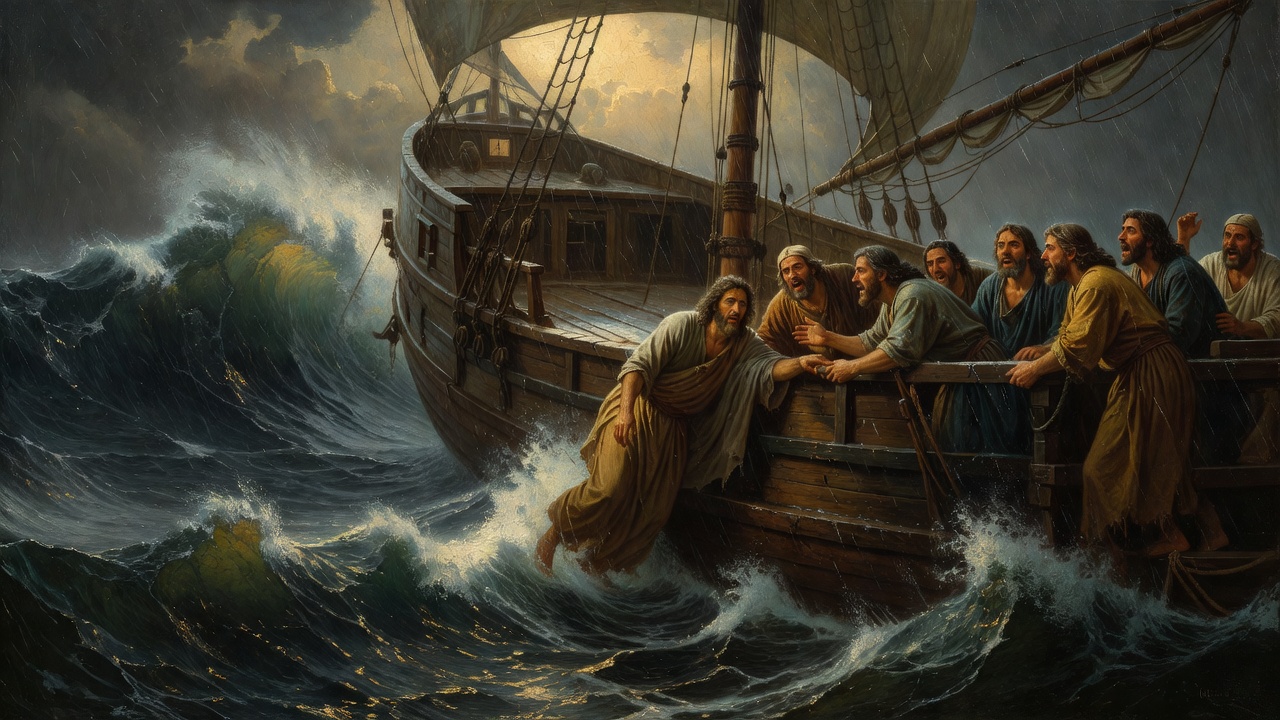
13Pero tin e war apatnobꞌ tama e barco machi cꞌani uꞌriobꞌ e Jonás tama e jaꞌ, y tamar era cay ujoqꞌuiobꞌ meyra e jaꞌ taca cora teꞌ lo que ucꞌampesobꞌ tuaꞌ utacsuobꞌ axin e barco tor e jaꞌ tuaꞌ uwirobꞌ jay uyubꞌi asutpa axiobꞌ esto tutiꞌ e nuxi jaꞌ otronyajr. Pero machi obꞌnobꞌ cocha e nuxi jaꞌ war atobꞌoy meyra y war utacsu axin e barco más bꞌana. 14Entonces e ajpatnarobꞌ tama e barco era cocha machi tacarnobꞌ conda ucꞌajtiobꞌ tacar udiosobꞌach, cay ucꞌajtiobꞌ taca Cawinquirar Dios y chenobꞌ: “Uwinquiret e Jonás era, ira achamsion umen que ucꞌani tuaꞌ coyri e Jonás tama e jaꞌ. Y jay jaxir matucꞌa war uche, ira ache acꞌaxi tama cajor non uchamer, porque net xeꞌ Uwinquiret e Jonás war ache bꞌan taca cocha war acꞌani”, che e ajpatnarobꞌ tama e barco.
15Entonces utobꞌsiobꞌ ixin e Jonás tama e jaꞌ, y wacchetaca chꞌancabꞌa e nuxi jaꞌ. 16Y bꞌactobꞌ meyra e ajpatnarobꞌ tama e barco conda uwirobꞌ que ayan meyra ucꞌotorer Cawinquirar Dios, cocha wacchetaca corpesnobꞌ umener. Entonces uchamsiobꞌ inteꞌ arac tut Cawinquirar Dios y uputobꞌ y cay uchecsu ubꞌobꞌ que cꞌani acay axanobꞌ tama ubꞌir e Dios.
17Pero Cawinquirar Dios ayanto lo que cꞌani uche taca e Jonás, y tamar era usicbꞌa inteꞌ nuxi chay tuaꞌ ubꞌuqꞌui e Jonás. Y jaxir quetpa tama unac e nuxi chay era uxteꞌ día y uxteꞌ acbꞌar. “Entonces utobꞌsiobꞌ ixin e Jonás tama e jaꞌ, y wacchetaca chꞌancabꞌa e nuxi jaꞌ.” (Jonás 1:15)|alt="Whale in water with men in boat" src="co01416b.TIF" size="span" loc="Jonah 1:15-17" copy="David C. Cook" ref="JONAS 1:17"
Did you know?
Jonah Flees from the Lord
- Jonah, the son of Amittai from Gath-hepher, is also recorded in 2 Kings 14:25 as a prophet active in the northern kingdom of Israel during the reign of Jeroboam II. God instructed him to travel east to Nineveh, the prominent and populous capital of the Assyrian empire, to preach against its wickedness.Sources: Jonah · Amittai · Nineveh · the Bible text itself
- Rather than traveling northeast overland to Nineveh, Jonah journeyed down to the Mediterranean seaport of Joppa to board a ship for Tarshish. Tarshish is traditionally identified as a Phoenician trading port located far to the west in southern Spain, representing the exact opposite direction.Sources: Joppa · Tarshish · the Bible text itself
- The sailors aboard the cargo ship came from polytheistic backgrounds, each calling out to his own deity during the violent tempest. After throwing the ship's cargo overboard to lighten the vessel, they turned to the ancient practice of casting lots to determine who was responsible for the calamity.Sources: the Bible text itself
Notes written with AI assistance from open sources (Theographic Bible Metadata, CC BY-SA 4.0; Easton’s Bible Dictionary, public domain) and reviewed before publishing.
Places in this chapter
Only places identified with high confidence are shown (90% or more according to the scholarly sources compiled by OpenBible). Period map: DARE (Digital Atlas of the Roman Empire), CC BY 4.0; modern map: © OpenStreetMap contributors; places: OpenBible.info (CC BY 4.0).
Credits and license for this translation
Uyojroner e Dios xeꞌ Tzꞌijbꞌabꞌir Tama e Onian Tiempo
The New Testament and Genesis, Ruth, Esther, and Jonah in the Chorti language of Guatemala
El Nuevo Testamento, Génesis, Rut, Ester y Jonás en Chortí, Guatemala
copyright © 1996, 2012, 2013, 2023 Wycliffe Bible Translators, Inc. and Evangel Bible Translators, International
Language: Chortí (Chorti)
Translation by: Evangel Bible Translators, International and Wycliffe Bible Translators
New Testament © 1996, 2012 Wycliffe Bible Translators, Inc.;
Old Testament © 2012, 2013, 2023 Evangel Bible Translators, International
This translation is made available to you under the terms of the
Creative Commons Attribution-Noncommercial-No Derivatives license 4.0.
You may share and redistribute this Bible translation or extracts from it in any format, provided that:
You include the above copyright and source information.
You do not sell this work for a profit.
You do not change any of the words or punctuation of the Scriptures.
Pictures included with Scriptures and other documents on this site are licensed just for use with those Scriptures and documents.
For other uses, please contact the respective copyright owners.
2023-08-23
Source: http://ebible.org/caa/ · eBible.org