Genesis 42
Uyojroner e Dios xeꞌ Tzꞌijbꞌabꞌir Tama e Onian Tiempo · Tap a verse to see its cross-references.
Conda ixiobꞌ usacunobꞌ e José esto tama e lugar Egipto
1Pues entonces checta inteꞌ nuxi winar tama tunor or e lugar Canaán, y conda e Jacob cꞌotoy unata que war achojna e trigo tama e lugar Egipto, uyare umaxtac y che: “¿Tucꞌa war iche tarex? Intaca turox war isati e tiempo. 2Pues nen arobꞌnen que achojnato e trigo tama e lugar Egipto. Pues era cꞌani intzacriox tuaꞌ ixixin imani e trigo tama e lugar yajaꞌ, y umen era machi tuaꞌ cachamay umen e winar”, che e Jacob.
3Entonces e diez usacunobꞌ e José ixiobꞌ esto tama e lugar Egipto tuaꞌ umaniobꞌ e trigo. 4Pero e Jacob machi uyacta tuaꞌ axin e Benjamín, xeꞌ jax uwijtzꞌin e José, cocha war ubꞌijnu que bꞌajcꞌat ayan lo que axin unumse ubꞌa xeꞌ intran bꞌan cocha cay unumse ubꞌa e José. 5Entonces umaxtac e Jacob ixiobꞌ taca e inmojr gente xeꞌ war axiobꞌ tuaꞌ umaniobꞌ e trigo ubꞌan.
6Pues tama e tiempo era e José warix acꞌotori tama e lugar Egipto, y jax jaxir xeꞌ war uchoni e trigo taca tunor e gente xeꞌ war acꞌotoyobꞌ tama inteꞌ inteꞌ lugar. Y conda cꞌotoyobꞌ usacunobꞌ tut jaxir, cotuanobꞌ este que utacbꞌu ut ujorobꞌ tut e rum. 7Y e José uwira que jax usacunobꞌ. Pero jaxir uche ubꞌa que machi unata chiobꞌ jaxirobꞌ, y tamar era uche ubꞌa que war aqꞌuijna conda uyubꞌi tuaꞌ usacunobꞌ y che:
—Y nox ¿tiaꞌ ajlugarox pue? che e José.
Entonces ojron inteꞌ tujam usacunobꞌ y che:
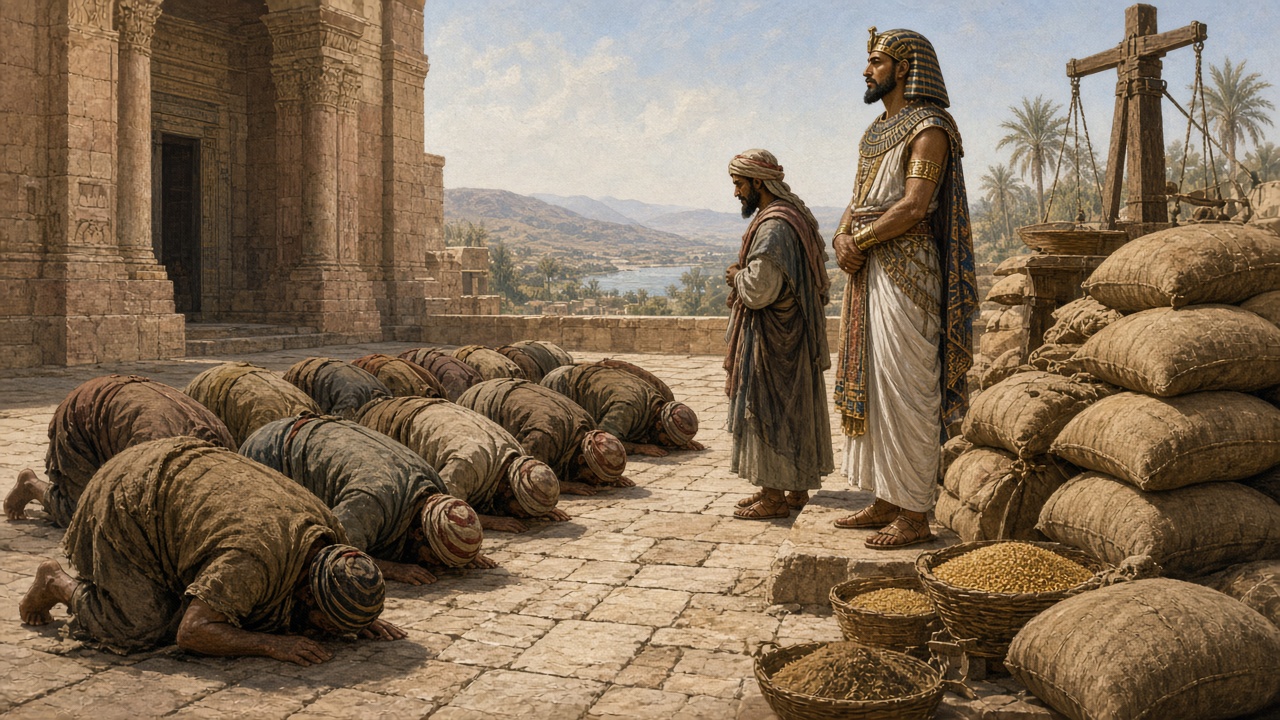
—Pues war waton tama e lugar Canaán tuaꞌ camani e trigo, chenobꞌ usacunobꞌ e José. “Y conda cꞌotoyobꞌ usacunobꞌ tut jaxir, cotuanobꞌ este que utacbꞌu ut ujorobꞌ tut e rum.” (Génesis 42:7)|alt="Josephꞌs brother kneeling before him." src="CO00730B.TIF" size="span" loc="Genesis 42:6-16" copy="David C. Cook" ref="Génesis 42.7"
8Pues e José uwira que jax usacunobꞌ, pero jaxirobꞌ machi war unatobꞌ jay jax uwijtzꞌinobꞌ. 9Y wacchetaca cꞌajpa umen e José e chateꞌ wayac lo que cay uwira tama inyajr, y tamar era cay ubꞌijnu tuaꞌ machi uchecsu ubꞌa tut usacunobꞌ rajxa era, y entonces uyare usacunobꞌ y che:
—Pues nox ebꞌetbꞌir tariox tuaꞌ iwira lo que ayan tara. Y war watox tuaꞌ iwira tucꞌa tucꞌa lugar xeꞌ matucꞌa e ajcojc tamar, che e José.
10Entonces ojronobꞌ usacunobꞌ y chenobꞌ:
—Cawinquiret, majax bꞌan cocha war abꞌijnu. Pues non tarion tuaꞌ taca camani e trigo. 11Pues tunoron maxtacon tuaꞌ intera taca tatabꞌir. Y jaxon cora winicon xeꞌ erachon. Y ma tiaꞌ tzacarnon ixion tuaꞌ cawira tucꞌa tucꞌa ayan tama otronteꞌ lugar, chenobꞌ usacunobꞌ e José.
12Y che e José:
—Majax erach lo que war iware. Nox war watox tuaꞌ iwira tucꞌa tucꞌa lugar xeꞌ machi uyubꞌion cacojco cabꞌa, che e José.
13Entonces ojron inteꞌ tujamobꞌ otronyajr y che:
—Majax bꞌan, cawinquiret. Ayanon doce tama e familia, y maxtacon tuaꞌ intera taca tatabꞌir, y caturuan tama e lugar Canaán. Y cawijtzꞌin xeꞌ cumix quetpa tacar catata, y ayan incojt xeꞌ chamay, chenobꞌ usacunobꞌ e José.
14Pero e José sutpa uyubꞌi tuobꞌ otronyajr y che:
—Bꞌan cocha war inwareox, que nox ebꞌetbꞌir tariox tuaꞌ iwira tucꞌa tucꞌa ayan tara. 15Pues cꞌani cawira jay erach lo que war iware. Cꞌani inwareox tama ucꞌabꞌa e rey que machi tuaꞌ ixlocꞌoy tama e lugar era este que watar iwijtzꞌin. 16Pues erer axin incojt tijam tuaꞌ utares iwijtzꞌin, pero e inmojr ucꞌani tuaꞌ aquetpobꞌ macbꞌirobꞌ tara tama e cárcel. Pues tamar era cꞌani cawira jay erach lo que war iware, y jay majax bꞌan, entonces chequer que ebꞌetbꞌir tariox tuaꞌ iwira tucꞌa tucꞌa ayan tama e lugar era. Pues war inwareox tunor era tama ucꞌabꞌa e rey, che José.
17Entonces tunorobꞌ yajrobꞌ tama e cárcel umen e José, y bꞌan taca quetpobꞌ tama uxteꞌ día. 18Pero tama e uxteꞌ día pejcnobꞌ umen e José y che:
—Pues nen umbꞌian tut e Dios, y ma cocha erer inwacta tuaꞌ inche lo que arobꞌnen umen e Dios tuaꞌ machi uyebꞌta watar inteꞌ jatzꞌuar tanior. Chenic cocha era y machi tuaꞌ ixchamesna. 19Jay erach lo que war iware, actanic incojt ipiar tara tama e cárcel, y e inmojr erer axiobꞌ tuaꞌ uqꞌuechiobꞌ axin e trigo tuaꞌ uwesiobꞌ e familia. 20Pero taresic wacchetaca iwijtzꞌin xeꞌ cumix, y tamar era cꞌani cawira jay erach lo que cay iware. Y jay majax bꞌan cocha cay iware, entonces ucꞌani tuaꞌ ixchamesna, che e José.
Pues jaxirobꞌ ubꞌijnuobꞌ que bueno y de allí ixin uchiobꞌ lo que arobꞌnobꞌ, 21y de allí cay uyare ubꞌobꞌ inteꞌ intiobꞌ y chenobꞌ:
—Pues non cꞌapa cache e mabꞌambꞌanir tacar cawijtzꞌin, y machi cacꞌubꞌse conda cay uyareon tuaꞌ cayajta ut motor que cawira que tzajtaca ut. Y tamar era war acꞌaxi e jatzꞌuar era tama cajor, chenobꞌ inteꞌ intiobꞌ.
22Entonces ojron e Rubén y che:
—Pues nen inwareoxto ani que ira iche e mabꞌambꞌanir taca e chꞌom sitz. Pero machi icꞌubꞌsen, y tamar era war catojma tama uchamer, che e Rubén.
23Pues jaxirobꞌ war oꞌjronobꞌ tama uyojronerobꞌach y tamar era uchebꞌiobꞌ que e José machi war uyubꞌi lo que war oꞌjronobꞌ, cocha e José war oꞌjron tama e ojroner tuaꞌ e gente tama e Egipto y ayan inteꞌ tujamobꞌ xeꞌ war uchecsu lo que war oꞌjronobꞌ. 24Y wacchetaca locꞌoy e José tuyejtzꞌerobꞌ usacunobꞌ cocha machi war ucꞌani tuaꞌ eꞌrna umenerobꞌ que jaxir war aꞌru. Y conda sutpa tiaꞌ turobꞌ usacunobꞌ cay ojron tacarobꞌ otronyajr, y de allí ulocse e Simeón y uyare tuaꞌ acajcha tut tunor usacunobꞌ y de allí uyare que erer axiobꞌ e inmojr. 25Y nacpat era uyare tuaꞌ abꞌujtꞌa ucostalobꞌ taca e trigo, y que ucꞌani tuaꞌ asujta utuminobꞌ inteꞌ intiobꞌ y que aturbꞌana macuir inteꞌ inteꞌ costal, y que ajcꞌunobꞌ lo que tuaꞌ ucꞌuxiobꞌ tama e bꞌir. Y bꞌan chempa. 26Entonces jaxirobꞌ cay utꞌabꞌsiobꞌ e trigo tama upat uchijobꞌ, y locꞌoyobꞌ tama e lugar yajaꞌ.
27Pues conda cꞌotoyobꞌ tama e lugar tiaꞌ tuaꞌ unumsiobꞌ e acbꞌar, incojt tujamobꞌ ubꞌani ucostal tuaꞌ ulocse lo que cꞌani uyajcꞌu tuaꞌ ucꞌuxi uchij, y uwira que yaꞌ chꞌar utumin tama utiꞌ ucostal. 28Entonces uyare usacunobꞌ y che:
—Iranic, sujta nitumin. Chꞌar era tama nicostal, che incojt tujamobꞌ.
Pues tunorobꞌ bꞌactobꞌ meyra, y cay chinchobꞌ umen e bꞌajcꞌut, y cay uyare ubꞌobꞌ inteꞌ intiobꞌ y chenobꞌ:
—¿Tucꞌa war uche e Dios tacaron? chenobꞌ.
29Y conda cꞌotoyobꞌ tama e lugar Canaán, cay uchecsuobꞌ taca utatobꞌ xeꞌ jax e Jacob tunor lo que numuy tacarobꞌ, y uyareobꞌ cocha era y che:
30—Pues e winic xeꞌ war acꞌotori tama e lugar yajaꞌ war aqꞌuijna conda upejcon y uyareon que ebꞌetbꞌir ixion tuaꞌ cawira tin tin xeꞌ más injayjay tama ulugar. 31Pero non caware que non cora winicon xeꞌ erachon, y que mato inyajr catzacarna caxin tuaꞌ cawira tucꞌa tucꞌa ayan tama otronteꞌ lugar. 32Y caware que ayan doce uyunen tama cafamilia y que intera taca catata; pero que ayan incojt xeꞌ chamay, y ayan inteꞌ ijtzꞌimbꞌir xeꞌ quetpa taca utata tama e lugar Canaán. 33Y de allí jaxir uyareon y che: ‘Tacar era cꞌani inwira jay erach lo que war iware. Actanic tara tacaren incojt tama ipiar, y nox erer ixixin tuaꞌ iqꞌueche axin imbꞌijc e trigo tama ifamilia, 34pero taresic iwijtzꞌin conda watox otronyajr. Y bꞌan cocha era erer incꞌotoy innata jay erachox y jay majax ebꞌetbꞌir tariox tuaꞌ iwira tucꞌa tucꞌa ayan tama e lugar era. Entonces conda asutpa watox otronyajr erer inwacta alocꞌoy inteꞌ xeꞌ war aquetpa tama e cárcel, y de allí nox tuaꞌ uyubꞌiox ixyopa ixchonma tama e lugar era inyajr inyajr cocha icꞌani, che e winic uyareon,’ chenobꞌ usacunobꞌ e José.
35Entonces conda cay uyojyobꞌ e trigo tut e rum, bꞌactobꞌ meyra conda uwirobꞌ que ayan e tumin tama inteꞌ inteꞌ costal bꞌan cocha utoyobꞌ tama e trigo era, y bꞌacta utata ubꞌan. 36Entonces ojron e Jacob y che:
—Nox cꞌani iwacten nibꞌajner inyajrer cocha war iche asatpa nimaxtac axin. Pues e José machix turu tacaron, y machix turu e Simeón cocha turu tama e cárcel tama e lugar Egipto, y coner cꞌani iqꞌueche axin e Benjamín najtir taniut ubꞌan. Pues tunor era war aquetpa intran taniut, che e Jacob.
37Entonces e Rubén ojron taca utata y che:
—Actan axin e Benjamín tacaren, y nen tuaꞌ incojco. Y nen ubꞌan tuaꞌ insutpa intares toit otronyajr. Y jay machi asutpa intares otronyajr, erer achamse e chateꞌ nimaxtac, che e Rubén.
38Entonces ojron e Jacob y che:
—Pues ma cocha erer axin nisitz tacarox. Porque e José xeꞌ jax usacun chamenix, y tama e chateꞌ uyar e Raquel jax taca e Benjamín xeꞌ turuto tacaren. Y jay ayan lo que axin unumse ubꞌa xeꞌ imbꞌacꞌajr uwirnar tama ixambꞌar, nen xeꞌ onian winiquenix tuaꞌ inchamay umen e tzꞌintzꞌar y tama ijor nox tuaꞌ acꞌaxi e culpa tama nichamer, che e Jacob.
Did you know?
The Brothers Come to Egypt for Grain
- Jacob heard that there was grain in Egypt, the land of the Nile, and sent ten of his sons from Canaan to buy some so the family would not die in the famine. The seven-year famine is dated to a beginning in 1707 BC, and the brothers' journey to Egypt to 1706 BC.Sources: the Bible text itself · Egypt · 7 years of famine · Joseph's brothers go to Egypt
- Joseph, ruler of the land and the one who sold grain to its people, recognized his brothers when they bowed before him, but they did not recognize him. An interpreter stood between them, so they did not realize that he understood what they said. He turned away and wept, then had Simeon, Jacob's second son by Leah, bound before their eyes and held as a hostage.Sources: the Bible text itself · Simeon
- Benjamin, the younger son of Jacob and Rachel, stayed behind with his father; Joseph was Rachel's elder son, and Jacob believed that brother was already dead. Jacob refused to let Benjamin go down to Egypt, saying that harm to him would bring his gray hair down to Sheol in sorrow. Reuben, the eldest son of Jacob and Leah, who had earlier saved Joseph when the other brothers would have put him to death, pledged his own life and the lives of his two sons if he failed to bring Benjamin back.Sources: the Bible text itself · Benjamin (patriarch) · Joseph (son of Jacob) · Reuben
Notes written with AI assistance from open sources (Theographic Bible Metadata, CC BY-SA 4.0; Easton’s Bible Dictionary, public domain) and reviewed before publishing.
Places in this chapter
Only places identified with high confidence are shown (90% or more according to the scholarly sources compiled by OpenBible). Period map: DARE (Digital Atlas of the Roman Empire), CC BY 4.0; modern map: © OpenStreetMap contributors; places: OpenBible.info (CC BY 4.0).
Credits and license for this translation
Uyojroner e Dios xeꞌ Tzꞌijbꞌabꞌir Tama e Onian Tiempo
The New Testament and Genesis, Ruth, Esther, and Jonah in the Chorti language of Guatemala
El Nuevo Testamento, Génesis, Rut, Ester y Jonás en Chortí, Guatemala
copyright © 1996, 2012, 2013, 2023 Wycliffe Bible Translators, Inc. and Evangel Bible Translators, International
Language: Chortí (Chorti)
Translation by: Evangel Bible Translators, International and Wycliffe Bible Translators
New Testament © 1996, 2012 Wycliffe Bible Translators, Inc.;
Old Testament © 2012, 2013, 2023 Evangel Bible Translators, International
This translation is made available to you under the terms of the
Creative Commons Attribution-Noncommercial-No Derivatives license 4.0.
You may share and redistribute this Bible translation or extracts from it in any format, provided that:
You include the above copyright and source information.
You do not sell this work for a profit.
You do not change any of the words or punctuation of the Scriptures.
Pictures included with Scriptures and other documents on this site are licensed just for use with those Scriptures and documents.
For other uses, please contact the respective copyright owners.
2023-08-23
Source: http://ebible.org/caa/ · eBible.org