Genesis 29
Uyojroner e Dios xeꞌ Tzꞌijbꞌabꞌir Tama e Onian Tiempo · Tap a verse to see its cross-references.
Conda e Jacob cꞌotoy tama e chinam Harán
1Pues entonces e Jacob cayto xana ixin y cꞌotoy esto tama e lugar xeꞌ aquetpa tama e lado tiaꞌ atobꞌoy watar e qꞌuin.
2Y conda cꞌotoy tuyejtzꞌer e chinam Harán, uwira que ayan inteꞌ chꞌen xeꞌ bꞌutꞌur taca e jaꞌ tama inteꞌ uyoc chor, y que tuyejtzꞌer e chꞌen era ayan uxteꞌ grupo oveja war ajiriobꞌ. Pues jax e lugar era tiaꞌ cꞌotesnobꞌ e sian aracꞌobꞌ tuaꞌ uyuchꞌiobꞌ e jaꞌ lo que ayan tama e chꞌen. Pero tama utiꞌ e chꞌen ayan ingojr nuxi tun xeꞌ cꞌatar tamar. 3Y tama inteꞌ inteꞌ día conda tunor e sian oveja acꞌapa umorojse ubꞌobꞌ tut e chꞌen, tin e ajcojcobꞌ oveja ulocsiobꞌ e nuxi tun lo que ayan tutiꞌ e chꞌen tuaꞌ uyubꞌi ulocsiobꞌ e jaꞌ tuaꞌ uyajcꞌobꞌ e sian oveja. Y conda acꞌapa uyuchꞌiobꞌ e jaꞌ, e ajcojcobꞌ asutpa umaquiobꞌ e chꞌen otronyajr. 4Entonces tama e día era e Jacob uyubꞌi tuaꞌ e ajcojcobꞌ oveja y che:
—¿Tiaꞌ ajlugarox nox? che e Jacob. Entonces ojronobꞌ e ajcojcobꞌ oveja y chenobꞌ:
—Pues non ajlugaron tama e chinam Harán, chenobꞌ.
5Entonces ojron e Jacob y che:
—Y ¿war ca inata nox chi e Labán xeꞌ unembꞌir tuaꞌ e Nahor? che e Jacob. Entonces jaxirobꞌ chenobꞌ:
—Canata ixto yaꞌ, chenobꞌ. Y che e Jacob:
6—¿Bueno ca turu? che e Jacob.
Entonces e ajcojcobꞌ oveja chenobꞌ:
—Pues bueno turu. Chꞌujcun awira que tara watar uwijchꞌoc e Labán xeꞌ ucꞌabꞌa Raquel taca uyovejobꞌ, chenobꞌ e ajcojcobꞌ oveja.
7Entonces ojron e Jacob y che:
—Pero era mato jax e hora tuaꞌ camaqui e sian oveja tama umactiobꞌ. ¿Tucꞌa tuaꞌ que machi intaca iwajcꞌu e jaꞌ tuaꞌ uyuchꞌiobꞌ rajxa era, y de allí erer iqꞌueche axin e aracꞌobꞌ esto tiaꞌ ayan e cꞌopot tuaꞌ upojrobꞌ tucꞌa tuaꞌ ucꞌuxiobꞌ? che e Jacob.
8Pero jaxirobꞌ ojronobꞌ y chenobꞌ:
—Machi uyubꞌion cache cocha era. Porque ucꞌani tuaꞌ cacojco este que acꞌapa amorojsena tunor e sian oveja umen uyajcojcobꞌ, y de allí erer calocse e tun tama utiꞌ chꞌen tuaꞌ cawajcꞌu e jaꞌ e sian oveja, chenobꞌ e ajcojcobꞌ.
9Y warto ojron e Jacob taca e ajcojcobꞌ era conda e Raquel cꞌotoy taca e sian oveja xeꞌ tuaꞌ utata, cocha jax jaxir xeꞌ aquetpa tuaꞌ ucojco. 10Y conda e Jacob uwira que jax e Raquel xeꞌ war acꞌotoy taca e sian oveja tuaꞌ umamaꞌ Labán, tzay meyra y ixin ulocse e tun wacchetaca lo que cꞌatar tutiꞌ e chꞌen, y cay uyajcꞌu e jaꞌ e sian oveja. 11Y de allí e Jacob ixin tut e Raquel y utzꞌujtzꞌi ucajram y cay uqꞌui umen e tzayer. 12Y de allí e Jacob cay uchecsu que jaxir jax uyar e Rebeca y que e Labán jax umamaꞌ. Y entonces e Raquel ajni ixin wacchetaca tuaꞌ uchecsu tunor era tut utata.
13Y conda e Labán cꞌapa uyubꞌi tunor era y que yaꞌ turu e Jacob xeꞌ jax uyar usacun, locꞌoy ajner tuaꞌ axin utajwi, y umori umeqꞌue y utzꞌujtzꞌi ucajram, y de allí uqꞌueche ixin esto tuyotot. Y entonces e Jacob cay uchecsu tunor lo que numuy tacar tut tin e turobꞌ tama e otot. 14Entonces ojron e Labán y che: “Pues erach ixto que net familiet tacaren”, che e Labán.
Conda e Jacob quetpa tuaꞌ apatna tuaꞌ uyubꞌi anujbꞌi taca e Raquel
Entonces e Jacob quetpa inteꞌ mes tama uyotot e Labán war atacarsan. 15Y conda cꞌapa e mes era ojron e Labán taca e Jacob y che:
—Ma cocha erer ipatna tanibꞌa bꞌan taca umen que familion, sino que ucꞌani tuaꞌ itoytzꞌa tama apatnar. Arenen cobꞌa ucꞌani tuaꞌ intoyet, che e Labán uyare e Jacob.
16Pues e Labán ayan chateꞌ uwijchꞌoctac. E yaxar ijchꞌoc ucꞌabꞌa Lea y e ijtzꞌimbꞌir ucꞌabꞌa Raquel. 17Pues e Lea galan unacꞌut, pero e Raquel más galan ustabꞌir tunor uwirnar. 18Y cocha e Jacob chꞌabꞌna uyalma umen e Raquel, ojron cocha era y che:
—Pues nen cꞌani impatna siete año tabꞌa tuaꞌ uyubꞌien innujbꞌi taca awijchꞌoc Raquel xeꞌ jax e ijtzꞌimbꞌir, che e Jacob uyare e Labán.
19Entonces ojron e Labán y che:
—Pues más ani bueno tuaꞌ inwajqꞌuet niwijchꞌoc tuaꞌ machi inwajcꞌu inteꞌ ajnajtir winic. Quetpento tacaren, che e Labán uyare e Jacob.
20Y bꞌan cocha era e Jacob patna siete año tuaꞌ uyubꞌi anujbꞌi taca e Raquel, pero tut jaxir majax meyra tiempo cocha war uyajta ut meyra e Raquel. 21Y conda tzꞌacta e siete año e Jacob ixin uyare e Labán cocha era y che:
—Ajcꞌunen ixto yaꞌ e Raquel tuaꞌ innujbꞌi tacar, porque tzꞌactix e tiempo lo que quetpa tuaꞌ impatna tamar, che e Jacob uyare e Labán.
22Entonces e Labán upejca tunor e gente xeꞌ turobꞌ tama e lugar era tuaꞌ aturuanobꞌ tama e nuxi nojqꞌuin lo que cꞌani uche tama e nujbꞌiar. 23Pero conda acbꞌare y cꞌapix e nojqꞌuin e Labán uqꞌueche ixin e Lea y majax e Raquel tuaꞌ uyajcꞌu e Jacob. Y cocha incsibꞌan e Jacob machi unata jay majax e Raquel era, y ixin wayan taca e Lea. 24Y e Lea ayix inteꞌ uman ubꞌan xeꞌ ajcꞌuna umen utata xeꞌ ucꞌabꞌa Zilpa. 25Entonces conda sacojpa e Jacob sutpa uwira ut uwixcar y uwira que jax e Lea xeꞌ wayan tacar y majax e Raquel. Entonces qꞌuijna y achpa wacchetaca tuaꞌ axin oꞌjron taca upixam y che:
—¿Tucꞌa tuaꞌ ache cocha era tacaren? Patnen meyra tiempo tacaret tuaꞌ innujbꞌi taca e Raquel. Y sacojpa sajmi inwira que jax e Lea xeꞌ turu taniwejtzꞌer y majax e Raquel. ¿Tucꞌa tuaꞌ que ixiet amajresen? che e Jacob uyare upixam war aqꞌuijna.
26Entonces ojron e Labán y che:
—Pues tama e lugar tara machi tuaꞌ anujbꞌi e ijtzꞌimbꞌir bꞌajxan que e sacumbꞌir. 27Pero jay net turetix tuaꞌ ipatna otro siete año tanibꞌa tuaꞌ itojma tama e Raquel, bueno. Pero ucꞌani tuaꞌ atzayres e Lea tama tunor e semana era tama e nujbꞌiar, y de allí erer cawajqꞌuet e Raquel ubꞌan tuaꞌ inujbꞌi tacar, che e Labán uyare e Jacob.
28Entonces e Jacob quetpa de acuerdo taca upixam tuaꞌ apatna otro siete año tacar tuaꞌ uyubꞌi anujbꞌi taca e Raquel. Entonces conda tzꞌacta e semana era tama e nojqꞌuin tama e nujbꞌiar taca e Lea, e Labán uyajcꞌu e Raquel tuaꞌ aquetpa uwixcar e Jacob. 29Y e Raquel ajcꞌuna ubꞌan inteꞌ uman xeꞌ ucꞌabꞌa Bilhá umen utata. 30Y e Jacob ixin wayan taca e Raquel, y cay uchojres ut más meyra que e Lea, motor que quetpato tuaꞌ apatna otro siete año taca e Labán tuaꞌ atojma.
Uyunenobꞌ e Jacob
31Pues entonces conda Cawinquirar Dios uwira que e Jacob war uyajta ut más e Raquel que e Lea, uche tuaꞌ achꞌijrtesian e Lea. Pero machi actana tuaꞌ achꞌijrtesian e Raquel. 32Y e Lea quetpa wawan taca uyar y qꞌuechuan incojt usitz, y uturbꞌa ucꞌabꞌa Rubén. Pues uyubꞌnar e ojroner Rubén lar tacar e ojroner hebreo xeꞌ war che: “Chꞌujcun awira que ayan nisitz.” Y de allí ojron e Lea y che: “Niwinquirar Dios uwira que tzajtaca niut. Y coner que ayan niwar, niviejo axin ixto uyajta niut yaꞌ”, che e Lea.
33Y de allí e Lea sutpa qꞌuechuan otronteꞌ uyar, y uturbꞌa ucꞌabꞌa Simeón xeꞌ war che “Ayan tin e uyubꞌi ninuc.” Entonces ojron y che: “Niwinquirar Dios uyubꞌi que war axejbꞌna niut, y tamar era uyajqꞌuen otronteꞌ niwar”, che e Lea.
34Y sutpa qꞌuechuan otronteꞌ uyar y uturbꞌa ucꞌabꞌa Leví xeꞌ war che “Inmejcꞌa”, y tamar era ojron cocha era y che: “Coner más axin umeqꞌuen niviejo umen que ayix uxteꞌ umaxtac tacaren”, che e Lea.
35Entonces e Lea qꞌuechuan otronteꞌ uyar, y uturbꞌa ucꞌabꞌa Judá xeꞌ war che “Tattzꞌarsiaj”. Y ojron y che: “Pues coner cꞌani intattzꞌi ucꞌabꞌa Niwinquirar Dios”, che e Lea. Y nacpat era machix chꞌijrtesian más.
Did you know?
Jacob’s Marriages in Haran
- Jacob fled to Haran, where his uncle Laban lived, in the land of the people of the east. The city, also called the city of Nahor and identified with Harran, stood on the Belik, a tributary of the Euphrates, about seventy miles above the Belik’s junction with that river, in Upper Mesopotamia. Laban was the son of Bethuel and the grandson of Nahor, Abraham’s brother; Laban’s sister Rebekah was Isaac’s wife.Sources: Haran · Laban · Nahor (brother of Abraham) · the Bible text itself
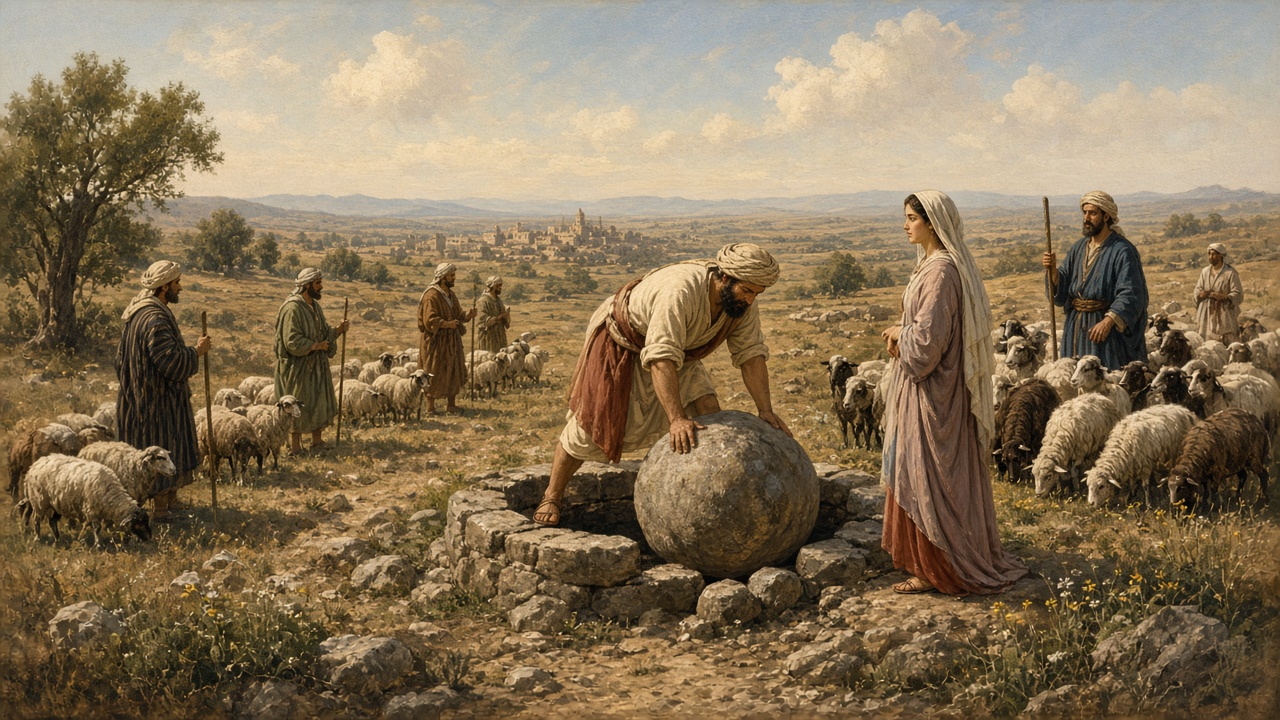
- The well was closed by a large stone that the shepherds rolled away only after all the flocks had gathered, then put back in place. Rachel, whose name is given as “ewe,” was a shepherdess bringing her father’s sheep, and Jacob, who had himself lived as a shepherd, moved the stone and watered his uncle’s flock.Sources: Rachel · Jacob (Israel) · the Bible text itself
- Leah, the elder sister, is called “weary,” and she is described as weak-eyed, or tender-eyed; Rachel, the younger, was shapely and beautiful. Jacob served seven years for Rachel, but at the evening feast Laban gave him Leah, saying it was not the custom there to give the younger daughter in marriage before the older, and then gave him Rachel for another seven years—fourteen in all. Leah’s first sons were Reuben, whose name is given as “Behold a son,” and then Simeon, Levi, and Judah; in naming them she spoke of the LORD seeing her affliction, hearing that she was unloved, her husband becoming attached to her, and her praise of the LORD.Sources: Leah · Rachel · Reuben · the Bible text itself
Notes written with AI assistance from open sources (Theographic Bible Metadata, CC BY-SA 4.0; Easton’s Bible Dictionary, public domain) and reviewed before publishing.
Places in this chapter
- East · Today: region around Amman · 31.955, 35.934 · verse 1
- Haran · Today: Harran · 36.864, 39.033 · verse 4
Only places identified with high confidence are shown (90% or more according to the scholarly sources compiled by OpenBible). Period map: DARE (Digital Atlas of the Roman Empire), CC BY 4.0; modern map: © OpenStreetMap contributors; places: OpenBible.info (CC BY 4.0).
Credits and license for this translation
Uyojroner e Dios xeꞌ Tzꞌijbꞌabꞌir Tama e Onian Tiempo
The New Testament and Genesis, Ruth, Esther, and Jonah in the Chorti language of Guatemala
El Nuevo Testamento, Génesis, Rut, Ester y Jonás en Chortí, Guatemala
copyright © 1996, 2012, 2013, 2023 Wycliffe Bible Translators, Inc. and Evangel Bible Translators, International
Language: Chortí (Chorti)
Translation by: Evangel Bible Translators, International and Wycliffe Bible Translators
New Testament © 1996, 2012 Wycliffe Bible Translators, Inc.;
Old Testament © 2012, 2013, 2023 Evangel Bible Translators, International
This translation is made available to you under the terms of the
Creative Commons Attribution-Noncommercial-No Derivatives license 4.0.
You may share and redistribute this Bible translation or extracts from it in any format, provided that:
You include the above copyright and source information.
You do not sell this work for a profit.
You do not change any of the words or punctuation of the Scriptures.
Pictures included with Scriptures and other documents on this site are licensed just for use with those Scriptures and documents.
For other uses, please contact the respective copyright owners.
2023-08-23
Source: http://ebible.org/caa/ · eBible.org