Genesis 26
Uyojroner e Dios xeꞌ Tzꞌijbꞌabꞌir Tama e Onian Tiempo · Tap a verse to see its cross-references.
Conda e Isaac umajres e rey Abimelec
1Entonces conda numuy cora tiempo checta inteꞌ nuxi verano tama tunor or e lugar Canaán tiaꞌ turu e Isaac, y matucꞌa e cosecha. Y tamar era checta inteꞌ nuxi winar bꞌan cocha numuy conda turuto e Abraham. Y tamar era ixin e Isaac taca tunor ufamilia esto tama e chinam Guerar tiaꞌ war acꞌotori e Abimelec tujor tin e tuobꞌ uchꞌajnarir e Filisti. Pero warto ubꞌijnu tuaꞌ axin esto tama e lugar Egipto. 2Pero conda turuto tama e chinam Guerar Cawinquirar Dios uchectes ubꞌa tut e Isaac y uyare cocha era y che: “Pues ira iꞌxin esto tama e lugar Egipto, sino que quetpen tama e lugar tiaꞌ cꞌani inwaret tuaꞌ iquetpa. 3Y quetpen tama e lugar era, y nen cꞌani inquetpa tacaret y cꞌani inchojbꞌeset, porque cꞌani inwajcꞌu tunor e sian lugarobꞌ era achꞌajnarir. Y bꞌan cocha era cꞌani acꞌapa inche tunor bꞌan taca cocha cay inware atata Abraham que bꞌan tuaꞌ inche tama e pacto lo que cay inche tacar. 4Y cꞌani inche abꞌoro axin tunor achꞌajnarir este que aquetpobꞌ bꞌan cocha e sian lucero lo que ayan tichan tut e qꞌuin, y cꞌani inwajcꞌuobꞌ tunor e sian lugarobꞌ era. Y cꞌani incꞌampes achꞌajnarir tuaꞌ aquetpobꞌ inteꞌ nuxi chojbꞌesiaj tut tunor e sian gente lo que ayan tama tunor or e rum. 5Y bꞌan tuaꞌ inche umen que e Abraham cꞌapa ubꞌian taniut y cꞌapa uche tunor lo que inware tuaꞌ uche, y cꞌubꞌseyan tut tunor niwojroner”, che Cawinquirar Dios uyare e Isaac.
6Entonces e Isaac quetpa tama e chinam Guerar era taca uwixcar y uyunenobꞌ. 7Y conda e gente xeꞌ ajlugarobꞌ yajaꞌ cay uyubꞌiobꞌ tuaꞌ e Isaac que tucꞌa ubꞌa taca e Rebeca, jaxir uyare que jax uwijtan cocha ayan meyra ubꞌajcꞌut que erer achamesna jay acꞌotoy unatobꞌ e gente era que e Rebeca jax uwixcar, cocha jaxir galan uwirnar. Pero jay ubꞌijnuobꞌ e winicobꞌ que e Rebeca jax uwijtan machi ani tuaꞌ ubꞌijnuobꞌ tuaꞌ uchamse e Isaac tuaꞌ uyubꞌiobꞌ uchꞌamiobꞌ e Rebeca.
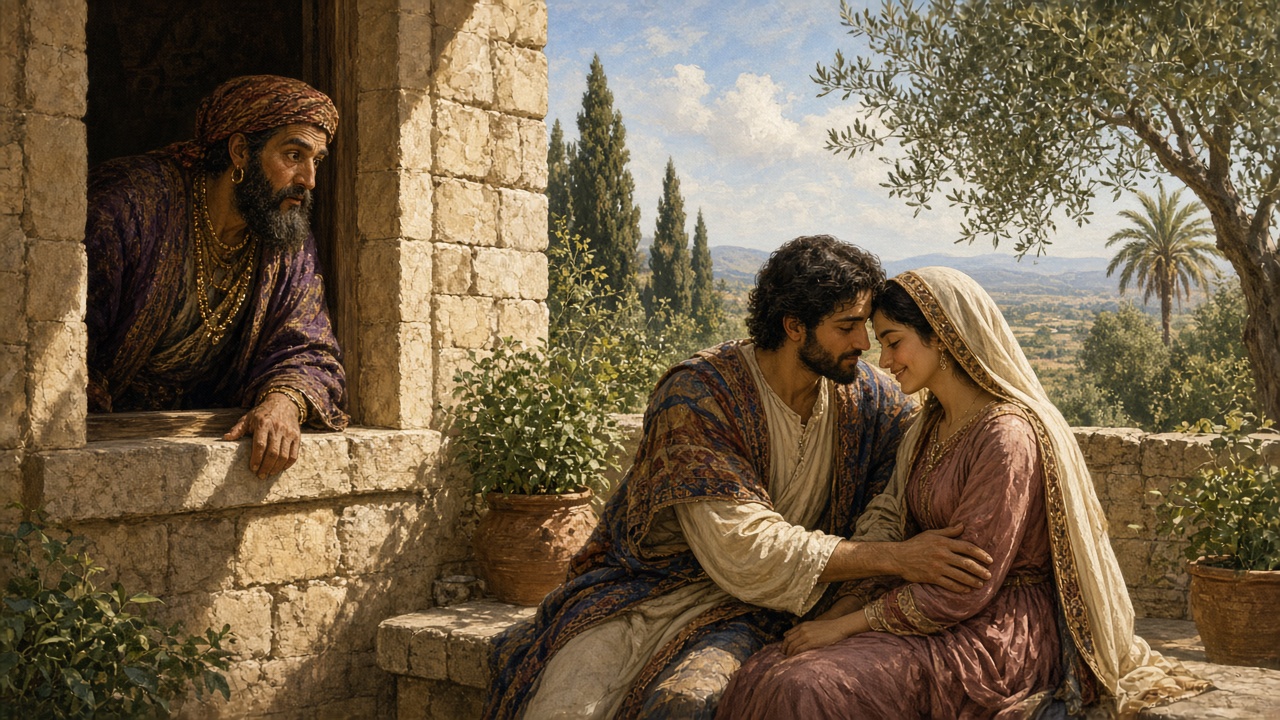
8Pero conda numuy cora tiempo ayan inteꞌ día conda e Abimelec war achꞌujcsan tama e ventana tama uyotot xeꞌ más nojta tichan y uwira que e Isaac war umeqꞌue ubꞌobꞌ taca e Rebeca. 9Entonces e Abimelec uyare tuaꞌ apejcna e Isaac, y conda cꞌotoy tut, cay ojron e Abimelec y che:
—Pues e Rebeca jax ixto awixcar. Entonces ¿tucꞌa tuaꞌ que aware que jaxir jax awijtan? che e Abimelec. Entonces ojron e Isaac y che:
—Pues nen cay imbꞌijnu que bꞌajcꞌat axin inchamesna umen e winicobꞌ tara tuaꞌ uyubꞌiobꞌ uqꞌueche axin e Rebeca jay unatobꞌ ani que jaxir jax niwixcar, che e Isaac.
10Entonces ojron e Abimelec y che:
—¿Tucꞌa tuaꞌ que ache cocha era tacaron? Porque bꞌajcꞌat inteꞌ winic ticajam ixin ani tuaꞌ awayan taca awixcar, y tamar era war ani ache acꞌaxi inteꞌ nuxi mabꞌambꞌanir ticajor, che e Abimelec.
11Entonces e Abimelec uyare tunor e winicobꞌ tama ulugar y che:
—Mamajchi tuaꞌ uche unumse ubꞌa e winic era o uwixcar. Pero jay ayan tin e bꞌan uche, ucꞌani tuaꞌ achamesna, che e Abimelec.
12Entonces tama e año era e Isaac cay uche e pacmar y locꞌoy meyra sian cosecha este que uchꞌami cien ut tama inteꞌ ut semilla lo que upaqꞌui, y bꞌan numuy umen que chojbꞌesna meyra umen Cawinquirar Dios. 13Y tamar era cꞌotoy quetpa que ayan meyra lo que ayan tuaꞌ e Isaac y cay bꞌoro ixin. 14Y cay utꞌoxi meyra oveja y meyra wacax y meyra chivo, y ayan meyra sian manobꞌ ubꞌan, y tamar era tin e tuobꞌ uchꞌajnarir e Filisti cay cꞌuxnaqꞌuiobꞌ uwirobꞌ ut e Isaac. 15Y tamar era cay umaquiobꞌ tunor ut e jaꞌ lo que cay upajniobꞌ umanobꞌ e Abraham ixnix e tiempo y ubꞌutꞌiobꞌ e rum tamar. 16Entonces e Abimelec uyare e Isaac y che:
—Loqꞌuen tama e lugar era, porque net ayan meyra lo que ayan tabꞌa y cꞌotoy quetpet que net ayan más acꞌotorer que non, che e Abimelec uyare Isaac.
17Entonces locꞌoy e Isaac tama e lugar era y ixin turuan najtir e chinam Guerar, y yajaꞌ taca ujachiobꞌ uyototobꞌ xeꞌ chembꞌir taca e bꞌujc. 18Y de allí sutpa upajni meyra sian chꞌen xeꞌ pambꞌir ixnix e tiempo umen utata xeꞌ jax e Abraham tiaꞌ umorojse ubꞌa e jaꞌ conda acꞌaxi e jajar. Pues tin e tuobꞌ uchꞌajnarir e Filisti cay umaquiobꞌ tunor e sian chꞌen era conda chamay e Abraham. Y e Isaac sutpa uturbꞌa ucꞌabꞌobꞌ tunor e sian chꞌen bꞌan cocha turbꞌana umen utata. 19Y ayan inteꞌ día conda war upajniobꞌ inteꞌ chꞌen umanobꞌ e Isaac conda wacchetaca utajwiobꞌ inteꞌ manojo jaꞌ xeꞌ intaca locꞌoy macu rum xeꞌ galan charan ut. 20Pero tin e ajcojcobꞌ tuaꞌ e Abimelec cay ucꞌaye tin e ajcojcobꞌ tuaꞌ e Isaac, y chenobꞌ que tuobꞌach e chꞌen era tiaꞌ ayan e jaꞌ. Y tamar era e Isaac uturbꞌa ucꞌabꞌa “Qꞌuecraner”, porque cay ucꞌaye ubꞌobꞌ tamar. 21Y de allí umanobꞌ e Isaac cay upajniobꞌ otronteꞌ chꞌen, y bꞌan taca cocha numuy tama inyajr y bꞌan numuy era otronyajr que umanobꞌ e Abimelec sutpa ucꞌayobꞌ umanobꞌ e Isaac que tuobꞌach e chꞌen era ubꞌan tiaꞌ ayan e jaꞌ. Entonces e Isaac uturbꞌa ucꞌabꞌa e chꞌen era “Qꞌuijnar”.
22Entonces e Isaac taca tunor ufamilia locꞌoyobꞌ najtir tama e lugar era, y umanobꞌ cay upajniobꞌ otronteꞌ chꞌen tiaꞌ tuaꞌ umorojse ubꞌa e jajar conda acꞌaxi. Y cocha mamajchi umen tuaꞌ acꞌaynobꞌ uturbꞌa ucꞌabꞌa “Rehobot” xeꞌ war che choquem lugar, y che: “Coner Cawinquirar Dios uyajcꞌon inteꞌ choquem lugar tiaꞌ tuaꞌ caquetpa y tiaꞌ erer abꞌoro tunor lo que ayan ticabꞌa”, che e Isaac.
23Entonces e Isaac ixin esto tama e lugar Beerseba. 24Y jax tama e bꞌajxan acbꞌar era conda cꞌotoy Cawinquirar Dios tuaꞌ uchectes ubꞌa tut e Isaac y che:
“Pues nen jax Udiosiren e Abraham xeꞌ jax atata.
Ira ibꞌacta porque nen turen tacaret y cꞌani inchojbꞌeset.
Y cꞌani inche abꞌoro meyra tunor achꞌajnarir y cꞌani inchiobꞌ aquetpobꞌ inteꞌ nuxi chinam.
Y bꞌan tuaꞌ inche umen que bꞌan inware niman xeꞌ jax e Abraham que san tuaꞌ inche”, che Cawinquirar Dios uyare e Isaac.
25Entonces e Isaac cay upetzꞌe cora tun tuaꞌ aquetpa inteꞌ altar y cay utattzꞌi ucꞌabꞌa Cawinquirar Dios. Y yajaꞌ taca quetpa tuaꞌ aturuanobꞌ y ujachiobꞌ uyototobꞌ xeꞌ chembꞌir taca e bꞌujc. Y tama e tiempo era umanobꞌ cay upajniobꞌ inteꞌ chꞌen tiaꞌ tuaꞌ umorojse ubꞌa e jaꞌ conda acꞌaxi e jajar.
Conda e Abimelec y e Isaac uchiobꞌ inteꞌ acuerdo tama ut e jaꞌ
26Pues tama inteꞌ día e Abimelec locꞌoy tama ulugar xeꞌ jax e chinam Guerar tuaꞌ acꞌotoy tiaꞌ turu e Isaac tuaꞌ oꞌjron tacar. Y war axana tacar inteꞌ ajcꞌampar tuaꞌ xeꞌ ucꞌabꞌa Ahuzat y e Ficol xeꞌ jax e capitán tuaꞌ e soldadobꞌ. 27Entonces e Isaac upejca e Abimelec y che:
—Pues cocha nox cay ichectes ibꞌa que war ixejbꞌe niut conda ilocsen tama ilugar, ¿tucꞌato tuaꞌ war watox tuaꞌ iwiren? che e Isaac.
28Entonces e Abimelec sutpa ojron y che:
—Pues non war cawira que Cawinquirar Dios war utacret meyra, y tamar era non cay cabꞌijnu que nojta ucꞌampibꞌir tuaꞌ cache inteꞌ acuerdo tacaret. Y e acuerdo lo que cꞌani cache tacaret jax era: 29Que net matucꞌa tuaꞌ ache capater bꞌan cocha non matucꞌa cay cache apater net, sino que non tzayon cawiret y conda catzacriet tuaꞌ ilocꞌoy tama calugar cache taca e jiriar, y coner Cawinquirar Dios war uchojbꞌeset meyra, che e Abimelec.
30Entonces e Isaac cay uche inteꞌ nojqꞌuin tacarobꞌ, y tunorobꞌ cay wiobꞌ y cay uchꞌiobꞌ e vino. 31Y tama inteꞌ día conda sacojpa e Abimelec y e Isaac cay uchiobꞌ e acuerdo que san machi tuaꞌ utzꞌojyru ubꞌobꞌ. Y entonces conda cꞌapa uche tunor e ojroner era ojron e Abimelec y che: “Cꞌani inxin”, che. Y ojron e Isaac y che: “Uyubꞌi”, che e Isaac. Y bꞌan cocha era locꞌoy ixin e Abimelec taca tin e war axanobꞌ tacar taca inteꞌ jiriar.
32Pues tamar taca e día era yopobꞌ cora man tuaꞌ e Isaac tuaꞌ uchecsuobꞌ tut que utajwiobꞌ e jaꞌ macuir e chꞌen xeꞌ war upajniobꞌ. 33Y entonces e Isaac uturbꞌa ucꞌabꞌa ut e jaꞌ era Beerseba xeꞌ war che “Pacto tuaꞌ e jiriar”. Y tamar era bꞌan quetpa ucꞌabꞌa e chinam ubꞌan xeꞌ ucꞌabꞌa Beerseba xeꞌ war che “Ut e jaꞌ tuaꞌ e pacto”.
34Entonces conda e Esaú war ucojco cuarenta año, nujbꞌi taca e Judit xeꞌ jax uwijchꞌoc e Beerí xeꞌ tuaꞌ uchꞌajnarir e Het. Y nujbꞌi ubꞌan taca e Basemat xeꞌ jax uwijchꞌoc e Elón xeꞌ tuaꞌ uchꞌajnarir e Het ubꞌan. 35Pues e chateꞌ ixictac era uchiobꞌ tuaꞌ unumse ubꞌobꞌ meyra e Isaac y e Rebeca.
Did you know?
Isaac in Gerar
- During a famine, Isaac sought refuge with Abimelech, king of Gerar, an ancient town and district on the southern border of Palestine. Easton's Bible Dictionary (1897) notes that Isaac acted toward his wife Rebekah much as his father Abraham had acted toward Sarah there: he said she was his sister. Abimelech later rebuked him when the deception was discovered.Sources: Abimelech (King of Gerar) · Gerar · the Bible text itself
- The names of wells in the Valley of Gerar recall the disputes over them. Esek means “quarrel,” because the herdsmen of Gerar claimed the water, and Sitnah means “strife.” Isaac also reopened wells that his father Abraham’s servants had dug and that the Philistines had stopped up, and he gave them the same names his father had given them.Sources: Esek · Sitnah · the Bible text itself
- Beersheba means “well of the oath” or “well of seven.” According to Easton's Bible Dictionary (1897), Abraham dug a well there and named it after a compact with Abimelech, and Isaac gave it the same name when he reopened it. The dictionary also identifies Phicol—“great”—as chief captain of Abimelech’s army, and says he took part in Abraham’s alliance over that well.Sources: Beersheba · Phichol · the Bible text itself
Notes written with AI assistance from open sources (Theographic Bible Metadata, CC BY-SA 4.0; Easton’s Bible Dictionary, public domain) and reviewed before publishing.
Places in this chapter
- Egypt · 30.129, 31.308 · verse 2
- Valley of Gerar · Today: about 3 km around Tel Haror · 31.382, 34.606 · verses 17, 19
Only places identified with high confidence are shown (90% or more according to the scholarly sources compiled by OpenBible). Period map: DARE (Digital Atlas of the Roman Empire), CC BY 4.0; modern map: © OpenStreetMap contributors; places: OpenBible.info (CC BY 4.0).
Credits and license for this translation
Uyojroner e Dios xeꞌ Tzꞌijbꞌabꞌir Tama e Onian Tiempo
The New Testament and Genesis, Ruth, Esther, and Jonah in the Chorti language of Guatemala
El Nuevo Testamento, Génesis, Rut, Ester y Jonás en Chortí, Guatemala
copyright © 1996, 2012, 2013, 2023 Wycliffe Bible Translators, Inc. and Evangel Bible Translators, International
Language: Chortí (Chorti)
Translation by: Evangel Bible Translators, International and Wycliffe Bible Translators
New Testament © 1996, 2012 Wycliffe Bible Translators, Inc.;
Old Testament © 2012, 2013, 2023 Evangel Bible Translators, International
This translation is made available to you under the terms of the
Creative Commons Attribution-Noncommercial-No Derivatives license 4.0.
You may share and redistribute this Bible translation or extracts from it in any format, provided that:
You include the above copyright and source information.
You do not sell this work for a profit.
You do not change any of the words or punctuation of the Scriptures.
Pictures included with Scriptures and other documents on this site are licensed just for use with those Scriptures and documents.
For other uses, please contact the respective copyright owners.
2023-08-23
Source: http://ebible.org/caa/ · eBible.org