Luke 8
Tte Pa̱'a̱li̱ Me' Skëköl tö Se' a̱ · Tap a verse to see its cross-references.
Alakölpa tö Jesús ki̱mé
1E' ukuöki̱ ta̱ Jesús mía̱ ì blúie Skëköl tso' e' tté buaë pakök ká̱ blublu ena ká̱ tsitsir tso' e' a̱. Ie' ttekölpa tsá̱ dabom eyök kí̱ böl, e'pa shköke ie' ta̱. 2Ñies alakölpa we̱lepa buao̱'ne ie' tö, e'pa shköke ie' ta̱. E'pa we̱lepa bak weinuk wimblupa sulusi wa̱, ñies duè wa̱. Ie'pa eköl, kiè María Magdala wak, e' a̱ aknamapa yë'ttsa̱itö döka̱ kul. 3Ñies Juana dör Cuza alaköl, e' shköke ie' ta̱. Cuza dör Herodes dalì kkö'nukwak. Ñies Susana ena alakölpa male̱pa tai̱ë shköke ie' ta̱. Ie'pa tö Jesús ena ittökatapa ki̱meke tai̱ë, ì tso' ie'pa wa̱ ese wa.
Të kuatkökwak, e' pakè
4Pë' e̱' yélur iká̱ ki̱ debitu̱ tai̱ë Jesús ska'. Ie' tö ie'pa a̱ ittè kleé i' es: 5Wëm mía̱ eköl të kuatkök ta̱ ie' tö iwö ppé ululu të ki̱ Mik ie' tso' iwö ppök, eta̱ ditsöwö we̱le a̱newa ñala̱ ska' ta̱ pë' dakélor iki̱, e' tö iñatélur, ñies dù debitu̱ tö ikatéwa. 6Ditsöwö we̱le a̱newa áklo a̱ ta̱ e' kuölö ta̱ itskine buaë. Erë ká̱ tsabe kë̀ ta̱' ee̱, e' kue̱ki̱ bet ta̱ isinewa̱. 7Ditsöwö we̱le a̱newa dika'chka shu̱a̱. Dika'chka ena ditsöwö talane ñita̱, erë dika'chka e̱' aléka̱ iki̱. 8Erë ditsöwö we̱le a̱ne íyök bua'bua ki̱, ese tskine talane wöne buaë. Iklö we̱le wöne döka̱ cien eyök (100) elka elka. |src="8 LB00094 better one that is in Guaymi & Kuna b.tif" size="col" ref="Lc. 8.8"
Mik Jesús tö iché o̱ne, eta̱ ikí̱ chéitö ie'pa a̱ a̱neule: “¡A' é̱na ye' ttö̀ ttsak, e̱'ma ikukueblö́ bua'ie!”
Ì kue̱ki̱ Jesús tö s'wöbla'we̱ke kleaule
9Jesús ttökatapa tö ie' a̱ ichaké:
—Ttè wakleébö, ¿i̱ma e' wà dör?
10Ie' tö iché ie'pa a̱: “Ì blúie Skëköl tso' e' tté blëulewa̱, e' ké̱wö menea̱t a' a̱ ijche̱noie. Erë pë' tso' tai̱ë kë̀ é̱na ye' ttè klö'wa̱k, esepa a̱ ye' tö ikleeke a̱s ie'pa tö iweblö̀ je', erë kë̀ ie'pa a̱ iwà wër, ñies a̱s ie'pa tö ittsö̀ je', erë kë̀ ie'pa a̱ iwà a̱r.
Të kuatkökwak tté e' wà paké Jesús tö
11“Ttè wakleéyö e' wà dör i' es: Skëköl ttè pakèsö e' dör we̱s ditsöwö kuatkèsö es. 12Pë' we̱lepa ta̱ itkö̀mi we̱s itka ditsöwö a̱newa ñala̱ ska' ñe' ta̱ itka es. Esepa tö Skëköl ttè ttsé, erë bë́ de ie'pa ska' ta̱ iyéttsa̱itö ie'pa e̱r a̱ a̱s ie'pa kë̀ tö iklö'ù̱ ta̱ itsa̱tkër. 13We̱lepa skà ta̱ itkö̀mi we̱s itka ditsöwö a̱newa áklo a̱ ñe' ta̱ itka es. Esepa tö Skëköl ttè ttsé ta̱ iklö'wé̱rakitö ttsë'ne buaë wa erë ekuölö ë̀. Ie'pa kë̀ a̱ e̱' tkërwa̱ darërëë Skëköl ttè a̱. Mik ie'pa weinemitke ie' ttè kue̱ki̱, eta̱ ie'pa a̱nemine tottola. 14We̱lepa skà ta̱ itkö̀mi we̱s itka ditsöwö a̱newa dika'chka shu̱a̱ ñe' ta̱ itka es. Esepa tö Skëköl ttè ttsé, erë ie'pa tö íyi tso' ká̱ i' ki̱ e' bikeitseke kibiie. Ie'pa e̱r me'rie inuköl ena ì tso' ká̱ iki̱ tö s'ttsë'we̱ke buaë ese ki̱. Ese ko̱s tö Skëköl ttè kui'wé̱wa̱ ie'pa e̱r a̱, ta̱ ie'pa kë̀ se̱ne buaë Skëköl ttè a̱. 15Erë we̱lepa skà ta̱ itköke we̱s itka ditsöwö a̱newa íyök buaë ki̱ ñe' ta̱ itka es. Esepa tö Skëköl ttè ttsé ta̱ iklö'wé̱ e̱r buaë wa moki̱. Ie'pa tö iiu̱teke buaë ta̱ iwà dalöiekerakitö ke̱kraë. E' kue̱ki̱ ie'pa tö ì buaë ko̱s ese wé̱ we̱s Skëköl ki̱ ikiane es.
Bö'wö tté
16“Mik bö'wö wötskéka̱sö, eta̱ kë̀ sö ipabikepawa̱, kë̀ sö ipatkepawa̱ ka̱' diki̱a̱. E' skéie itkekeka̱ ká̱kke̱ s'yamipa datse̱ esepa wö a̱ ká̱ ñi'wo̱ie. 17Es ñies ttè tso' blëulewa̱ i̱'ñe ta̱, ese jche̱rdawa̱ sulitane wa̱ aishkuö ta̱. Ì ché ye' tö, e' kë̀ wà a̱ne ie'pa é̱na i̱'ñe ta̱, erë e' wà a̱rdaë ie'pa é̱na aishkuö ta̱.
18“Yi e̱' yuak buaë ye' ttè wa, ese a̱ ikí̱ meraëyö a̱s ie' é̱na iwà a̱r buaë. Erë yi kë̀ e̱' yuak ye' ttè wa, ì bikeitsé ese tö tö a̱ne ié̱na, e' ko̱s yërdattsa̱ne iyöki̱. E' kue̱ki̱ ye' ttö̀ kukueblö́ a' tö bua'ie.”
Jesús mì ena ie' ëlpa debitu̱ ie' weblök
19Eta̱ Jesús mì ena iëlpa ena ikutapa e'pa debitu̱ ie' weblök. Erë ie' tkër wé̱ pë' tso' tai̱ë e' shu̱a̱, e' kue̱ki̱ ie'pa kë̀ dë'wa̱ ie' ska'. 20E' biyö́ ché yile tö ie' a̱:
—Be' mì ena be' ëlpa ena be' kutapa e'pa shkö̀ be' weblök.
21Ie' tö iiu̱té:
—Ëkëkë, erë ye' tö a' a̱ ichè tö wé̱pa tö Skëköl ttè ttsé ta̱ iwà iu̱téitö, esepa dör we̱s ye' mì ena ye' ëlpa ena ye' kutapa es.
Siwa̱' tai̱ë e' wöklö'wé̱ Jesús tö
22Etökicha ta̱ Jesús e̱' iéka̱ kanò a̱ ittökatapa ta̱, ta̱ ichéitö ie'pa a̱:
—Mishka batsöri wi̱she̱t.
Eta̱ ie'pa míyal. 23Ie'pa mirwa̱ia̱ ta̱ ie' kapowa̱ kanò a̱. E' dalewa siwa̱' batsi̱neka̱ tai̱ë tö di' u̱yéka̱ tai̱ë ta̱ kanò a̱ di' iëneka̱mi katsi̱rkewa̱tke. 24E' kue̱ki̱ ie'pa tö iti̱'wé̱ka̱ ta̱ ichérakitö ia̱:
—¡A s'wöbla'u̱kwak! ¡A s'wöbla'u̱kwak! ¡Se' duölurmi!
Eta̱ ie' e̱' kéka̱ ta̱ siwa̱' ena di' yöli uñéitö ta̱ iwöklönewa̱ mía̱ne alamië.
25E' ukuöki̱ ta̱ ie' tö iché ie'pa a̱:
—¿We̱s a' e̱rblöke ye' mik, e' de?
Erë ie'pa suanéka̱ tai̱ë, tkinewa̱ tai̱ë ta̱ iñi chakéka̱:
—¿Yi dör wëm wí̱? ¡E' ttö̀ dalöié di' tö ena siwa̱' tö!
Wëm eköl a̱ aknamapa tso' tai̱ë e' bua'wé̱ne Jesús tö
26E' ukuöki̱ ta̱ ie'pa mía̱ demi ká̱ kiè Gerasa a̱te̱ batsöri wi̱she̱t Galilea wösha̱ë ee̱. 27Mik Jesús e̱' yéttsa̱ de ká̱ sí ki̱, eta̱ wëm eköl de ie' ska', e' a̱ aknamapa tso'. Ie' dör Gerasa wak. Ia̱ia̱ë ie' se̱ne'mi sume, kë̀ se̱rku̱'ia̱ u a̱, ie' se̱rke pö a̱. 28Mik ie' tö Jesús sué̱, eta̱ ie' a̱neka̱ tai̱ë ta̱ ie̱' tkéwa̱ kuchë ki̱. Ie' iché Jesús a̱:
—A Jesús, be' dör Skëköl dör íyi ulitane tsa̱ta̱ e' alà. ¿Iö́k be' de ye' tsiriu̱k? Ye' múa̱t bë̀rë. Ye' kköchö̀ tai̱ë be' a̱ tö kë̀ ye' we'ikar.
29Jesús tö ichétke wimblu sulusi a̱ ke̱we: “Be' e̱' yö́ttsa̱ wëm se̱ a̱.” E' kue̱ki̱ wimblu tö ie' a̱ iché es. Ia̱ia̱ë ie' we'ikbitu̱ aknama tö. Ke̱kraë aknama tö ie' wö a̱li̱we̱ke. E' kue̱ki̱ pë' tö ie' mue̱ke iulà a̱ iklö a̱ tabechka daloie wa, erë e' batsélor ie' tö tottola ta̱ aknama tö ie' kí̱ a̱li̱wé̱ka̱ patkémi wé̱ kë̀ yi se̱rku̱' ese ska'. 30Eta̱ Jesús tö ie' a̱ ichaké:
—¿I̱ma be' kiè?
Ie' iiu̱té:
—Ye' kiè Tai̱ë Wakpa.
Ie' a̱ aknamapa tso' tai̱ë, e' kue̱ki̱ ie' tö iu̱té es. 31Ie'pa kköchöke tai̱ë Jesús a̱: “Kë̀ sa' patkarmi ka̱uk tai̱ë tso' i̱ski̱ë e' a̱.” 32Tsi̱net ka̱bata kuli' a̱ köchi iëte̱r tai̱ë chkök, e' kue̱ki̱ wimblupa kköchöke Jesús a̱: “Ka̱wö mú sa' a̱ e̱' tiu̱kwa̱ köchipa jaì a̱.” Jesús tö iké̱wö mé ie'pa a̱. 33Eta̱ ie'pa e̱' yélur wëm a̱ ta̱ ie̱' tié̱lur köchipa a̱. Köchi ko̱s poneka̱ tu̱nemirak ká̱ spé mik brutolonemi batsöri a̱ ta̱ ee̱ iduolur.
34Mik köchi kkö'nukwakpa tö isué̱, eta̱ itkayalmi ta̱ itté ppéka̱rakitö ká̱ e' wa'ñe. 35Pë' de tai̱ë iweblök tö ì tka. Mik ie'pa de Jesús ska', eta̱ wëm a̱ aknamapa yërulune tai̱ë, e' sué̱ ie'pa tö itkër Jesús wörki̱ datsi' iéne é̱na ká̱ a̱nene buaë. E' tö ie'pa suawé̱. 36Wé̱pa tö ì tka e' sué̱, e'pa tö ipaké ie'pa a̱ tö we̱s wëm a̱ aknamapa bak e' buanene. 37Ká̱ e' wakpa ulitane suane tai̱ë, e' kue̱ki̱ ie'pa kköché Jesús a̱: “Be' e̱' yö́ttsa̱ sa' ká̱ a̱.” Eta̱ Jesús e̱' iéka̱ kanò a̱ ittökatapa ta̱ ta̱ imía̱tke. 38Eta̱ wëm a̱ aknamapa yërulune e' kköché Jesús a̱: “Ye' shkakmi be' ta̱.” Erë Jesús tö iiu̱té:
—Au, be' e̱' tsú̱a̱t. 39Be' yúne be' u a̱ ta̱ ì ko̱s wé̱ Skëköl tö be' a̱, e' pakö́ sulitane a̱.
Ta̱ ie' mía̱, ta̱ ì ko̱s buaë wé̱ Jesús tö ie' a̱, e' pakéitö sulitane a̱.
Jesús tö Jairo alà busi shke̱'wé̱ka̱ne ñies alaköl bua'wé̱neitö eköl
40Mik Jesús dene batsöri io̱she̱t, eta̱ pë' tso' tai̱ë ie' panuk, e' kue̱ki̱ ie'pa tö ie' kiéwa̱ ttsë'ne bua' wa. 41Eta̱ wëm eköl kiè Jairo e' de. Ie' dör judiowak ñì dapa'wo̱ wé e' wökir eköl. Ie' e̱' té̱wa̱ wöwakköt Jesús wörki̱ ta̱ ikköchöke tai̱ë ie' a̱: “Mishka bet ye' u a̱.” 42Jairo alà dör ekla ë̀ wák dör alaköl ki̱ duas tso' dabom eyök ki̱ bök ulatök (12), e' duökewa̱tke.
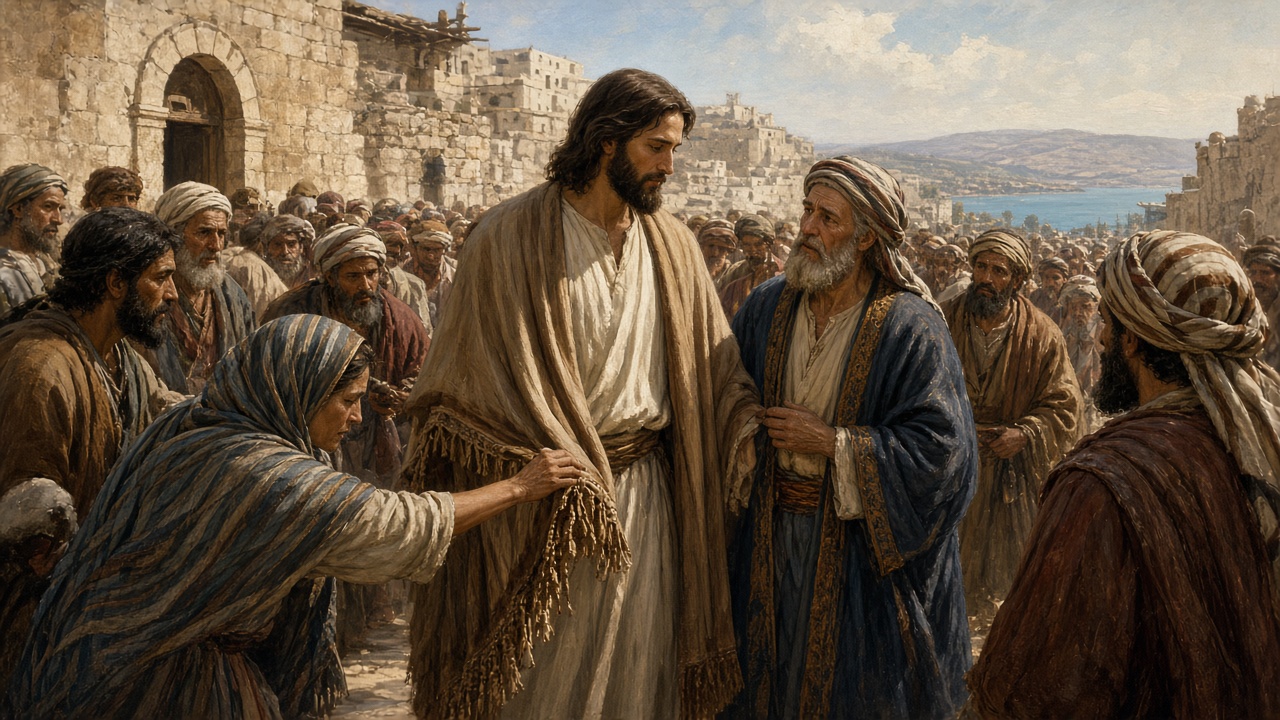
Jesús miria̱, e' dalewa tai̱ë pë' dami, e' tërdami ie' mik. 43E'pa shu̱a̱ alaköl dami eköl e' du'mi alakölpa duè wa̱ e' ki̱ duas de dabom eyök ki̱ bök (12). Ì ko̱s tso' ie' wa̱ e' e̱wé̱waitö yës s'kapeyökwak ki̱, erë kë̀ yi a̱ ibuanene. 44Ie' dewa̱ tsi̱net Jesús tsi̱ kke̱r ta̱ idatsi' bata kéwa̱itö. E' wösha̱ ta̱ ipë́ wöklöne ta̱ ibuanene buaë. 45Eta̱ Jesús tö ichaké:
—¿Yi tö ye' ké?
Sulitane tö iché:
—Kë̀ sa' wa̱ be' kàne.
Pedro tö iché ia̱:
—A s'wöbla'u̱kwak, pë' tso' tai̱ë e' tërdami be' mik.
46Erë Jesús tö iché:
—Ye' ittsé tö ilè tka ye' diché wa. E' kue̱ki̱ ye' wa̱ ijche̱r tö yile tö ye' ké.
47Mik alaköl buanene, e' tö isué̱ tö kë̀ ie' a̱ e̱' blënukia̱ ta̱ ide Jesús ska' painéka̱ tai̱ë suane wa. Ie' e̱' tkéwa̱ kuchë ki̱ Jesús wörki̱ ta̱ ie' e̱' chéka̱ sulitane kukua tö ì kue̱ki̱ Jesús kéwa̱itö. Ie' tö iché: “Mik ye' tö be' kéwa̱, e' wösha̱ë ta̱ ye' buanene.” 48Jesús tö iché ia̱:
—A alà busi, be' e̱rblé ye' mik, e' kue̱ki̱ be' buanene. Be' yúne bë̀rë.
49Ie' ttökeia̱ alaköl ta̱, e' dalewa eköl bite̱ Jairo u a̱, e' debitu̱ ta̱ iché Jairo a̱:
—Be' alà busi blënewa̱tke. S'wöbla'u̱kwak kë̀ tsiriwa̱ria̱.
50Mik e' ttsé Jesús tö, eta̱ ie' tö iché Jairo a̱:
—Kë̀ be' tkinuk. Be' e̱rblö́ ye' mik ë̀, be' alà busila buardane.
51Mik ie'pa de Jairo u a̱, eta̱ Jesús kë̀ wa̱ yi kàne shkökwa̱ wé̱ busila nu me'r ee̱. Pedro ena Santiago ena Juan ena alà yë́ ena imì, e'pa ë̀ kiéwa̱itö e̱' ta̱. 52E' dalewa sulitane i̱u̱ke alárke tai̱ë. Erë Jesús tö ie'pa a̱ iché:
—Kë̀ a' i̱u̱kia̱. Busila kë̀ du'wa̱, ikapöme'r ë̀.
53Sulitane wa̱ ijche̱r tö busila duowa̱, e' kue̱ki̱ ie'pa tö ie' wayuéka̱ ja̱ñeitséka̱ tai̱ë. 54Erë Jesús tö busila ulà klö'wé̱wa̱, ta̱ iché ie' a̱:
—¡A tayëla, be' e̱' kö́ka̱!
55Eta̱ ishke̱neka̱ne, e' bet ta̱ ie' e̱' kéka̱ ta̱ Jesús tö iché ie'pa a̱:
—Itiö́.
56Iyë́ ena imì tkirulune iweblök. Eta̱ Jesús tö iché ie'pa a̱:
—Ì tka í̱e̱, e' kë̀ char yi a̱.
Did you know?
Good news on the Galilean road
- As Jesus went from town to town, some women traveled with him and the Twelve and supported them from their own means. Mary is called Magdalene from Magdala, her birthplace, to distinguish her from the other Marys; a reference work calls it a mistake to identify her with the woman described as a sinner in the previous story. Joanna was the wife of Chuza, steward of Herod Antipas, tetrarch of Galilee, and Susanna, whose name means lily, is named among them.Sources: Mary Magdalene · Joanna · Susanna · the Bible text itself
- Peter, James, and John, who appear with Jesus in this chapter, were fishermen on the Sea of Galilee. Peter's hometown, Bethsaida, lay on its western coast, where he was trained as a fisher; James, son of Zebedee and one of the Twelve, worked in partnership with him, and his brother John followed the same trade on the lake.Sources: Simon Peter · James (Son of Zebedee) · John the Apostle · the Bible text itself
- Jairus, who pleaded with Jesus to come because his only daughter was dying, is identified as a ruler of the synagogue at Capernaum. In the house, only Peter, James, and John were allowed to enter with the child's father and mother; after the girl got up, Jesus directed that she be given something to eat.Sources: Jairus · the Bible text itself
Notes written with AI assistance from open sources (Theographic Bible Metadata, CC BY-SA 4.0; Easton’s Bible Dictionary, public domain) and reviewed before publishing.
Places in this chapter
Only places identified with high confidence are shown (90% or more according to the scholarly sources compiled by OpenBible). Period map: DARE (Digital Atlas of the Roman Empire), CC BY 4.0; modern map: © OpenStreetMap contributors; places: OpenBible.info (CC BY 4.0).
Credits and license for this translation
Tte Pa̱'a̱li̱ Me' Skëköl tö Se' a̱
New Testament and Shorter Old Testament in Bribri (CS:bzd:Bribri)
copyright © 2010 Wycliffe Bible Translators, Inc.
Language: Bribri
Translation by: Wycliffe Bible Translators, Inc.
Bribri
bzd
Costa Rica
Copyright Information
© 2010, Wycliffe Bible Translators, Inc. All rights reserved.
This translation text is made available to you under the
terms of the Creative Commons License: Attribution-Noncommercial-No Derivative Works.
( http://creativecommons.org/licenses/by-nc-nd/3.0/ )
In addition, you have permission to port the text to different file formats, as long as you
do not change any of the text or punctuation of the Bible.
You may share, copy, distribute, transmit, and extract portions
or quotations from this work, provided that you include the above copyright
information:
You must give Attribution to the work.
You do not sell this work for a profit.
You do not make any derivative works that change any of the actual words or punctuation of the Scriptures.
Permissions beyond the scope of this license may be
available if you contact
us with your request.
The New Testament and Shorter Old Testament
in Bribri
© 2010, Wycliffe Bible Translators, Inc. All rights reserved.
This translation is made available to you under the terms of the
Creative Commons Attribution-Noncommercial-No Derivatives license 4.0.
You may share and redistribute this Bible translation or extracts from it in any format, provided that:
You include the above copyright and source information.
You do not sell this work for a profit.
You do not change any of the words or punctuation of the Scriptures.
Pictures included with Scriptures and other documents on this site are licensed just for use with those Scriptures and documents.
For other uses, please contact the respective copyright owners.
2014-04-22
Source: http://ebible.org/bzdNTpo/ · eBible.org