Luke 7
Tte Pa̱'a̱li̱ Me' Skëköl tö Se' a̱ · Tap a verse to see its cross-references.
Jesús tö ñippökwakpa wökir eköl e' kanè méso bua'wé̱ne
1Mik Jesús tö s'wöbla'wé̱ o̱ne, eta̱ imía̱ demi Cafarnaúm. 2Eta̱ ee̱ Roma ñippökwakpa döka̱ cien, e' wökir se̱rke eköl. E' kanè méso eköl kirinewa̱ tai̱ë duökewa̱tke. Iwökir é̱na ie' dalër tai̱ë. 3Mik ñippökwakpa wökir tö Jesús tté ttsé, eta̱ ie' tö iché judiowak kue̱blupa we̱lepa a̱: “A' yú Jesús ska' ta̱ ichö́ ie' a̱: ‘Be' we'ikè sa' tö, be' shkö́ ñippökwakpa wökir, e' kanè méso eköl duöke tai̱ë, e' bua'u̱kne.’ ” 4Mik ie'pa demi Jesús ska' ta̱ ikköchérak tai̱ë ie' wöa̱:
—Ñippökwakpa wökir e' é̱na se' judiowak dalër tai̱ë. Ie' wák tö se' ñì dapa'wo̱ wé e' yuök patkë' se' a̱. E' kue̱ki̱ sa' a̱ ta̱ buaë idir tö be' ie' ki̱mè.
6Eta̱ Jesús mía̱ ie'pa ta̱. Erë mik ie'pa dökemitke ñippökwakpa wökir e' u a̱, eta̱ ie' tö iyamipa we̱lepa patké ichök Jesús a̱: “A këkëpa, kë̀ be' e̱' tsiriu̱k. Be' dör këkë tai̱ë, e' döwa̱ ye' u a̱, e' kë̀ dör ye' sia̱rla e' a̱. 7E' kue̱ki̱ ye' kë̀ dë'rö be' ska'. Erë iké̱wö ë̀ mú ta̱ ye' kanè méso buardane. 8Ye' wökirpa ta̱', e'pa ttö̀ iu̱tök ye' ka̱wöta̱. Ñies ye' dör ñippökwakpa tai̱ë e'pa wökir, ie'pa ka̱wöta̱ ye' ttö̀ iu̱tök. Mik ye' tö eköl a̱ icheke, ‘Be' yú’ ta̱ imí. Eköl a̱ ye' tö icheke, ‘Be' dou’ ta̱ ide. Ñies ye' tö icheke ye' kanè méso a̱, ‘Íyi ú̱’ ta̱ iwé̱itö. Ye' iklö'wé̱ tö be' wa̱ ka̱wö ta̱' íyi ulitane tsa̱ta̱, e' kue̱ki̱ ye' wa̱ ijche̱r tö be' tö iké̱wö mé, e' ta̱ ye' kanè méso buardane.”
9Mik Jesús tö ttè e' ttsé, eta̱ e' tö ie' tkiwé̱wa̱. Ie' wötréene ta̱ ichéitö pë' dami ie' itöki̱ e'pa a̱:
—Ye' ichè a' a̱ tö Israel aleripa ko̱s shu̱a̱, kë̀ yi ku̱ne ye' wa̱ e̱rblök ye' mik we̱s wëm i' es.
10Eta̱ mik ñippökwakpa wökir yamipa dene u a̱, eta̱ ie'pa tö isué̱ tö ikanè méso kirirke, e' buanene.
Alaköl eköl schö́ alà blënewa̱ e' shke̱'wé̱ka̱ne Jesús tö
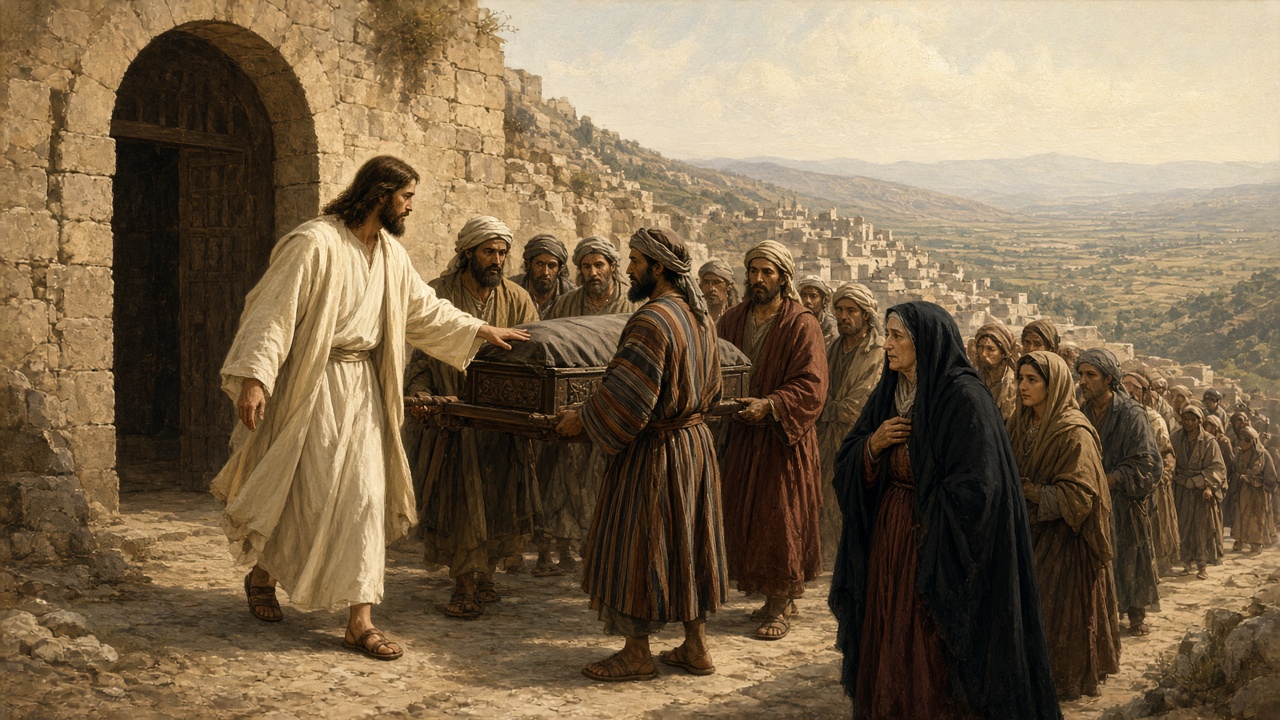
11E' ukuöki̱ ta̱ Jesús mía̱ ká̱ kiè Naín ee̱. Ie' dami ittökatapa ta̱, ñies pë' dami ie'pa ta̱ tai̱ë. 12Mik ie'pa de tsi̱net ká̱ e' a̱, eta̱ ie'pa isué̱ tö tai̱ë pë' datse̱, e' wa̱ s'nu datse̱ micho wötèwa̱. Dëu̱tö e' mì dör schö́, ie' alà eköl ë̀me wëm, e' blënewa̱. Tai̱ë ká̱ e' wakpa tö ie' pablerami. 13Mik Skëkëpa Jesús tö isué̱, eta̱ ie' wa iwër sia̱rë ta̱ ichéitö ia̱:
—Kë̀ be' i̱u̱kia̱.
14E' bet ta̱ ie' dewa̱ tsi̱net ka̱'la ki̱ s'nu dami e' o̱'mik ta̱ ka̱'la kéitö. Wé̱pa wa̱ idami e'pa e̱' wöklö'wé̱wa̱. Jesús tö iché s'nu a̱:
—A duladula, be' a̱ ye' tö ichè, ¡Be' e̱' kö́ka̱!
15E' bet ta̱ s'nu shke̱neka̱ne e̱' tkése̱r ta̱ itté. Eta̱ Jesús tö imé imì a̱. 16Ko̱s pë' tso' ie'pa ta̱ e'pa suane tai̱ë, Skëköl ki̱kéka̱ ie'pa tö tai̱ë ta̱ ichérakitö:
—Skëköl tteköl chö́k eköl, e' de se' shu̱a̱.
Ñies ie'pa tö iché:
—Skëköl de se' dör ie' icha esepa ki̱muk.
17Eta̱ ì wé̱ Jesús tö e' tté buneka̱ tai̱ë Judea ké̱ ko̱s e' a̱, ñies ká̱ tso' Judea pamik e' a̱ itté ti̱neka̱.
Juan S'wöskuökwak ttökatapa de Jesús ska' ichakök
18Juan S'wöskuökwak ttökatapa tö ì ko̱s we̱ke Jesús tö, e' paké Juan tso' s'wöto wé a̱ e' a̱. E' kue̱ki̱ ie' tö ie'pa böl kié 19ta̱ ichéitö ie'pa a̱:
—A' yú Skëkëpa Jesús a̱ ichakök tö ¿be' dör wé̱ pairine'bitu̱ idi' wa s'blúie yëule tö idatse̱ e', ö yi skà panèia̱ sa' tö?
20Mik ie'pa de Jesús ska' ta̱ ie'pa tö iché ie' a̱:
—Juan S'wöskuökwak tö sa' patké be' a̱ ichakök tö ¿be' dör wé̱ pairine'bitu̱ idi' wa s'blúie yëule tö idatse̱ e', ö yi skà panèia̱ sa' tö?
21E' wösha̱ ta̱ Jesús tö s'kirirke duè tsa̱ki̱ë wa̱, esepa bua'wé̱ tai̱ë. Ñies s'tteke wimblupa sulusi tö, ena s'wöbla kë̀ wawër esepa bua'wé̱itö tai̱ë. 22E' ukuöki̱ ta̱ ie' tö iché Juan ttökatapa böl a̱:
—A' yúne Juan ska' ta̱ ì sué̱ a' tö, ì ttsé a' tö, e' ko̱s pakö́ ie' a̱. Ichö́ ie' a̱ tö s'wöbla kë̀ wawër esepa wöbla wawënene; s'kraulewa̱ kë̀ shko esepa shkéne; wé̱pa kiri'we̱ke lepra tö esepa buanene batse'nene; s'kukuö̀ kë̀ wattsër esepa wattsënene; s'duowa̱ shke̱neka̱ne; ñies Skëköl ttè buaë e' pakane s'sia̱rëpa a̱. 23¡Yi kë̀ yöki̱ ye' sulune, ayëcha buaë ese!
24Mik ie'pa míyalne, eta̱ Jesús tö Juan tté pakémitke pë' a̱, ta̱ ichéitö ie'pa a̱: “Mik a' dë'rö ká̱ sir poë wé̱ kë̀ yi se̱rku̱' ee̱ Juan sa̱u̱k, eta̱ ¿i̱ma a' e̱rbikö̀ wëm wé̱se suè̱mi a' tö? A' kë̀ dë'rö wëm ëse, ka̱bikeitsö̀ wì̱ a̱ dià a̱ we̱s kua'kö wöppè siwa̱' tö es, ese sa̱u̱k. 25A' kë̀ dë'rö wëm ese sa̱u̱k, e' ta̱ ¿wëm wé̱se sa̱u̱k a' dë'rö? A' kë̀ dë'rö wëm e̱' paiö̀ datsi' bua'bua wa, ese sa̱u̱k. A' wa̱ ijche̱r tö wé̱pa e̱' paiö̀ es ena íyi bua'bua tso' iwa̱ tai̱ë e̱' ttsë'wo̱ie buaë, esepa se̱rke blu' u a̱. 26Erë ¿wëm wé̱se sa̱u̱k a' dë'rö? A' dë'rö wëm dör Skëköl tteköl ese sa̱u̱k. Ye' tö a' a̱ ichè tö moki̱ Juan dör Skëköl tteköl, erë ie' kë̀ dör e' ë̀. Ie' dör Skëköl tteköl ese tsa̱ta̱. 27Skëköl yëkkuö ki̱ itso' kitule wé̱ Skëköl tö ichè wé̱ pairi'bitu̱itö idi' wa s'blúie e' a̱, e' tö ichè i' es:
‘Ye' tso'tke ye' ttè pakökwak patkök be' yöki̱ ke̱we be' ñalé̱ yuök.’
Skëköl ttè pakökwak e' dör Juan. 28Ye' ichè a' a̱ tö s'ditsö ulitane shu̱a̱, kë̀ yi ku̱' Juan tsa̱ta̱. Erë ì blúie Skëköl tso', e' shu̱a̱ yi dör ësela, ese dör ie' tsa̱ta̱.”
29(Mik pë' ulitane ñies inuköl shtökwakpa Roma wökirpa a̱, e'pa tö Jesús s'wöbla'we̱ke e' ttsé, eta̱ ie'pa tö iché tö Skëköl ttè dör yësyësë. Ie'pa dë' a̱s Juan tö ie'pa wöskuö̀ iwà kkachoie tö ie'pa tö Juan ttè klö'wé̱, e' kue̱ki̱ ie'pa tö iché es. 30Erë fariseowakpa ena s'wöbla'u̱k ttè dalöiëno wa wakpa kë̀ wa̱ Juan ttè klöo̱ne, e' kue̱ki̱ ie' kë̀ wa̱ ie'pa wösune, es ie'pa tö Skëköl e̱r buaë chöke ie'pa a̱ e' watéttsa̱.)
31Jesús tö iché: “¿I̱ma a' chèmi ye' tö? ¿We̱s a' dör? 32A' dör we̱s ttè i' tö ichè es: Ala'rla tso' inuk u itöki̱. Sha̱bötspa a̱rke tai̱ë ta̱ iché iyamipa a̱: ‘Sa' tö pulë bla'wé̱, erë a' kë̀ klötëne'; sa' tö s'e̱riar ttseittsé, erë a' kë̀ i̱i̱ne'.’ 33E' wà dör tö Juan S'wöskuökwak de batsöta̱', kë̀ blo' yeta̱' ta̱ a' tö iché tö aknama tso' ie' a̱. 34E' ukuöki̱ ta̱ ye' dör S'ditsö Alà, e' de kë̀ batsöta̱', blo' yeta̱', ta̱ a' tö ye' cheke tö ye' chkö̀ tai̱ë, blo' yè tai̱ë, ñies tö ye' dör inuköl shtökwakpa ena pë' sulusipa male̱pa, esepa sini'. 35A' tö ye' cheke es erë isue̱rasö bulebök ta̱ tö wé̱pa se̱rke we̱s Skëköl siwé̱ tö ichè es, esepa dör yësyësë.”
Jesús mía̱ upakök Simón dör fariseowak e' ska'
36Fariseowak eköl kiè Simón, e' tö Jesús kié chkök ie' u a̱. E' kue̱ki̱ Jesús mía̱ ie' ska' ta̱ ie'pa e̱' tulése̱r chkök. 37Eta̱ alaköl sulusi se̱rke ká̱ e' a̱, e' wa̱ ijche̱newa̱ tö Jesús tso' chkök fariseowak e' u a̱. Ie' wa̱ kiö̀ masmas de e' ukkuö yöule ák bua'bua kiè alabastro ese wa. 38Ie' de dur Jesús ska', e' i̱u̱ke Jesús tsi̱kka, iwöriö yënane tai̱ë Jesús klö̀ ki̱, e' pasiwé̱itö itsà̱ wa, ta̱ Jesús klö̀ wöalattsémiitö ta̱ kiö̀ masmas téitö Jesús klö̀ ki̱. |src="7 CNT5521b.tif" size="col" ref="Lc 7.38" 39Mik fariseowak tö Jesús kié chkök e' tö alaköl sué̱, eta̱ ibikeitséitö: “Wëm wí̱ mú dör Skëköl tteköl moki̱, e̱'ma ie' é̱na ia̱rmi alaköl wé̱se tso' ie' kök. Ie' é̱na ia̱rwa̱mi tö e' dör alaköl sulusi.” 40Jesús iché ie' a̱:
—A Simón, ilè tso' ye' wa̱ yënoie be' a̱.
Ie' iiu̱té:
—A s'wöbla'u̱kwak, ichö́ ña.
41Jesús tö iché:
—Wëm böl ñarke inuköl peitökwak ulà a̱. Eköl ñarke cien ske̱yök (500), iëköl ñarke dabom ske̱yök (50). 42Ie'pa böl kë̀ a̱ ipato̱r, e' kue̱ki̱ inuköl peitökwak tö inuì̱ olo'yé ie'pa ki̱. Ye' tö be' a̱ ichakè tö ie'pa böl, ¿wé̱ne ë́k é̱na inuköl peitökwak dalërmi kibiie?
43Ie' iiu̱té:
—Ye' a̱ ta̱, wé̱ne nuì̱ olone kibiie e' ë́k.
Jesús tö iché:
—Buaë be' iiu̱té.
44Eta̱ Jesús tö alaköl sué̱ ta̱ ichéitö Simón a̱:
—Alaköl i' sa̱ú̱. Mik ye' dewa̱ be' u a̱, eta̱ be' kë̀ wa̱ ye' a̱ di' mène ye' klö̀ skuoie, erë alaköl i' tö ye' klö̀ skué iwöriö wa ta̱ ipasiwé̱itö itsà̱ wa. 45Be' kë̀ wa̱ ye' shke̱o̱ne wöalattsè wa we̱s s'wöblar es. Erë ie' dewa̱ í̱e̱, eta̱ ie' tö ye' klö̀ wöalattsémi tai̱ë.
46Be' kë̀ wa̱ kiö̀ ësela, e' tëne ye' wökir ki̱ we̱s s'wöblar es. Erë ie' tö kiö̀ masmas tuè̱ darërëë ese té ye' klö̀ ki̱. 47E' kue̱ki̱ ye' ichè be' a̱ tö ie' é̱na ye' dalër tai̱ë e' wa iwënewa̱ tö ì sulu wamblé ie' tö tai̱ë, e' nuí̱ olone ie' ki̱. Erë wé̱pa kë̀ é̱na ye' dalërta̱' tai̱ë, e' wa iwënewa̱ tö esepa ki̱ inuì̱ olone elkela ë̀.
48E' ukuöki̱ ta̱ ie' iché alaköl e' a̱:
—Ì sulu ko̱s wamblé be' tö e' nuí̱ olone be' ki̱.
49Imale̱pa kiule chkök ñies tso' ee̱, e'pa ñì chakérak:
—A' ichè ¿yi ie' dör e' ttö̀ es? Skëköl ë̀ a̱ se' nuì̱ olo'yarmi.
50Erë ie' tö alaköl a̱ iché:
—Be' e̱rblé ye' mik, e' tö be' tsa̱tkée. Be' yúne bë̀rë.
Did you know?
Faith, compassion, and a prophet's question
- Easton's Bible Dictionary (1897) describes Capernaum as a Galilean town not mentioned in the Old Testament, which became the city Jesus treated as his own after he was expelled from Nazareth and the scene of many episodes in his life. In this chapter he arrives there to find a centurion's highly valued servant near death, and Jewish elders plead that the officer loves their nation and has built their synagogue.Sources: Capernaum · the Bible text itself
- Easton's Bible Dictionary (1897) links the name Nain to a Hebrew word meaning green pastures or lovely, and identifies the town with the village of Nein on the northwestern slope of Jebel ed-Duhy, also called the hill Moreh or Little Hermon, about four miles from Tabor and twenty-five miles southwest of Capernaum, above the plain of Esdraelon. At the town gate Jesus met the funeral of a widow's only son, and awe spread through the crowd.Sources: Nain · the Bible text itself
- John the Baptist is described as the forerunner of the Lord and as a man of priestly descent: his father Zacharias was a priest of the course of Abia, and his mother Elisabeth was one of the daughters of Aaron. His mission is described as the subject of prophecy, and in this chapter Jesus tells the crowds that John is more than a prophet, the messenger sent ahead to prepare the way, while John's disciples ask whether Jesus is the one who was to come.Sources: John the Baptist · the Bible text itself
Notes written with AI assistance from open sources (Theographic Bible Metadata, CC BY-SA 4.0; Easton’s Bible Dictionary, public domain) and reviewed before publishing.
Places in this chapter
Only places identified with high confidence are shown (90% or more according to the scholarly sources compiled by OpenBible). Period map: DARE (Digital Atlas of the Roman Empire), CC BY 4.0; modern map: © OpenStreetMap contributors; places: OpenBible.info (CC BY 4.0).
Credits and license for this translation
Tte Pa̱'a̱li̱ Me' Skëköl tö Se' a̱
New Testament and Shorter Old Testament in Bribri (CS:bzd:Bribri)
copyright © 2010 Wycliffe Bible Translators, Inc.
Language: Bribri
Translation by: Wycliffe Bible Translators, Inc.
Bribri
bzd
Costa Rica
Copyright Information
© 2010, Wycliffe Bible Translators, Inc. All rights reserved.
This translation text is made available to you under the
terms of the Creative Commons License: Attribution-Noncommercial-No Derivative Works.
( http://creativecommons.org/licenses/by-nc-nd/3.0/ )
In addition, you have permission to port the text to different file formats, as long as you
do not change any of the text or punctuation of the Bible.
You may share, copy, distribute, transmit, and extract portions
or quotations from this work, provided that you include the above copyright
information:
You must give Attribution to the work.
You do not sell this work for a profit.
You do not make any derivative works that change any of the actual words or punctuation of the Scriptures.
Permissions beyond the scope of this license may be
available if you contact
us with your request.
The New Testament and Shorter Old Testament
in Bribri
© 2010, Wycliffe Bible Translators, Inc. All rights reserved.
This translation is made available to you under the terms of the
Creative Commons Attribution-Noncommercial-No Derivatives license 4.0.
You may share and redistribute this Bible translation or extracts from it in any format, provided that:
You include the above copyright and source information.
You do not sell this work for a profit.
You do not change any of the words or punctuation of the Scriptures.
Pictures included with Scriptures and other documents on this site are licensed just for use with those Scriptures and documents.
For other uses, please contact the respective copyright owners.
2014-04-22
Source: http://ebible.org/bzdNTpo/ · eBible.org