Luke 11
Tte Pa̱'a̱li̱ Me' Skëköl tö Se' a̱ · Tap a verse to see its cross-references.
Jesús tö ittökatapa wöbla'wé̱ ttök S'yë́ ta̱
1Etökicha ta̱ Jesús tso' ttök S'yë́ ta̱. Mik ie' tté o̱ne, eta̱ ie' ttökatapa eköl tö ie' a̱ iché:
—A Skëkëpa, Juan S'wöskuökwak tö ittökatapa wöblao̱' ttök S'yë́ ta̱. Es ñies sa' wöbla'ú̱ ttök S'yë́ ta̱.
2Jesús tö ie'pa a̱ iché:
—Mik a' ttöke S'yë́ ta̱, eta̱ ichö́ ie' a̱ i' es:
‘A Sa' Yë́, a̱s be' dalöiö̀ sa' tö ì ulitane tsa̱ta̱.
A̱s be' dö̀ sa' blúie da'a̱ie.
3Chkè kiane sa' ki̱ se̱noie, e' mú sa' a̱ ká̱ bit ekkë.
4Sa' male̱pa ko̱s e' nuì̱ olo'yeta̱' sa' tö ie'pa ki̱,
e' kue̱ki̱ sa' nuì̱ olo'yö́ sa' ki̱.
Kë̀ sa' marttsa̱ tö ì sulu tö sa' e̱rkiöù̱.’
5Ñies ie' tö ie'pa wöbla'wé̱ ttè i' wa:
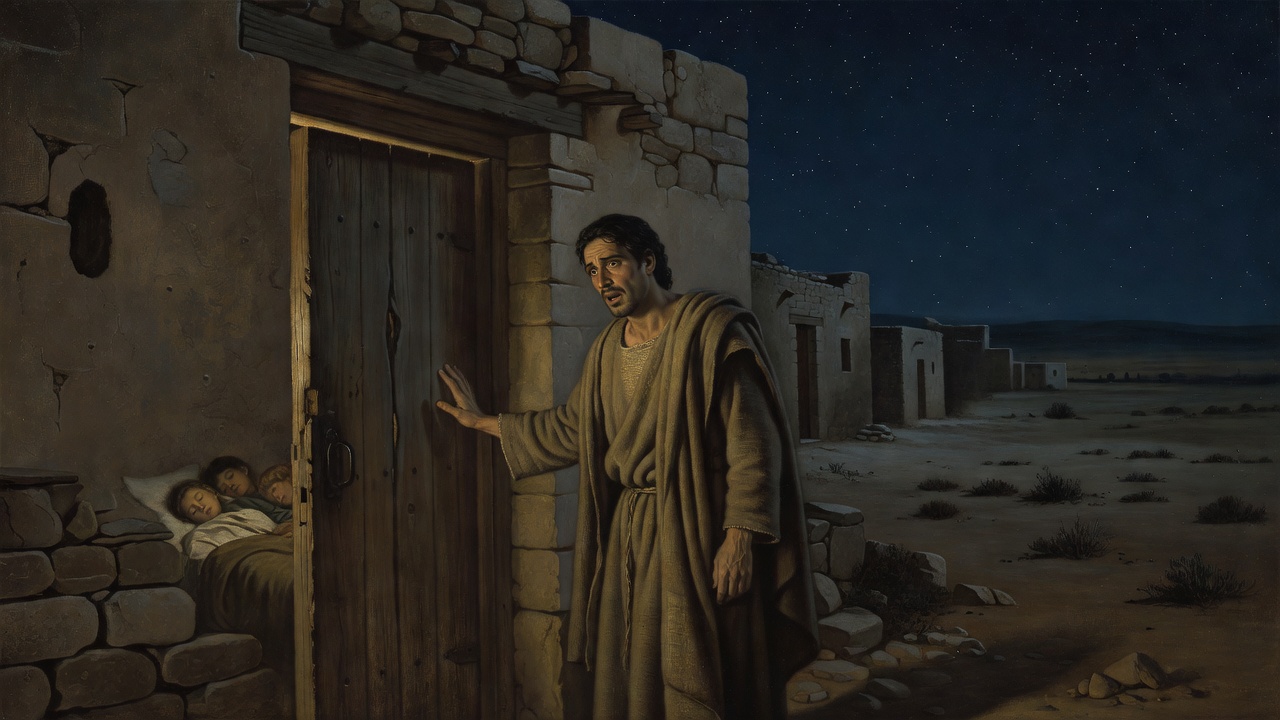
—Sö ichèmi tö a' we̱le wa̱ yami tso' eköl, ese ska' a' mía̱ nañewe ká̱ sha̱böts, ta̱ a' tö iché ie' a̱: ‘A yami, írö ye' yami datse̱ bánet, e' debitu̱ ye' ska', erë ye' kë̀ wa̱ ì ta̱' mè ie' a̱. Be' we'ikèyö, pan peitö́ ña mañat.’ 7Be' yami e' tö a' iu̱tèmi i' es: ‘Kë̀ ye' tsiriwa̱r. Ukkö wötënewa̱tke. Ye' ena ye' ala'r, sa' e̱' té̱wa̱tke kapökwa̱. Ye' kë̀ e̱' köpaka̱ ì muk be' a̱.’ 8Jesús tö iché ie'pa a̱ tö u wák e' kë̀ e̱' köpaka̱ chkè muk a' a̱, a' dör iyami e' ë̀ kue̱ki̱. Erë a' tö ikié kröröë, kë̀ wöklör ekkë, e' ta̱ ie' e̱' köraka̱ ta̱ ì ko̱s kiane a' ki̱, e' meraëitö a' a̱, a' tö ie' a̱ ikié kröröë e' kue̱ki̱. 9“Wé̱pa tö íyi kié Skëköl a̱, esepa a̱ imeraëitö. Wé̱pa tö íyi yulé ie' ska' esepa tö ikue̱raë. Wé̱pa tö ie' chaké, esepa kierawa̱itö we̱shke̱. E' kue̱ki̱ ì kiane a' ki̱ e' kiö́ ie' a̱, eta̱ ie' tö a' a̱ imeraë; e' yulö́ ie' ska', eta̱ a' tö ikue̱raë; ie' chakö́, eta̱ ie' tö a' kierawa̱ we̱shke̱.
11“Kë̀ alà yë́ wé̱ne tö tkabë̀ mepa ilà a̱ nima kiéitö e' skéie. 12Ñies kë̀ a' wé̱ne tö bachë' mepa ilà a̱ dakro sia̱' kiéitö e' skéie. 13A' dör pë' suluë erë e' tö íyi buaë meke a' alà a̱. ¡E' yita̱ buaë S'yë́ tso' ká̱ jaì a̱ e' tö Wiköl Batse'r meraë yi tö ie' a̱ ikié ese a̱!”
Judiowak tö Jesús kkaté
14Etökicha ta̱ Jesús tso' aknama trë'u̱kshkar wëm eköl a̱. Aknama tö wëm e' ttö̀ wöblëo̱'wa̱. Mik aknama mía̱, eta̱ wëm ttéka̱ne buaë. Wé̱pa ko̱s tö isué̱, e'pa tkirulune iweblök. 15Erë ie'pa we̱lepa tö iché: “Beelzebú dör bë́, e' diché wa ie' tö ie'pa trë'we̱keyal.”
16Ie'pa we̱lepa skà é̱na Jesús tsa̱iak, e' kue̱ki̱ ie'pa tö ikié ie' a̱ tö ì kë̀ o̱r yi a̱ ese ú̱itö iwà kkachoie tö moki̱ ie' patkë'bitu̱ Skëköl tö. 17Erë ì bikeitseke ie'pa tö, e' sué̱wa̱ ie' tö, e' kue̱ki̱ ie' tö ie'pa a̱ iché:
“S'se̱rke ká̱ etkë̀ ki̱, e' ñì blabatsélor ta̱ iñippöke iwakpa ë̀ ñita̱, kë̀ wöklör, e' ta̱ ie'pa wákpa ë̀ ñì e̱u̱kewa kë̀ diché ta̱'ia̱. Ñies ñì yamipa ë̀ e̱' kéka̱ ñippök ñita̱, kë̀ wöklör, e' ta̱ ie'pa sulunewa̱ mía̱ sia̱rë. 18Es ñies Satanás mú tö aknamapa trë'wé̱yal, e' ta̱ ie' tso' ñippök iwakpa ë̀ ta̱. ¿We̱s ì blúie ie' tso' e' se̱rmiia̱? A' icheke tö aknamapa trë'wé̱yal ye' tö Beelzebú diché wa, e' kue̱ki̱ e' ché ye' tö. 19Ye' tö itrë'ú̱payal Beelzebú diché wa, e̱'ma ¿yi diché wa a' klépa tö itrë'wè̱yalmi? Ie'pa kë̀ a̱ itrënukyal Beelzebú diché wa. E' kue̱ki̱ ¿we̱s a' tö ye' kkatèmi tö ye' tö itrë'we̱keyal Beelzebú diché wa? A' wakpa klépa tö iwà kkacheraë tö a' ttè kë̀ dör moki̱. 20Aknamapa trë'wé̱yalyö Skëköl diché wa, e' ta̱ e' wà kiane yënoie tö ì blúie Skëköl tso', e' ké̱wö dewa̱tke a' a̱.
21“Mik wëm diché tai̱ë tö iu kkö'neke buaë tabè wa, ì wa, eta̱ ie' íyi ko̱s tso' blëule buaë. 22Erë mik wëm skà datse̱ diché ta̱' tai̱ë shu̱te̱ ie' tsa̱ta̱, ñippök ie' ta̱, eta̱ e' e̱' aléka̱ iki̱ ta̱ íyi mik ie̱rblöke e̱' tsa̱tkoie ena ì skà ko̱s tso' ie' wa̱, e' yéttsa̱ se̱raa̱ iyöki̱, ta̱ ikakmémiitö iyamipa a̱.
23“Yi kë̀ dör ye' sini', ese dör ye' bolök. Yi kë̀ tö ye' ki̱mè obeja kkö'nuk buaë, ese tö obeja po'we̱kemi.
Aknama dene wëm a̱
24“Mik wimblu sulusi trëneshkar yile a̱, eta̱ imía̱ ká̱ sir poë wé̱ kë̀ yi ku̱' ese ska'. Ie' tso' ká̱ yulök se̱noie, erë kë̀ ie' wa̱ iku̱ne. E' kue̱ki̱ ie' ibikeitsé: ‘Ye' mía̱ne wé̱ ye' trëneshkar ee̱ se̱nuk.’ 25Mik ie' demine wëm e' a̱, eta̱ ie' tö isué̱ tö wëm dör we̱s u shu̱iriule buaë maneneë es. 26Eta̱ ie' mía̱ iyamipa kí̱ yulök döka̱ kul suluë shu̱te̱ ie' tsa̱ta̱ ta̱ ie'pa ko̱s de se̱nuk wëm e' a̱. Wëm e' mía̱ne suluë shu̱te̱ ke̱net tsa̱ta̱.”
Ayëcha buaë e' dör yi
27Jesús tso' ttök, eta̱ alaköl eköl dur ee̱, e' tö iché a̱neule:
—¡Alaköl tö be' tsöo̱', be' talao̱', ayëcha buaë e'!
28Erë ie' iiu̱té:
—¡Ayëcha buaë shu̱te̱, wé̱pa tö Skëköl ttè ttsé ta̱ idalöiekerakitö esepa!
Wé̱pa dör pë' suluë esepa kë̀ tö Jesús tté klö'we̱ta̱'
29Ie'pa kí̱ ñì dapa'wé̱ Jesús pamik, eta̱ ie' tö iché ie'pa a̱: “A' dör pë' suluë. A' tö ye' a̱ ikieke tö ì kë̀ o̱r yi a̱ ese u̱yö iwà kkachoie tö moki̱ Skëköl tö ye' patkë'bitu̱. Erë ye' tö ilè we̱raë etökicha ë̀me iwà kkachoie, e' dör we̱s Jonás ta̱ ibak es. 30Ì bak Jonás ta̱ e' tö iwà kkayë' Nínive wakpa a̱ tö Skëköl tö ie' patkë'bitu̱ ie'pa pattök. Es ñies, ye' dör S'ditsö Alà, e' tö iwà kkacheraë a' a̱ tö moki̱ Skëköl tö ye' patkë'bitu̱. 31Aishkuö ta̱ mik a' wöchakirketke a' nuì̱ ki̱, eta̱ alaköl datse̱ ká̱ bánet diwö tskirke e' o̱'mik bak iká̱ blúie, e' e̱' köraka̱ Skëköl wörki̱ a' kkatök tö a' dör pë' suluë. Ká̱ ia̱ia̱ë ie' dë'bitu̱ datse̱ ka̱mië shu̱te̱ se' blú bak kiè Salomón wa̱ íyi jche̱r tai̱ë, e' ttö̀ ki̱ttsök. Erë i̱'ñe ta̱ ye' dur a' shu̱a̱, e' dör Salomón tsa̱ta̱, erë a' kë̀ tö ye' ttö̀ iu̱tè. E' kue̱ki̱ alaköl e' tö a' kkateraë. 32Mik Jonás tö Nínive wakpa paut, e' tö ie'pa e̱r maneo̱'ttsa̱ Skëköl a̱, erë i̱'ñe ta̱ ye' dur í̱e̱rö, e' dör Jonás tsa̱ta̱, erë a' kë̀ e̱r mane'ù̱ Skëköl a̱. E' kue̱ki̱ aishkuö ta̱ mik a' wöchakirketke a' nuì̱ ki̱, eta̱ Nínive wakpa e̱' köraka̱ Skëköl wörki̱ a' kkatök.
Se' wöbla buaë ena se' wöbla suluë
33“Kë̀ yi tö bö'wö tskepaka̱ ta̱ ibléwa̱itö ö ipatkéwa̱itö kalkuö diki̱a̱. E' skéie se' tö itkekeka̱ ká̱kke̱ se' yamipa datse̱ e'pa wö a̱ ká̱ ñi'wo̱ie. 34Se' wöbla dör we̱s bö'wö es se' chkà ko̱s a̱. E' kue̱ki̱ se' wöbla dör buaë, e' ta̱ se' chkà ko̱s e' a̱ ká̱ olo ta̱' buaë. E' dör we̱s se' e̱r dör buaë es, ì ko̱s yësyësë buaë, ese ki̱ se' e̱r me'rie. Erë se' wöbla dör suluë, e' ta̱ se' chkà ko̱s e' tso' stui a. E' dör we̱s se' e̱r suluë es, ì ko̱s suluë, ese ki̱ se' e̱r me'rie. 35A' e̱' kkö'nú buaë a̱s a' kë̀ e̱' ki̱tö'ù̱ tö a' wöbla wawër buaë, erë kë̀ iwawër buaë. 36A' wöbla dör buaë, e' ta̱ ì ko̱s buaë, ese wër buaë a' wa. E' dör we̱s a' se̱rke wé̱ bö'wö ñarke ke̱kraë ee̱ es, kë̀ ku̱' stui a̱.”
Wëstela i̱na fariseowakpa ena s'wöbla'u̱k ttè dalöiëno wa wakpa ta̱
37Mik Jesús tté o̱ne, eta̱ fariseowak eköl tö ie' kiémi chkök iu a̱. Eta̱ ie' mía̱ demi ee̱ e̱' tkése̱r mesa kulé ki̱. 38Erë fariseowak e' tö isué̱ tö kë̀ ie' wa̱ iulà pakö̀ne we̱s ie'pa wöblar es, e' tö ie' tsiriwé̱ka̱. 39E' kue̱ki̱ Jesús tö iché ie' a̱:
—A fariseowakpa, A' dör we̱s a' tka̱' ko̱s pa skueke a' tö iki̱kke̱ ë̀ es. A' wër buaë, erë a' e̱r suluë. A' dör akblökwakpa. A' ki̱ s'yamipa íyi ko̱s e' kianettsa̱ a' ë̀ a̱. 40¡A' kë̀ é̱na ì a̱ne yës! ¿A' kë̀ wa̱ ijche̱r tö Skëköl tö se' chkà yö', e' ë̀ tö se' e̱r yö'? 41S'sia̱rëpa ki̱mú a' íyi wa, eta̱ ì ko̱s a̱tdaë maneneë a' a̱.
42¡A fariseowakpa, wëstela i̱na a' ta̱! Ka̱köla tso' iëno chkè a̱ kiè menta ena ruda ena iskà tso', ese ko̱s tsá̱ meke a' tö Skëköl a̱. Erë a' kë̀ se̱rku̱' yësyësë s'male̱pa ta̱. A' kë̀ tö Skëköl dalëritseta̱', e' u̱k a' ka̱wöta̱ ñies.
43¡A fariseowakpa, wëstela i̱na a' ta̱! Kula' tso' a' ñì dapa'wo̱ wé a̱ këkëpa dalöiërta̱' esepa a̱, ese ki̱ a' wöbatsö e̱' tkökse̱r. A' ki̱ ikiar tö a' shke̱'wè̱ we̱s këkëpa tai̱ë shke̱'wè̱ es, wé̱ pë' tso' tai̱ë, e'pa wöwa.
44¡Wëstela i̱na a' ta̱! A' dör we̱s pö tso' kë̀ jche̱r yi wa̱ e' bata ki̱ s'shkörami es. Ishu̱ dör ñá tai̱ë alar suluë, e' kë̀ alar ttsëne s'wa̱.
45S'wöbla'u̱kwak ttè dalöiëno wa, ese tso' eköl ee̱, e' tö iché Jesús a̱:
—A s'wöbla'u̱kwak, mik be' tö e' ché fariseowakpa a̱, eta̱ ñies be' tso' sa' chök suluë.
46Jesús tö iiu̱té:
—¡A s'wöbla'u̱k ttè dalöiëno wa wakpa, wëstela i̱na a' ta̱ ñies! A' ttè dalöiëno tai̱ë darërëë, ese meke a' tö s'male̱pa a̱ wà dalöiè we̱s dalì e̱kke̱ë iè s'ki̱ es, erë a' ulatska ë̀ kë̀ tie̱ta̱'wa̱ a' tö ie'pa ki̱moie.
47“¡Wëstela i̱na a' ta̱! A' tö Skëköl ttekölpa bak ká̱ ia̱ia̱ë e'pa pö yuekene pa̱'a̱li̱, erë a' yë́pa tö ie'pa kötulur. 48Es a' tso' iwà kkachök tö ì wamblë' a' yë́pa tö, e' dör buaë a' a̱. A' yë́pa tö ie'pa kötulur, ta̱ i̱'ñe ta̱ a' tö ie'pa pö yuekene buaë.
49“E' kue̱ki̱ Skëköl wa̱ íyi jche̱r tai̱ë, e' tö iyë'a̱tbak: ‘Ye' tö ye' ttekölpa ena ye' ttè pakökwakpa patkeraë Israel aleripa a̱, eta̱ e'pa we̱lepa tterawa̱ ie'pa tö, ñies we̱lepa skà we'ikeraë ie'pa tö.’ 50Skëköl ttekölpa tai̱ë kötulur a' yë́pa tö. Mik ká̱ i' yöne kuaë, 51eta̱ Abel kötwa̱ Caín tö. E' itöki̱ a' yë́pa bak tö Skëköl ttekölpa tai̱ë kötmi. Ibata kötwa̱rakitö e' dör Zacarías. E' kötwa̱ ie'pa tö ka̱' tso' íyi moka̱ Skëköl a̱ e' ena iwé e' shu̱sha̱. Skëköl ttekölpa ko̱s kötulurbak a' yë́pa tö, e' nuí̱ kierane ie' tö a' ena wé̱pa dör a' es, e'pa a̱. Moki̱ ye' tö a' a̱ ichè tö Skëköl ttekölpa ko̱s kötulur a' yë́pa bak e'pa tö, e' nuí̱ kue̱ki̱ a' ena wé̱pa dör we̱s a' es, esepa weirdaë sia̱rë.
52“¡A s'wöbla'u̱k ttè dalöiëno wa wakpa, wëstela i̱na a' ta̱! A' wa̱ Skëköl yëkkuö tso', e' dör we̱s ukkö yottsa̱ tso' es a̱s se' wa̱ ijche̱r tö we̱s Skëköl dör. Erë e' kkëu̱k a' tso' a' male̱pa yöki̱. A' kë̀ wa̱ ijche̱r moki̱ tö we̱s Skëköl dör, ñies wé̱pa ki̱ e' kiane jche̱noie, esepa wöklö'we̱ke a' tö a̱s ie'pa kë̀ wa̱ ijche̱r.”
53Eta̱ Jesús e̱' yéttsa̱ u e' a̱. S'wöbla'u̱k ttè dalöiëno wa wakpa ena fariseowakpa uluneka̱ tai̱ë ie' ki̱. Ie'pa tö ie' chakémi tai̱ë ttè darërëë wa. 54Ie'pa é̱na ie' klö'wa̱kwa̱ ittè ki̱ ikkatoie.
Did you know?
Prayer, Signs, and Woes
- Jesus speaks of the blood of all the prophets, from the blood of Abel to the blood of Zechariah, who was killed between the altar and the sanctuary. Abel was the second son of Adam and Eve and was killed by his brother Cain. Easton's Bible Dictionary (1897) identifies this Zechariah as the son or grandson of the high priest Jehoiada, stoned at the king's command in the court of the house of the Lord after he condemned the king and the people, and notes that Jesus alludes to that murder in this chapter.Sources: the Bible text itself · Abel · Zacharias
- Jesus says this generation will be given no sign except the sign of Jonah: as Jonah was a sign to the Ninevites, so the Son of Man will be a sign to this generation, and the men of Nineveh, who repented at his preaching, will condemn it at the judgment, because someone greater than Jonah is here. Easton's Bible Dictionary (1897) describes Jonah, son of Amittai of Gath-hepher, as a prophet of Israel and a missionary to Nineveh, and calls him a type of the Son of Man. It describes Nineveh as a great and populous city, the flourishing capital of the Assyrian empire.Sources: the Bible text itself · Jonah · Nineveh
- After Jesus drives out a demon that was mute, some say he does it by Beelzebul, the prince of the demons. Easton's Bible Dictionary (1897) explains the name Satan as adversary or accuser, says the New Testament uses it interchangeably with the devil, and lists Beelzebub among his titles. Jesus answers that every kingdom divided against itself will be laid waste, and asks how Satan's kingdom can stand if Satan is divided against himself.Sources: the Bible text itself · Satan
Notes written with AI assistance from open sources (Theographic Bible Metadata, CC BY-SA 4.0; Easton’s Bible Dictionary, public domain) and reviewed before publishing.
Places in this chapter
Only places identified with high confidence are shown (90% or more according to the scholarly sources compiled by OpenBible). Period map: DARE (Digital Atlas of the Roman Empire), CC BY 4.0; modern map: © OpenStreetMap contributors; places: OpenBible.info (CC BY 4.0).
Credits and license for this translation
Tte Pa̱'a̱li̱ Me' Skëköl tö Se' a̱
New Testament and Shorter Old Testament in Bribri (CS:bzd:Bribri)
copyright © 2010 Wycliffe Bible Translators, Inc.
Language: Bribri
Translation by: Wycliffe Bible Translators, Inc.
Bribri
bzd
Costa Rica
Copyright Information
© 2010, Wycliffe Bible Translators, Inc. All rights reserved.
This translation text is made available to you under the
terms of the Creative Commons License: Attribution-Noncommercial-No Derivative Works.
( http://creativecommons.org/licenses/by-nc-nd/3.0/ )
In addition, you have permission to port the text to different file formats, as long as you
do not change any of the text or punctuation of the Bible.
You may share, copy, distribute, transmit, and extract portions
or quotations from this work, provided that you include the above copyright
information:
You must give Attribution to the work.
You do not sell this work for a profit.
You do not make any derivative works that change any of the actual words or punctuation of the Scriptures.
Permissions beyond the scope of this license may be
available if you contact
us with your request.
The New Testament and Shorter Old Testament
in Bribri
© 2010, Wycliffe Bible Translators, Inc. All rights reserved.
This translation is made available to you under the terms of the
Creative Commons Attribution-Noncommercial-No Derivatives license 4.0.
You may share and redistribute this Bible translation or extracts from it in any format, provided that:
You include the above copyright and source information.
You do not sell this work for a profit.
You do not change any of the words or punctuation of the Scriptures.
Pictures included with Scriptures and other documents on this site are licensed just for use with those Scriptures and documents.
For other uses, please contact the respective copyright owners.
2014-04-22
Source: http://ebible.org/bzdNTpo/ · eBible.org