Luke 10
Tte Pa̱'a̱li̱ Me' Skëköl tö Se' a̱ · Tap a verse to see its cross-references.
Jesús tö ittökatapa dabom kuryök ki̱ böl (72) e'pa patké
1E' ukuöki̱ ta̱ Skëkëpa Jesús tö ittökatapa skà shu̱shté döka̱ dabom kuryök kí̱ böl (72) patkèmi ie' yöki̱ ke̱we böl böl wé̱ ie' mi'ke ese ska'.
2Ie' tö iché ie'pa a̱: “Moki̱ pë' tso' tai̱ë e' ki̱ Skëköl ttè buaë kiane ttsè. Esepa dör we̱s iyiwö tso'tke wë'ià̱ë shtè es, erë ishtökwakpa kë̀ dör tai̱ë. E' kue̱ki̱ a' tö ikiö́ kanè wák a̱ tö ishtökwakpa patkö́. 3A' yú. Ye' tso' a' patkök ye' ttè pakök pë' shu̱a̱ we̱s obejala èmi namu tso' tai̱ë, ese shu̱a̱ es. 4Inuköl skúla ena dalì skú ena klökkuö skà, ese ko̱s kë̀ tsa̱rmi yës. Ñies yi kué̱ a' tö ñala̱ wa, ese kë̀ ta̱ a' ttök tai̱ë. 5Mik a' dewa̱ yile ska', eta̱ ke̱we ichö́ ie'pa a̱ tö ‘Skëköl e̱r buaë chö̀ a' a̱.’ 6Ie'pa tö a' kiéwa̱ e̱r bua' wa, e' ta̱ Skëköl e̱r buaë chöraë ie'pa a̱. Erë kë̀ idör es, e' ta̱ Skëköl kë̀ e̱r buaë chö̀pa ie'pa a̱. 7Ie'pa tö a' kiéwa̱ buaë, e' ta̱ a' e̱' tsú̱a̱t u e' a̱. Ttè tso' e' tö ichè i' es: ‘Kaneblökwak chkö̀mi ì kanewe̱keitö e' ské wa.’ E' kue̱ki̱ ì meke ie'pa tö a' a̱ ñè yè, e' ñú, e' yö́. U e' ë̀ a̱ a' e̱' tsú̱a̱t a' tso' ká̱ e' a̱ e' dalewa. 8Ká̱ wé̱ a' demi ta̱ ká̱ e' wakpa tö a' kiéwa̱ buaë, e' ta̱ ì mekeitö a' a̱ ñè e' ñú. 9Ie'pa duöke, e' ta̱ e'pa bua'ú̱ne. Ñies ichö́ ie'pa a̱: ‘Ì blúie Skëköl tso' e' ké̱wö dewa̱tke tsi̱net a' o̱'mik.’ 10Erë ká̱ we̱le wakpa kë̀ wa̱ a' kinewa̱, e' ta̱ a' yú ie'pa ñala̱ wa ta̱ ichö́ ie'pa a̱: 11‘A' ka̱po tso' sa' klöttö mik, e' ppée sa' tö iwà kkachoie tö a' dör Skëköl bolökpa. Erë a' wa̱ ijche̱nú tö ì blúie Skëköl tso' e' ké̱wö dewa̱tke tsi̱net a' o̱'mik.’ 12Ye' tö a' a̱ ichè tö mik Skëköl tö a' chakeketke inuí̱ ki̱ aishkuö ta̱, eta̱ ká̱ e' wakpa weirdaë sia̱rë Sodoma wakpa bak se̱nuk suluë e'pa tsa̱ta̱.
Ká̱ mañat wakpa weirdaë sia̱rë
13“A Corazín wakpa, a Betsaida wakpa, ¡wëstela i̱na a' ta̱! Ì kë̀ o̱r yi a̱ ese wé̱ ye' tö tai̱ë a' wörki̱, erë kë̀ a' e̱r maneo̱ne. E' ú̱pa ye' tö Tiro ena Sidón e' wakpa wörki̱, e̱'ma ká̱ ia̱ia̱ë ie'pa e̱r maneo̱'bak. Ie'pa tö e̱riane datsi' a̱ja̱ë ese ië'ka̱bak, ñies ie'pa e̱' tkë'ka̱bak mulu̱chka ki̱ iwà kkachoie tö ie'pa e̱r mane'wé̱ Skëköl a̱. 14E' kue̱ki̱ ye' tö ichè tö aishkuö ta̱ mik a' wöchakirketke a' nuì̱ ki̱ e' ké̱wö de, eta̱ a' wömerdattsa̱ weinuk tai̱ë shu̱te̱ Tiro ena Sidón wakpa tsa̱ta̱. 15A Cafarnaúm wakpa, kë̀ a' tö ibikeitsök tö a' mi'mitse̱r ká̱ jaì a̱. Ie' tö a' patkerami diöshe̱t wé̱ s'wimblu weirke ee̱.”
16Eta̱ Jesús tö iché ittökatapa a̱: “Yi tö a' ttö̀ ttseke ta̱ iu̱tekeitö, ñies ese tö ye' ttö̀ ttseke ta̱ iu̱tekeitö. Yi tö a' wateke, ñies ese tö ye' wateke. Ñies yi tö ye' wateke, ese tö Skëköl tö ye' patkë', e' wateke.”
Jesús ttökatapa dabom kuryök ki̱ böl (72) e'pa dene
17E' ukuöki̱ ta̱ Jesús ttökatapa döka̱ dabom kuryök ki̱ böl (72) patkë' ie' tö, e'pa dene ttsë'nerak buaë. Ie'pa tö iché ie' a̱:
—A Skëkëpa, aknamapa tö sa' ttö̀ dalöié be' ttö̀ wa.
18Ie' tö ie'pa iu̱té:
—Tö́. A' e̱' aléka̱ Satanás ki̱ je'. Ye' isué̱ tö ie' bate̱shkar ká̱ jaì a̱ we̱s alá wöñar es. 19Ye' tö a' a̱ diché mé e̱' aloka̱ tkabë̀ ki̱ ena bachë' ki̱ ñies e̱' aloka̱ Satanás diché ki̱. Es kë̀ ì tö a' we'ikepa. 20Kë̀ a' ttsë'nuk buaë wimblupa sulusi tö a' ttö̀ dalöié, e' ë̀ kue̱ki̱. E' skéie a' kiè tso' kitule ká̱ jaì a̱ se̱ne michoë yëkkuö ki̱, e' kue̱ki̱ a' ttsë'nú buaë.
Jesús ttsë'ne buaë
21Jesús tso'ia̱ ttök ittökatapa ta̱, e' shu̱a̱ Wiköl Batse'r tö ie' ttsë'wé̱ buaë shu̱te̱. Ie' tö iché: “A ye' Yë́, be' dör íyi ulitane tso' ká̱ jaì a̱ ena ká̱ i' a̱ e' Këköl. Be' tö ttè ikkë blë'wa̱ pë' wa̱ siwa̱' jche̱r i̱ski̱ë ena e̱rbikö̀ tai̱ë esepa yöki̱. Erë ikkachéwa̱bö s'ësela a̱. Es be' ki̱ ikiane, e' kue̱ki̱ be' iwé̱ es. E' kue̱ki̱ be' ki̱kéka̱yö.”
22Jesús tté S'yë́ ta̱ o̱ne ta̱ ichéitö pë' tso' ee̱ e'pa a̱: “Ye' Yë́ tö íyi ulitane méa̱t ye' ulà a̱. Ye' dör Skëköl Alà, kë̀ yi wa̱ ijche̱r moki̱ tö we̱s ye' dör, e' jche̱r ye' Yë́ ë̀ wa̱. Ñies kë̀ yi wa̱ ijche̱r moki̱ tö we̱s ye' Yë́ dör, e' jche̱r ye' ë̀ wa̱. Ñies wé̱pa a̱ ye' é̱na ikkachakwa̱ esepa wa̱ ijche̱rmi.”
23Eta̱ Jesús wötréene ittökatapa kke̱ ta̱ ichéitö ie'pa ë̀ a̱: “Ye' tö a' a̱ ichè tö Skëköl ttekölpa tai̱ë ena blu'pa bak ká̱ ia̱ia̱ë esepa tai̱ë tö, ì sué̱ a' tö, e' kkeyë' sia̱rë suè̱, erë ie'pa kë̀ wa̱ isu̱ne. Ñies ì ttsé a' tö, e' kkeyë' sia̱rë ie'pa tö ttsè, erë ie'pa kë̀ wa̱ ittsë̀ne. E' kue̱ki̱ wé̱pa tö ì sué̱ a' tö e' sué̱, ayëcha buaë esepa.”
Samariawak buaë e' pakè
25Etökicha ta̱ s'wöbla'u̱k ttè dalöiëno wa ese eköl debitu̱ Jesús ska', e' tö ie' a̱ ichaké itsa̱ioie:
—A s'wöbla'u̱kwak, ¿Ì wè̱mi ye' tö a̱s se̱ne michoë dö̀ ye' ulà a̱?
26Jesús tö ie' a̱ ichaké ñies:
—¿Ì tso' kitule Skëköl yëkkuö ki̱? ¿I̱ma e' wà dör be' a̱?
27Eta̱ s'wöbla'u̱kwak tö iiu̱té:
—Skëköl yëkkuö tö iché: ‘Skëköl dalëritsö́ a' e̱r ko̱s wa, a' wák ko̱s wa, a' diché ko̱s wa, ena a' e̱rbikè ko̱s wa.’ Ñies e' tö ichè: ‘A' male̱pa dalëritsö́ we̱s a' wákpa e̱' dalër es.’
28Jesús tö iché ie' a̱:
—Be' tö iiu̱té buaë. Be' tö iwé̱ es, e' ta̱ se̱ne michoë döraë be' ulà a̱.
29Erë ie' e̱' tsa̱tkak ttè e' yöki̱, e' kue̱ki̱ ie' tö Jesús a̱ ichaké:
—Eta̱ s'yamipa chè Skëköl yëkkuö tö, ¿esepa dör s'yamipa wé̱se?
30Eta̱ Jesús tö iiu̱té ttè i' wa:
—Wëm eköl datse̱ Jerusalén, e' micho Jericó, eta̱ ñala̱ wa akblökwakpa tö ie' klö'wé̱wa̱. Ì dami iwa̱ ko̱s dö̀ idatsi' e' bléwa̱rakitö. Ie' ppérakitö tai̱ë ta̱ imíyal. Ie' méa̱t tër ie'pa tö ñala̱ ska', tsir eta̱ iduowa̱. 31Eta̱ judiowak eköl dör sacerdote e' dami ñala̱ e' ki̱. Mik ie' tö wëm tër shka̱'ule e' sué̱, eta̱ ie' tkami bánet iyöki̱. 32Es ñies judiowak skà eköl dör Leví aleri kaneblöke Skëköl wé a̱, e' dami ñala̱ e' ki̱. Mik ie' tö wëm tër shka̱'ule, e' sué̱, eta̱ ie' ñies tkami bánet iyöki̱. 33Erë samariawakpa kë̀ mik a' wödör, sue̱ke a' tö suluë, esepa eköl dör wëm, e' dami ñala̱ e' ki̱. Mik ie' tö wëm tër shka̱'ule e' sué̱, eta̱ ie' wa iwër sia̱rë. 34Ie' de iska', ta̱ wé̱ ishka̱'ne e' paskuéitö vino wa, paikléitö kiö̀ wa, ta̱ ipatréwa̱itö datsi'tak wa. E' ukuöki̱ ta̱ ie' tö itkéka̱ iwák burro ki̱ tsé̱mi wé̱ s'kaporö ese wé a̱, ta̱ ee̱ ie' tö ikkö'néia̱ ipasué̱ia̱ buaë. 35Bule es ta̱ samariawak tö s'kaporö wé, e' wák patué̱ inuköl döka̱ s'kaneblö̀ ká̱ böt e' ské ekkë, ta̱ iché ie' a̱: ‘Wëm shka̱'ule i' kkö'nú ña. Ilè kí̱ tué̱ be' tö ie' a̱, e' ta̱ e' ki̱ ye' tö be' patue̱rane mik ye' dene eta̱.’
36Eta̱ Jesús tö ichaké s'wöbla'u̱kwak a̱:
—Wëm shka̱'wé̱ akblökwakpa tö e' sué̱ ie'pa mañal tö, ¿ie'pa wé̱ tö idalëritsé moki̱ we̱s s'ka̱wöta̱ s'yamipa dalëritsök es?
37S'wöbla'u̱kwak tö iiu̱té:
—Wé̱ tö isué̱ e̱r sia̱rë wa e'.
Jesús tö ie' a̱ iché:
—Es be' yú ta̱ iú̱ we̱s samariawak tö iwé̱ es.
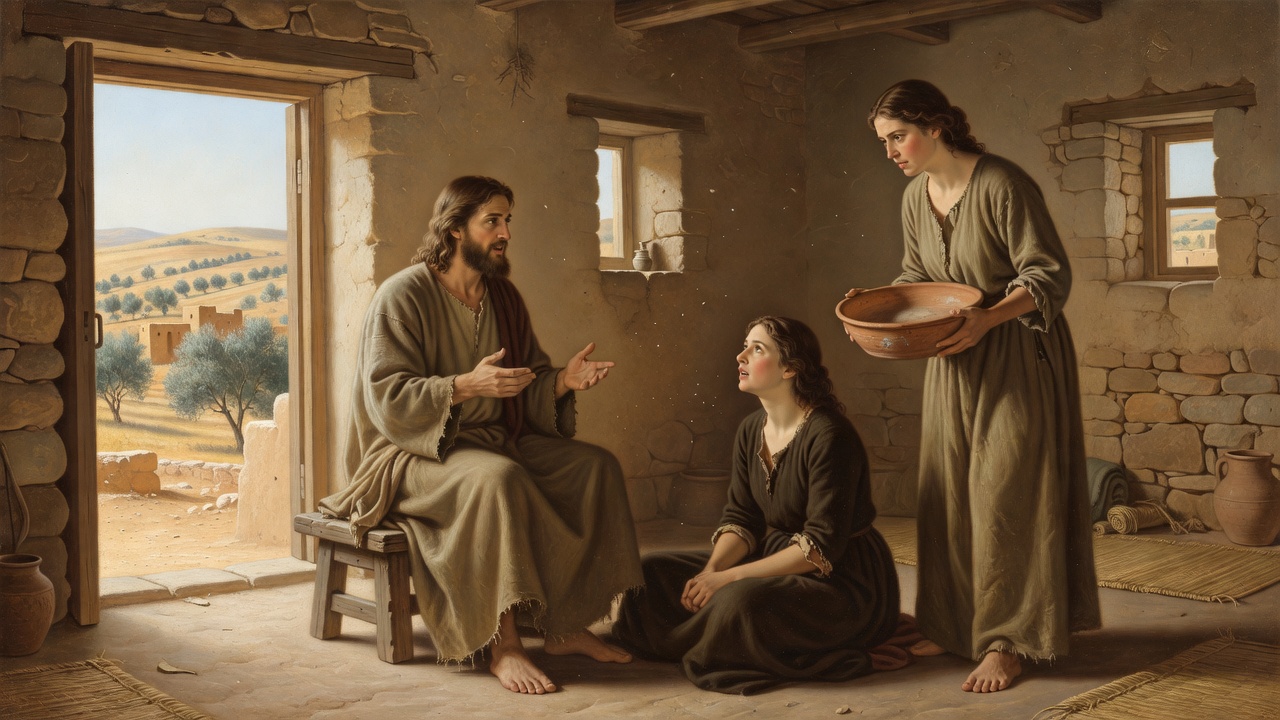
Jesús mía̱ Marta ena María ska' upakök
38Jesús ena ittökatapa míyal ñala̱ wa dö̀ Jerusalén, ta̱ ie'pa de ká̱ tsir ese a̱. Ee̱ alaköl se̱rke eköl kiè Marta, e' tö Jesús kiéwa̱ buaë ie' u a̱. 39Marta ël, kiè María, e' e̱' tkéwa̱ tsi̱net Jesús ska', ta̱ ì cheke Jesús tö e' ttsök ie' tkër. 40Erë Marta wa̱ kanè tso' tai̱ë iu a̱ kanewè̱, e' kue̱ki̱ ie' de Jesús ska' ta̱ ichéitö ie' a̱:
—A Skëkëpa, ye' ël tö ye' méa̱t ekörla u kanéu̱k, ¿e' kë̀ ki̱ be' tkine? Ichö́ ie' a̱ tö ye' ki̱mú. |src="9 CNT5434b.tif" size="col" ref="Lc 10.40"
41Erë Jesús tö iiu̱té:
—A Marta, a Marta, tai̱ë be' e̱' tkiu̱ke kanè tso' tai̱ë be' u a̱ e' ki̱, 42erë íyi etkë̀, e' dör ibua'ie, e' shu̱shté María tö wè̱. Kë̀ yi tö iyepattsa̱ iulà a̱.
Did you know?
The mission, the towns, and Martha and Mary
- Easton's Bible Dictionary (1897) identifies Chorazin, named in this chapter's woes along with Bethsaida and Capernaum, with Kerazeh, about two and a half miles up the Wady Kerazeh from Capernaum. It says that after Jesus was expelled from Nazareth, Capernaum became his own city. The chapter compares those towns with Tyre and Sidon; the dictionary calls Sidon the first home of the Phoenicians on the coast of Palestine and the mother city of Tyre, about twenty-five miles north of Tyre.Sources: the Bible text itself · Chorazin · Capernaum · Sidon
- Easton's Bible Dictionary (1897) gives the name Martha as meaning bitterness, and says that she, her sister Mary, and their brother Lazarus lived at Bethany, with Martha probably the eldest. Because this passage calls the house hers, the dictionary notes that some have supposed she was a widow and that her brother and sister lodged with her. It describes her as anxious and bustling in caring for her guest, unlike Mary, who sat at Jesus' feet and listened.Sources: the Bible text itself · Martha · Mary (sister of Lazarus)
- The Lord appoints seventy-two others and sends them two by two ahead of him, and an event chronology dates that sending to AD 29. When they return, rejoicing that even the demons submit in his name, he says he saw Satan fall like lightning from heaven. Easton's Bible Dictionary (1897) explains the name Satan as adversary or accuser, and notes that the New Testament uses it interchangeably with the devil more than thirty times.Sources: the Bible text itself · 70 Sent Out · Satan
Notes written with AI assistance from open sources (Theographic Bible Metadata, CC BY-SA 4.0; Easton’s Bible Dictionary, public domain) and reviewed before publishing.
Places in this chapter
- Sidon · Today: Sandikli archaeological site in Sidon · 33.561, 35.372 · verses 13, 14
- Tyre · 33.271, 35.196 · verses 13, 14
- Jericho · Today: Tell el Alayiq · 31.852, 35.436 · verse 30
- Jerusalem · 31.777, 35.234 · verses 30, 38
Only places identified with high confidence are shown (90% or more according to the scholarly sources compiled by OpenBible). Period map: DARE (Digital Atlas of the Roman Empire), CC BY 4.0; modern map: © OpenStreetMap contributors; places: OpenBible.info (CC BY 4.0).
Credits and license for this translation
Tte Pa̱'a̱li̱ Me' Skëköl tö Se' a̱
New Testament and Shorter Old Testament in Bribri (CS:bzd:Bribri)
copyright © 2010 Wycliffe Bible Translators, Inc.
Language: Bribri
Translation by: Wycliffe Bible Translators, Inc.
Bribri
bzd
Costa Rica
Copyright Information
© 2010, Wycliffe Bible Translators, Inc. All rights reserved.
This translation text is made available to you under the
terms of the Creative Commons License: Attribution-Noncommercial-No Derivative Works.
( http://creativecommons.org/licenses/by-nc-nd/3.0/ )
In addition, you have permission to port the text to different file formats, as long as you
do not change any of the text or punctuation of the Bible.
You may share, copy, distribute, transmit, and extract portions
or quotations from this work, provided that you include the above copyright
information:
You must give Attribution to the work.
You do not sell this work for a profit.
You do not make any derivative works that change any of the actual words or punctuation of the Scriptures.
Permissions beyond the scope of this license may be
available if you contact
us with your request.
The New Testament and Shorter Old Testament
in Bribri
© 2010, Wycliffe Bible Translators, Inc. All rights reserved.
This translation is made available to you under the terms of the
Creative Commons Attribution-Noncommercial-No Derivatives license 4.0.
You may share and redistribute this Bible translation or extracts from it in any format, provided that:
You include the above copyright and source information.
You do not sell this work for a profit.
You do not change any of the words or punctuation of the Scriptures.
Pictures included with Scriptures and other documents on this site are licensed just for use with those Scriptures and documents.
For other uses, please contact the respective copyright owners.
2014-04-22
Source: http://ebible.org/bzdNTpo/ · eBible.org