Isaiah 53
Buka Tabuna Tefadi · Tap a verse to see its cross-references.
Yaubada ena Tau Paisowa
1Sai haꞌa ema wasa ya kawawananahaꞌen?
Yo Guyau ena gigibwali haꞌa sai ya ita?
2Guyau ena tau paisowa ya in, doha liꞌe ya sipolaꞌa,
yo doha oyagi ya tutuli hasaema tanohi pitapitalina yai.
Nenena ya heyaya be hige ta modeꞌen,
yo hige hewalina yai, haba nuwada i abi.
3Te ita lidilidiyen yo te ꞌwaiyoꞌoꞌen.
In moho kamkamna yo kalapi ya fahoinadi.
Te sana mulimuliyen.
Hige sai laꞌi i fanuha bena nenena i ita,
yo hige ta fafaꞌatitiyen.
4Kamkamnadi te, ita egoba te ginaulidi,
in moho In ya baheidi.
Eda nuwatuhu bena haga ena ankamkamna mate
Yaubada ya fatamaliyama.
5In moho, eda heyaya yai,
sa famwalofo yo tauna sa faꞌomatadi. (Diyon 19:34)
Sa talai, paꞌana eda heyaya debadi yai.
Nuwa talu ya leyama,
be ana omata sa faloholohoda.
6Mahudoꞌida doha sipi gegegedi,
hesa - hesa ena nuwatuhu ya lau watan.
In moho kamkamna bena ita te fahoina
mate Guyau ya fabahei.
7Sa fahisu faheyaya yo sa fakamkamna.
In moho hige somo i libaen;
sa foyahi doha sipi gubugubufwauna be sa wunui.
Hige somo hesa i libaen,
doha sipi sa lawen be olona sa tomodi na hige i kehe.
8Sa au be ana maisa sa felen
na habahim sa lawen be sa wunui.
Hige sai laꞌi i modeꞌen.
Egu dodoga edi heyaheyaya maisadi yai sa wunui.
9In hige i bwalabwala yo hige heyaya laꞌi i ginauli.
In moho maꞌena dodoga inono heyaheyayadi sa toledi,
yo tau fagogo maidana sa boꞌusaidi.
10Guyau ena nuwatuhu yai
bena ena fayofayo tau abina
ya ankamkamna be ya famala antalasam.
Haba dodoga edi heyaya aba nuwa afulenna.
Matabahim haba ya miya fuya lofalofa
be laulauwewena ya itadi.
Guyau ena nuwatuhu mahudoꞌidi
mate ya ginaulidi.
11Yaluyaluwana ena kamkamna mulina yai,
mwahuli malana haba ya ita,
be nuwana ya talu.
Ena sibasiba yai, Egu tau paisowa dudulaina
edi heyaheyaya ya baheidi,
yo ya nuwatuhu afuledi.
12Debana yai ena tefa haba E felen
dodoga fafahesadi ganahewadi yai.
Tau heyaya yo tau loholoho haba ya hinelidi,
paꞌana ena mwahuli ya fele afulen, be ya peꞌi.
Yo tau heyaya maidana sa falau esegahidi.
In moho, eda heyaya ya bahei,
yo tau heyaya edi ya anꞌeta.
Did you know?
The Suffering Servant
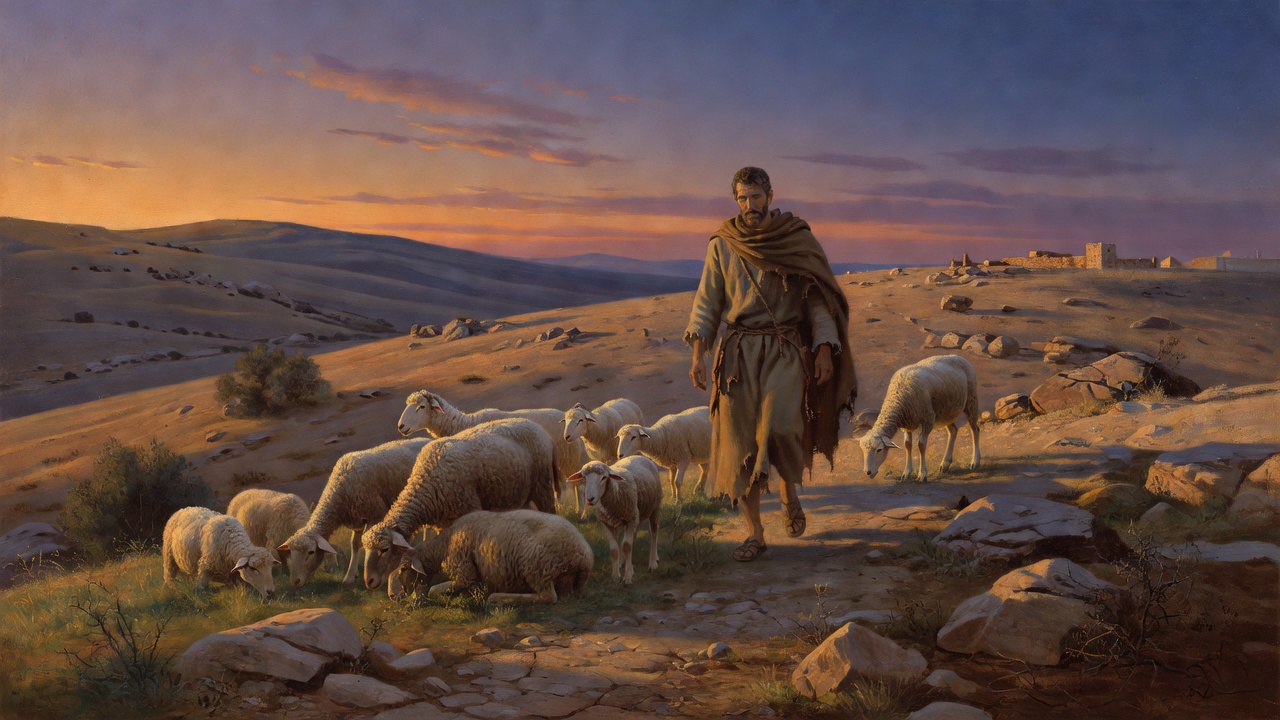
- The poem depicts an unassuming figure described as a tender shoot from dry ground who endures suffering, rejection, and affliction without protest, likened to a silent sheep before its shearers.Sources: the Bible text itself
- The passage portrays the Servant's life as a guilt offering that bears the transgressions of others, promising that after his anguish he will see life, prolong his days, and share spoils with the great.Sources: the Bible text itself
- Chronological traditions place the beginning of the prophetic ministry of Isaiah around 758 BC, spanning a period of more than sixty years.Sources: Prophecies of Isaiah
Notes written with AI assistance from open sources (Theographic Bible Metadata, CC BY-SA 4.0; Easton’s Bible Dictionary, public domain) and reviewed before publishing.
Credits and license for this translation
Buka Tabuna Tefadi
Mark, Acts, and selected excerpts of the Old Testament in the Buhutu language of Papua New Guinea
Buk Baibel long tokples Buhutu long Niugini
copyright © 2015 Wycliffe Bible Translators, Inc.
Language: Buhutu
Translation by: Wycliffe Bible Translators
This translation is made available to you under the terms of the
Creative Commons Attribution-Noncommercial-No Derivatives license 4.0.
You may share and redistribute this Bible translation or extracts from it in any format, provided that:
You include the above copyright and source information.
You do not sell this work for a profit.
You do not change any of the words or punctuation of the Scriptures.
Pictures included with Scriptures and other documents on this site are licensed just for use with those Scriptures and documents.
For other uses, please contact the respective copyright owners.
2015-10-06
Source: http://png.bible/bxh/ · eBible.org