Judges 15
Luda yã takada kↄ̃n Bokobaru yão · Tap a verse to see its cross-references.
Samusĩ tɛ́sↄ̃na Filisitininↄ buraaa
1Kɛ̀ à kɛ̀ gurↄ plaa, burapↄnↄkɛkɛgurↄↄ kà, ben Samusĩ blènɛ bↄ̀rↄ kũ̀ à gàa a nↄↄ pì gwao. À bè: Má yezi mà gá ma naↄ̃zi kpɛ́ guu. Ben à nↄↄ pì de e à gba zɛ́ro 2à bè: Mɛ́ɛ daa n yezinlo, ben ma à kpà n gbɛ̃nnaa. À dãaro maa dɛàla. Ǹ à sɛ́ à gɛ̃ɛ ũ. 3Samusĩ bèńnɛ: Tó ma yã zaaa kɛ̀ a Filisitininↄnɛ sa, mɛ́gↄ̃ taari vĩ dↄro.
4Samusĩ gàa à gbɛ̃ngboonↄ kũ̀kũ wàa do kpɛ́ basↄↄro, ben à sɛ̃̀ yìyi sↄ̀ↄↄsↄↄↄ. À gbɛ̃ngboo pìnↄ vlãa yìyi kↄ̃a plaplaa, ben à sɛ̃̀ pì yìyi ń vlãa pìnↄa. 5À tɛ́ nà sɛ̃̀ pìnↄa, ben à gbɛ̃ngboo pìnↄ gbàrɛ Filisitininↄ bura. Aↄ̃ blɛwɛɛ tɛ́ kũ̀ píngi kↄ̃n ń blɛwɛɛ gbànↄ kↄ̃n ń geepi búnↄ kↄ̃n ń kùkpɛnↄ píngi. 6Ben Filisitininↄ bè: Dé bé à yã kɛ̀ taka kɛ̀wee? Ben wà bè: Samusĩmɛ, Timina gbɛ̃ anzure. À anzure pì à nↄↄ sìamɛ, ben à kpà à gbɛ̃nnaa. Ben Filisitininↄ gàa wà tɛ́ sↄ̃̀ nↄↄ pìa kↄ̃n a deo. 7Samusĩ bèńnɛ: Zaakɛ á kɛ̀ lɛ, mɛ́ kámma boro ai ma gaa gɛ̃ɛ booawa. 8À sì ń tɛ́ à ń kɛ́ dúgudugu, aↄ̃ dɛdɛna pì gɛ̃̀ ↄla, ben à gàa à vɛ̃̀ɛ Etamu gbɛ̀wɛɛn.
Filisitininↄ dɛdɛna kↄ̃n zaaki gɛɛwao
9Filisitininↄ gàa wà bùra kàɛ Yudanↄ bùsun, aↄ̃gↄ̃ kpá guula ai Gɛɛwa saɛ. 10Ben Yudanↄ ń lá wà bè: Bↄ́yãnzin a mↄwazi kↄ̃n zĩ̀ozi? Ben aↄ̃ bè: Wa mↄ wà Samusĩ kũmɛ, lɛ wà kɛnɛ lán à kɛ̀we nà. 11Ben Yudanↄ gↄ̃ↄn bↄrↄ aagↄ̃ↄnↄ gàa Etamu gbɛ̀wɛɛ kiia aↄ̃ bè Samusĩnɛ: Ń dↄ̃ kɛ̀ Filisitininↄ bé wèe kí bleewaroo? Bↄ́ yãn ń kɛ̀we gwee? À wèńla à bè: Pↄ́ kɛ̀ aↄ̃ↄ kɛ̀mɛɛn má kɛ̀ńnɛ. 12Ben aↄ̃ bè: Wa mↄ wà n yi wà n kpáḿmamɛ. Ben Samusĩ bè: À la damɛ kɛ̀ é ma dɛ a zĩndaro. 13Ben aↄ̃ bènɛ: Auo! Wé n dɛro. Wé n yi kↄ̃n bàomɛ wà n nańnɛ ń ↄzĩ. Ben aↄ̃ à yì kↄ̃n bà dufuo mɛ̀n plaa aↄ̃ bↄ̀o gbɛ̀wɛɛ pì guu. 14Kɛ̀ wà kào Gɛɛwa, ben Filisitininↄ mↄ̀ wà daàlɛ, aↄ̃ↄe wuu kaaa. Dii Nini sù Samusĩa, ben bà kɛ̀ wà à yìo a ↄↄnↄa gↄ̃̀ lán zĩndoo tɛ́kũna bà, ben bà pìnↄ zↄ̃̀zↄ̃kↄ̃rɛ à ↄↄa. 15À zaaki gɛ̀ dufu gɛɛwa è, ben à nàɛ à sɛ̀ à gↄ̃ↄn wàa sↄↄroonↄ dɛ̀dɛo. 16Samusĩ bè:
Zaaki gɛɛwan ma gↄ̃ↄn wàa sↄↄroonↄ dɛ̀dɛo,
zaaki gɛɛwan ma ń tↄ̃tↄ̃okↄ̃la.
17Kɛ̀ à yã pì ò à yã̀a, ben à gɛɛwa pì zĩ̀nna. Ben wà tↄ́ kpà guu pìnɛ Gɛɛwa sĩ̀sĩ.
18Ímii à kũ̀ gbãa, ben à wii pɛ̀ Diizi à bè: Ń tò mamↄma n zↄ̀bleri ma zĩ̀ blè maamaa, ben nɛ́ tó mà ga kↄ̃n ímiio mà lɛ́ɛ Filisitini gɛfↄↄdeenↄ ↄzĩↄ́? 19Luda Gɛɛwa gu zòoto pàra, ben í bↄ̀n. Samusĩ mì, ben à wɛ̃̀ndi sù à gbãaa è. Beee yãnzin wè guu pì sísi Ɛnakore. À kú Gɛɛwa ai kↄ̃n a gbã̀ao. 20Samusĩ yã gↄ̃̀gↄ̃ Isarailinↄnɛ ai wɛ̃̀ baro Filisitininↄ kíblemmanagurↄ.
Did you know?
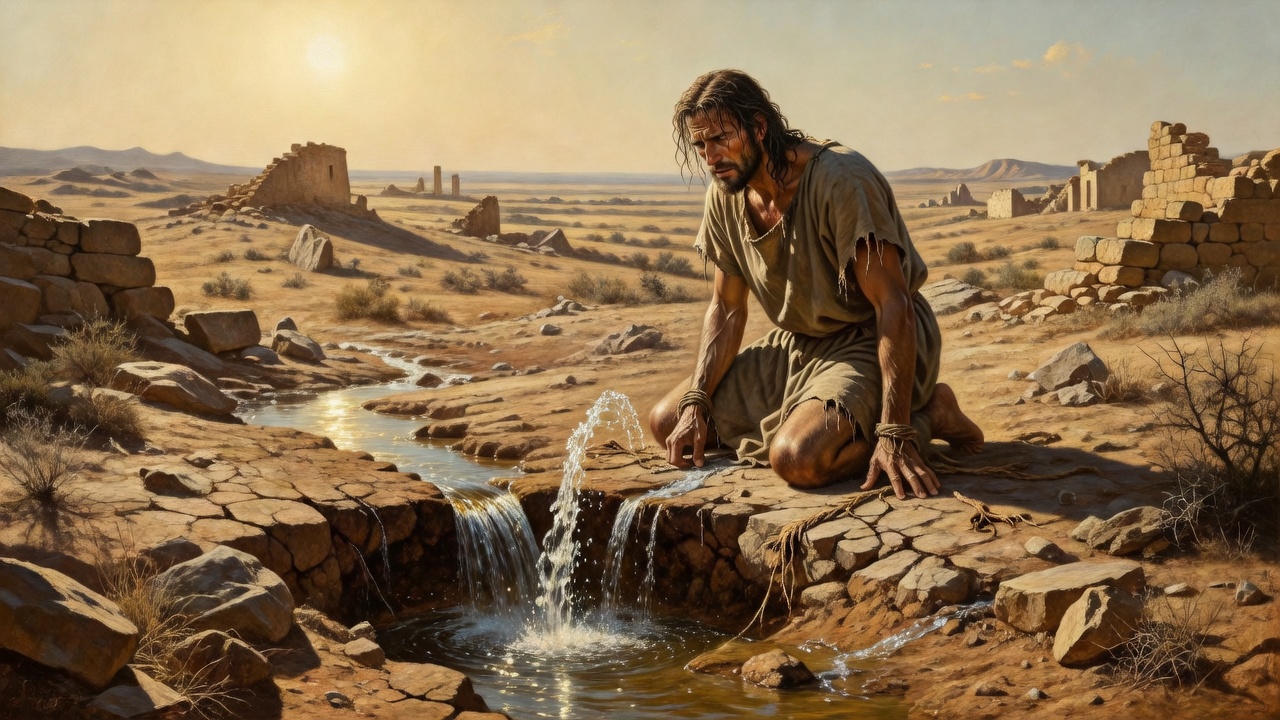
Samson's Vengeance and the Spring at Lehi
- The place name Lehi means jawbone in Hebrew. After defeating a thousand Philistines with a fresh donkey jawbone, Samson named the site Ramath-lehi, which means jawbone height or elevation of Lehi.Sources: Lehi · Ramath-lehi · the Bible text itself
- When Samson cried out in extreme thirst and exhaustion after his victory, God opened a hollow place in Lehi to provide water. The resulting spring was named En-hakkore, meaning fountain of the crier.Sources: En-hakkore · the Bible text itself
- During this era of forty years of Philistine dominion, three thousand men of Judah chose to bind Samson rather than defy their Philistine rulers. Samson served as a judge in Israel for twenty years during this period of Philistine rule.Sources: Philistine Dominion · Judgeship of Samson · the Bible text itself
Notes written with AI assistance from open sources (Theographic Bible Metadata, CC BY-SA 4.0; Easton’s Bible Dictionary, public domain) and reviewed before publishing.
Places in this chapter
- Ramath-lehi · Today: Khirbet es Siyyagh · 31.749, 35.001 · verse 17
Only places identified with high confidence are shown (90% or more according to the scholarly sources compiled by OpenBible). Period map: DARE (Digital Atlas of the Roman Empire), CC BY 4.0; modern map: © OpenStreetMap contributors; places: OpenBible.info (CC BY 4.0).
Credits and license for this translation
Luda yã takada kↄ̃n Bokobaru yão
The New Testament and portions of the Old Testament in the Bokobaru language of Nigeria
copyright © 2005 SIM International
Language: Bokobaru
Translation by: SIM
This translation text is made available to you under the
terms of the Creative Commons License: Attribution-Noncommercial-No Derivative Works.
( http://creativecommons.org/licenses/by-nc-nd/3.0/ )
In addition, you have permission to port the text to different file formats, as long as you
do not change any of the text or punctuation of the Bible.
You may share, copy, distribute, transmit, and extract portions
or quotations from this work, provided that you include the above copyright
information:
You must give Attribution to the work.
You do not sell this work for a profit.
You do not make any derivative works that change any of the actual words or punctuation of the Scriptures.
Permissions beyond the scope of this license may be
available if you contact
us with your request.
This translation is made available to you under the terms of the
Creative Commons Attribution-Noncommercial-No Derivatives license 4.0.
You may share and redistribute this Bible translation or extracts from it in any format, provided that:
You include the above copyright and source information.
You do not sell this work for a profit.
You do not change any of the words or punctuation of the Scriptures.
Pictures included with Scriptures and other documents on this site are licensed just for use with those Scriptures and documents.
For other uses, please contact the respective copyright owners.
2014-09-22
Source: http://ebible.org/bus/ · eBible.org