Genesis 20
Luda yã takada kↄ̃n Bokobaru yão · Tap a verse to see its cross-references.
Ibraĩ kↄ̃n Abimɛlɛkio
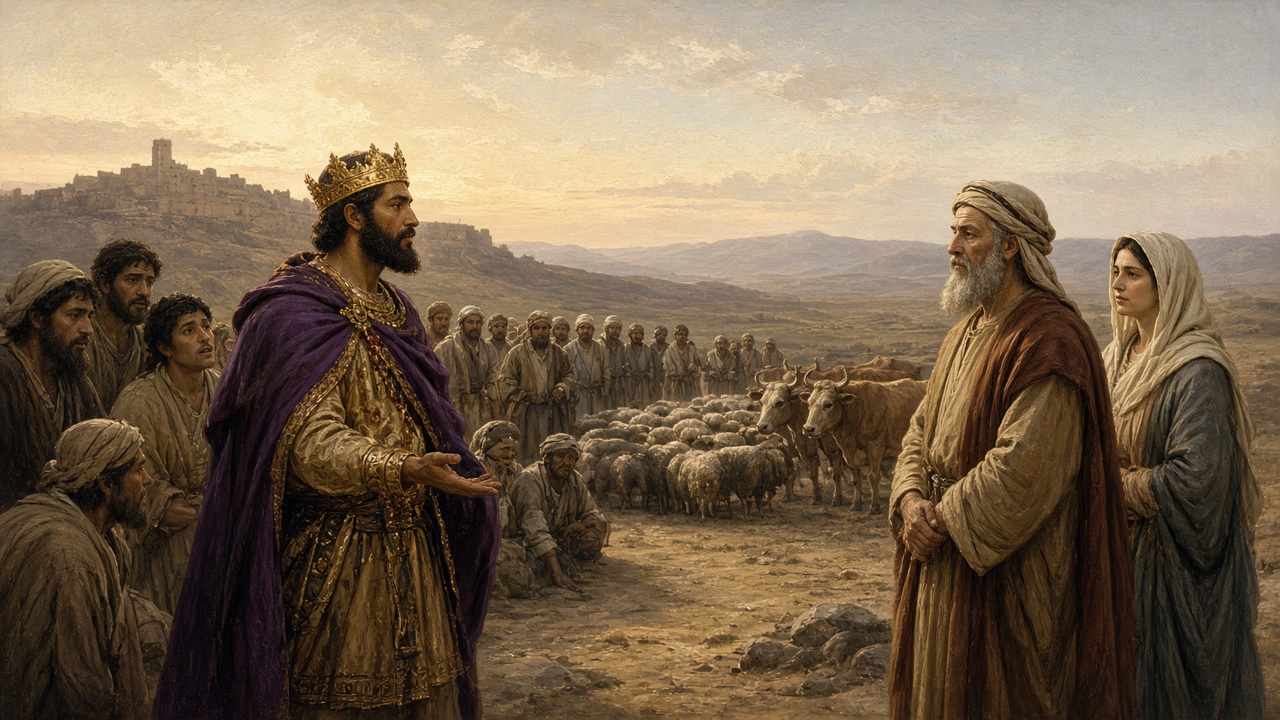
1Ben Ibraĩ fɛ̀ɛ gwe à gàa Nɛgɛvi bùsun Kadɛsi kↄ̃n Suruo dagura. Kɛ̀ à gàa à vɛ̃̀ɛ Gera, 2à bè a naↄ̃ Sara nɛ́ a dãremɛ, ben Gera kí Abimɛlɛki gbɛ̃ zĩ̀ à à sɛ̀ à sùo. 3Ben Luda bↄ̀ à mↄ̀ Abimɛlɛkizi nanaa guu gwãavĩ à bènɛ: Nɛ́ ga nↄↄ kɛ̀ ń sɛ̀ pì yãnzi, zaakɛ nↄzãreemɛ. 4À mↄ̀ à lè Abimɛlɛki e daɛo kↄ̀ro, ben à bè: Dii, nɛ́ borii kɛ̀ aↄ̃ↄe yãke kɛroonↄ dɛdɛn yↄ́? 5Àmbe à bèmɛ a dãrenloo? Nↄgbɛ̃ pì sↄ̃ bè a dãgↄ̃mɛ. Ma yã kɛ̀ a zɛ́amɛ, má taari vĩro. 6Ben Luda bènɛ nanaa pì guu: Eè, má dↄ̃ kɛ̀ n yã kɛ̀ a zɛ́amɛ. Beee yãnzi ma kpannɛ ǹton durun kɛmɛro, mɛ́ɛ we n ↄ kɛ̀ nↄgbɛ̃ pìaro. 7Tia sa, à gↄ̃gbɛ̃ pì nↄↄ kpáa, zaakɛ annabimɛ. Eé adua kɛnnɛ lɛ ǹ gↄ̃ aafia. Tó nɛ́ɛ à nↄↄ pì kpáa sↄ̃ro, ǹgↄ̃ dↄ̃ kɛ̀ n gamɛ, mpi kↄ̃n n gbɛ̃nↄ a píngi.
8Ben Abimɛlɛki fɛ̀ɛ kↄngↄ idɛ'idɛ, à a gbɛ̃nↄ sìsi à yã pì tↄ̃kɛ̃̀ńnɛ ń píngi, ben vĩa ń kũ maamaa. 9Ben Abimɛlɛki Ibraĩ sìsi à bènɛ: Bↄ́yãnzi ń kɛ̀we lɛzi? Bↄ́ taarin má kɛ̀nnɛ gbasa ń tò ma gↄ̃ durundee ũ kↄ̃n ma bùsuo? N yã kɛ̀ dɛ wà kɛroo kɛ̀mɛ. 10Bↄ́ laasuu ń lɛ̀ gbasa n yã pì kɛ̀? 11Ibraĩ wèàla à bè: Mɛ́ɛ daa yã gbɛ̃kee Luda vĩa vĩ bùsu kɛ̀kii guuro, weé ma dɛ ma naↄ̃ yãnzimɛ. 12Beee gbɛra nↄgbɛ̃ pì nɛ́ ma dãremɛ yãpura. Wa de dↄ̃nkↄ̃mɛ, baade kↄ̃n a dao, ben à gↄ̃̀ ma nↄↄ ũ. 13Kɛ̀ Luda ma bↄ ma de bɛ yã, mɛ́ɛ likↄ̃aa zↄ̃ↄ, ben ma bè ma nↄↄ pìnɛ guu kɛ̀ wé gán píngi, à gbɛ̃kɛɛ kɛmɛ àgae be a dãgↄ̃n ma ũ. 14Ben Abimɛlɛki mↄ̀ kↄ̃n sãanↄ kↄ̃n zùnↄ kↄ̃n gↄ̃gbɛ̃ zĩkɛrinↄ kↄ̃n nↄgbɛ̃ zĩkɛrinↄ à kpà Ibraĩa, ben à à naↄ̃ sↄ̀kpanɛ. 15Ben Abimɛlɛki bè: Ma bùsun yɛ̀, ǹ vɛ̃ɛ guu kɛ̀ ń yezin. 16Ben à bè Saranɛ: Ma kondogi ↄↄ bↄrↄ doo kpà n dãgↄ̃a agbaakpabↄ ũ, lɛ gbɛ̃ kɛ̀ aↄ̃ↄ kúnyonↄ dↄ̃ ń píngi kɛ̀ nɛ́ɛ taari kɛro. 17Ben Ibraĩ wɛ́ɛ kɛ̀ Ludaa, ben Luda Abimɛlɛki gbà aafia kↄ̃n à naↄ̃o kↄ̃n à nↄ yìgisainↄ, lɛ aↄ̃ nɛ́ i, 18zaakɛ Dii tò Abimɛlɛki bɛ nↄgbɛ̃nↄ pãa kũ̀ yã Ibraĩ naↄ̃ yã musu.
Did you know?
Sister and Wife in Gerar
- Abraham was staying in Gerar, a very ancient town and district on the southern border of Palestine, then ruled by a king named Abimelech. He had journeyed to the Negev, the arid district south of Palestine on the caravan route toward Egypt, and settled between Kadesh and Shur. Shur, a name meaning “wall,” was a desert region on Egypt’s northeastern edge, probably named for the frontier wall the Egyptians built there.Sources: the Bible text itself · Gerar · Negeb · Shur
- When Abraham said that Sarah was his sister, the kinship was not wholly invented: she was also his half-sister, the daughter of his father but not of his mother. Easton's Bible Dictionary (1897) gives the name Sarah as meaning “princess,” and says that name was given when it was announced that she would be the mother of the promised child.Sources: the Bible text itself · Sarah
- The name Abimelech appears again at Gerar in Isaac’s story. Easton's Bible Dictionary (1897) describes that later king as probably the son of the Abimelech Abraham met, and says he rebuked Isaac for a similar deception about his wife Rebekah, which the king discovered by accident. The same work says Gerar seems to have been a rich pastoral country.Sources: Abimelech (King of Gerar) · Gerar
Notes written with AI assistance from open sources (Theographic Bible Metadata, CC BY-SA 4.0; Easton’s Bible Dictionary, public domain) and reviewed before publishing.
Places in this chapter
- Negeb · 31.245, 34.841 · verse 1
Only places identified with high confidence are shown (90% or more according to the scholarly sources compiled by OpenBible). Period map: DARE (Digital Atlas of the Roman Empire), CC BY 4.0; modern map: © OpenStreetMap contributors; places: OpenBible.info (CC BY 4.0).
Credits and license for this translation
Luda yã takada kↄ̃n Bokobaru yão
The New Testament and portions of the Old Testament in the Bokobaru language of Nigeria
copyright © 2005 SIM International
Language: Bokobaru
Translation by: SIM
This translation text is made available to you under the
terms of the Creative Commons License: Attribution-Noncommercial-No Derivative Works.
( http://creativecommons.org/licenses/by-nc-nd/3.0/ )
In addition, you have permission to port the text to different file formats, as long as you
do not change any of the text or punctuation of the Bible.
You may share, copy, distribute, transmit, and extract portions
or quotations from this work, provided that you include the above copyright
information:
You must give Attribution to the work.
You do not sell this work for a profit.
You do not make any derivative works that change any of the actual words or punctuation of the Scriptures.
Permissions beyond the scope of this license may be
available if you contact
us with your request.
This translation is made available to you under the terms of the
Creative Commons Attribution-Noncommercial-No Derivatives license 4.0.
You may share and redistribute this Bible translation or extracts from it in any format, provided that:
You include the above copyright and source information.
You do not sell this work for a profit.
You do not change any of the words or punctuation of the Scriptures.
Pictures included with Scriptures and other documents on this site are licensed just for use with those Scriptures and documents.
For other uses, please contact the respective copyright owners.
2014-09-22
Source: http://ebible.org/bus/ · eBible.org