Genesis 19
Luda yã takada kↄ̃n Bokobaru yão · Tap a verse to see its cross-references.
Sↄdↄmu kↄ̃n Gↄmↄrao kaatɛna
1Kɛ̀ malaika gↄ̃ↄn plaaa pìnↄ kà Sↄdↄmu uusiɛ, Lutu vɛ̃ɛna Sↄdↄmu bĩi kpɛɛlɛ. Kɛ̀ à ń é, à fɛ̀ɛ à gàa à dàńlɛ à kùɛńnɛ à dàɛ a puua 2à bè: Ma diinↄ, a yã nna! À mↄ́ à gá pita mamↄma a zↄ̀bleri bɛ. À zú o à i kɛ̀, zia kↄngↄ idɛ'idɛ é da zɛ́n. Aↄ̃ bè: Auo, wé i gãalɛmɛ. 3Lutu nàkↄ̃rɛḿma maamaa, ben aↄ̃ gɛ̃̀ à kpɛ́n. À ń yàari kɛ̀ maamaa à masa kɛ̀ńnɛ, ben aↄ̃ↄ sò.
4Ai aↄ̃gↄ̃ gá daɛ, Sↄdↄmudeenↄ lìga Lutu kpɛ́zi. Wɛ́tɛ pì gↄ̃gbɛ̃nↄ kàkↄ̃a gwe mámmam, gↄ̃kparɛnↄ kↄ̃n gbɛ̃nsinↄ ń píngi. 5Aↄ̃ lɛ́ zù Lutuzi wà bè: Gↄ̃gbɛ̃ kɛ̀ aↄ̃ pìta n bɛ uusiɛanↄↄ kú máa? Ǹ bↄɛńyowe, wà pãpãa kɛńyo. 6Lutu bↄ̀ à zɛ̀ kpɛɛlɛ ń kiia, à gbà tàta kpɛɛo 7à bè: O'o ma gbɛ̃nↄ, àton yã zaaa kɛro. 8Má nɛ́nↄgbɛ̃nↄ vĩ gↄ̃ↄn plaa kɛ̀ aↄ̃ↄ gↄ̃gbɛ̃ dↄ̃ro, mɛ́ ń bↄɛare. Lán á yezi nà à kɛńyo, mↄde àton yãke kɛ gↄ̃gbɛ̃ kɛ̀kiinↄnɛro, zaakɛ aↄ̃ pìta ma bɛmɛ. 9Aↄ̃ bènɛ: Ǹ guwe gwe! Ben aↄ̃ bè dↄ: Gbɛ̃ kɛ̀ nɛ́ gbɛ̃ zĩ̀tↄmɛ, ben à yezi à kɛ wa yãkpaɛkɛri ũ. Wé yã zaaa kɛnnɛ dɛ ń pↄ́la. Ben aↄ̃ kùsia gbãaao, aↄ̃ↄe mↄↄ kpɛ́ gbà gboro. 10Ben gↄ̃ↄn plaaa pìnↄ ↄ bↄ̀ wà Lutu kũ̀ aↄ̃ gɛ̃̀o kpɛ́n, ben aↄ̃ zɛ́ tàta. 11Aↄ̃ↄ tò vĩ̀a gbɛ̃ kɛ̀ aↄ̃ↄ kú kpɛɛlɛnↄ kũ̀ ń píngi nɛ́ féte gbɛ̃nsi, ben aↄ̃ↄe kpɛ́ gbà wɛtɛɛ ai aↄ̃ kpàsa. 12Gↄ̃ↄn plaaa pìnↄ bè Lutunɛ: Dé ń vĩ kɛ̀ dↄↄ? Nɛ́gↄ̃gbɛ̃nↄ, nɛ́nↄgbɛ̃nↄ, n nɛ́ anzurenↄ kↄ̃n gbɛ̃ kɛ̀ aↄ̃ↄ dɛ n gbɛ̃ ũunↄ wɛ́tɛ guu ń píngi. Ǹ bↄɛńyo, 13zaakɛ wa mↄ wà gura kɛ̀ kaatɛmɛ. Yã zaaa kɛ̀ wèe oo wɛ́tɛ pì deenↄ musu gɛ̃̀ Dii swãn, ben à wa zĩ wà wɛ́tɛ pì kaatɛ. 14Lutu bↄ̀ à gàa à ò a nɛ́nↄ anzurenↄnɛ à bè: À fɛɛ wà bↄɛ, zaakɛ Dii é wɛ́tɛ kɛ̀ pì kaatɛ tiamɛ. Ben aↄ̃ↄe daa èe fàadi boomɛ.
15Kɛ̀ guu dↄ̀ malaika pìnↄ nàkↄ̃rɛ Lutua wà bè: Ǹ fɛɛ ǹ n naↄ̃ kↄ̃n n nɛ́nↄgbɛ̃ gↄ̃ↄn plaaa kɛ̀nↄ sɛ́ɛ ǹ bↄɛńyo kɛ̀, lɛ ǹton ga wɛ́tɛ pì kaatɛna guuro yãnzi. 16Kɛ̀ Lutu e seka kɛɛ, Dii à wɛ̃nda bò, ben gↄ̃ↄn plaaa pìnↄ à kũ̀ a ↄↄa kↄ̃n à naↄ̃o kↄ̃n à nɛ́nↄgbɛ̃ gↄ̃ↄn plaaanↄ, aↄ̃ bↄ̀ɛńyo wɛ́tɛ kpɛɛ. 17Kɛ̀ aↄ̃ bↄ̀ɛńyo lɛ, ben malaika pìnↄ doke bè Lutunɛ: Ǹ bàa lɛ́ ǹ n zĩnda mì sí. Ǹton kpɛɛ gwaro. Ǹton zɛ guzurɛ pì guuro. Ǹ bàa lɛ́ ǹ mì pɛ́ kpiiinↄa lɛ ǹton garo yãnzi. 18Ben à bèńnɛ: Auo ma dii! N yã nna! 19Mamↄma n zↄ̀bleri ma n pↄnnaa è, n gbɛ̃kɛɛ kɛ̀mɛ maamaa, n ma mì sì. Mↄde mɛ́ fↄ̃ mà bàa lɛ́ mà kpiii pìnↄ kii lero. Ai màgↄ̃ gá ká gwe, kaatɛna pì é ma le mà ga. 20Ǹ lakutu ke gwa kãaa. Lán à kĩi nà, mɛ́ fↄ̃ mà bàa lɛ́ mà gá gwe. Lakutu nɛ́ngomɛ sↄ̃. Ǹ tó mà bàa sí mà tá gwe, mɛ́gↄ̃ aafia. Asa à nɛ́ngoroo? 21Ben à bènɛ: Ma n gba zɛ́, mɛ́ lakutu kɛ̀ nɛ́ɛ oo pì kaatɛro. 22Ǹ bàa lɛ́ ǹ tá gwe kpakpaa, zaakɛ mɛ́ yãke kɛ gĩaro ai ǹ gá káo gwe. Beee yãnzin wà tↄ́ kpà lakutu pìnɛ Zoa.
23Kɛ̀ Lutu Zoa lè, ↄfãntɛ̃ e fɛɛɛ, 24ben Dii tò tɛ́ kↄ̃n ↄfãntɛ̃gbↄ̃o bↄ̀ musu à kà Sↄdↄmu kↄ̃n Gↄmↄraola. 25À wɛ́tɛ pìnↄ kàatɛ kↄ̃n gbɛ̃nↄ kↄ̃n guzurɛ pìo kↄ̃n línↄ kↄ̃n sɛ̃̀nↄ píngi. 26Kɛ̀ Lutu naↄ̃ a kpɛɛ gwà, ben à lì à gↄ̃̀ zɛna wisi gbɛ̀ ũ.
27Kɛ̀ guu dↄ̀, Ibraĩ fɛ̀ɛ kↄngↄ idɛ'idɛ, à gàa guu kɛ̀ à kún yã kↄ̃n Diio pìn. 28Kɛ̀ à Sↄdↄmu kↄ̃n Gↄmↄrao kpaa gwà kↄ̃n guzurɛ pìo píngi, à è tɛ́sukpɛ e fɛɛɛ tↄↄtɛ lán mↄ̀datɛ tɛ́sukpɛ bà. 29Lɛmɛ kɛ̀ Luda guzurɛ kɛ̀ Lutu kún wɛ́tɛnↄ kàatɛ lɛ, Ibraĩ yã dↄ̀n, ben à Lutu bↄ̀ wɛ́tɛ kɛ̀ à kàatɛ pìnↄ guu.
Lutu boriinↄ
30Kɛ̀ Lutu bↄ̀ Zoa, à gàa à vɛ̃̀ɛ kpiiinↄ tɛ́ kↄ̃n a nɛ́nↄgbɛ̃ gↄ̃ↄn plaaanↄ, kɛ̀ à kuuna Zoa vĩa vĩ yãnzi. Ben à gↄ̃̀ kú gbɛ̀wɛɛn kↄ̃n a nɛ́nↄgbɛ̃ pìnↄ. 31Ben Yↄ̃ↄ bè Bãanɛ: Wa de zi kũ̀, ben gↄ̃gbɛ̃ kee kú bùsun à daɛwao lán wè kɛ nàro. 32Ǹ mↄ́ wà wɛ̃ɛ kákanɛ wé daɛo, lɛ wàgↄ̃ wa borii e à gãzĩ. 33Gwãavĩ beeea aↄ̃ wɛ̃ɛ kàkanɛ, ben Yↄ̃ↄ gàa à dàɛo. Lutu e dↄ̃ gurↄↄ kɛ̀ à dàɛao ke gurↄↄ kɛ̀ à fɛ̀ɛro.
34Kɛ̀ guu dↄ̀ Yↄ̃ↄ bè Bãanɛ: Ma daɛ kↄ̃n ma deo gĩa. Wà wɛ̃ɛ kákanɛ uusiɛa dↄ, nɛ́ gá ǹ daɛo, lɛ wàgↄ̃ wa borii ee à gãzĩ. 35Gwãavĩ beeea dↄ aↄ̃ wɛ̃ɛ kàkanɛ, ben Bãa gàa à dàɛo. Lutu e dↄ̃ gurↄↄ kɛ̀ à dàɛao ke gurↄↄ kɛ̀ à fɛ̀ɛro. 36Lɛmɛ Lutu nɛ́nↄgbɛ̃ gↄ̃ↄn plaaa pìnↄↄ kɛ̀ lɛ wà nↄ̀ sìo. 37Yↄ̃ↄ nɛ́ ì gↄ̃gbɛ̃ ũ, ben à tↄ́ kpànɛ Mↄabu. Àmbe Mↄabu borii kɛ̀ aↄ̃ↄ kuu ai gbã̀anↄ dezi káaku ũ. 38Bãa nɛ́ ì gↄ̃gbɛ̃ ũ se, ben à tↄ́ kpànɛ Bɛnami. Àmbe Amↄni borii kɛ̀ aↄ̃ↄ kuu ai gbã̀anↄ dezi káaku ũ.
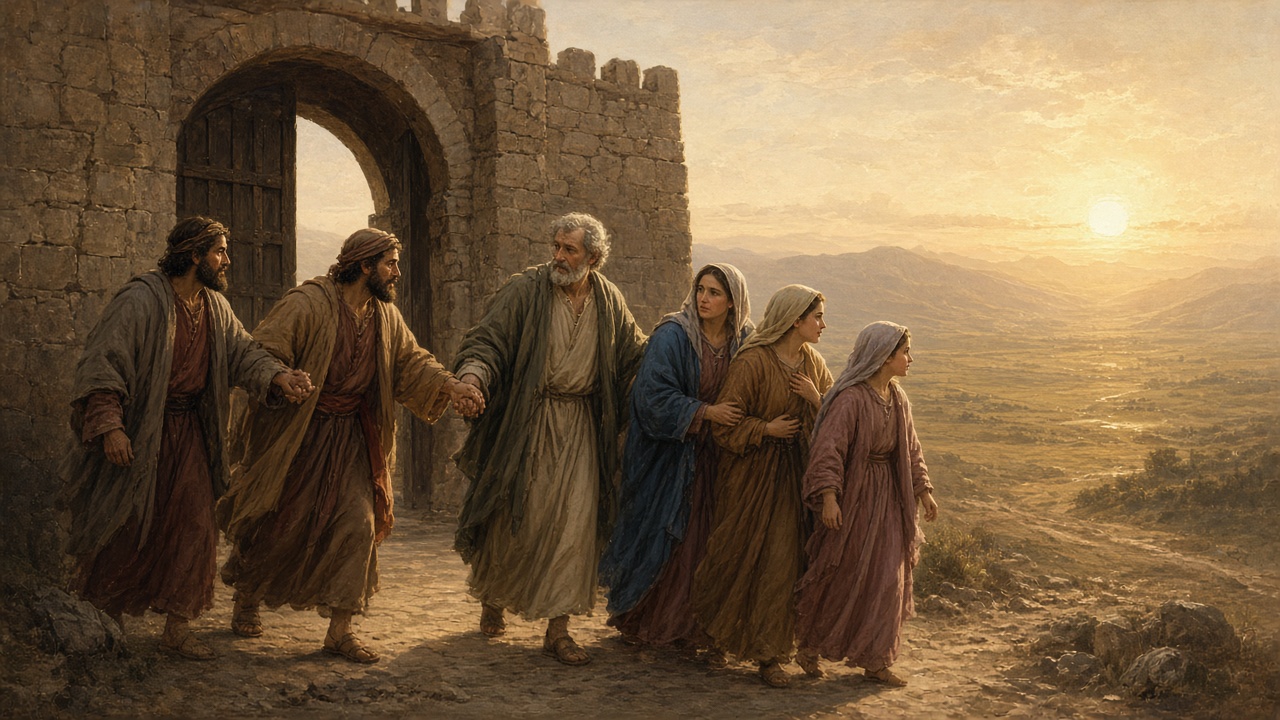
Did you know?
The Destruction of Sodom and Gomorrah
- The town Lot begged to flee to was Zoar, a name Easton's Bible Dictionary (1897) explains as “small,” matching his plea that it was only a little place. The same entry says it was first called Bela and lay east or southeast of the Dead Sea, and that the prophets Isaiah and Jeremiah later refer to it.Sources: Zoar · the Bible text itself
- Easton's Bible Dictionary (1897) gives Sodom, in the vale of Siddim, the meaning “burning” or “the walled,” and says the wickedness of its inhabitants brought down fire from heaven that destroyed the city. The same dictionary explains Gomorrah as “submersion,” one of five cities of that plain, and says they probably stood close together near the northern end of what is now the Dead Sea, and that Gomorrah is always mentioned next after Sodom.Sources: Sodom · Gomorrah · the Bible text itself
- Lot’s older daughter named her son Moab, and the narrative calls him the father of the Moabites, a name later books use for that people. The younger daughter named her son Ben-ammi, father of the Ammonites; Easton's Bible Dictionary (1897) explains Ben-ammi as “son of my kindred” and identifies him as Lot’s son by his youngest daughter.Sources: the Bible text itself · Moab · Ben-ammi
Notes written with AI assistance from open sources (Theographic Bible Metadata, CC BY-SA 4.0; Easton’s Bible Dictionary, public domain) and reviewed before publishing.
Places in this chapter
Only places identified with high confidence are shown (90% or more according to the scholarly sources compiled by OpenBible). Period map: DARE (Digital Atlas of the Roman Empire), CC BY 4.0; modern map: © OpenStreetMap contributors; places: OpenBible.info (CC BY 4.0).
Credits and license for this translation
Luda yã takada kↄ̃n Bokobaru yão
The New Testament and portions of the Old Testament in the Bokobaru language of Nigeria
copyright © 2005 SIM International
Language: Bokobaru
Translation by: SIM
This translation text is made available to you under the
terms of the Creative Commons License: Attribution-Noncommercial-No Derivative Works.
( http://creativecommons.org/licenses/by-nc-nd/3.0/ )
In addition, you have permission to port the text to different file formats, as long as you
do not change any of the text or punctuation of the Bible.
You may share, copy, distribute, transmit, and extract portions
or quotations from this work, provided that you include the above copyright
information:
You must give Attribution to the work.
You do not sell this work for a profit.
You do not make any derivative works that change any of the actual words or punctuation of the Scriptures.
Permissions beyond the scope of this license may be
available if you contact
us with your request.
This translation is made available to you under the terms of the
Creative Commons Attribution-Noncommercial-No Derivatives license 4.0.
You may share and redistribute this Bible translation or extracts from it in any format, provided that:
You include the above copyright and source information.
You do not sell this work for a profit.
You do not change any of the words or punctuation of the Scriptures.
Pictures included with Scriptures and other documents on this site are licensed just for use with those Scriptures and documents.
For other uses, please contact the respective copyright owners.
2014-09-22
Source: http://ebible.org/bus/ · eBible.org