2 Kings 20
Luda yã takada kↄ̃n Bokobaru yão · Tap a verse to see its cross-references.
Ɛzɛkaya gyãkɛna
1Gurↄ beeea Ɛzɛkaya gyãa kɛ̀ à kà gana, ben annabi Isaya, Amↄzu nɛ́ gàa à à lè à bènɛ: Dii bè ǹ lɛ́ diɛ n gbɛ̃nↄnɛ, zaakɛ nɛ́ɛ mↄↄ gamɛ, nɛ́ fɛɛ dↄro. 2Ben Ɛzɛkaya aɛ dↄ̀ gũ̀a à wɛ́ɛ kɛ̀ Diia 3à bè: Dii, n yã nna! Zaakɛ ma dↄnzi kↄ̃n yãpuraao, bensↄ̃ ma yã kɛ̀ ń yezi kɛ̀ kↄ̃n nↄ̀sɛo do, ǹ tó à dↄngu. Ben à wɛ̃nda ↄ́ↄ dↄ̀. 4Lɛ Isaya gↄ̃ gá bↄ ua, ben Dii yã sùa à bè: 5Ǹ gá ǹ o ma gbɛ̃nↄ dↄn'aɛde Ɛzɛkayanɛ, kɛ̀ mamↄma Dii à dezi Dauda Luda, ma bè ma à aduakɛna mà, ma à wɛ́ɛ'i è. Mɛ́ à kɛ̃kↄ̃a, à gurↄ aagↄ̃dee zĩ eé gá ma kpɛ́n. 6Ma à gurↄↄ kàaranɛ wɛ̃̀ gɛ̃ro. Mɛ́ à sí Asirianↄ kínaa kↄ̃n wɛ́tɛ kɛ̀o. Mɛ́ gí kↄ̃n wɛ́tɛ kɛ̀o ma zĩnda yãnzi kↄ̃n ma zↄ̀bleri Dauda yão.
7Isaya bè wà kãkã bɛɛ lↄ́. Kɛ̀ wà lↄ̀, wà dↄ̀kↄ à bↄ̀gĩia, ben à kɛ̃̀kↄ̃a. 8Ben Ɛzɛkaya Isaya là à bè: Zaakɛ Dii bè é ma kɛ̃kↄ̃a mɛ́ gá a kpɛ́n à gurↄ aagↄ̃dee zĩ, bↄ́ bé eégↄ̃ dɛ à sèeda ũu? 9Ben Isaya wèàla à bè: Sèeda kɛ̀ Dii é kɛnnɛ lɛ́ kɛ̀ à gbɛ̃̀nnɛ yã musun yɛ̀. Ɔra kɛ̀ ↄfãntɛ̃ e suuo Aaza didikiinↄa, ń yezi à gá ai à gbápɛki mɛ̀n kurian yↄ́, ke à ɛara à su kpɛɛ kpa mɛ̀n kuriamɛ? 10Ben Ɛzɛkaya wèàla à bè: Ɔra pitana gbápɛki mɛ̀n kuria zĩ'ũro. À tó à ɛara à sↄkpa kpɛɛ kpa gbápɛki mɛ̀n kuria. 11Kɛ̀ annabi Isaya Dii wɛ́ɛ kɛ̀, ben ↄra kɛ̀ ↄfãntɛ̃ e suuo ɛ̀ara à sↄ̀kpa gbápɛki mɛ̀n kuri kɛ̀ à pìtaa yãanↄa.
Babilↄnu bùsu zĩ̀rinↄ mↄna Yerusalɛmu
12Gurↄ beeea Baladã nɛ́ Mɛrodaki Baladã, Babilↄnu kína takada kpã̀sã Ɛzɛkayanɛ kↄ̃n gbaao, kɛ̀ à à gyãkɛna baaru mà yãnzi. 13Ɛzɛkaya gbãakɛɛ kpà zĩ̀ri pìnↄzi à gàańyo a laasin, à a kondogi pↄ́nↄ ↄ̀dↄańnɛ kↄ̃n vura pↄ́nↄ kↄ̃n pↄ́ gũ nnannaanↄ kↄ̃n nↄ́si maaao. À gàańyo a gↄ̃kɛbↄkaɛkiin dↄ à a auzikinↄ ↄ̀dↄańnɛ mámmam. Pↄ́kee kú à bɛ ke à bùsun kɛ̀ à gì ↄdↄańnɛziro. 14Ben annabi Isaya gàa à à lè à à là à bè: Yã kpareen gbɛ̃ pìnↄↄ ònnɛɛ? Zaa mákpan aↄ̃ bↄ̀n wà mↄ̀ n kiiaa? Ben Ɛzɛkaya wèàla à bè: Aↄ̃ bↄkii zã̀, Babilↄnun aↄ̃ bↄ̀n. 15Ben Isaya à là à bè: Bↄ́n aↄ̃ↄ è n bɛɛ? À wèàla à bè: Aↄ̃ ma bɛ pↄ́ píngi è. Ma auziki kee kuu kɛ̀ ma gi ↄdↄańnɛziro. 16Ben Isaya bènɛ: Ǹ yã kɛ̀ Dii ò ma: 17Gurↄↄ e mↄↄ, weé n bɛ pↄ́ píngi kↄ̃n auziki kɛ̀ n dezinↄ tònnɛ ń kũna ai gbã̀anↄ sɛ́ɛ wà táo Babilↄnu. Dii bè à ke é gↄ̃ro. 18Weé nɛ́ kɛ̀ nɛ́ ń i kenↄ sɛ́ɛ wà táńyo, aↄ̃é gↄ̃ Babilↄnu kíbɛ zĩkɛrinↄ ũ. 19Ben Ɛzɛkaya bè Isayanɛ: Dii yã kɛ̀ ń òmɛɛ pì maa. Zaakɛ èe daa vɛ̃ɛna aafia yãkete sai égↄ̃ kuu ai a wɛ̃̀ndi lɛ́mmɛ. 20Ɛzɛkaya yã kpaaanↄ kↄ̃n à nɛ́gↄ̃gbɛ̃kɛyãnↄↄ kú Yudanↄ kínanↄ gĩayãkɛnanↄ takadan. Lán à íkaɛkii kɛ̀ nà kↄ̃n íbaazɛ kɛ̀ à bↄ̀ gbɛ̀n è mↄ́ kↄ̃n ío wɛ́tɛ guu kú gwe dↄ. 21Kɛ̀ à kà a dezinↄla, ben à nɛ́ Manase vɛ̃̀ɛ à gbɛ̀n.
Did you know?
Hezekiah's Illness and the Babylonian Envoys
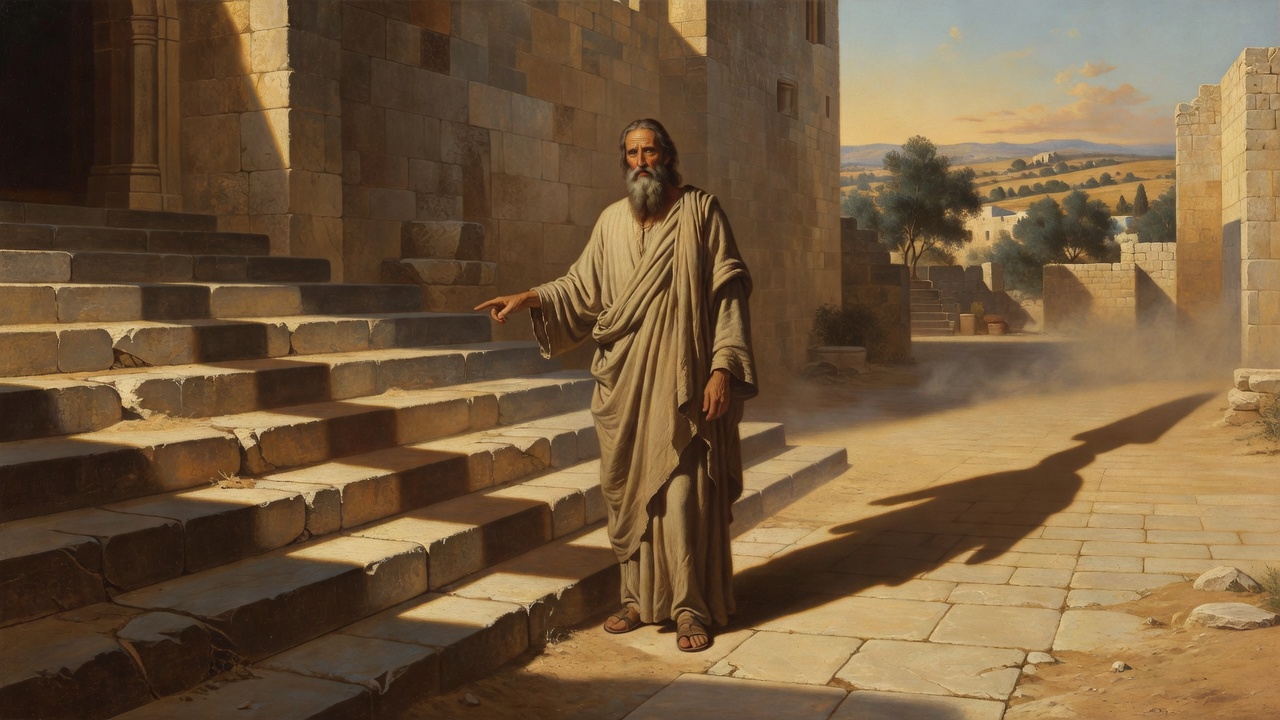
- When Hezekiah asked for a confirming sign that he would recover from his mortal illness, the shadow retreated ten steps on the stairway of his father and predecessor, Ahaz.Sources: the Bible text itself · Ahaz · Hezekiah
- Merodach-baladan, son of Baladan and king of Babylon, sent letters and a gift upon hearing of Hezekiah's recovery. After Hezekiah showed the envoys all the silver, gold, spices, and weapons in his storehouses, Isaiah announced that these treasures and royal descendants would one day be carried off to Babylon.Sources: the Bible text itself · Baladan · Babylon
- Beyond his religious reforms and military defenses, the biblical text records Hezekiah's engineering feat of constructing a pool and a tunnel to bring water directly into the city of Jerusalem.Sources: the Bible text itself · Hezekiah
Notes written with AI assistance from open sources (Theographic Bible Metadata, CC BY-SA 4.0; Easton’s Bible Dictionary, public domain) and reviewed before publishing.
Places in this chapter
Only places identified with high confidence are shown (90% or more according to the scholarly sources compiled by OpenBible). Period map: DARE (Digital Atlas of the Roman Empire), CC BY 4.0; modern map: © OpenStreetMap contributors; places: OpenBible.info (CC BY 4.0).
Credits and license for this translation
Luda yã takada kↄ̃n Bokobaru yão
The New Testament and portions of the Old Testament in the Bokobaru language of Nigeria
copyright © 2005 SIM International
Language: Bokobaru
Translation by: SIM
This translation text is made available to you under the
terms of the Creative Commons License: Attribution-Noncommercial-No Derivative Works.
( http://creativecommons.org/licenses/by-nc-nd/3.0/ )
In addition, you have permission to port the text to different file formats, as long as you
do not change any of the text or punctuation of the Bible.
You may share, copy, distribute, transmit, and extract portions
or quotations from this work, provided that you include the above copyright
information:
You must give Attribution to the work.
You do not sell this work for a profit.
You do not make any derivative works that change any of the actual words or punctuation of the Scriptures.
Permissions beyond the scope of this license may be
available if you contact
us with your request.
This translation is made available to you under the terms of the
Creative Commons Attribution-Noncommercial-No Derivatives license 4.0.
You may share and redistribute this Bible translation or extracts from it in any format, provided that:
You include the above copyright and source information.
You do not sell this work for a profit.
You do not change any of the words or punctuation of the Scriptures.
Pictures included with Scriptures and other documents on this site are licensed just for use with those Scriptures and documents.
For other uses, please contact the respective copyright owners.
2014-09-22
Source: http://ebible.org/bus/ · eBible.org