2 Kings 19
Luda yã takada kↄ̃n Bokobaru yão · Tap a verse to see its cross-references.
Ɛzɛkaya wɛ́ɛkɛna Diia
1Kɛ̀ kí Ɛzɛkaya yã pì mà, à a uta gà à kɛ̃̀, ben à uta kãsãa dàala à gàao Dii ua. 2À a bɛgwari Ɛliakimu kↄ̃n a takadakɛ̃ri Sɛbɛnao kↄ̃n sa'orikinↄ zĩ̀ annabi Isaya, Amↄzu nɛ́a kↄ̃n pↄsia utanↄo dadana. 3Aↄ̃ bènɛ: Ɛzɛkaya bè yã gì gbã̀a, wà kpã̀kɛ̃wazi wà wí dàdawa. Wa gↄ̃ lán nↄgbɛ̃ kɛ̀ à nɛ́ kà bↄna à gbãaa vĩ à iroo bà. 4Asirianↄ kína a zĩ̀kpɛ gbɛ̃nsi zĩ̀, à mↄ̀ à Luda Wɛ̃̀ndide lalandi kɛ̀. Dii n Luda yã pì mà, eé kpãkɛ̃zi yã pì ona yãnzin yↄ́, wá dↄ̃ro. Ǹ adua kɛ wamↄwa gbɛ̃ kpaaa kɛ̀ wa gↄ̃ↄnↄnɛ.
5Kɛ̀ kí Ɛzɛkaya zĩ̀ri pìnↄ gàa wà Isaya lè lɛ, 6à bèńnɛ: À gá o a diinɛ, Dii bè àton tó vĩa à kũ Asirianↄ kína ìbanↄ dↄkɛnaao yã kɛ̀ à mà pì yãnziro. 7À ma! Tó Asirianↄ kína baaru ke mà, Dii é tó laasuu gɛ̃n à tá a bùsun, Dii é tó wà à dɛ kↄ̃n fɛ̃ɛdaao gwe.
8Kɛ̀ zĩ̀kpɛ gbɛ̃nsi mà Asirianↄ kína fɛ̀ɛ Lakisi, ben à ɛ̀ara à gàa à à lè, èe zĩ̀ kaa kↄ̃n Libinadeenↄ. 9Kɛ̀ Asirianↄ kína mà Etiopia kí Tiraka e mↄↄ zĩ̀ káao, ben à ɛ̀ara à zĩ̀rinↄ gbàrɛ Ɛzɛkayaa kↄ̃n takadao à bè: 10À o Yudanↄ kí Ɛzɛkayanɛ, tãa kɛ̀ èe à náanɛ kɛɛ gbasa à bè é Yerusalɛmu namɛ ma ↄzĩroo, àton tó tãa pì a kɛkɛro. 11Èe ma lán Asirianↄ kínanↄↄ kɛ̀ bùsunↄnɛ nà à ń dúgu zↄ̃̀ píngiroo? Àmbe eé bↄ ado saa? 12Borii kɛ̀ ma dezinↄ ń káatɛ Gozã kↄ̃n Aranao kↄ̃n Rɛzɛfio kↄ̃n Ɛdɛni kɛ̀ kú Tɛlasaonↄ, aↄ̃ tãanↄ ń bↄ́ↄ? 13Amata kína kú máa? Apada kína kú máa? Sefavaimu ke Ena ke Iva kínanↄↄ kú máa?
14Ɛzɛkaya Asirianↄ takada sì zĩ̀ri pìnↄa. Kɛ̀ à à kyó kɛ̀, ben à gàa Dii ua à pòro à aɛ 15à wɛ́ɛ kɛ̀a à bè: Dii Isarailinↄ Luda, ń kú kɛrubunↄ dagura, ḿbe bùsu kɛ̀ kú anduna guu píngi Luda ũ. Ḿbe n musu kɛ̀ kↄ̃n tↄↄtɛo. 16Ǹ swã kpá ǹ yã ma, Dii. Ǹ wɛ́ɛ sɛ́ ǹ guu gwa, Dii. Ǹ dↄkɛna kↄ̃n n Luda Wɛ̃̀ndideo lɛ́kpãsã kɛ̀ Sɛnakeribi kɛ̀ ma fá! 17Yãpuramɛ Dii, Asirianↄ kínanↄ borii pìnↄ kàatɛ ń píngi, aↄ̃ bùsunↄ gↄ̃̀ bɛzĩ ũ. 18Aↄ̃ ń tãanↄ kà tɛ́n aↄ̃ ń kpáta, zaakɛ pↄ́ pìnↄↄ kú pↄ́ke lɛ́zĩro, pↄ́ kɛ̀ gbɛ̃ntee kɛ̀ kↄ̃n lío kↄ̃n gbɛ̀onↄmɛ. 19Dii wa Luda, ǹ wa bↄ à ↄzĩ, lɛ bùsu kɛ̀ kú anduna guu píngi gↄ̃ dↄ̃ kɛ̀ n Dii, ḿbe Luda ũ ndo.
Sɛnakeribi gana
20Ben Amↄzu nɛ́ Isaya lɛ́kpãsã kɛ̀ Ɛzɛkayanɛ à bè: Dii Isarailinↄ Luda bè a adua kɛ̀ ń kɛ̀ Asiria kí Sɛnakeribi yã musu mà, 21ben à lɛ́ kɛ̀nɛ à bè:
Zayↄn nↄkparɛ lɛzii e kya kaangu,
èe n lalandi kɛɛ n kpɛɛ.
Yerusalɛmu nↄgbɛ̃ e ère kɛɛ,
èe a mì dadaa a gã̀n.
22Dén n dↄkɛo ń sↄ̃̀sↄ̃?
Dén n pataa n n mì dànɛ íaa?
Isarailinↄ Luda kɛ̀ kú adonan n beee kɛ̀nɛ.
23Ń dà n zĩ̀rinↄnɛ, ben aↄ̃ Dii sↄ̃̀sↄ̃,
n bè n didi kpiiinↄ musu
kↄ̃n n sↄ̃goronↄ paripari
ai Lɛbanↄ bùsu kpii mìsↄ̃ntɛ̃a.
N sida lí gbã̀anↄ zↄ̃̀zↄ̃,
n pini lí bítanↄ nɛ̀,
n ka à lɛ́a musu ai à líkpɛ sisinan.
24N lↄ̀gↄ yↄ̃̀ bori pãndenↄ bùsun,
n à í mì,
n kɛ̀sɛ pɛ̀ɛpɛɛ Igipiti swaanↄa ai ń í bàba.
25Kɛ̀ mámbe má dìɛ lɛ zaa zi,
nɛ́ɛ maroo?
Ma zɛo à gì kɛ̀, ben má tò à kɛ̀.
Má tò n ń wɛ́tɛ bĩideenↄ gbòro bìtimm,
à gbɛ̀nↄ gↄ̃̀ kaɛna.
26Wɛ́tɛpideenↄ gbãaa kɛ̃̀sã,
aↄ̃ gↄ̃̀ sũ̀mm, wí ń kũ,
aↄ̃ↄ dɛ lán sɛ̃̀ bà, lán sɛ̃̀la bↄ̀rↄ bà,
lán sɛ̃̀ kɛ̀ bↄ̀ɛ kpɛ́ musu à gàga gↄ̃ↄ bà.
27Má n kúkii dↄ̃,
má n gana kↄ̃n n sunao dↄ̃,
má n fɛɛnamazii dↄ̃.
28Zaakɛ n fɛɛmazi,
n wɛ́ɛkaka kɛ̀ ń vĩ yã gɛ̃̀ ma swãn,
mɛ́ bà kánnɛ n yĩn,
mɛ́ aizi kánnɛ n lɛ́n,
mɛ́ tó ǹ ɛara ǹ tá kↄ̃n zɛ́ kɛ̀ n mↄoo.
29Ɛzɛkaya, yã kɛ̀kii égↄ̃ dɛnnɛ sèeda ũ:
É pↄ́ zã̀ ble wɛ̃̀nzi,
zii dↄ é ble gwe.
Zii kãa sa é pↄ́ tↄ̃ é pↄ́ kɛkɛ,
é geepi lí pɛ́pɛ é à bɛɛ ble.
30Yuda kpaaa kɛ̀ aↄ̃ gↄ̃̀nↄ
é kãsãa pɛ́ɛ tↄↄtɛ gbasa aↄ̃ nɛ́ kpá musu.
31Zaakɛ gbɛ̃ kpaaanↄ é bↄ Yerusalɛmumɛ,
gbɛ̃ kɛ̀ aↄ̃ gↄ̃̀ pìnↄ é ↄ tá zaa Zayↄn kpiiia.
Dii Zĩ̀kpɛde aĩa bé eé beee kɛ.
32Beee yãnzin ma yã kɛ̀ ò Asirianↄ kína musuzi:
Eé gɛ̃ wɛ́tɛ kɛ̀nlo,
eé kà zunlo,
eé a sɛngbango dↄnɛro,
eé ligazi à gbà lezĩ daziro.
33Eé ɛara à tá kↄ̃n zɛ́ kɛ̀ à mↄ̀oo,
eé gɛ̃ wɛ́tɛ kɛ̀nlo.
Mamↄma Dii mámbe má ò.
34Mɛ́ gí kↄ̃n wɛ́tɛ kɛ̀omɛ,
mɛ́ à mì sí ma zĩnda yãnzi
kↄ̃n ma zↄ̀bleri Dauda yão dↄ.
35Gwãavĩ beeean Dii Malaika bↄ̀ à gàa Asirianↄ bùran à gbɛ̃nↄ dɛ̀dɛ bↄrↄ bakɛ̃ndo asↄↄro. Kɛ̀ aↄ̃ fɛ̀ɛ kↄngↄ, ben aↄ̃ gɛ̀nↄ è kaɛna gu sãnda píngia. 36Ben Asiria kí Sɛnakeribi fɛ̀ɛ a bùra pìn à ɛ̀ara à tà Ninɛva à gↄ̃̀ gwe. 37Zĩkea kɛ̀ à kuɛna a tãa Nisiroku kpɛ́n, ben à nɛ́nↄ Adaramɛlɛki kↄ̃n Sarɛzao à dɛ̀ kↄ̃n fɛ̃ɛdaao. Aↄ̃ bàa sì wà tà Ararata bùsun, ben à nɛ́ Esaradↄ̃ vɛ̃̀ɛ à gbɛ̀n.
Did you know?
Jerusalem Delivered from Assyria
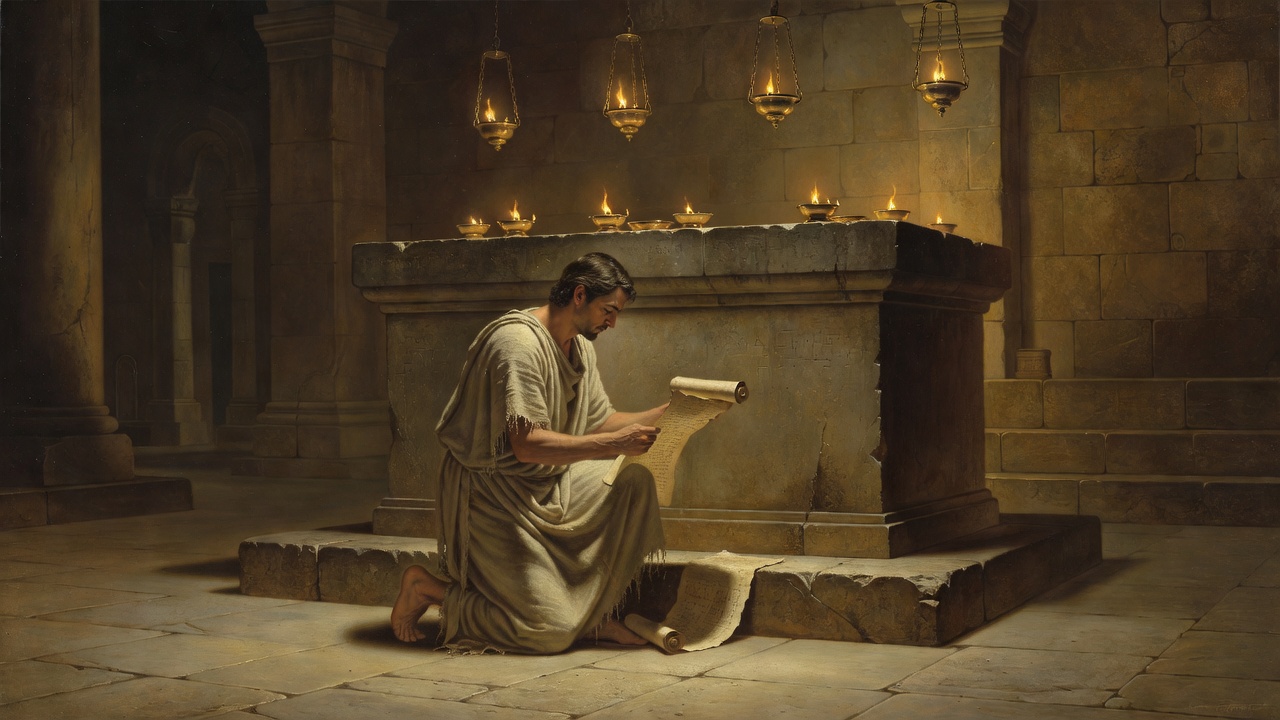
- When Hezekiah received Sennacherib's threatening letter, he entered the temple and spread it out before God, affirming that while the gods of other conquered nations were merely wood and stone, the God of Israel is the maker of heaven and earth.Sources: the Bible text itself · Hezekiah
- Sennacherib sent his second threatening message to Jerusalem while fighting against Libnah after departing Lachish, prompted by reports that Tirhakah, the king of Cush, was marching out to oppose him.Sources: the Bible text itself · Tirhakah · Libnah · Lachish
- After the angel of the Lord struck 185,000 soldiers in the Assyrian camp, Sennacherib retreated to Nineveh, where his own sons later assassinated him with swords inside the temple of his god Nisroch.Sources: the Bible text itself · Sennacherib
Notes written with AI assistance from open sources (Theographic Bible Metadata, CC BY-SA 4.0; Easton’s Bible Dictionary, public domain) and reviewed before publishing.
Places in this chapter
- Assyria · 36.359, 43.153 · verses 4, 6, 8, 10, 11, 17, 20, 32, 35, 36, 37
- Jerusalem · 31.777, 35.234 · verses 8, 9, 10, 21, 31, 32
- Lachish · Today: Tell ed Duweir · 31.565, 34.849 · verse 8
- Cush · Today: Cush 1 · 16.935, 33.751 · verse 9
- Eden · Today: Beth-eden · 36.701, 38.087 · verse 12
- Haran · Today: Harran · 36.864, 39.033 · verse 12
- Hamath · Today: Hama · 35.136, 36.750 · verse 13
- Zion · Today: Jerusalem · 31.777, 35.234 · verse 21
- Lebanon · 33.540, 35.584 · verse 23
- Mount Carmel · 32.672, 35.023 · verse 23
- Egypt · 30.129, 31.308 · verse 24
- Mount Zion · 31.772, 35.229 · verse 31
- Nineveh · 36.359, 43.153 · verse 36
- Ararat · Today: Urartu · 39.703, 44.300 · verse 37
Only places identified with high confidence are shown (90% or more according to the scholarly sources compiled by OpenBible). Period map: DARE (Digital Atlas of the Roman Empire), CC BY 4.0; modern map: © OpenStreetMap contributors; places: OpenBible.info (CC BY 4.0).
Credits and license for this translation
Luda yã takada kↄ̃n Bokobaru yão
The New Testament and portions of the Old Testament in the Bokobaru language of Nigeria
copyright © 2005 SIM International
Language: Bokobaru
Translation by: SIM
This translation text is made available to you under the
terms of the Creative Commons License: Attribution-Noncommercial-No Derivative Works.
( http://creativecommons.org/licenses/by-nc-nd/3.0/ )
In addition, you have permission to port the text to different file formats, as long as you
do not change any of the text or punctuation of the Bible.
You may share, copy, distribute, transmit, and extract portions
or quotations from this work, provided that you include the above copyright
information:
You must give Attribution to the work.
You do not sell this work for a profit.
You do not make any derivative works that change any of the actual words or punctuation of the Scriptures.
Permissions beyond the scope of this license may be
available if you contact
us with your request.
This translation is made available to you under the terms of the
Creative Commons Attribution-Noncommercial-No Derivatives license 4.0.
You may share and redistribute this Bible translation or extracts from it in any format, provided that:
You include the above copyright and source information.
You do not sell this work for a profit.
You do not change any of the words or punctuation of the Scriptures.
Pictures included with Scriptures and other documents on this site are licensed just for use with those Scriptures and documents.
For other uses, please contact the respective copyright owners.
2014-09-22
Source: http://ebible.org/bus/ · eBible.org