Revelation 7
Dios oca gotirituti · Tap a verse to see its cross-references.
Ĩ yarãre Dios ĩ ĩatirʉ̃nʉroti queti
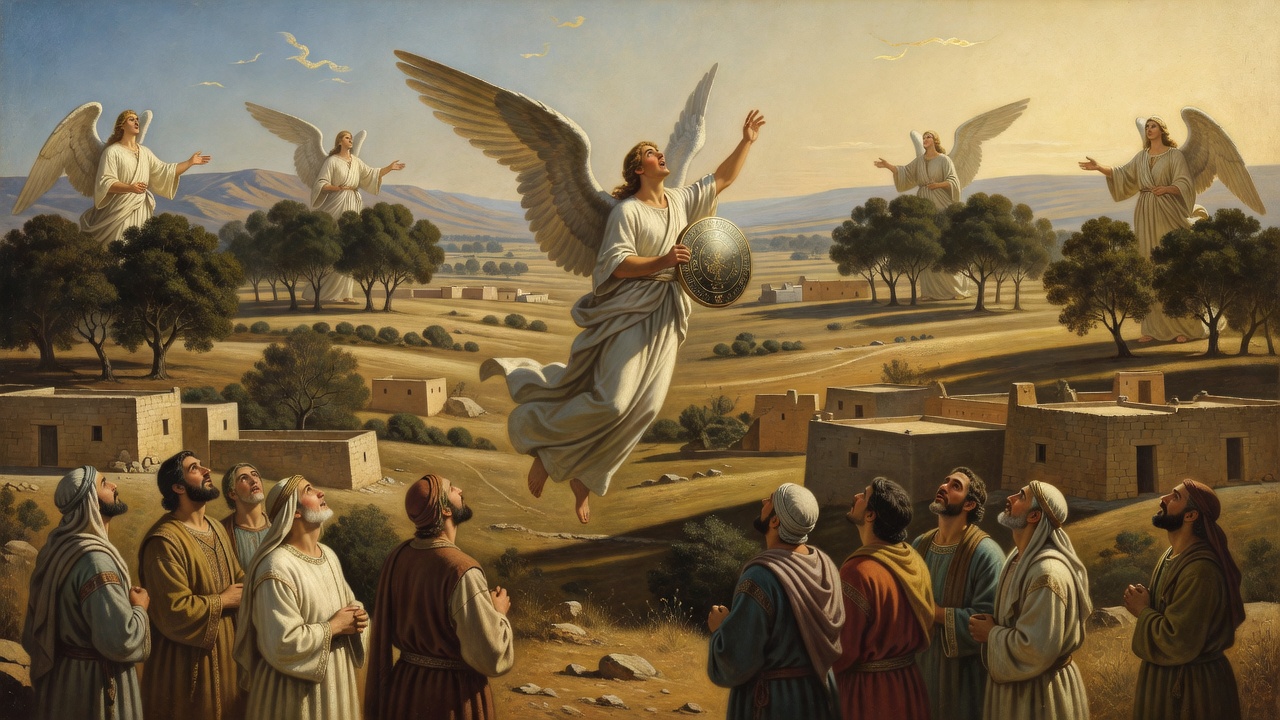
1To ĩna yiro bero, ángel mesa babarirãcʉ ĩacajʉ yʉ. Jʉdoaga sojejʉ ñacami sĩgʉ̃. Jũnaga sojejʉ ñacami gãji. Varuaga sojejʉ ñacami gãji. To bajicõari, gajejacatʉajʉa varuaga sojejʉ ñacami gãji. To bajirone ñacõacama ĩna, “Mino vabeticõato” yirã. To ĩna bajijare, adi sita joe, riagari joe quẽne, mino vabeticajʉ. Yucʉ́ joere quẽne, mino vabeticajʉ. 2To ĩna bajirone, muiju ĩ jiadojʉa gãji ángel ĩ vadisere ĩacajʉ yʉ. Masirẽtogʉ̃, Dios vãme ucaturiaro cʉocõari, ĩ vadore ĩacajʉ yʉ. Vadicõari, gãjerã ángel mesare, adi sitare, riagarire quẽne, Dios rojose ĩ yirotiriarãre bʉto ruyugoaro ado bajise ĩnare goticami:
3—Adi sita, riagari, yucʉ́rire quẽne rojose yibesa mʉa maji. Mani ʉjʉ, Dios ĩ bojasere yirã ĩna riovecarire Dios vãme ĩnare ucatuto mani maji. Ĩnare ucatujeocõari, adi sitare, riagarire, yucʉ́rire quẽne rojose yirʉarãja mani —ĩnare yicami ángel.
4To ĩ yiro bero,
—Dios vãmere ucatuecorã, jʉaãmo cõro, gʉbo jʉa jẽnituarorãca jũnana ñaama —yʉre yicama. —Jediro ciento cuarenta y cuatro mil Israel ñamasir'i jãnerabatia ñaama —yʉre yicama.
5Ti jũnanare cõĩacõari, ado bajiro yʉre goticama:
—Judá ñamasir'i jãnerabatia doce mil ñarã ñaama. Tocãrãcʉ jãnerabatia, cojoro cõrone ñaama. Adocãrãcʉ ñaama:
Rubén ñamasir'i jãnerabatia,
Gad ñamasir'i jãnerabatia,
Aser ñamasir'i jãnerabatia,
Neftal'i ñamasir'i jãnerabatia,
Manasés ñamasir'i jãnerabatia,
Simeón ñamasir'i jãnerabatia,
Lev'i ñamasir'i jãnerabatia,
Isacar ñamasir'i jãnerabatia,
Zabulón ñamasir'i jãnerabatia,
José ñamasir'i jãnerabatia,
to yicõari, ñatʉsamasir'i Benjam'in ñamasir'i jãnerabatia,
ĩna jedirojʉne doce mil ñarã ñacõaama ĩna, Dios vãmere ucatuecorã —yʉre yicama.
Jãjarã botise sudi sãñarã Diore ĩna rʉ̃cʉbʉore queti
9To ĩna yiro bero, ʉjʉ ya cũmuro, to yicõari, oveja macʉre bajiro rijabosacacʉ rĩjorojʉa, jãjarã masare ĩacajʉ yʉ. Tocãrãca macana, cojo masa jũna rʉyabeto, ricatiri rĩne ñagõrã, to yicõari, cojo sita rʉyabetoana ñacama ĩna. Jãjarã masu ĩna ñajare, ĩnare mani cõĩajama, cõĩajeomenaja. Sudi botise sãñacõari, jũqueri cʉocama. 10To bajicõari, ruyugoaro ado bajise ĩnare yicama:
—Yʉa rʉ̃cʉbʉogʉ, Dios, rotigʉ ĩ rujiri cũmurore rujigʉ, to yicõari, oveja macʉre bajiro rijabosacacʉ, ĩnane ñaama rojose tãmʉotʉjabetiriarojʉ yʉa vaborotire yʉare yirẽtobosarã —yicama ĩna.
11To bajiro ĩna yirone, ángel mesa ñajediro, to yicõari, bʉcʉrã, veinticuatro ñarã, to yicõari, babaricãrãcʉ ĩaĩañamana, ʉjʉ ya cũmuro tʉjʉ rʉ̃gõgãnibiacama ĩna. Gãjerã ruyugoaro ĩna ñagõsere ajicõari, Diore rʉ̃cʉbʉorã, ĩ rĩjorojʉa muqueacama ĩna. 12Muqueacõari, ado bajiro yicama:
—Riojo gotiama ĩna. Mʉre rʉ̃cʉbʉoaja yʉa quẽne. Quẽnaro mʉre yirʉ̃cʉbʉo variquẽnaroti ñaja. Rẽtoro quẽnagʉ̃ ñaja mʉ. Quẽnaro yaja mʉ. Mʉ rotijama, mʉre cʉdirʉarãma ñajediro. Rẽtoro masigʉ̃ ñaja mʉ. To bajiro mʉ bajijare, quẽnaro mʉre yirʉ̃cʉbʉo variquẽnacõa ñarũgũroti ñaja. To bajirone bajiato —yicama ĩna, Diore gotirã.
13To ĩna yiro bero, sĩgʉ̃ bʉcʉ, ado bajise yʉre sẽniĩacami:
—Botise sudi sãñarã, ¿no bajiro bajiriarãjʉa ñati? —yʉre yisẽniĩacami.
14To ĩ yijare, ado bajiro ĩre cʉdicajʉ yʉ:
—Masibeaja yʉ. Mʉ masigʉ̃ja. Yʉre gotiya —ĩre yicajʉ yʉ.
To bajiro yʉ yijare, ado bajiro yʉre gotimasiocami:
—Ĩna ñaama rẽtoro rojose tãmʉoriarodo bʉto rojose tãmʉoboarine, Cristore ajitirʉ̃nʉ tʉjabetiriarã. Rojose yiriarã ñaboarine, rojose ĩna yirere yitʉjacõari, “Rojose yʉ yise vaja yʉre vaja yijeobosayumi Cristo”, yitʉoĩariarã ñaama. To bajiro yiriarã ñari, Cristo ĩ rijabosare sʉori, “Rojose mana ñaama”, Dios ĩ yirã ñaama.
15To bajiro Dios ĩ yirã ñari, ĩ ya cũmuro rĩjorojʉa ejacõari, ĩ bojasere yitʉjabeama ĩna. Ĩ tʉana ñari, ñiejʉa rojose yiecobetirʉarãma ĩna. Ĩnare quẽnaro coderũgũrʉcʉmi Dios.
16To bajicõari, oveja coderimasʉre bajiro ĩnare quẽnaro coderũgũrʉcʉmi Cristo quẽne. Oco catire ĩnare iocõari, ĩnare ũmato ñarũgũrʉcʉmi. To yicõari, “Jʉaji sʉtiritibeticõato” yigʉ, ĩnare quẽnaro yirʉcʉmi Diojʉa. To bajiro ĩna yijare, ñiorijabetirʉarãma. Tudi oco idirʉabetirʉarãma. To bajicõari, muiju ĩnare tudiasibetirʉcʉmi. To bajiri muiju ĩ asise tudi asisãjabetirʉarãma —yʉre yigotimasiocami.
Did you know?
The sealed tribes and the great multitude
- Revelation 7 numbers the sealed as 144,000, twelve thousand from each of the tribes of Israel named in the chapter. Israel was another name for Jacob, the second-born of the twin sons of Isaac and Rebekah; Easton's Bible Dictionary (1897) explains Jacob's name as someone who follows on another's heels, or a supplanter.Sources: the Bible text itself · Jacob (Israel)
- Although Reuben was the eldest son of Jacob and Leah, the list of the sealed begins with Judah and then names Reuben. The list also includes both Joseph and Manasseh; Manasseh was Joseph's elder son, and Jacob adopted him and his brother Ephraim as his own sons.Sources: the Bible text itself · Reuben · Manasseh (son of Joseph)
- After the sealing, the vision shows a multitude too large to count, from every nation, tribe, people, and tongue, standing before the throne and the Lamb, wearing white robes and holding palm branches. One of the elders says they have come out of the great tribulation and have washed their robes and made them white in the blood of the Lamb.Sources: the Bible text itself
Notes written with AI assistance from open sources (Theographic Bible Metadata, CC BY-SA 4.0; Easton’s Bible Dictionary, public domain) and reviewed before publishing.
Credits and license for this translation
Dios oca gotirituti
New Testament in Barasana-Eduria (CO:bsn:Barasana-Eduria)
copyright © 2010 Wycliffe Bible Translators, Inc.
Language: Barasana-Eduria
Translation by: Wycliffe Bible Translators, Inc.
Copyright Information
© 2010, Wycliffe Bible Translators, Inc. All rights reserved.
This translation text is made available to you under the
terms of the Creative Commons License: Attribution-Noncommercial-No Derivative Works.
( http://creativecommons.org/licenses/by-nc-nd/3.0/ )
In addition, you have permission to port the text to different file formats, as long as you
do not change any of the text or punctuation of the Bible.
You may share, copy, distribute, transmit, and extract portions
or quotations from this work, provided that you include the above copyright
information:
You must give Attribution to the work.
You do not sell this work for a profit.
You do not make any derivative works that change any of the actual words or punctuation of the Scriptures.
Permissions beyond the scope of this license may be
available if you contact
us with your request.
The New Testament
in Barasana-Eduria
© 2010, Wycliffe Bible Translators, Inc. All rights reserved.
This translation is made available to you under the terms of the
Creative Commons Attribution-Noncommercial-No Derivatives license 4.0.
You may share and redistribute this Bible translation or extracts from it in any format, provided that:
You include the above copyright and source information.
You do not sell this work for a profit.
You do not change any of the words or punctuation of the Scriptures.
Pictures included with Scriptures and other documents on this site are licensed just for use with those Scriptures and documents.
For other uses, please contact the respective copyright owners.
2014-04-22
Source: http://ebible.org/bsnNT/ · eBible.org