Revelation 6
Dios oca gotirituti · Tap a verse to see its cross-references.
Cojomo cõro, jʉa jẽnituaro ñase sʉoñiare queti
1To ĩna yiro bero, oveja macʉre bajiro rijabosacacʉ, papera tũnariajotire sʉoñiasʉoriajʉre ĩ jãnesere ĩacajʉ yʉ. To ĩ yirone, babaricãrãcʉ ĩaĩañamana rãcagʉ sĩgʉ̃, bʉjo ĩ jaro ti bʉsʉse cõro bʉto ruyugoaro ĩ ñagõsere ajicajʉ:
—Adojʉa vayá —yicami, gãjire jigʉ. 2To ĩ yirone, caballo botigʉ joe jesagʉre ĩacajʉ. Ĩ joe jesagʉ, tẽmubedo cʉocami. Rʉjoa jeoriabedo jeoecocami. Ti bedore jeoecocõari, adi macarʉcʉroanare, ĩre ĩaterãre quẽne ĩ rotijama, ĩna cʉdirotire yigʉ, vacami.
3Ĩ vato bero, papera tũnariajotire sʉoñiariajʉre gajejʉre jãnecami oveja macʉre bajiro rijabosacacʉ. To ĩ yirone, quẽna gãji ĩaĩañamagʉ̃ ado bajise yicami:
—Adojʉa vayá —yicami ĩ quẽne, gãjire jigʉ.
4To ĩ yirone, caballo sũagʉ̃re ĩacajʉ yʉ. Ĩ joe jesagʉ jariase jairijãi ĩsiecocami. To yicõari, “Ado bajiro yirʉcʉja mʉ”, yiecocami: Masa quẽnaro ĩna ñabetirotire yigʉ, to yicõari, ĩna gãmerã sĩarotire yigʉ, cũecocami.
5Ĩ vato bero, gajejʉ sʉoñiariajʉre jãnecami oveja macʉre bajiro rijabosacacʉ. To ĩ yirone, ado bajiro yicami quẽna gãji ĩaĩañamagʉ̃:
—Adojʉa vayá —yicami ĩ quẽne, gãjire jigʉ.
To ĩ yirone, caballo ñigʉ̃re ĩacajʉ yʉ. Ĩ joe jesagʉ, rʉ̃cʉoĩariaro cʉocami. 6To ĩ bajirone, ĩaĩañamana vatoajʉ ado bajiro ocaruyucajʉ ti, caballo joe jesagʉre ĩre gotiro:
—“Trigo vãme cʉtise, to yicõari, cebada vãme cʉtise mojoroaca bʉjato” yigʉ, tire yirojorʉcʉja mʉ. To bajiro mʉ yijare, trigo vãme cʉtise bare, cojorʉ̃mʉ moare vaja, cojo kilo cõro bʉjare ñarʉaroja. To yicõari, cebada vãme cʉtise bare, cojorʉ̃mʉ moare vaja, idia kilo cõro bʉjare ñarʉaroja. “To bajirone bajiato” yigʉ, yirʉcʉja mʉ. To bajiro yiboarine, olivo vãme cʉti yucʉ́rire, to yicõari, ʉyemarire quẽne yirojobetirʉcʉja mʉ. “Ʉye roabare, ʉye oco quẽne, jairo vaja cʉtibeticõato” yigʉ, yirʉcʉja mʉ —yi ocaruyucajʉ, caballo joe jesagʉre gotiro.
7Ĩ vato bero, gajejʉ sʉoñiariajʉre jãnecami oveja macʉre bajiro rijabosacacʉ. To ĩ yirone, quẽna gãji tʉsagʉ, ĩaĩañamagʉ̃, ado bajiro yicami:
—Adojʉa vayá —yicami ĩ quẽne, gãjire jigʉ.
8To ĩ yirone, caballo sʉriribogʉ ñagʉ̃re ĩacajʉ yʉ. Ĩ joe jesagʉ, Rijare Rotigʉ vãme cʉticami. Ĩ sʉyarojʉa gãji vadicami, Rijariarã Ĩna Ñaro vãme cʉtigʉ. To ĩna bajirone, ado bajiro ĩnare roti ocaruyucami Dios:
—Adi macarʉcʉroana masa ĩna gãmerã sĩarotire, ĩna ñiorijarotire, rijaye rãca ĩna bajirearotire, to yicõari, vaibʉcʉrã no yiyamana ĩnare ĩna sĩarotire yirã, yirʉarãja mʉa —ĩnare yiroticami. To yicõari, —Masa jediro babaricãrãcatubuari batecõari, cojotubuanare mʉ sĩajeocõajama, quẽnarʉaroja —ĩnare yiroti ocaruyucami Dios.
9Ĩna vato bero, gajejʉ sʉoñiariajʉre jãnecami oveja macʉre bajiro rijabosacacʉ. To ĩ yirone, Diore rʉ̃cʉbʉorã ĩna soemʉoriajʉ ẽñerocajʉ gãjerã ĩna sĩariarãre ĩacajʉ yʉ. Dios oca quẽnaro ĩna gotimasiojare, to yicõari, “Jesúre ajitirʉ̃nʉaja yʉa” ĩna yitʉjabetijare, ĩnare sĩañuma. 10Ado bajise ruyugoaro goticama:
—Jediro masigʉ̃ ñaja mʉ. Quẽnase rĩne yigʉ, riojo gotigʉ ñaja mʉ. Yʉare sĩacana rojose ĩna yicatire ĩacõari, “Rojose tãmʉotʉjabetirʉarãja” ĩnare mʉ yiroti, ¿no cõro yoaro rʉyati? —yicama ĩna.
11To ĩna yirone, botise sudi yoese ĩnare ĩsicami Dios. To yicõari,
—Tʉoĩarejaibesa. Quẽnaca yucõa ñaña maji. Gãjerã ñarʉarãma, mʉare bajiro yʉ macʉ ĩ bojasere yirã ñari, sĩaecorona. Ĩnare ĩna sĩajeoro berone, ĩna sĩase vaja rojose tãmʉotʉjabetiriarojʉ ĩnare rearʉcʉja —yicami Dios.
12To ĩ yiro bero, quẽna gajejʉ sʉoñiariajʉre jãnecami oveja macʉre bajiro rijabosacacʉ. To ĩ yirone, sita bʉto ti sabesere ĩacajʉ yʉ. To bajicõari, muiju ʉ̃mʉagʉ busu tʉjacami. To bajiri, nojʉa bususe manicajʉ. To bajicõari, ñamiagʉ muiju, ri'ire bajiro bʉto sũacami. 13Ñocoa quẽne, sita tũcurojʉare vẽjacoacama ĩna. Higuera vãme cʉtiʉ ti rica burirodo rĩjoro, ti rica busere mino vẽasure vẽjacatore bajiro vẽjacama ĩna. 14To bajicõari, ʉ̃mʉagasero yayicoacajʉ. Paperajoti tũnariarore bajiro bajiyayicoacajʉ. Jediro gʉ̃taʉrire, yucʉ́yoarire quẽne yivãreocõari, gajerojʉ tire cõacami Dios. 15To bajiro bajijare, gʉ̃ta gojerijʉ, gʉ̃tayucʉri vatoajʉ rudisãjacoacama masa. Ʉjarã, rotirimasa, ñamasurã, ñamasumena quẽne, gãjerãre moabosarã, gãjerãre moabosamena quẽne, rudisãjacoacama. Gãjoa jairã, ñie mana quẽne, masa jediro rudisãjacoacama. 16To bajiro rudicõari, gʉ̃tayucʉrire, gʉ̃tari jacasere quẽne, ado bajiro yicama ĩna:
—Ʉjʉ ya cũmurojʉ rujigʉ, Dios yʉare ĩ ĩabetirotire yiro, yʉare tãjoyayioya. “Oveja macʉre bajiro rijabosacacʉ quẽne, yʉare ĩacõari, rojose yʉa yise vaja rojose yʉare yibeticõato ĩ” yiro, yʉare tãjoyayioya —yicama ĩna, gʉ̃tayucʉrire. —Rojose yʉa yisere ĩacõari, “To bajiro yirã ñari, rojose tãmʉotʉjabetirʉarãja” yʉare Dios, ĩ macʉ ĩna yirotirirʉ̃mʉ mojoroaca ti rʉyajare, to bajiro yaja yʉa. To bajiro ĩna yijama, “Rojose tãmʉobetirʉcʉja yʉma” ĩnare yicʉdimasirocʉ magʉ̃mi. To bajiro ti bajijare, yʉare tãjoyayioya —yicama ĩna, gʉ̃tayucʉrire, gʉ̃tari jacasere quẽne.
Did you know?
The Opening of the Six Seals
- The first four seals reveal four riders on white, bright red, black, and pale green horses, summoned one by one by the four living creatures. Each horseman brings a distinct affliction across the earth, ranging from conquest and the loss of peace to widespread famine, plague, and death.Sources: the Bible text itself
- The third horseman holds a pair of scales, accompanied by a proclamation setting the price of a quart of wheat or three quarts of barley at a denarius, reflecting severe inflation and food rationing while oil and wine are preserved.Sources: the Bible text itself
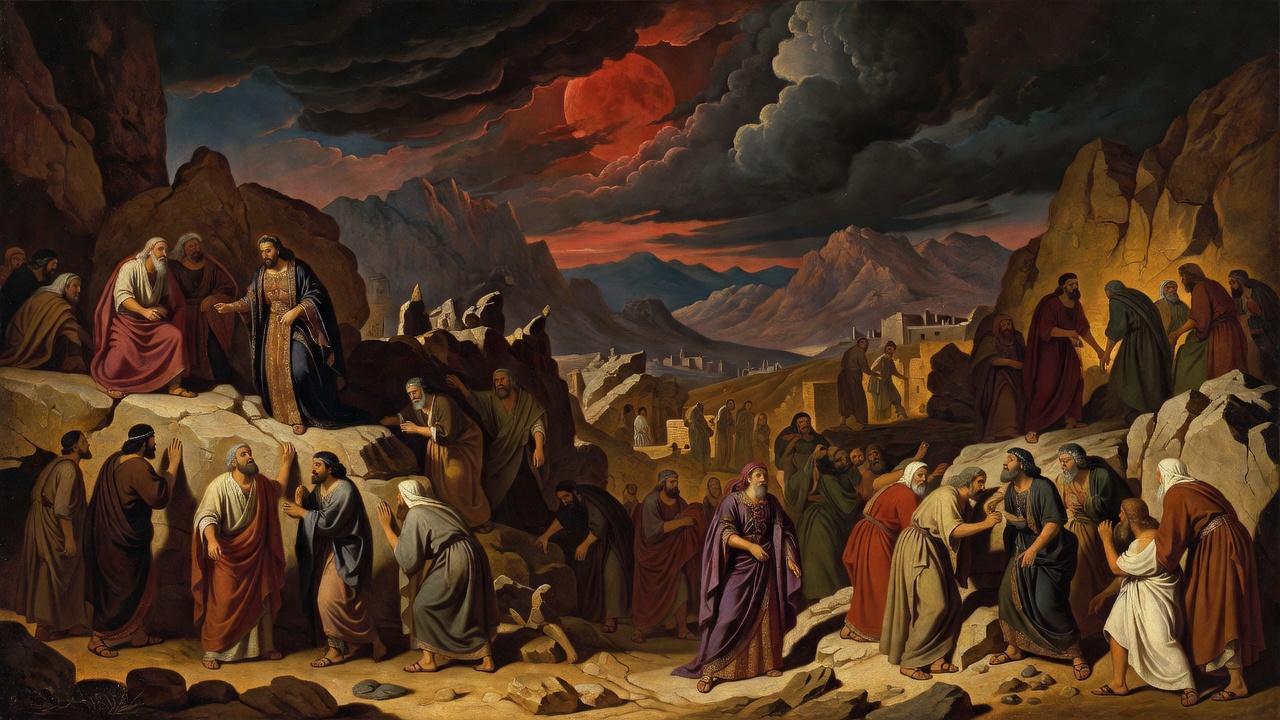
- When the fifth and sixth seals are opened, the focus shifts to the souls of slain believers waiting under the altar, followed by immense cosmic and earthly upheavals that lead people of every social station to hide in mountain caves.Sources: the Bible text itself
Notes written with AI assistance from open sources (Theographic Bible Metadata, CC BY-SA 4.0; Easton’s Bible Dictionary, public domain) and reviewed before publishing.
Credits and license for this translation
Dios oca gotirituti
New Testament in Barasana-Eduria (CO:bsn:Barasana-Eduria)
copyright © 2010 Wycliffe Bible Translators, Inc.
Language: Barasana-Eduria
Translation by: Wycliffe Bible Translators, Inc.
Copyright Information
© 2010, Wycliffe Bible Translators, Inc. All rights reserved.
This translation text is made available to you under the
terms of the Creative Commons License: Attribution-Noncommercial-No Derivative Works.
( http://creativecommons.org/licenses/by-nc-nd/3.0/ )
In addition, you have permission to port the text to different file formats, as long as you
do not change any of the text or punctuation of the Bible.
You may share, copy, distribute, transmit, and extract portions
or quotations from this work, provided that you include the above copyright
information:
You must give Attribution to the work.
You do not sell this work for a profit.
You do not make any derivative works that change any of the actual words or punctuation of the Scriptures.
Permissions beyond the scope of this license may be
available if you contact
us with your request.
The New Testament
in Barasana-Eduria
© 2010, Wycliffe Bible Translators, Inc. All rights reserved.
This translation is made available to you under the terms of the
Creative Commons Attribution-Noncommercial-No Derivatives license 4.0.
You may share and redistribute this Bible translation or extracts from it in any format, provided that:
You include the above copyright and source information.
You do not sell this work for a profit.
You do not change any of the words or punctuation of the Scriptures.
Pictures included with Scriptures and other documents on this site are licensed just for use with those Scriptures and documents.
For other uses, please contact the respective copyright owners.
2014-04-22
Source: http://ebible.org/bsnNT/ · eBible.org