Matthew 9
Dios oca gotirituti · Tap a verse to see its cross-references.
Micagʉ̃re Jesús ĩ catiore queti
1To bajiro ĩre ĩna yijare, ʉtabʉcʉra gajejacatʉajʉ tudijẽa ejacoasuju Jesús, ĩ ya macajʉ. 2Ti macajʉ ĩ ñaro, micagʉ̃re rijarã ãmivariajʉ joejʉ ĩre ãmiejayujarã. “Ĩre ĩamaicõari, ĩre catiorʉcʉmi” ĩna yitʉoĩasere ĩamasicõari, micagʉ̃jʉare ado bajiro ĩre yiyuju Jesús:
—Yʉ maigʉ̃, tʉoĩatutuaya. Rojose mʉ yirere mʉre masiriocõaja yʉ —ĩre yiyuju Jesús.
3To ĩ yisere ajicõari, ti macana sĩgʉ̃ri Dios ĩ rotimasire gotimasiorimasa ado bajiro tʉoĩañujarã: “To bajise ĩ ñagõjama, Diore ĩre rʉ̃cʉbʉobecʉ yami”, yitʉoĩañujarã ĩna. 4To bajiro ĩna yitʉoĩasere ĩamasicõari, ado bajiro ĩnare yiyuju Jesús:
—“‘Diore bajiro masa rojose ĩna yisere masiriomasiaja’ yisocaami”, yʉre yitʉoĩaboaja mʉa. 5“Rojose mʉ yisere masiriocõaja” yʉ yicõa tʉjajama, “Socʉ yami. Socʉ me yami”, yʉre yiĩamasigʉ̃ magʉ̃mi. To bajiboarine, micagʉ̃re, “Vʉ̃mʉrʉ̃gʉ̃cõari, vasa” ĩre yʉ yijama, “Socʉ me yami. Rojose ĩ yirere masiriocõami”, yʉre yiĩamasirãja mʉa. 6To bajiri, “‘Dios ĩ roticõacacʉ ñari, Diore bajirone masare rojose ĩna yisere masiriomasigʉ̃ ñaami’ yʉre yiĩamasiato” yigʉ, ãni micagʉ̃re ado bajiro yaja yʉ: Vʉ̃mʉrʉ̃gʉ̃ña mʉ. Mʉ jesarijʉre ãmiña. To yicõari, mʉ ya vijʉ tudiasa, ĩre yaja yʉ —ĩre yiyuju Jesús.
7To ĩre ĩ yirone, micagʉ̃ ñaboar'i, vʉ̃mʉrʉ̃gʉ̃cõari, ĩ jesarijʉre ãmi, ĩ ya vijʉ vacoasuju ĩ yuja. 8To bajiro Jesús ĩ yisere ĩaʉcacoasujarã masa. “Ti ũnire ĩabetirũgũcajʉ mani. Ãni, Dios ĩ masise rãca yigʉ yami” yitʉoĩacõari, “Quẽnaro yaja mʉ”, Diore ĩre yivariquẽnañujarã ĩna.
Mateore Jesús ĩ jire queti
9Micagʉ̃re catiogajano vagʉne, Mateo vãme cʉtigʉre yʉre ĩabʉjacami Jesús. Ʉjʉre gãjoa sẽnibosarimasʉ ñacajʉ yʉ. Gãjoa sẽnirã ĩna rujirijʉre gãjoa sẽnirujicajʉ. To yʉ yiñaro ĩacõari,
—Yʉre ajisʉyaya —yʉre yicami Jesús. To bajiro ĩ yisere ajicõari, ĩre sʉyacoacajʉ yʉ yuja.
10Yʉ ya vijʉ ejacajʉ yʉa. To ejacõari, bacajʉ yʉa. Yʉ rãca barã ejacana, jãjarã ñacama. Yʉ yicatore bajiro rojose yirã, ʉjʉre gãjoa sẽnibosarimasa, to yicõari, gãjerã, “Rojose yirã ñaama” masare yiĩarã quẽne ñacama. Jesús buerimasa quẽne ñacama. 11To yʉa bajirone, ejacama fariseo masa. Ĩna ñacama, Moisére Dios ĩ roticũmasirere bʉto ajirʉ̃cʉbʉorã, rojose yirã rãca ñarʉamena. Ejacõari, yʉa bañasere ĩacõari, yʉ rãcanare Jesús buerimasare ĩnare sẽniĩacama:
—¿No yigʉ mʉare buegʉma, ãnoa rojose yirã rãca bati? —yicama ĩna.
12To bajiro ĩna yisere ajicõari, ado bajiro ĩnare cʉdicami Jesús, fariseo masare:
—Catiquẽnarãma, ʉco yigʉre bojamenama. Rijaye cʉtirã rĩne ĩre bojarãma ĩna. To bajiro bajiaja yʉre quẽne. “Rojosere yirã me ñaja yʉa”, yirãma, yʉre bojamenama. “Rojose yirã ñaja yʉa” yirã rĩne yʉre bojarãma. 13Dios oca masa ĩna ucamasirere ado bajiro quẽnaro tʉoĩaña mʉa. Ado bajiro gotiaja ti: “Gãjerãre mʉa ĩamaisere bojaja yʉ. Gãjerãre mʉa ĩamaibetijama, vaibʉcʉrã ecariarãre sĩacõari, yʉre mʉa soemʉoboajaquẽne, ñie vaja manoja ti”, yigotiaja Dios oca, masa ĩna ucamasire. Quẽnaro yirãre jigʉ me, adi macarʉcʉrojʉre vadicajʉ yʉ. Rojose yirãre, “Rojose ĩna yisere yitʉjato” yigʉ, vadicajʉ yʉ. To bajiri to bajiro yitʉoĩagʉ̃ ñari, ãnoa rãca bagʉ yaja yʉ —ĩnare yicami Jesús.
“Mani sʉtiritisere ĩacõari, quẽnaro manire ejarẽmorʉcʉmi Dios” yirã, bare babetire queti
14Juan vãme cʉtigʉ, masare oco rãca bautizarimasʉ buerã, Jesús tʉjʉ ejacama ĩna. To bajicõari, ado bajise ĩre sẽniĩacama:
—Yʉa quẽne, fariseo masa quẽne, mani ñicʉa ĩna yimasiriarore bajiro Diore yʉa sẽnirirʉ̃mʉrirema bare babetirũgũaja yʉa. ¿No yirã tire yibeati mʉ buerãma? —ĩre yicama Juan buerimasa.
15To ĩna yisere ajicõari, ado bajiro ĩnare gotimasiocami Jesús:
—Sĩgʉ̃ ĩ ãmosiarirʉ̃mʉre ĩre variquẽnaejarẽmorã ñarãma. To ĩ ũmato yiñaro cõro ĩre variquẽnaejarẽmorãma. Ĩnare bajiro bajiama yʉ buerã. Yʉ rãca ñari, variquẽnacõa ñaama. “Sʉtiritimena ñari, no yirã bare babeticõa yimenama”, yimasire ñaja. To bajiboarine, cojorʉ̃mʉ yʉre ĩna ñiavato ĩacõari, bare bamenane Diore sẽnirʉarãma, “Mani sʉtiritisere ĩacõari, quẽnaro manire ejarẽmoato Dios” yirã.
16Mame oca yʉ gotimasiose ricati ti ñajare, yʉ ye rãca mani ñicʉa ĩna yimasirere mʉa tʉoĩavʉojama, quẽnabeaja. Sudiro bʉcʉase ti vojama, mamagasero rãca seretumasimenaja mani. Mamagaserone mani seretujama, mani coero bero carato tʉ̃atutu vatone bʉcʉasejʉa vocoatoja. Bʉcʉase, mamase rãca mani seretumasibetore bajirone, mame oca yʉ gotimasiosere, mani ñicʉa oca rãca tʉoĩavʉobesa mʉa.
17To bajirone bajiaja ʉye oco quẽne. Mame ʉye ocore, vaibʉcʉgaserone quẽnoriajoa bʉcʉjoajʉare jiomenaja mani. Bʉcʉjoajʉre mani jiojama, jãmʉsĩnituca yiro, yivocõaroja tijoajʉare. To bajiro mani yijama, ʉye ocore, vaibʉcʉgaserone quẽnoriajoare quẽne, to bajirone yireacõa tʉjana yirãja mani. “To bajirobe” yirãma, mame ʉye ocore vaibʉcʉgaserone quẽnoriajoa, mamajoajʉare jiore ñaroja. To yicõari, ʉye oco, vaibʉcʉgaserone quẽnoriajoa quẽne, cojoro cõro quẽnaro ñarʉaroja. To bajiri mame ʉye ocore, bʉcʉjoajʉre mani jiobetore bajiro mame oca yʉ gotimasiosere, mani ñicʉa oca rãca tʉoĩavʉobesa mʉa —ĩnare yicami Jesús.
Jud'io masa ʉjʉ macore Jesús ĩ catiore queti
18To bajise Jesús ĩ gotiñarone, sĩgʉ̃ jud'io masa ʉjʉ ejacami. Ejacõari, Jesús rĩjorojʉa gʉsomuniari tuetucami, ĩre rʉ̃cʉbʉogʉ. To yigʉne, ado bajiro Jesúre yicami:
—Yucʉacane yʉ maco bajirocacoamo. So tʉ ejacõari, sore mʉ moaĩajama, tudicaticoarʉocomo so —Jesúre yicami.
19To ĩ yisere ajicõari, ĩre sʉyacoacami Jesús. To bajiri yʉa, ĩ buerimasa quẽne vacajʉ. 20To yʉa vatone, sĩgõ rõmio rijago Jesús sʉyarojʉa ejarʉ̃gʉ̃riomo. Gãmorõmi cʉtigo ñañumo so. Jʉaãmo cõro, gʉbo jʉa jẽnituari cʉ̃mari rijañañuju. “Jesús sudiro gaja moaĩarʉaja yʉ. Ti rĩne bojaja yʉ. To bajiro yʉ yijama, quẽnaejacoarʉocoja yʉ”, yiriomo so. To bajiro yirio ñari, Jesús sʉyarojʉa ejarʉ̃gʉ̃cõari, ĩ sudiro gajare moaĩariomo. 22So moaĩasere masicõari, jʉdarʉ̃gʉ̃cami Jesús. To yicõari, ado bajiro sore goticami:
—Variquẽnaña yʉ maigõ. “Ĩ sudiro gajare yʉ moaĩajama, quẽnaejacoarʉocoja yʉ” yʉre mʉ yitʉoĩase ñajare, “Quẽnaejato” mʉre yibʉ yʉ —sore yicami Jesús.
To bajiro ĩ yirirĩmarone, quẽnaejacoacamo so yuja.
23To yi vanane, ʉjʉ ya vijʉ ejacoacajʉ yʉa, Jesúrãca. Ĩ macore yujeroana, tõroari juti, yioti avasãñacama 24To bajiro ĩna yiñajare, ado bajiro ĩnare yicami:
—Budiasa mʉa. “Bajirocacoajamo” mʉa yiboago, bajirocabesumo. Cãnigõ yigomo —ĩnare yicami Jesús. To ĩ yijare, ĩre ajacama ĩna, “Bajirocacoamo” yimasirã ñari.
25Masa ĩna budiato bero, bajirocario tʉjʉ jãjacõari, so ãmore ñiacami Jesús. To ĩ yirone, quẽna tudicaticõari, vʉ̃mʉrʉ̃gʉ̃coacamo so. 26Jesús sore ĩ catiosere ti sitana masa ñaro cõrone gotibatocõañuma ĩna.
Jʉarã caje ĩamenare Jesús ĩ ĩarotire queti
27Tojʉ ñariarã yʉa cãnirivi yʉa tudiatone, caje ĩamena jʉarã Jesúre avasã sʉyadicama:
—Ʉjʉ David ñamasir'i jãnami, “Rotimʉorʉ̃gõrʉcʉja mʉ” yigʉ, Dios ĩ cõar'i ñaja mʉ. Yʉare ĩamaiña —Jesúre yisʉyacama ĩna. Vijʉ yʉa sãjaejarone, ĩna quẽne sʉyasãjaejacoacama.
To ĩna bajirone, ado bajiro ĩnare sẽniĩacami Jesús:
—“Yʉa caje ĩabetire ‘Ĩato’ yigʉ, yʉare ejarẽmomasigʉ̃mi”, ¿yʉre yitʉoĩati mʉa? —ĩnare yicami Jesús.
—Yʉa ʉjʉ, to bajirone mʉre yitʉoĩaja yʉa —ĩre yicʉdicama.
29To ĩna yijare, ĩna cajere moaĩagʉ̃ne ado bajiro yicami Jesús:
—“Manire catiorʉcʉmi” yʉre mʉa yitʉoĩase sʉorine mʉare ĩarotiaja yʉ —ĩnare yicami.
30To ĩ yirone, ĩacõacama. To yicõari, ado bajiro ĩnare goticami Jesús:
—Gãjerãre gotibetimasucõama mʉa —ĩnare yiboacami.
31To bajiro ĩ yiboajaquẽne, ti sitana jedirore gotibatocõañujarã ĩna.
Ñagõbecʉre Jesús ĩ ñagõrotire queti
32Ĩamena ñaboariarã ĩna budirirĩmarone, ejacama gãjerã, ñagõbecʉre ãmiejarã, vãti ĩ ʉsʉjʉre sãjacõari, ĩre ñagõrotibetir'ire. 33Jesús, vãtire ĩ burocarone, ñagõbecʉ ñaboar'i, ñagõcoacami yuja. Tire ĩacõari, no yimasibeticama masa:
—Adojʉre, Israel sitajʉre, ado bajise yigʉre ĩaña manirũgũmʉ maji —yicama ĩna.
34Fariseo masajʉama, ado bajiro yicama:
—Ãni, vãtia ʉjʉ ĩ masise rãca vãtiare bureaami —yicama ĩna.
Jesús masare ĩ ĩamaire queti
35Ti sitajʉ gotimasiocudijeocami Jesús. Tocãrãca maca masa Dios ocare ĩna buerivirijʉre sãjacõari, oca quẽnasere masare ĩnare gotimasiocami. “Ʉjʉ Dios yarã quẽnaro ĩ yirona mʉa ñarʉajama, rojose mʉa yisere yitʉjacõari, yʉre ajitirʉ̃nʉña”, ĩnare yigotimasiocami. To yicõari, rijaye cʉtirãre jediro catiocami. 36Oveja, ʉjʉ manare bajiro bajirã ñacama ĩna masa. No yimasibetiboana tʉoĩagõjanabidirã ñacama. To bajiro ĩna bajisere ĩacõari, ĩnare ĩamaicami Jesús. 37To bajiro ĩna bajisere ĩagʉ̃ ñari, ado bajiro yʉare yicami:
—Ote jairo bʉcʉaroja. To bajiboarine, mojoroaca ñarãma tire juarimasa. 38To bajiro ti bajijare, ote ʉjʉre sẽniña, ĩre moabosarimasa cõato ĩ yirã —yʉare yicami Jesús.
Did you know?
Mercy, Healing, and New Wine
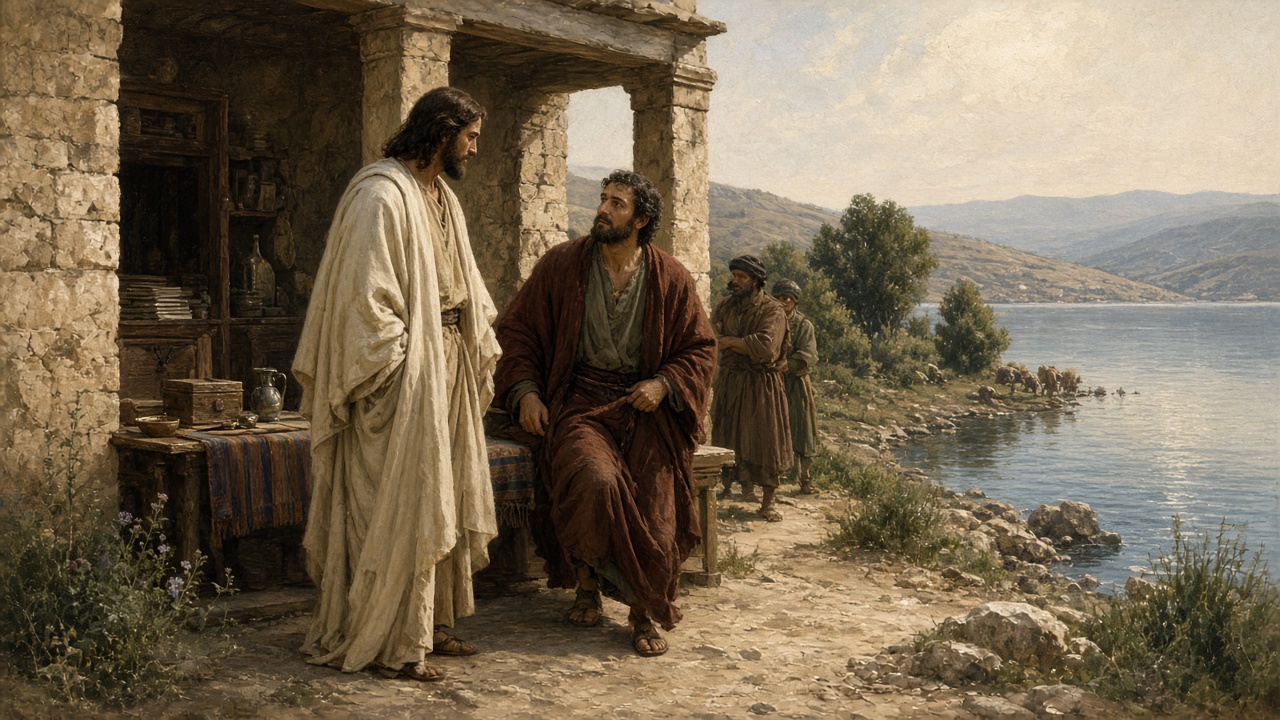
- Matthew, son of Alphaeus, was a publican, or tax collector, at Capernaum. Jesus, coming up from the side of the lake, passed the custom-house where Matthew sat and said, “Follow me.” He had formerly been known as Levi; that same day he gave a great feast, described as a farewell, for Jesus, the disciples, and probably many of his old associates.Sources: Matthew · the Bible text itself
- Those who ask why they and the Pharisees fast so often, while Jesus’ disciples do not, are disciples of John the Baptist. John is called the forerunner; he was of priestly descent, his father Zacharias a priest of the course of Abia and his mother Elisabeth one of the daughters of Aaron.Sources: John the Baptist · the Bible text itself
- One chronology places the healing of the paralyzed man, the call of Matthew, the question about fasting, and the parable of the wineskins in AD 28.Sources: Healing the Man with Palsy · Jesus Calls Matthew · Fasting Question · Parable of the Winseskins
Notes written with AI assistance from open sources (Theographic Bible Metadata, CC BY-SA 4.0; Easton’s Bible Dictionary, public domain) and reviewed before publishing.
Places in this chapter
- Sea of Galilee · 32.819, 35.590 · verse 1
Only places identified with high confidence are shown (90% or more according to the scholarly sources compiled by OpenBible). Period map: DARE (Digital Atlas of the Roman Empire), CC BY 4.0; modern map: © OpenStreetMap contributors; places: OpenBible.info (CC BY 4.0).
Credits and license for this translation
Dios oca gotirituti
New Testament in Barasana-Eduria (CO:bsn:Barasana-Eduria)
copyright © 2010 Wycliffe Bible Translators, Inc.
Language: Barasana-Eduria
Translation by: Wycliffe Bible Translators, Inc.
Copyright Information
© 2010, Wycliffe Bible Translators, Inc. All rights reserved.
This translation text is made available to you under the
terms of the Creative Commons License: Attribution-Noncommercial-No Derivative Works.
( http://creativecommons.org/licenses/by-nc-nd/3.0/ )
In addition, you have permission to port the text to different file formats, as long as you
do not change any of the text or punctuation of the Bible.
You may share, copy, distribute, transmit, and extract portions
or quotations from this work, provided that you include the above copyright
information:
You must give Attribution to the work.
You do not sell this work for a profit.
You do not make any derivative works that change any of the actual words or punctuation of the Scriptures.
Permissions beyond the scope of this license may be
available if you contact
us with your request.
The New Testament
in Barasana-Eduria
© 2010, Wycliffe Bible Translators, Inc. All rights reserved.
This translation is made available to you under the terms of the
Creative Commons Attribution-Noncommercial-No Derivatives license 4.0.
You may share and redistribute this Bible translation or extracts from it in any format, provided that:
You include the above copyright and source information.
You do not sell this work for a profit.
You do not change any of the words or punctuation of the Scriptures.
Pictures included with Scriptures and other documents on this site are licensed just for use with those Scriptures and documents.
For other uses, please contact the respective copyright owners.
2014-04-22
Source: http://ebible.org/bsnNT/ · eBible.org