Matthew 10
Dios oca gotirituti · Tap a verse to see its cross-references.
Ĩ ocare goticudisʉoronare Jesús ĩ besere queti
1Cojorʉ̃mʉ ĩ buerimasare yʉare jʉaãmo cõro, gʉbo jʉa jẽnituarirãcʉ ñarãre jirẽocami Jesús. Yʉare jirẽocõari, ado bajiro yicami:
—Masa ʉsʉrijʉ sãñarãre vãtiare, “Budiya” mʉa yijama, budirʉarãma. Rijaye cʉtirãre quẽne, “Catiya” mʉa yijama, caticoarʉarãma —yʉare yicami Jesús.
2Jʉaãmo cõro, gʉbo jʉa jẽnituarirãcʉ ñacajʉ yʉa, “Yʉ ocare gotimasiocudiba” Jesús ĩ yicana. Ado bajiro vãme cʉtirã ñacajʉ yʉa: Simón vãme cʉtiboacacʉ, Pedro vãme cʉtigʉ, ĩ bedi Andrés ñacama. To yicõari, Zebedeo rĩa ñacama Santiago, ĩ bedi Juan. Gãjerã, Felipe, Bartolomé, Tomás, yʉ Mateo vãme cʉtigʉ, ʉjʉre gãjoa sẽnibosarimasʉ ñaboacacʉ ñacajʉ. Alfeo macʉ Santiago, to yicõari, Tadeo vãme cʉtigʉ, gãji ñacami Simón vãme cʉtigʉ, celote yere tʉoĩaboar'i. Tʉsagʉ Judas Iscariote vãme cʉticami. Ĩ ñañumi Jesúre ĩsirocarocʉ.
5To bajiri yʉa, jʉaãmo cõro, gʉbo jʉa jẽnituarirãcʉre ado bajiro yʉare gotimasiocudiroticami Jesús:
—Jud'io masa me ĩna ñarimacari gotimasiocudibeja mʉa. Samaria sita ñarimacarire quẽne vabeja mʉa —yʉare yicami. 6—Israel sitana tʉjʉare vasa. Ĩna ñarãma Dios yarã ñaboariarã, oveja yayirãre bajiro bajirã —yicami. 7—“Diore rotibosarocʉ ĩ rotisʉoroti mojoroaca rʉyaja. Ʉjʉ Dios yarã quẽnaro ĩ yirona mʉa ñarʉajama, rojose mʉa yisere yitʉjacõari, Jesúre ajitirʉ̃nʉña” yigotimasiocudiba mʉa. 8Gase boarãre mʉa ĩajama, ĩnare catioba mʉa. Gãjerã no bojase rijaye cʉtirãre quẽne ĩnare catioba. Rijariarãre tudicatioba. Masa ʉsʉrijʉ sãñarãre vãtiare quẽne ĩnare bureaba. Vaja manone to yirotire mʉare ʉjoaja yʉ. To bajiri, vaja sẽnimenane, mʉa quẽne gotimasiocudi, rijaye cʉtirãre catio, ĩna ʉsʉrijʉ sãñarãre vãtiare ĩnare burea, yicudirʉarãja mʉa —yʉare yicami Jesús. 9—Mʉa vaja yiroti gãjoa juaábeja. 10To yicõari, bare sãriajoari juaábeja mʉa. Sudi mʉa sãñasene sãñacõari, vaja. Gajeye gʉbo sudi mʉa vasoaroti juaábeja. Tueriayucʉ́rire quẽne juaábeja. No bojarã gãjerãre moabosarimasa, vaja bʉjarãma. To bajirone bajirʉaroja mʉare quẽne. Ĩnare mʉa gotimasiose vajane ĩsiecorʉarãja mʉa quẽne —yʉare yicami Jesús. 11—Jairimaca, mojorimacare ejarã, quẽnaro yigʉre macama mʉa. Ĩre bʉjacõari, ĩ tʉ cãnima. Ti macanare mʉa gotimasiojama, ĩ tʉ rĩne ñama maji, gajerojʉ mʉa varoto rĩjoro. 12Vijʉ ejarã, “¿Ñati mʉa?” yisẽniĩacõari, “Quẽnaro ñaña mʉa”, yiba. 13To mʉa yirone, ti viana quẽnaro mʉare ĩna bocaãmijama, mʉa yirore bajiro quẽnaro ñarʉarãma. Quẽnaro mʉare ĩna bocaãmibetijama, “‘Quẽnaro ñaña’ yʉa yibetiriarãre bajirone ñacõaña mʉa” ĩnare yi, vacoaja mʉa. 14Mʉare quẽnaro ĩna bocaãmibetijama, to yicõari mʉa gotisere ĩna ajirʉabetijaquẽne, ti vire ñabeja. Ti vire budicõari, sitare gʉbo sudi tuyasere varereaba. “Quẽnaro yʉare bocaãmibeticõari, yʉare mʉa ajirʉabetijare, rojose mʉare yirʉcʉmi Dios” yirã, to bajiro yirʉarãja mʉa. 15Riojo mʉare gotiaja yʉ. Ti macana mʉare ĩna ajirʉabeti vaja Diojʉama, rojose ĩnare yirʉcʉmi masare ĩ beserirʉ̃mʉ ti ejaro. Sodoma macana ñamasiriarã rẽtobʉsaro rojose tãmʉorʉarãma ĩna, mʉare quẽnaro bocaãmimenama —yʉare yicami Jesús.
“Dios oca mʉa gotise sʉori, ajijũnisinicõari, rojose mʉare yirʉarãma”, Jesús ĩ yire queti
16Quẽna ado bajiro ĩ buerãre yʉare yicami Jesús:
—Ovejare, buyairoa vatoajʉ güiorojʉ ĩnare cõagʉ̃re bajiro mʉare gotimasiocudirotiaja yʉ. To bajiri mʉa ñagõroto rĩjoro, quẽnaro tʉoĩama. To yicõari, mʉare rojose ĩna yiboajaquẽne, mʉajʉama quẽnasejʉare yirã rĩne ñacõama. 17Ado bajiro bajiroti ñajare, quẽnaro tʉoĩama mʉa: Mʉare ñejecõari, Dios ocare ĩna buerivirijʉ ʉjarã rĩjorojʉa mʉare juaárʉarãma ĩna. Tojʉ mʉare bajerʉarãma. 18To yicõari, yʉ ocare mʉa gotimasiojare, macari ʉjarã rĩjorojʉa mʉare juaárʉarãma ĩna. To yi vanane, ʉjarã ñamasurã rĩjorojʉa mʉare juaárʉarãma. To bajiro mʉare ĩna yijare, ʉjarãre, to yicõari, jud'io masa mere yʉ ocare gotirʉarãja mʉa. 19Ʉjarã rĩjorojʉa mʉare ĩna juaejaro, “¿No bajiro ñagõrãti yʉa?”, yitʉoĩarejaibeja mʉa. “Ñagõña” mʉare ĩna yirirĩmarone, mani jacʉ Dios ĩ cõagʉ̃, Esp'iritu Santo ĩ ejarẽmose rãca “Ado bajiro gotirʉarãja yʉa” yimasirʉarãja mʉa —yʉare yicami Jesús.
21Quẽna ado bajiro yʉare yicami Jesús:
—Yʉ yere ajiterãre güiose ĩna yisere ĩarʉarãja mʉa. Sĩgʉ̃ rĩa ñaboarine, “Ĩnare sĩato” yirã, ñejerotirʉarãma ĩna. To yicõari, jacʉa quẽne, “Yʉa rĩare sĩato” yirã, ĩna rĩare ñejerotirʉarãma. Ĩna rĩajʉa quẽne, ĩna jacʉare ajijũnisinicõari, gãjerãre sĩarotirʉarãma ĩna. 22Yʉ ocare mʉa goticudijare, jediro masa mʉare ĩaterʉarãma. To bajiro ĩna yiboajaquẽne, no bojarã yʉre ajitirʉ̃nʉ tʉjamenarema, rojose tãmʉotʉjabetiriarojʉ ĩna varoti ñaboarere ĩnare yirẽtobosarʉcʉmi Dios. 23Cojo maca mʉare rojose ĩna yijama, gaje macajʉ rudiaja mʉa. Riojo mʉare gotiaja yʉ. Jediro Israel sitajʉre ñarimacarire mʉa goticudijeoroto rĩjoro, yʉ, Dios ĩ roticõacacʉ, adi macarʉcʉrojʉre tudiejarʉcʉja yʉ.
24Ĩnare buegʉ rẽtobʉsaro masirã me ñaama ĩ buerã. To bajiboarine, quẽnaro ĩna buejeocõajama, ĩnare buerimasʉre bajirone masirãma ĩna quẽne. 25“Yʉare buegʉre bajiro yʉa bajijama, quẽnaja”, yitʉoĩaroti ñaja. To bajicõari, ĩre moabosarimasare quẽne, “Yʉa ʉjʉre bajiro yʉa bajijama, quẽnaja”, yitʉoĩaroti ñaja. To bajiro ti bajijare, yʉre mʉa ʉjʉre Beelzebú yʉre ĩna vãme yitud'ijama, yʉ yarã mʉa ñajare, rẽtoro rojose mʉare yitud'irʉarãma ĩna —yʉare yicami Jesús.
“Masa rojose yirãre güimenane, Diojʉare güiroti ñaja mʉare”, Jesús ĩ yire queti
26Quẽna ado bajiro ĩ buerãre yʉare yicami Jesús:
—Rojose mʉare ĩna yitud'iboajaquẽne, ĩnare güibeja mʉa. “Masa ĩna ĩabeto yitud'irã yaja” mʉare ĩna yiboajaquẽne, Diojʉama, ĩacõarʉcʉmi. Ñiejʉa masa ĩna yirudise maja, Diorema. Adirʉ̃mʉri masa ĩna masibeti jediro, Dios ĩ beserirʉ̃mʉ ti ejaro, “Quẽnaro tire masiato” yigʉ, gotirʉcʉmi. 27Masa ĩna ajibeto yayioroaca mʉare yʉ gotisere “Jediro ajiato” yirã, gotibatorʉarãja mʉa. 28Mʉare sĩarʉarãre güibeja mʉa. Mʉa ʉsʉrijʉrema sĩamasimenama ĩna. Diojʉare mʉa güijama, quẽnaja. Ĩ ñaami mani catisere rotigʉ. Ĩ masu masiami. To bajiri rojose tãmʉotʉjabetiriarojʉ mʉare reamasicõami.
29Jʉarã miniare mani vaja yijama, cojotii gãjoatii rãca vaja yire ñaroja ti, mojoroaca vaja cʉtirã ĩna ñajare. To cõroaca vaja cʉtiboarine, Dios ĩ rotibetone rijagʉ magʉ̃mi. 30Masajʉare, Dios ĩ ĩajama, jairo vaja cʉtirãre bajiro manire ĩaami. Manire bʉto maiami ĩ. To bajiro bajigʉ ñari, mani rʉjoajoare, cojojoara rʉyabeto cõĩajeogʉ ñaami. To bajiri rojose mʉare yirãre güibeja —ĩ buerãre yʉare yicami Jesús.
“Masa ĩna ĩaro rĩjorojʉa, ‘Jesúre ajitirʉ̃nʉgʉ̃ ñaja yʉ’ mʉa yijama, quẽnaja”, Jesús ĩ yire queti
32Quẽna ado bajiro yʉare yicami Jesús:
—Masa ĩna ĩaro rĩjorojʉa, “Jesúre ajitirʉ̃nʉrã ñaja yʉa” yirãrema, yʉ quẽne õ vecajʉ yʉ jacʉ ĩ ĩaro rĩjorojʉa, “Ãnoa ñaama yʉ yarã”, yiĩorʉcʉja yʉ. 33To bajiboarine masa ĩaro rĩjorojʉa, “Jesúre ajitirʉ̃nʉrã me ñaja yʉa” ĩna yijama, yʉ quẽne, õ vecajʉ yʉ jacʉ ĩ ĩaro rĩjorojʉa, “Yʉ yarã me ñaama ĩna”, yirʉcʉja yʉ —yʉare yicami Jesús.
“Yʉre mʉa ajitirʉ̃nʉsere ĩacõari, mʉare ĩajũnisinirʉarãma”, Jesús ĩ yire queti
34Quẽna ado bajiro yʉare yicami Jesús:
—“‘Quẽnaro ñato masa’ yigʉ, vayumi Jesús”, yʉre yitʉoĩabesa mʉa. Dios ĩ bojabeti yirã, yʉ ocare ajijũnisinicõari, yʉre ajitirʉ̃nʉrãre ĩaterʉarãma ĩna. To bajiri ado bajirojʉa yʉre yitʉoĩaña: “‘Ĩ sʉorine ricatiri tʉoĩarʉarãma’ yigʉ, vayumi Jesús”, yʉre yitʉoĩaña. 35Ĩ macʉ, yʉre ĩ ajitirʉ̃nʉjama, ĩ jacʉjʉa ĩre ĩaterʉcʉmi. Jacʉjʉa, yʉre ĩ ajitirʉ̃nʉjama, ĩ macʉjʉa, ĩre ĩaterʉcʉmi. So macojʉa, yʉre so ajitirʉ̃nʉjama, so jacojʉa, sore ĩaterʉocomo. Jacojʉa, yʉre so ajitirʉ̃nʉjama, so macojʉa, sore ĩaterʉocomo. So ũmañicojʉa yʉre so ajitirʉ̃nʉjama, so jẽjojʉa, sore ĩaterʉocomo. 36To bajiri sĩgʉ̃ yʉre ajitirʉ̃nʉgʉ̃ ĩ ñajare, ĩ yarã ñaboarine, ĩre ĩaterʉarãma.
37No bojagʉ ĩ jacore, ĩ jacʉre yʉre ĩ mairo rẽtobʉsaro maigʉ̃ma, yʉ yʉ ñamasibecʉmi ĩ ũgʉ̃ma. No bojagʉ ĩ macore, ĩ macʉre yʉre ĩ mairo rẽtobʉsaro maigʉ̃ma, yʉ yʉ ñamasibecʉmi ĩ ũgʉ̃ma. 38No bojagʉ, “Jesúre bajiro rojose tãmʉosʉyarʉcʉja yʉ” yitʉoĩabecʉma, yʉ yʉ ñamasibecʉmi ĩ ũgʉ̃ma. 39No bojarã, no ĩna bojarone ñare cʉtirãma adi macarʉcʉro ñasere ĩavariquẽnacõari, Diore tʉoĩamenama, Dios ĩ catisere yayibetire cʉomena ñarʉarãma ĩna. To bajiboarine, yʉre ajitirʉ̃nʉrã, yʉ oca ĩna gotisere ajijũnisinicõari, ĩna sĩarãma, Dios tʉ quẽnaro ñarona ñarãma —yʉare yicami Jesús.
“Ado bajiro yirã ñarãma Dios tʉjʉ quẽnase bʉjarona”, yire queti
40Quẽna ado bajiro yʉare yicami Jesús:
—Mʉare cõagʉ̃ yʉ ñajare, gãjerã tʉ mʉa ejaro, quẽnaro mʉare ĩna yijama, yʉrene quẽnaro yirã yirãma. Yʉre quẽnaro yirãma, yʉre cõacacʉre quẽnaro yirã yirãma. 41“Diore gotirẽtobosarimasʉ ñagʉ̃mi” yimasicõari, quẽnaro ĩre yirã, ĩre gotirẽtobosarimasʉ Dios tʉ quẽnase ĩ bʉjaroto cõrone bʉjarʉarãma ĩna quẽne. “Quẽnaro yigʉ ñaami” yimasicõari, quẽnaro ĩre yirã, quẽnaro yigʉ Dios tʉ quẽnase ĩ bʉjaroto cõrone bʉjarʉarãma ĩna quẽne. 42Riojo mʉare gotiaja yʉ. Yʉre ajisʉyarã ñamasurã me ĩna ñaboajaquẽne, yʉre ajitirʉ̃nʉrã ĩna ñajare, quẽnaro ĩnare yirã, to bajiro ĩna yise vaja, vaja bʉjarʉarãma ĩna. Ocone ĩnare ĩna ioboajaquẽne, vaja bʉjarʉarãma —yʉare yicami Jesús.
Did you know?
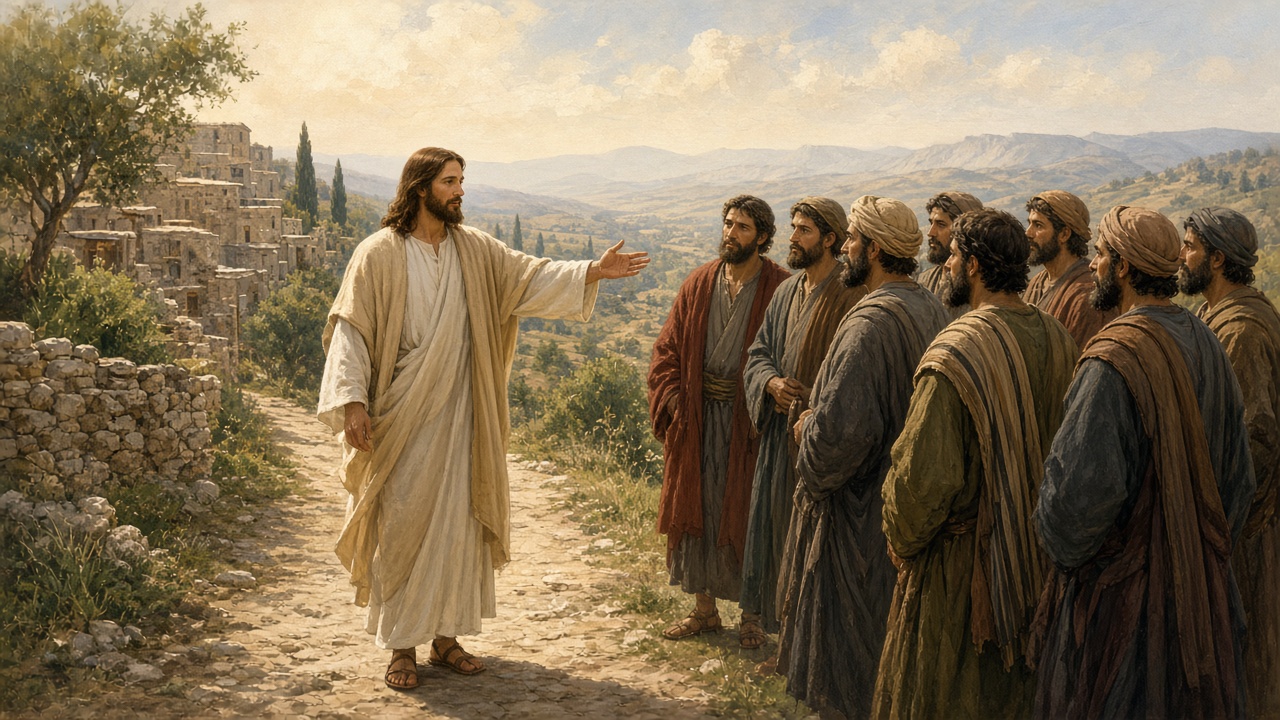
The Twelve Sent on Mission
- Simon, called Peter, and his brother Andrew—the first pair named among the twelve—were fishermen from Bethsaida, on the western coast of the Sea of Galilee. James and John, listed next, were sons of Zebedee, a Galilean fisherman who had his own boats and hired servants.Sources: the Bible text itself · Simon Peter · Andrew · Zebedee
- Matthew, identified in the list as the tax collector, was the son of Alphaeus and had formerly been known as Levi; he collected taxes at Capernaum, and the name Matthew means “gift of God.” Thomas, named beside him, was also called Didymus, the Greek equivalent of the Hebrew name, meaning “twin.” Bartholomew means “son of Tolmai” and is generally supposed to have been the same person as Nathanael.Sources: the Bible text itself · Matthew · Thomas · Bartholomew
- Jesus warns that the day of judgment will be more bearable for Sodom and Gomorrah than for a town that refuses the twelve apostles. Easton's Bible Dictionary (1897) describes those cities of the plain of Siddim as destroyed by fire and proverbial for wickedness, and places them, probably close together, near the northern end of what is now the Dead Sea.Sources: the Bible text itself · Sodom · Gomorrah
Notes written with AI assistance from open sources (Theographic Bible Metadata, CC BY-SA 4.0; Easton’s Bible Dictionary, public domain) and reviewed before publishing.
Credits and license for this translation
Dios oca gotirituti
New Testament in Barasana-Eduria (CO:bsn:Barasana-Eduria)
copyright © 2010 Wycliffe Bible Translators, Inc.
Language: Barasana-Eduria
Translation by: Wycliffe Bible Translators, Inc.
Copyright Information
© 2010, Wycliffe Bible Translators, Inc. All rights reserved.
This translation text is made available to you under the
terms of the Creative Commons License: Attribution-Noncommercial-No Derivative Works.
( http://creativecommons.org/licenses/by-nc-nd/3.0/ )
In addition, you have permission to port the text to different file formats, as long as you
do not change any of the text or punctuation of the Bible.
You may share, copy, distribute, transmit, and extract portions
or quotations from this work, provided that you include the above copyright
information:
You must give Attribution to the work.
You do not sell this work for a profit.
You do not make any derivative works that change any of the actual words or punctuation of the Scriptures.
Permissions beyond the scope of this license may be
available if you contact
us with your request.
The New Testament
in Barasana-Eduria
© 2010, Wycliffe Bible Translators, Inc. All rights reserved.
This translation is made available to you under the terms of the
Creative Commons Attribution-Noncommercial-No Derivatives license 4.0.
You may share and redistribute this Bible translation or extracts from it in any format, provided that:
You include the above copyright and source information.
You do not sell this work for a profit.
You do not change any of the words or punctuation of the Scriptures.
Pictures included with Scriptures and other documents on this site are licensed just for use with those Scriptures and documents.
For other uses, please contact the respective copyright owners.
2014-04-22
Source: http://ebible.org/bsnNT/ · eBible.org