Acts 20
Dios oca gotirituti · Tap a verse to see its cross-references.
Macedonia sitanare, Grecia sitanare quẽne Pablo ĩ goticudire
1To bajiro ĩna yiriaro bero, “Ado bajiro ñarʉarãja mʉa” ĩnare yigotirʉ, Jesúre ajitirʉ̃nʉrãre ĩnare jirẽoñuju Pablo. To yigajanocõari, ĩnare vare goti, vacoasuju ĩ, Macedonia sitajʉ vacʉ. 2Ti sitajʉ ejacõari, Jesúre ajitirʉ̃nʉrãre, bʉtobʉsa ĩre ĩna ajitirʉ̃nʉrotire ĩnare goticudiyuju. To yicõari, Grecia sitajʉ vacoasuju ĩ. 3Ti sitajʉ ejacõari, idiarã muijua ñañuju ĩ. To bajiñaboa, Siria sitajʉre varʉaboayuju. Jud'io masa ĩre ĩna sĩarʉasere ajicõari, vabesuju. To bajiri, “Macedonia sitare rẽtoarʉcʉja yʉ, Efeso macajʉ vacʉ”, yitʉoĩañuju Pablo. 4Ĩre baba cʉti vacana ado bajiro vãme cʉtirã ñacama ĩna: Berea vãme cʉti macagʉ, Pirro macʉ Sópater vãme cʉtigʉ ñacami. To bajicõari, Segundo, Aristarco ñacama Tesalónica macana. Derbe vãme cʉti macagʉ Gayo quẽne ñacami. T'iquico, Trófimo, to yicõari, Timoteo ñacama ĩna Asia sitana. 5Troas vãme cʉti macajʉ vana, yʉa rĩjoro vacoacama ĩna, tojʉ yʉare yuroana. 6Boserʉ̃mʉ pan ũmato vauvase vʉoyamani bariarʉ̃mʉri bero, vacajʉ yʉa, Filipos vãme cʉti macajʉ. Ti maca ñariarã, Troas macajʉare vana, cojomocãrãcarʉ̃mʉ bero, ejacajʉ yʉa, ti macajʉre. Ti macajʉ yʉare yuyuma rĩjoro vacana. Ĩna rãca cojomo cõro, jʉa jẽnituarirʉ̃mʉri ñacajʉ yʉa.
Troas macanare Jesúre ajitirʉ̃nʉrãre Pablo ĩ gotire queti
7Sábado rãiorijʉ rẽjacajʉ yʉa, Jesúre ajitirʉ̃nʉrã. “Yʉ rijato bero, mʉare yʉ rijabosarere tʉoĩarã, ʉye ocore idi, to yicõari, pan ba, yirũgũrʉarãja mʉa” Jesús ĩ yiroticũre ñajare, tire yirʉarã rẽjacajʉ yʉa. Yʉa baroto rĩjoro, Jesús ocare ĩnare gotimasiocami Pablo. Busurijʉ varocʉ ñari, goticõa ñacami. Ĩ gotiñaro rĩne, ñami gʉdareco ejacoacajʉ. 8Idiatuti cʉtivi ñacajʉ yʉa rẽjacativi. To bajiri tʉsaritutijʉre ñacajʉ yʉa. Jairo sĩabusuore ñacajʉ ti. 9Mame bʉcʉagʉ Eutico vãme cʉtigʉ, yʉa rãca ñacami. Ĩaburiasojejʉre rujicõari, cãnijuriarujicami. To bajica yigʉ, quedijasĩacoacami. To bajiri rijar'ire tʉ̃avʉ̃mʉoboa yicõacama. 10To ĩna yisere ĩacõari, rujiadicami Pablo. Rujiejacõari, ĩre tʉ̃avʉ̃mʉogʉ̃ne, jabariocami. To yigʉne,
—Ĩaʉcabeticõaña. Rijayayibeami —yʉare yicami.
11To yicõari, mʉjacoacami quẽna. Jesús ĩ rijabosarere tʉoĩagʉ̃, bare ũmato bacami. To yicõa, gotirũtuacʉne gotibusuocoacami. To ĩ yigajanoro bero, vacoacajʉ yʉa. 12Ti macana, variquẽnarãne Euticore ĩre tʉ̃acoacama ĩna, Pablo ĩ catior'ire.
Mileto macajʉre Pablo ĩ vare queti
13Maane Pablo ĩ varoto rĩjoro, cũmuane Aso macajʉ vacajʉ yʉa, “Tojʉ yʉre sãrʉarãja mʉa” ĩ yijare. 14Aso macajʉ yʉa ejaro bero, maajʉ vadicõari, ejacami. Ĩ ejaro bero, Mitilene vãme cʉti macajʉ ĩre sãvacajʉ yʉa. 15Ti macajʉ yʉa ejabusuocatirʉ̃mʉre Qu'io vãme cʉtiyoa cãnamuñarore ejacajʉ yʉa. Gajerʉ̃mʉ, Samos vãme cʉtiyoajʉ ejacajʉ yʉa. Gajerʉ̃mʉ vana, Mileto vãme cʉti macajʉ ejacajʉ yʉa. 16Asia sitajʉre yoaro ñarʉabecʉ ñari, “Efeso macare rẽtocoarʉarãja mani”, yicami Pablo. Jerusalénjʉre Pentecostés boserʉ̃mʉ rĩjoro ejarʉagʉ ñari, guaro varʉacami.
Efeso macanare Jesúre ajitirʉ̃nʉrãre Pablo ĩ gotitʉsare queti
17Mileto macajʉre ñacõari, Efeso macana Jesúre ajitirʉ̃nʉrãre ũmato ñarãre jigʉ, ĩnare ucacõacami Pablo. 18Ĩ jicõarã ĩna ejaro, ado bajiro ĩnare goticami Pablo:
—Mʉa tʉjʉ ejasʉogʉ, quẽnaro yʉ yirũgũcatire bajirone yʉ yicõa ñasere masiaja mʉa. 19Mani ʉjʉ Jesús ĩ bojasere yʉ yijama, yʉ masune tʉoĩacõari, yigʉ me yirũgũcajʉ yʉ. Yʉ yarã jud'io masa yʉre ĩna sĩarʉajare, bʉto rojose tãmʉocajʉ yʉ. Cojo vãme me rojose tãmʉocõari, otirũgũcajʉ yʉ. 20Mʉa rẽjarivirijʉ, to yicõari mʉa ya virijʉre quẽne, yʉre ĩna sĩarʉasere güibecʉ, mʉare ejarẽmorʉ, yʉ masiro cõro Dios ocare mʉare gotimasiorũgũcajʉ yʉ. 21Jud'io masare, to yicõari, jud'io masa me ñarãre quẽne, “Rojose mʉa yisere yitʉjacõari, ‘Dios ĩ bojasejʉare yirʉarãja. To yicõari, mani ʉjʉ Jesucristo ĩ rijabosare sʉorine rojose yʉa yisere Dios ĩ masiriojare, ĩ rãca quẽnaro ñaja yʉa’ yitʉoĩaña”, mʉare yigotirũgũcajʉ yʉ. 22Esp'iritu Santo yʉre ĩ rotise rãca, Jerusalén macajʉ vacʉ bajiaja yʉ. Tojʉ yʉre bajirotire masibetiboarine, bajiaja yʉ. 23To bajiboarine masiaja yʉ, bajigʉjʉma. Tocãrãca macari yʉ ejaro, Esp'iritu Santo ado bajise yʉre gotirũgũami: “Tubibe ecorʉcʉja mʉ. To yicõari, gajeye rojose tãmʉorʉcʉja mʉ”, yʉre yigotirũgũami. 24Tire tʉoĩaboarine, yʉ bajirotire güibeaja yʉ. Ñamasuse me ñaja ti. Ado bajisejʉa ñaja ñamasuse: Masare Dios ĩ maisere quẽnase quetire mani ʉjʉ Jesús yʉre ĩ gotiroticatire tire yijeocõarʉaja yʉ.
25Dios ĩ bojarore bajiro Jesúre ajitirʉ̃nʉrere mʉare gotimasio gajanocõaja yʉ. To bajiri yʉre tudiĩabetirʉarãja mʉa. 26Quẽnaro yʉre ajiya mʉa: Güibecʉne, jediro Dios ĩ bojaro cõrone mʉare gotijeocõacajʉ yʉ. To bajiri, “Pablo, quẽnaro yʉare ĩ gotibeticati sʉori rojose tãmʉoaja yʉa”, yibetirʉarãja mʉa. 28“Rojosere yibetirʉarãja”, yitʉoĩacõa ñarũgũrʉarãja mʉa. Mʉa rãcanare ĩre ajitirʉ̃nʉrãre ĩnare rijabosayumi Jesús, “‘Yʉ yarã ñaama’ yiĩato Dios” yigʉ. To bajiri, Esp'iritu Santo mʉare ĩ roticũriarore bajirone quẽnaro ĩnare ũmato ñarũgũrʉarãja mʉa. 29Yʉ vaveoro bero ejarʉarãma gãjerã, “Diore gotirẽtobosarimasa ñaja yʉa” yitorimasa. Mʉa ñaro vatoajʉre ejacõari, ĩna gotitose sʉorine Jesúre ajitirʉ̃nʉ tʉjacõari, rojose tãmʉorʉarãma mʉa rãcana. 30Mʉa quẽne, Jesúre ajitirʉ̃nʉrãre ũmato ñarã ñaboarine, “To bajiro me bajiaja. Ado bajirojʉa bajiaja ti”, yisocarʉarãja mʉa sĩgʉ̃ri, “Yʉajʉare ajisʉyato ĩna” yirã. 31To bajiro bajiroti ti ñajare, “Rojose yibetirʉarãja”, yitʉoĩacõa ñarũgũrʉarãja mʉa. Tocãrãcʉrene, idia cʉ̃ma tire mʉare gotirũgũcajʉ yʉ, ʉ̃mʉari, to yicõari ñamire quẽne. Tire mʉare gotiñagʉ̃ne, sĩgʉ̃ri mʉa bajirotire tʉoĩacõari, cojoji me otisʉtiritirũgũcajʉ yʉ.
32To bajiro mʉare yirũgũcacʉ ñari, “Ĩnare ĩatirʉ̃nʉña”, yisẽniaja yʉ, Diore. Mʉare ĩamaicõari, quẽnaro Dios ĩ yisere, to yicõari mʉare yʉ gotimasiocatire quẽne tire masiritibetirʉarãja mʉa. Tire mʉa masiritibetijama, Jesúre bʉtobʉsa ajitirʉ̃nʉrũtuarʉarãja mʉa. To yicõari, Dios rĩa ñari, mʉa rijato berojʉ ĩ gotiriarore bajirone ĩ ñarojʉre quẽnaseayere bʉjarʉarãja mʉa. 33Dirʉ̃mʉ ũnone gãjerã ĩna cʉosere gãjoare, sudire ĩnare sẽnigõjanabiobetirũgũcajʉ yʉ. 34Yʉ masu moacõari, yʉ bojasere, yʉ rãcana ĩna bojasere quẽne tire vaja yirũgũcajʉ yʉ. Tire masiaja mʉa. 35To bajiro yʉ yijama, “Mani bojasere, to yicõari, maioro bajirã ĩna bojasere ĩnare vaja yiĩsirʉarã, quẽnaro moarũgũroti ñaja” yigʉ, yicajʉ yʉ. Ti ũnire ado bajiro manire gotimasioñuju mani ʉjʉ Jesucristo: “Ĩsiecocõari, ĩ variquẽnaro rẽtoro variquẽnagʉ̃mi gãjerãre ĩ ĩsijama”, manire yigotiyuju Cristo. To bajiri, tire masiritibeticõaña mʉa —ĩnare yigoticami Pablo, Efesoana Jesúre ajitirʉ̃nʉrãre ũmato ñarãre.
36To bajiro ĩnare yigotigajanocõari, ĩna rãca gʉsomuniari tuetucõari, “Diore sẽnito mani”, ĩnare yicami Pablo. 37To ĩ yigajanoro bero, otirãne Pablore ĩre jabario, usu, yicama ĩna. 38“Yʉre tudiĩabetirʉarãja mʉa” ĩ yijare, bʉto sʉtiriticama ĩna. To bajirã ñari, cũmua yʉa vasãjavatojʉ yʉare ĩasʉyaejocama ĩna.
Did you know?
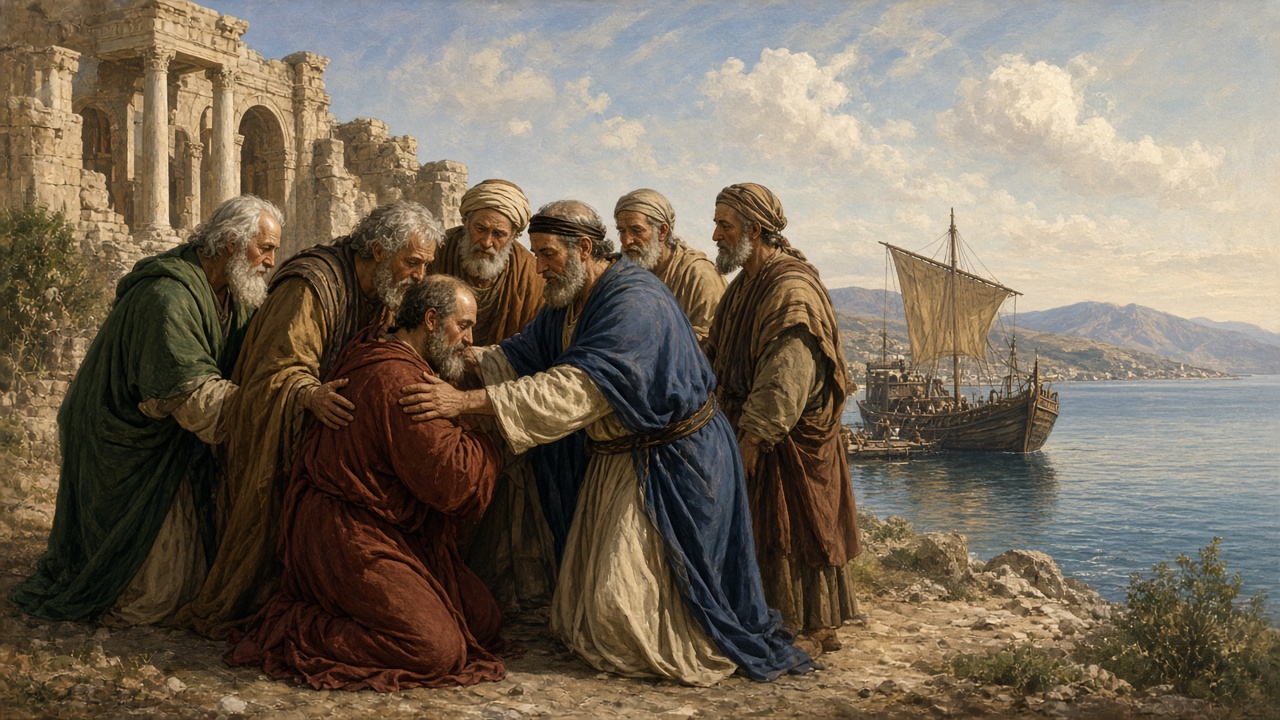
Farewell on the way to Jerusalem
- Leaving Troas, Paul sent his companions ahead by ship and walked to Assos along the Roman road. Assos was a seaport of Proconsular Asia in Mysia, on the north shore of the Gulf of Adramyttium; the walk was about 20 miles, the sea route about 30, and the island of Lesbos lay about 7 miles offshore.Sources: the Bible text itself · Assos
- Paul sailed past Ephesus to avoid spending time in the province of Asia—the Roman province in western Asia Minor, with Ephesus as its capital—because he hoped, if possible, to reach Jerusalem by the day of Pentecost. He stopped at Miletus, a seaport and the ancient capital of Ionia about 36 miles south of Ephesus, and summoned the elders of the Ephesian church.Sources: the Bible text itself · Asia · Miletus
- Seven men traveled with him: Sopater of Berea, Aristarchus and Secundus of Thessalonica, Gaius of Derbe, Timothy, and Tychicus and Trophimus from Asia. Aristarchus of Thessalonica later shared Paul’s imprisonment in Rome, and Trophimus, an Ephesian, accompanied him on this part of the journey and was with him in Jerusalem.Sources: the Bible text itself · Aristarchus · Trophimus
Notes written with AI assistance from open sources (Theographic Bible Metadata, CC BY-SA 4.0; Easton’s Bible Dictionary, public domain) and reviewed before publishing.
Places in this chapter
- Macedonia · 41.600, 22.540 · verses 1, 3, 6
- Greece · 37.972, 23.727 · verse 2
- Syria · Today: Syria 2 · 33.511, 36.306 · verse 3
- Asia · 38.400, 28.300 · verses 4, 16, 18
- Berea · Today: Veria · 40.518, 22.200 · verse 4
- Thessalonica · Today: Thessaloniki · 40.638, 22.946 · verse 4
- Troas · Today: Alexandria Troas · 39.752, 26.159 · verses 5, 6
- Philippi · 41.012, 24.285 · verse 6
- Assos · 39.491, 26.337 · verses 13, 14
- Mitylene · Today: ancient theater at Mitylene · 39.110, 26.547 · verse 14
- Chios · 38.373, 26.137 · verse 15
- Miletus · 37.531, 27.276 · verses 15, 17
- Samos · 37.750, 26.833 · verse 15
- Trogyllium · Today: Cape Mycale · 37.659, 27.003 · verse 15
- Ephesus · 37.939, 27.341 · verses 16, 17
- Jerusalem · 31.777, 35.234 · verses 16, 22
Only places identified with high confidence are shown (90% or more according to the scholarly sources compiled by OpenBible). Period map: DARE (Digital Atlas of the Roman Empire), CC BY 4.0; modern map: © OpenStreetMap contributors; places: OpenBible.info (CC BY 4.0).
Credits and license for this translation
Dios oca gotirituti
New Testament in Barasana-Eduria (CO:bsn:Barasana-Eduria)
copyright © 2010 Wycliffe Bible Translators, Inc.
Language: Barasana-Eduria
Translation by: Wycliffe Bible Translators, Inc.
Copyright Information
© 2010, Wycliffe Bible Translators, Inc. All rights reserved.
This translation text is made available to you under the
terms of the Creative Commons License: Attribution-Noncommercial-No Derivative Works.
( http://creativecommons.org/licenses/by-nc-nd/3.0/ )
In addition, you have permission to port the text to different file formats, as long as you
do not change any of the text or punctuation of the Bible.
You may share, copy, distribute, transmit, and extract portions
or quotations from this work, provided that you include the above copyright
information:
You must give Attribution to the work.
You do not sell this work for a profit.
You do not make any derivative works that change any of the actual words or punctuation of the Scriptures.
Permissions beyond the scope of this license may be
available if you contact
us with your request.
The New Testament
in Barasana-Eduria
© 2010, Wycliffe Bible Translators, Inc. All rights reserved.
This translation is made available to you under the terms of the
Creative Commons Attribution-Noncommercial-No Derivatives license 4.0.
You may share and redistribute this Bible translation or extracts from it in any format, provided that:
You include the above copyright and source information.
You do not sell this work for a profit.
You do not change any of the words or punctuation of the Scriptures.
Pictures included with Scriptures and other documents on this site are licensed just for use with those Scriptures and documents.
For other uses, please contact the respective copyright owners.
2014-04-22
Source: http://ebible.org/bsnNT/ · eBible.org