Acts 19
Dios oca gotirituti · Tap a verse to see its cross-references.
Efeso vãme cʉti macajʉ Pablo ĩ bajire queti
1Corinto vãme cʉti macajʉ Apolos ĩ ñatoyene, Pablojʉa gʉ̃tayucʉ vatoajʉ ñarimacarire rẽtoacõari, Efesojʉ ejayuju. Tojʉ ejacõari, Jesúre ajitirʉ̃nʉrãre sĩgʉ̃rire ĩnare bʉjayuju Pablo. 2Ĩnare bʉjacõari, ado bajiro ĩnare sẽniĩañuju:
—Jesúre ĩre mʉa ajitirʉ̃nʉsʉorijʉ, ¿Dios ĩ cõagʉ̃ Esp'iritu Santo mʉare ejacati? —ĩnare yiyuju.
To ĩ yisere ajicõari,
—¿Ñimʉ ñati Dios ĩ cõagʉ̃ Esp'iritu Santo mʉ yigʉma? Ĩre masibeaja yʉa —ĩre yicʉdiyujarã ĩna.
3To ĩna yisere ajicõari,
—¿Ñie ũnire yirã, oco rãca bautizaroticati mʉa? —ĩnare yisẽniĩañuju Pablo.
To ĩ yisere ajicõari,
—Juan ĩ yirere yirã, oco rãca bautizaroticajʉ yʉa —ĩre yicʉdiyujarã ĩna.
4To bajiro ĩna yijare,
—“Rojose yirʉabeaja yʉa. Dios ĩ bojasejʉare yirʉarãja yʉa” yirãre ĩnare bautizayuju Juan. To yicõari, “Yʉ bero ejarocʉre ĩre ajitirʉ̃nʉma mʉa”, ĩnare yigotiyuju ĩ, Jesús ĩ ejarotire yigʉ —ĩnare yigotiyuju Pablo.
5To yicõari Jesús ĩ gotimasiorere, ĩ bajirere quẽne ĩnare gotiyuju Pablo. Tire ajicõari, “Manire rijabosayumi Jesús mani ʉjʉ. To bajiri ĩ rãcana ñaja yʉa” ĩre ĩna yiajitirʉ̃nʉsʉojare, oco rãca ĩnare bautizayuju Pablo. 6To yigajanocõari, ĩ ãmori rãca ĩnare ĩ ñujeorone, Esp'iritu Santo ĩnare ejayuju. To ĩnare ĩ bajirone, ajiyamani oca ñagõñujarã ĩna. To yicõari, Diore ĩre gotirẽtobosayujarã ĩna. 7Jʉaãmo cõro, gʉbo jʉa jẽnituarirãcʉ ñañujarã ĩna.
8Jud'io masa Dios ocare ĩna buerivijʉ tʉoĩagüibecʉne idiarã muijua ado bajiro ĩnare gotimasio ñañuju Pablo:
—Jesúne ñaami “Rotimʉorʉ̃gõrʉcʉmi” yigʉ, Dios ĩ cõar'i. Ĩre ajitirʉ̃nʉrãre, “Yʉ rãcana ñaama” ĩnare yiĩavariquẽnaami Dios —ĩnare yigotirũgũñuju.
9To bajiro ĩnare ĩ yigotiboajaquẽne, sĩgʉ̃ri ĩre ajitecoasujarã ĩna. To bajiri, “Jesús yere ajitirʉ̃nʉ sʉyare socase ñaja”, yigotiyujarã ĩna, ti vi rẽjarãre. To bajiro ĩna yijare, Tirano vãme cʉtigʉ ya vi, bueriavijʉ Jesús yere ajitirʉ̃nʉrãre ĩnare ũmato vacõari, tocãrãcarʉ̃mʉne ĩnare gotimasiorũgũñuju Pablo. 10Jʉa cʉ̃ma ĩnare gotimasio ñañuju ĩ. To bajiri Asia sitana, jud'io masa, to yicõari griego masa quẽne, mani ʉjʉ Jesús ĩ bajirere to yicõari, ĩ gotimasiorere Pablo ĩ gotisere ajijedicoasujarã ĩna. 11Tirodore ĩaĩañamanire Dios ĩ masise rãca yiĩoñuju Pablo. 12To bajiri, Pablo ĩ masune rijaye cʉtirãre ĩ moaĩagʉ̃ vabetiboajaquẽne, sudi joeaye, to yicõari ĩna rʉjoa siariarorine Pablore ĩre moaĩaroticõari, juacoarũgũñujarã rijaye cʉtirã tʉjʉ. Tire ĩna juaejasere moaĩarãne, caticoarũgũñujarã. Masa ʉsʉrijʉ sãñarã vãtia quẽne, budicoarũgũñujarã.
Masʉ ʉsʉjʉ sãñagʉ̃re vãtire, “Budiya”, Esceva rĩa ĩna yiboare
13Masa ʉsʉrijʉ sãñarãre vãtiare bureacõari, vaja sẽnicudirimasa ñañujarã ĩna, ĩaĩañamanire Pablo ĩ yiĩorirodore. To yirũgũriarã ñari, “‘Jesús ĩ rotise rãca yaja yʉa’ mani yijama, quẽnaro manire cʉdirʉarãma vãtia”, gãmerã yiyujarã ĩna. To yirã ñari, “Pablo masare ĩ gotimasiorũgũgʉ̃, Jesús ĩ rotise rãca budiya”, yirũgũñujarã ĩna, masa ʉsʉrijʉ sãñarãre vãtiare.
14To bajiro yirũgũñujarã jud'io masʉ paia ʉjʉ ñamasugʉ̃ Esceva vãme cʉtigʉ rĩa. Cojomo cõro, jʉa jẽnituarirãcʉ ñañujarã ĩna. 15To bajiro yirũgũriarã ñari, vãti sãñagʉ̃ ĩ ñarivijʉre sãjaejacõari, “Jesús ĩ rotise rãca budiya”, yiboayujarã, masʉ ʉsʉjʉ sãñagʉ̃re vãtire. To ĩna yirone,
—Jesúrema masiaja yʉ. Pablore quẽne ĩre masiaja. To bajiboarine mʉarema masibeaja —ĩnare yicõañuju vãti. To yigʉne, —Ĩnare quẽaña mʉ —yiyuju vãti, ĩ sãñagʉ̃re.
To ĩ yijare, ĩnare quẽacõari, ĩna sudire voreajeocõañuju. To ĩ yiriarã, cãmirori cʉticõari, sudi manane, ũmabudicoasujarã, ĩre rudiana. 17Efeso macana, jud'io masa, to yicõari griego masa quẽne, to bajiro Esceva rĩa ĩna yiecorere ajicõari, bʉto güiyujarã ĩna. To yicõari, Jesús yere ĩna gotijama, rʉ̃cʉbʉose rãca gotiyujarã ĩna.
18To yicõari, Jesúre ajitirʉ̃nʉrã, Dios ĩ bojabetire ĩna yirũgũrere masa ĩna ajiro rĩjorojʉa gotirã ejayujarã ĩna, “Tire tudiyibetirʉarãja yʉa” yirã. 19“Gãjerã rẽtoro masirã ñaja yʉa” yirã, ĩaĩañamani yiĩorimasa, ĩna ucariatutirire buerã ñañujarã gãjerãma. To bajiri ĩna buerũgũriatutirire juadicõari, soereayujarã ĩna, masa ĩna ĩaro rĩjorojʉa. Cincuenta mil ñaritiiri cõro vaja cʉti ñañuju titutiri. 20To bajiri, Jesús yere ajitirʉ̃nʉrã jãjarãbʉsa ñarũtuasujarã ĩna.
21To bajiro ti bajiro bero, ado bajiro yiyuju Pablo: “Macedonia sitanare, Acaya sitanare ĩacudigʉ varocʉ ñagʉ̃ja yʉ. To bajigʉne, Jerusalén macajʉre ejacoarʉcʉja yʉ. Ti macajʉre ñacõari, Roma vãme cʉti macajʉre quẽne ejacoarʉcʉja yʉ”, yitʉoĩañuju Pablo. 22To bajiro yitʉoĩagʉ̃ ñari, Macedonia sitajʉre ĩ varoto rĩjoro, ĩre ejarẽmorãre, Erasto, to yicõari, Timoteore ĩnare cõañuju ĩ. Ĩjʉama, Asia sitajʉre ñacõañuju maji.
Efeso macagʉ Demetrio vãme cʉtigʉ, Jesúre ajitirʉ̃nʉrãre rojose ĩ yirʉare queti
23Tirodore Jesús yere ajitirʉ̃nʉmena, Jesús yere ajitirʉ̃nʉrãjʉare bʉto jũnisiniñujarã, Efeso macana rĩne ñaboarine. 24Demetrio vãme cʉtigʉ ñañuju. Masore bajigo ñagõre ĩna quẽnorio Artemisa vãme cʉtigore ĩna rʉ̃cʉbʉorivire bajiriviriaca cõme botisene quẽnocõari ĩsigʉ̃ ñañuju ĩ. Gãjerã quẽne, ĩ quẽnose ũnire quẽnorimasa ñañujarã ĩna. Tire quẽnorã ñari, tire ĩsicõari, jairo gãjoa bʉjarũgũñujarã ĩna. 25Ĩre bajiro moare cʉtirãre, to yicõari ĩre moabosarimasare quẽne jirẽoñuju Demetrio. Ĩ tʉ ĩna ejarone, ado bajiro ĩnare gotiyuju ĩ:
—Mani moase jairo vaja cʉtiaja ti. Tire manire ĩna moarotibetijama, ñie mana ñarʉarãja mani. Tire masiaja mʉa. 26Pablo ĩ gotirũgũsere ajirũgũaja mani. “Masa ĩna quẽnorãma, rʉ̃cʉbʉoriarã me ñaama”, yigotirũgũami. To bajiro ĩ gotisere ajitirʉ̃nʉrã, adi macana rĩne ñabeama. Asia sita ñaro cõrone ñarãma, ĩ gotisere ajitirʉ̃nʉrã. 27To bajiro ĩ yigoticõa ñajama, mani quẽnosere vaja yibeticõari, Artemisare sore rʉ̃cʉbʉorã ĩna ejarũgũrivijʉre ejabetirʉarãma ĩna. To yicõari, Asia sitana jediro, adi macarʉcʉro ñarã jediro, sore rʉ̃cʉbʉoboariarã sore rʉ̃cʉbʉobetirʉarãma yuja —ĩnare yigotiyuju Demetrio.
28To bajiro ĩnare ĩ gotijare, ajijũnisinicõari, ado bajiro avasãñujarã ĩna:
—Mani ya maca, Efeso vãme cʉti macago ñaamo Artemisa. Ñamasugõ ñaamo —yiavasãñujarã ĩna.
29To bajiro ĩna yiavasã ñarone, jãjarãbʉsa ĩna tʉjʉre rẽjacõari avasãrẽmoñujarã ĩna. To yiñarãne sĩgʉ̃ ĩ tʉoĩarore bajiro tʉoĩacõari, Gayore, Aristarcore quẽne ĩnare ñejeñujarã. Macedonia sitana ñañujarã ĩna, Pablo rãcana. Ĩnare ñejecõari, ti macana ñajediro ĩna rẽjarũgũriarojʉ ĩnare juaásujarã ĩna. 30“Ĩna rẽjarojʉ ĩnare juacoasujarã” ĩna yisere ajicõari,
—Ĩnare juavariarãre ñagõgʉ̃ vacʉ yaja —yiboayuju Pablo.
To ĩ yisere ajicõari, ĩre varotibesujarã gãjerã Jesúre ajitirʉ̃nʉrãjʉa. 31Gãjerã Pablo babarã, Asia sitana ʉjarã sĩgʉ̃ri, ti macare ejariarã, “Tojʉre vabeticõato” Pablore ĩre yire queti cõañujarã, “Ĩre ñiaroma” yirã. 32Tojʉre rẽjarã, rujajine tʉoĩamecʉcõañujarã ĩna. To bajiri, no ĩna bojarone ricatiri rĩne avasãcõa ñañujarã ĩna. “Tire yirã rẽjamʉ mani”, yimasibeticõañujarã. 33To bajiro ĩna yiñarone, “Yʉare ñagõbosaya; manire quẽne rojose yiroma ĩna” yirã, ĩna yʉ Alejandro vãme cʉtigʉre ĩre turocavioyujarã jud'io masa. To ĩna yijare, “Avasãtʉjaya” yigʉ, ĩ ãmo rãca vãre vãre yiboayuju. 34To bajiro ĩ yiboajaquẽne, “Jud'io masʉne ñaami ĩ quẽne” ĩre yiĩamasicõari, jʉa hora cõro, ĩna jedirone avasãjedicõañujarã ĩna.
—Mani ya maca, Efeso vãme cʉti macago ñaamo Artemisa. Ñamasugõ ñaamo —yiavasã ñañujarã ĩna.
35To ĩna yiñarone, ti macana ʉjʉ,
—To cõrone avasãtʉjaya —ĩnare yiyuju.
Ĩna avasãtʉjarone ado bajiro ĩnare gotiyuju:
—Ajiya mʉa, adi macana: Masa jedirone, “Artemisare sore rʉ̃cʉbʉoriavire, to yicõari, õ vecajʉ quedirujiadiriajʉre sore bajigo ruyurijʉ, masa ĩna rʉ̃cʉbʉorijʉre coderimasa ñaama”, manire yimasiama ĩna. 36To bajiro ĩna yiñajare, rujajine yibesa. Quẽnaro tʉoĩacõari yiya. 37Mani rʉ̃cʉbʉogore rujajine sore ĩna yibetiboajaquẽne, to yicõari rʉ̃cʉbʉoriaviayere ĩna juarudibetiboajaquẽne, ãnoare ĩnare ñejeayuja mʉa. 38Demetrio, to yicõari, ĩ quẽnose ũnire quẽnorimasa quẽne, “Rojose yʉare yama” ĩna yirʉajama, masa ĩna yisere ĩacõĩarimasa tʉjʉre vajaro. Ĩna ñaama, tire yirimasama. 39Gaje vãme mʉa ñagõrʉa tʉoĩajama, ʉjarã ĩna rẽjarojʉ vacõari, quẽnaro tire gotiroti ñaja. 40“¿No yirã rujajine yimasiri mʉa?”, manire yisẽniĩarãma romano masa, mʉa avasãcõa ñajama. To bajiro manire ĩna yisẽniĩarone, “To bajiro ti bajijare, yibʉ yʉa”, ĩnare yigotimasibetirʉarãja mani. To bajiri, “Rujajine mʉa yicudire vaja, rojose tãmʉorʉarãja mʉa” manire yiroma —ĩnare yiyuju ʉjʉ. 41To yigotigajanocõari, —Mʉa ya virijʉ tudiasa —ĩnare yiyuju ĩ.
Did you know?
Paul, the Way, and Artemis in Ephesus
- Ephesus was the capital of proconsular Asia, the Roman province covering the western part of Asia Minor, and in Roman times it bore the title of the first and greatest metropolis of Asia. The city was distinguished for the temple of Artemis, whom the Romans called Diana, built outside the walls and reckoned one of the seven wonders of the ancient world. At its center stood an ancient image of the goddess, reputed to have fallen from the sky.Sources: Ephesus · Diana · Asia
- Demetrius, a silversmith at Ephesus, made silver shrines of Artemis, models of her temple or of her statue, which sold readily to visitors from all over Asia Minor. Acts says this trade was the craftsmen's source of prosperity, and that Demetrius warned them of danger to their business and to the honor of the temple of Artemis, the goddess he said was worshiped throughout the province of Asia and the whole world.Sources: Demetrius · the Bible text itself
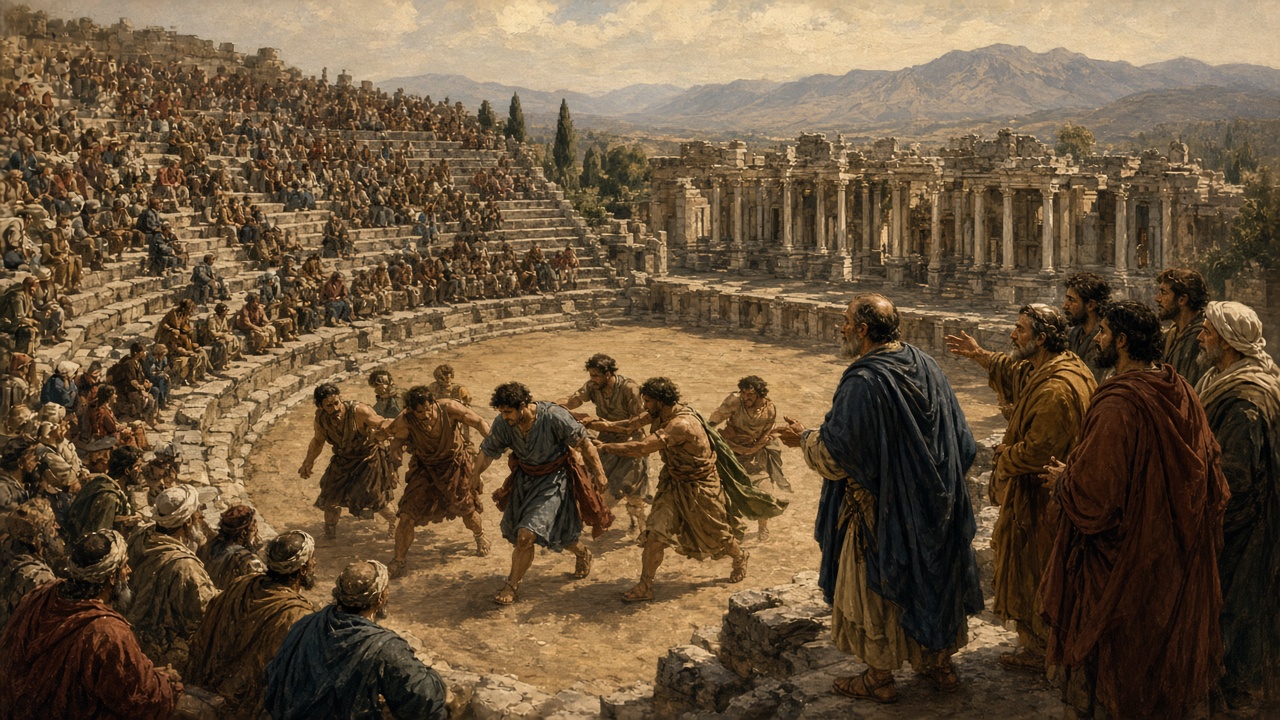
- The crowd rushed into the theatre of Ephesus, which Easton's Bible Dictionary (1897) describes as the largest in the world, open to the sky and able to hold 50,000 spectators. Friends of Paul among the chiefs of Asia, wealthy citizens elected each year to preside over the games and religious festivals of their cities, begged him not to go in. The city clerk then reminded the assembly that Ephesus was guardian of the temple of the great Artemis and of her image, said to have fallen from heaven.Sources: Ephesus · Asia · the Bible text itself
Notes written with AI assistance from open sources (Theographic Bible Metadata, CC BY-SA 4.0; Easton’s Bible Dictionary, public domain) and reviewed before publishing.
Places in this chapter
- Corinth · 37.906, 22.879 · verse 1
- Ephesus · 37.939, 27.341 · verses 1, 17, 23, 26, 35
- Asia · 38.400, 28.300 · verses 10, 22, 26, 27, 31
- Achaia · 38.720, 22.540 · verse 21
- Jerusalem · 31.777, 35.234 · verse 21
- Macedonia · 41.600, 22.540 · verses 21, 22, 29
- Rome · 41.892, 12.485 · verses 21, 40
Only places identified with high confidence are shown (90% or more according to the scholarly sources compiled by OpenBible). Period map: DARE (Digital Atlas of the Roman Empire), CC BY 4.0; modern map: © OpenStreetMap contributors; places: OpenBible.info (CC BY 4.0).
Credits and license for this translation
Dios oca gotirituti
New Testament in Barasana-Eduria (CO:bsn:Barasana-Eduria)
copyright © 2010 Wycliffe Bible Translators, Inc.
Language: Barasana-Eduria
Translation by: Wycliffe Bible Translators, Inc.
Copyright Information
© 2010, Wycliffe Bible Translators, Inc. All rights reserved.
This translation text is made available to you under the
terms of the Creative Commons License: Attribution-Noncommercial-No Derivative Works.
( http://creativecommons.org/licenses/by-nc-nd/3.0/ )
In addition, you have permission to port the text to different file formats, as long as you
do not change any of the text or punctuation of the Bible.
You may share, copy, distribute, transmit, and extract portions
or quotations from this work, provided that you include the above copyright
information:
You must give Attribution to the work.
You do not sell this work for a profit.
You do not make any derivative works that change any of the actual words or punctuation of the Scriptures.
Permissions beyond the scope of this license may be
available if you contact
us with your request.
The New Testament
in Barasana-Eduria
© 2010, Wycliffe Bible Translators, Inc. All rights reserved.
This translation is made available to you under the terms of the
Creative Commons Attribution-Noncommercial-No Derivatives license 4.0.
You may share and redistribute this Bible translation or extracts from it in any format, provided that:
You include the above copyright and source information.
You do not sell this work for a profit.
You do not change any of the words or punctuation of the Scriptures.
Pictures included with Scriptures and other documents on this site are licensed just for use with those Scriptures and documents.
For other uses, please contact the respective copyright owners.
2014-04-22
Source: http://ebible.org/bsnNT/ · eBible.org