2 Corinthians 9
Dios oca gotirituti · Tap a verse to see its cross-references.
Cristore ajitirʉ̃nʉrãre maioro bajirãre ejarẽmore queti
1“Cristore ajitirʉ̃nʉrãre maioro bajirãre ejarẽmorã, gãjoa juarẽocõari mani cõajama, quẽnarʉaroja”, yitʉoĩarã ñaja mʉa. To bajiri, mʉa cõarʉa tʉoĩase quetire masigʉ̃ ñari, “To bajiro mʉa yijama, quẽnarʉaroja”, mʉare yiucabetiroti ñaboaja. Adoana, Macedonia sitanare, ado bajiro ĩnare goticajʉ yʉ: “Acaya sitana, Corinto macana, mani mairã, jẽre i cʉ̃ma ‘To bajiro yiroti ñaja’ yisʉoyujarã”, ĩnare yicajʉ yʉ, mʉare. Tire ajicõari, “Mani quẽne to bajirone yiroti ñaja” yitʉoĩacõari, jãjarã gãjoa ĩsicama. 3To bajiro yisʉoriarã mʉa ñaboajaquẽne, yʉ varoto rĩjoro Tito mesare cõaja yʉ. “Gãjoa juarẽocõari, yʉre yuato” yigʉ, ĩnare cõaja yʉ. Adoanare gotirã, “Yʉ ejaroto rĩjoro gãjoa juarẽocõari, yurʉarãma”, yaja yʉa, mʉare. To bajiri mʉa tʉjʉ yʉ ejaro, “Gãjoa juarẽojeobeaja maji” mʉa yisere ajirʉabeaja yʉ. Adoanare ĩnare yʉ gotirore bajiro mʉa bajirotire bojaja. 4Adoana Macedonia sitana sĩgʉ̃ri yʉre ĩna baba cʉti vajama, gãjoa manone mʉare ĩna ĩarotire bojabeaja. “Corinto macanare quẽnaro masiaja. Yʉa ejaroto rĩjorojʉne, gãjoa juarẽojeocõarʉarãma ĩna”, yaja yʉa, adoanare gotirã. To bajiri, mʉa cʉo yubetijama, bojonerʉarãja yʉa. Mʉa quẽne, bojonerʉarãja. 5Mani bojonerotire bojabecʉ ñari, yʉ varoto rĩjoro, Tito mesare mʉa tʉjʉ ĩna vasere bojaja. “Ĩsirʉarãja” mʉa yigotiriarore bajirone mʉa ĩsirotire yirã, mʉare ejarẽmorʉarãma ĩna. To bajiri yʉ ejarone, ĩsicõarʉarãja mʉa. To bajiro mʉa yijama, “Pablo, ejacõari, ĩnare ĩ ĩsirotijare, ĩsiterã ñaboarine, ĩsiñujarã”, yire manirʉaroja. “Pablo ĩ ĩsirotibetiboajaquẽne, ĩna masune maioro bajirãre tʉoĩamaicõari, ĩsivariquẽnañujarã”, yirejʉa ñarʉaroja.
6Gãjoa ĩsiroana, gotimasiore quetire masiritibeja: “Oterimasʉ, mojoroaca ĩ otejama, mojoroaca ti ricare bʉjarʉcʉmi. Jairo otegʉma, jairo bʉjarʉcʉmi”. 7To bajiri tocãrãcʉ, “Ado cõro ĩsirʉcʉja yʉ” mʉa yitʉoĩaro cõro mʉa ĩsijama, quẽnarʉaroja. Gãjoa maiboarine, mʉa ĩsijama, quẽnabetoja. Mʉa ĩsiteboajaquẽne, gãji ĩ ĩsirotijare, mʉa ĩsijama, quẽnabetoja. Mʉa masune ĩsirʉarã, mʉa ĩsijama, quẽnarʉaroja. Ĩsivariquẽnarãre ĩamaiami Dios. 8To bajiro mʉa yisere ĩacõari, quẽnaro mʉare yirʉcʉmi Dios. Mʉa bojaro rẽtobʉsaro cõarẽmorʉcʉmi. To bajiro manire yami, “Gãjerãre ejarẽmorã, ñajediro quẽnaro ĩna yiro bero, ñiejʉa rʉyabeticõato” yigʉ. 9“To bajiro quẽnaro mani yisere bojaami Dios”, yimasiaja mani, Dios ocare masa ĩna ucamasire quẽnaro yigʉre ado bajiro ti gotijare:
“Maioro bajirãre jairo ĩsirũgũami. To bajiro quẽnaro ĩ yirũgũsere masiritibeticõari, quẽnaro ĩre yirʉcʉmi Dios”, yigotiaja Dios ocare masa ĩna ucamasire.
10Dios ñaami “Ote aje cʉoato” yigʉ, manire cõagʉ̃. Ti ote aje sʉorine bare rĩ mere bʉjaja mani. Quẽna gajeye ote aje mani oterotire quẽne bʉjaja mani. Tire bajiro bajiaja Dios quẽnaro manire ĩ yise. “Ado bajiro bajiato” yigʉ, quẽnaro manire yami: Quẽnaro manire ĩ yise sʉorine, cojoji me quẽnaro yaja mani. Quẽna gajerʉ̃mʉrema gãjerãre quẽnaro yimasiaja mani. Gãjerã quẽne, quẽnaro mani yirã, gãjerãre quẽnaro yimasiama ĩna quẽne. “To bajiro bajiato” yigʉ, quẽnaro manire yami Dios. 11Jairo mʉare ĩsirũgũrʉcʉmi Dios, “Maioro bajirãre ejarẽmoato” yigʉ. To bajiro mʉa yijama, “Quẽnaro yaja mʉ”, Diore ĩre yirʉarãma jãjarã masa. To bajirone yirʉarãma Jerusalén macana Cristore ajitirʉ̃nʉrã quẽne. Gãjoa mʉa juarẽorere yʉ juaejasere ĩacõari, “Quẽnaro yaja mʉ”, Diore ĩre yirʉarãma ĩna. 12To bajiri, gãjerã Cristore ajitirʉ̃nʉrã, maioro bajirãre gãjoa mʉa cõaroti, ĩna rĩ mere quẽnarʉaroja. Tire ĩacõari, “Quẽnaro yaja mʉ” ĩre ĩna yiroti ti ñajare, Diore quẽne quẽnarʉaroja. 13Gãjoa ĩnare mʉa cõasere ĩacõari, “Cristore ajitirʉ̃nʉrã masu ñarãma Corinto macana. Manire ejarẽmocõari, gãjerãre quẽne ejarẽmoama” mʉare yitʉoĩacõari, variquẽnase rãca Diore rʉ̃cʉbʉorʉarãma ĩna. 14“Manire ĩna ejarẽmose Dios sʉorine bajiaja” mʉare yitʉoĩamaicõari, Diore bʉto mʉare sẽnibosarʉarãma ĩna. 15“Quẽnaro yaja mʉ”, Diore ĩre yiroti ñaja manire. Quẽnamasusere manire yibosayumi Dios. Rojose mani yise vajare “Yirẽtobosato” yigʉ, ĩ macʉre cõañumi.
Did you know?
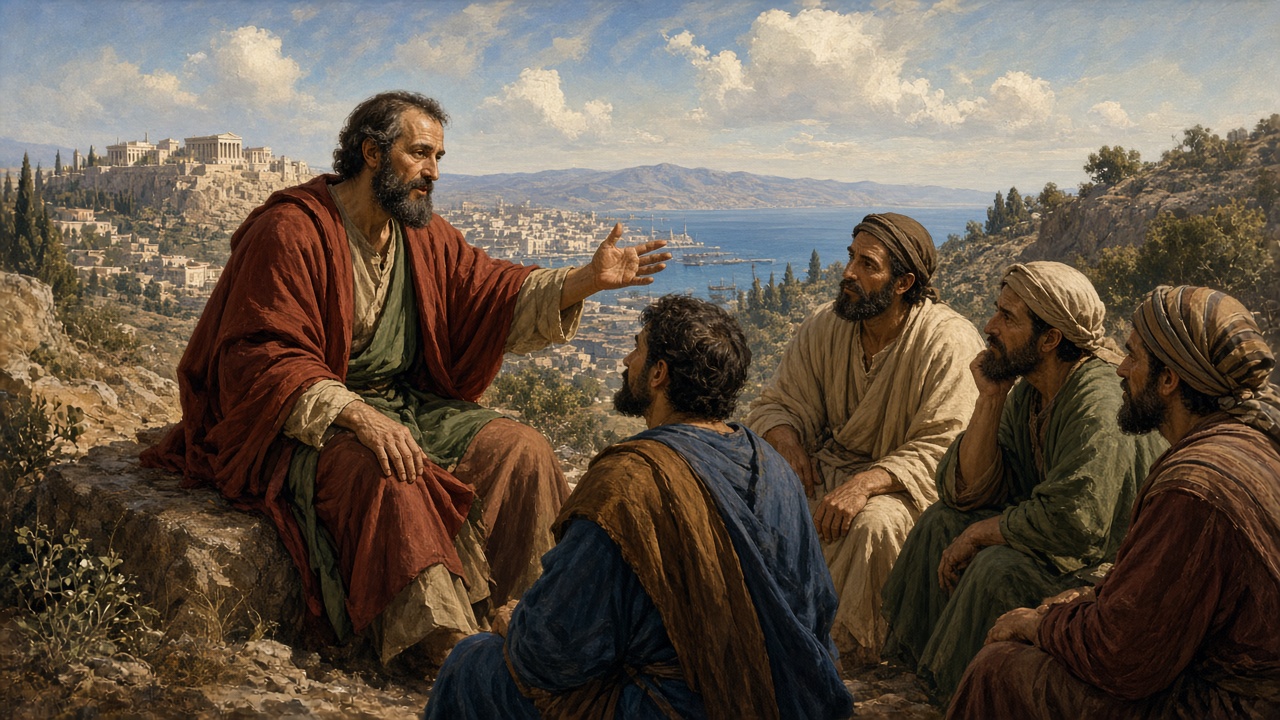
Generosity between Achaia and Macedonia
- Macedonia was a Roman province lying north of Greece, and Achaia was the other of the two provinces into which the Romans divided Greece, applying that name to the whole Peloponnesus and the south. Writing to believers in Achaia, Paul says he has been boasting to the Macedonians that they were ready to give.Sources: Macedonia · Achaia · the Bible text itself
- Paul says that since the previous year the people of Achaia had been ready to give, and that their zeal had stirred most of the Macedonians to do the same. He is sending the brothers ahead so that his boast about them will not prove empty if any Macedonians come with him and find them unprepared.Sources: the Bible text itself
- The name Achaia originally referred to a narrow strip of territory in Greece, northwest of the Peloponnesus. In the New Testament the name is always used in the later, wider sense that the Romans gave it, for the southern province as a whole.Sources: Achaia
Notes written with AI assistance from open sources (Theographic Bible Metadata, CC BY-SA 4.0; Easton’s Bible Dictionary, public domain) and reviewed before publishing.
Places in this chapter
- Jerusalem · 31.777, 35.234 · verses 1, 12
- Achaia · 38.720, 22.540 · verse 2
- Macedonia · 41.600, 22.540 · verses 2, 4
Only places identified with high confidence are shown (90% or more according to the scholarly sources compiled by OpenBible). Period map: DARE (Digital Atlas of the Roman Empire), CC BY 4.0; modern map: © OpenStreetMap contributors; places: OpenBible.info (CC BY 4.0).
Credits and license for this translation
Dios oca gotirituti
New Testament in Barasana-Eduria (CO:bsn:Barasana-Eduria)
copyright © 2010 Wycliffe Bible Translators, Inc.
Language: Barasana-Eduria
Translation by: Wycliffe Bible Translators, Inc.
Copyright Information
© 2010, Wycliffe Bible Translators, Inc. All rights reserved.
This translation text is made available to you under the
terms of the Creative Commons License: Attribution-Noncommercial-No Derivative Works.
( http://creativecommons.org/licenses/by-nc-nd/3.0/ )
In addition, you have permission to port the text to different file formats, as long as you
do not change any of the text or punctuation of the Bible.
You may share, copy, distribute, transmit, and extract portions
or quotations from this work, provided that you include the above copyright
information:
You must give Attribution to the work.
You do not sell this work for a profit.
You do not make any derivative works that change any of the actual words or punctuation of the Scriptures.
Permissions beyond the scope of this license may be
available if you contact
us with your request.
The New Testament
in Barasana-Eduria
© 2010, Wycliffe Bible Translators, Inc. All rights reserved.
This translation is made available to you under the terms of the
Creative Commons Attribution-Noncommercial-No Derivatives license 4.0.
You may share and redistribute this Bible translation or extracts from it in any format, provided that:
You include the above copyright and source information.
You do not sell this work for a profit.
You do not change any of the words or punctuation of the Scriptures.
Pictures included with Scriptures and other documents on this site are licensed just for use with those Scriptures and documents.
For other uses, please contact the respective copyright owners.
2014-04-22
Source: http://ebible.org/bsnNT/ · eBible.org