2 Corinthians 8
Dios oca gotirituti · Tap a verse to see its cross-references.
“Maioro bajirãre variquẽnase rãca ejarẽmojama, quẽnaja”, yire
1Yʉa mairã, gajeyere mʉare gotigʉ yaja: Adoana, Macedonia sitanare, Cristore ajitirʉ̃nʉrãre, Dios, ĩnare ĩamaicõari, quẽnaro ĩ yise sʉorine quẽnaro ĩna yicati queti mʉare gotigʉ yaja. 2Bʉto rojose tãmʉoboarine, variquẽnase rãca Diore ajitirʉ̃nʉcõa ñaama. To bajicõari, jairo gãjoa cʉomena ñaboarine, gãjerãre ejarẽmorʉarã, ĩna cʉose cõro juarẽoñuma. 3Ĩna cʉoro cõro ĩsicama. Bajibeaja. “Ĩsiecorʉarãma ĩna” yiboariaro rẽtobʉsaro ĩsiecocama. Ĩacajʉ yʉ, to bajiro ĩna yiro. 4Ĩnare yʉ sẽnibetiboajaquẽne, ado bajiro yʉre yicama: “Jerusalén macana Cristore ajitirʉ̃nʉrã maioro bajirãre bʉto ejarẽmorʉaja yʉa. To bajiri adi gãjoa yʉare juabosa vacõari, mʉa ĩsijama, bʉto quẽnarʉaroja”, yʉare yicama. 5Yʉa tʉoĩaboacato rẽtoro quẽnaro, ado bajiro yicama: “Mʉ bojarore bajiro yirʉaja yʉa”, Diore ĩre yisẽni gajanocõari, “Ĩ bojarore bajiro mʉare cʉdirʉarãja”, yʉare yicama. 6To bajiri, “Adoana Macedonia sitana ĩna juarẽoriarore bajiro, mʉa, Corinto macana quẽne mʉa yijama, quẽnarʉaroja” yitʉoĩacõari, mʉare gãjoa juarẽorotisʉor'ire Titore tudivarotiaja yʉa. “Tojʉ vacõari, gãjoa ĩna juarẽorere juarẽojeoba mʉ”, ĩre yaja yʉa. 7Gãjerã Cristore ajitirʉ̃nʉrã rẽtobʉsaro ĩre ajitirʉ̃nʉrã ñaja mʉa. To bajiri ĩ ocare quẽnarobʉsa gotimasiaja. To bajicõari, ĩna rẽtobʉsaro yʉare mairã ñari, ĩna rẽtobʉsaro Dios ĩ bojarore bajiro yʉare ejarẽmo variquẽnarã ñaja. To bajiri, maioro bajirãre quẽne tʉoĩamaicõari, gãjerã ĩna cõase rẽtoro gãjoa mʉa cõajama, quẽnarʉaroja.
8To bajiro mʉare yʉ yijama, rotigʉ me yaja yʉ. “Tire ajicõari, maioro bajirãre gãjerã ĩna ejarẽmo variquẽnase rẽtoro ĩnare ejarẽmo variquẽnato mani” mʉa yirotire bojagʉ, adi sitana quẽnaro ĩna yicatire mʉare gotibʉ yʉ. To bajiro mʉa yijama, “Socarã mene maioro bajirãre mairã ñaja yʉa” yirã, yirãja mʉa. 9Mani ʉjʉ, Jesucristo, ado bajiro quẽnaro manire ĩ yire ñajare, “Quẽnaro ĩnare ejarẽmoto mani”, yitʉoĩaroti ñaja mʉare: Manire ĩamaicõari, ĩ rijabosarere masiaja mʉa. Diorãca jediro cʉogʉ ñaboarine, manire ĩamaigʉ̃ ñari, adigodojʉre vadicõari, maioro bajigʉ ñacoasuju ĩ. To bajiro bajiyuju, Diorãca quẽnaro ñacõari, ñiejʉa manire rʉyabetirotire yigʉ.
10Mʉare rotibetiboarine, quẽnaro mʉa ñarotire bojagʉ ñari, yʉ tʉoĩasere ado bajiro mʉare gotigʉ yaja yʉ: Rĩjoroaga cʉ̃mare quẽne, variquẽnase rãca ĩnare ejarẽmorʉa tʉoĩasʉoyuja mʉa. To yicõari, gãjoa juarẽosʉoyuja mʉa. 11To bajiri, “Maioro bajirãre mani ejarẽmorʉa tʉoĩavariquẽnasʉocatore bajirone juarẽojeocõato mani”, yivariquẽnaña. Ĩna ĩsiro cõrone juarẽocõari, cõaña. 12“Jairo mani ĩsibetijama, ĩavariquẽnabecʉmi Dios”, yitʉoĩabesa. Jairo cʉorã, mojoroaca cʉorã quẽne, mani ĩsimasiro cõro mani ĩsivariquẽnajama, manire ĩavariquẽnagʉ̃mi Dios.
13“Maioro bajirãre ejarẽmoña” yʉ yijama, “Cõajeocõaña” yigʉ me yaja yʉ. “Maioro bajirãre gãjoa cõajeocõari, maioro bajiya mʉa” yigʉ me yaja. 14“Cristore ajitirʉ̃nʉrã, nijʉane maioro bajirã manicõato” yigʉ yaja. Adirʉ̃mʉrirema mʉa ñaja jairo cʉorã. To bajiri, “Maioro bajirã ñaama ĩna” yire quetire ajicõari, gãjoa ĩnare mʉa cõajama, quẽnarʉaroja. To bajiri, ĩna quẽne, maioro mʉa bajise quetire ajicõari, mʉare ejarẽmorʉarãma. To bajiri ñiejʉa rʉyabetoja ĩnare, mʉare quẽne. To bajiro mani yijama, cojoro cõro cʉorã ñarʉarãja mani jediro. 15To bajiro mani yijama, Dios ocare masa ĩna ucamasire ti gotirore bajiro cʉdirã yirʉarãja mani. “To bajirone bajirʉaroja”, yiucamasiñumi Moisés, israelita masa ĩna juarẽoro bero, cojoro cõro cõĩacõari, ĩna ĩsibatomasire ñajare. Ado bajiro gotiaja: “Jairo juarẽoriarã ñaboarine, ĩna bojaro rẽtoro bʉjabeticama ĩna. Gãjerãma, mojoroaca juarẽoriarã ñaboarine, ĩna bojaro cõro bʉjacama”, yigotiaja Dios ocare Moisés ĩ ucamasire.
“Mʉa tʉjʉ Tito mesare cõagʉ̃ yaja”, Pablo ĩ yire queti
16Mʉare tʉoĩamaicõari, bʉto yʉ ejarẽmorʉaro cõro mʉare ejarẽmorʉami Tito quẽne. “To bajiro tʉoĩato ĩ” yigʉ, yiyumi Dios. To bajiro ĩ yijare, “Quẽnaro yaja mʉ”, Diore ĩre yaja yʉ. 17“Corinto macanare quẽna mʉ ejarẽmogʉ̃ vajama, quẽnarʉaroja” yʉa yisẽniĩasere ajicõari, bʉto variquẽnami Tito. Mʉare bʉto ejarẽmorʉagʉ ñari, “Yʉre mʉa sẽniĩaroto rĩjorojʉne, yʉ masu yʉ tʉoĩase rãca, ‘Yucʉne varʉcʉja’ yitʉoĩamʉ yʉ”, yʉare yimi.
18Tito rãca varocʉre, yʉa maigʉ̃re cõaja yʉa. Ĩ ñaami, manire bajirone Cristore ajitirʉ̃nʉgʉ̃. Ĩre ajitirʉ̃nʉrã jediro, “Cristo oca quẽnasere quẽnaro gotirẽtobumasigʉ̃”, ĩna yirʉ̃cʉbʉogʉ ñaami. 19Cristo ocare quẽnaro gotirẽtobugʉ rĩ me ñaami. Adoana, Macedonia sitana, Cristore ajitirʉ̃nʉcõari rẽjarũgũrã, “Gãjoa manire juabosarãre ejarẽmorʉcʉmi” yirã, ĩna besecacʉ quẽne ñaami. Ti gãjoa, maioro bajirãre yʉa ĩsiroti sʉorine, “Maioro bajirãre quẽnaro ejarẽmo variquẽnarã ñaama, Cristore ajitirʉ̃nʉrã”, yitʉoĩarʉarãma masa. To yicõari, mani ʉjʉ Jesucristore rʉ̃cʉbʉorʉarãma. 20“Pablo mesa ĩna masune ĩna yireajare, gãjoa ejabetoja” ĩna yigõjarotire bojamena ñari, yʉare baba cʉtirocʉre ĩre bojacajʉ yʉa quẽne. 21“Quẽnaro yama” Dios ĩ yiĩavariquẽnase rĩ mere bojaja yʉa. Masa quẽne, to bajise ĩna yiĩavariquẽnasere bojaja.
22To bajiri, gãjire cõaja yʉa, Tito mesa rãca. Cristore ajitirʉ̃nʉgʉ̃ ñari, mani yʉ ñaami ĩ quẽne. Ĩre ĩamasirã ñari, “Quẽnaro yigʉ ñaami”, ĩre yimasiaja yʉa. Cojoji rʉyabeto quẽnaro ejarẽmo variquẽnarũgũami. To bajicõari, “Corinto macana quẽnaro cʉdiama ĩna” Tito ĩ yisere ajicõari, bʉtobʉsa mʉare ejarẽmorʉami. 23To bajiri Tito, to yicõari, ĩ babarã jʉarã ñaama, mʉa tʉjʉ yʉa cõarã. Jẽre Titore ĩre masirãja mʉa. Ĩ ñaami yʉ baba, “Cristore quẽnaro ajitirʉ̃nʉato” mʉare yigʉ, yʉ rãca moarũgũgʉ̃. Gãjerã jʉarã, Titore baba cʉti vana, Jesucristore ajitirʉ̃nʉrã ñari, mani yarã ñaama ĩna quẽne. “Quẽnaro yirã ñaama” adi macariana ĩna yiĩarã, mʉa tʉjʉ ĩna cõarã ñaama. Quẽnaro ĩna yise sʉorine Cristore quẽnabʉsaro rʉ̃cʉbʉoama masa, adi macariana. 24Mʉa tʉjʉ ĩna ejaro, quẽnaro ĩnare yiba. “Cristore ajitirʉ̃nʉrãre ĩamairã ñaama Corinto macana” yaja yʉa, adi macarianare Tito mesare cõarãre. To bajiri ĩnare quẽnaro mʉa yijama, “Riojo yama Pablo mesa”, yirʉarãma ĩna.
Did you know?
Generosity and the Jerusalem Collection
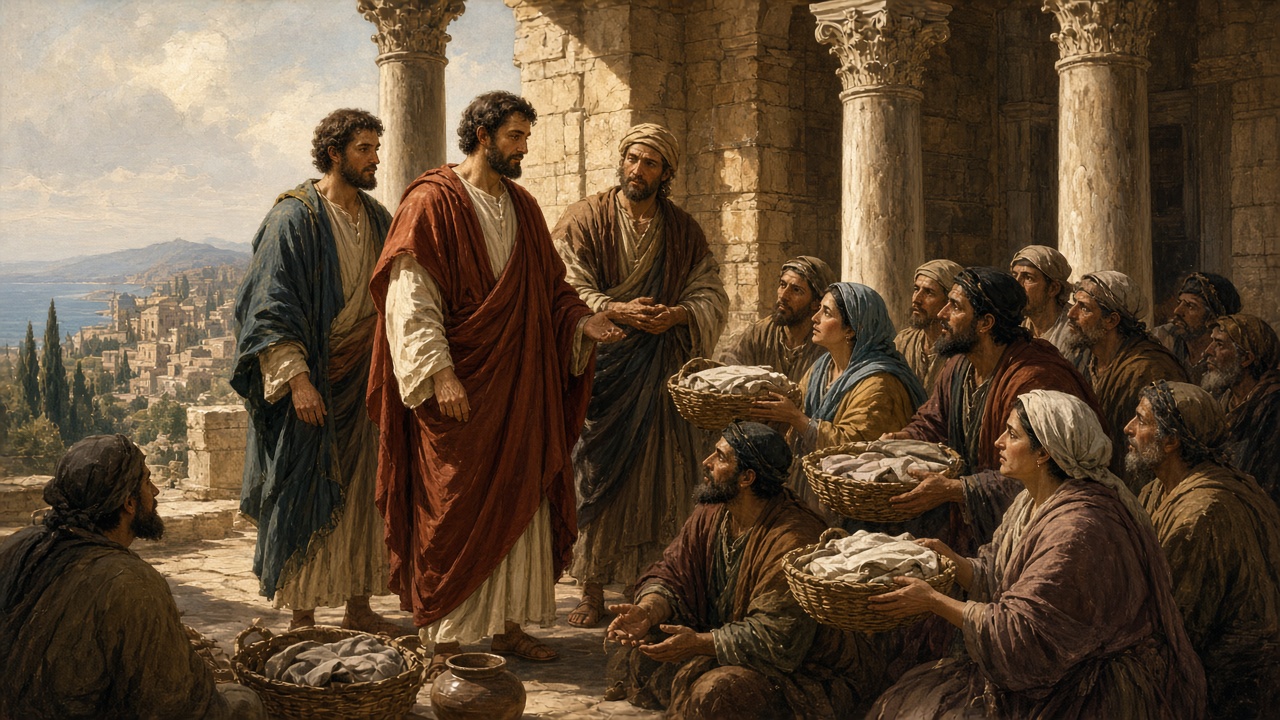
- In New Testament times Macedonia was a Roman province north of Greece. Paul was summoned by the vision of a man of Macedonia to preach the gospel there, and this chapter tells the Corinthians how those churches, in a terrible ordeal and deep poverty, gave joyfully and even beyond their ability.Sources: Macedonia · the Bible text itself
- Titus, whose name nowhere occurs in Acts, appears to have been a Gentile chiefly engaged in ministering to Gentiles. From Ephesus, Paul sent him to Corinth to forward the church's contributions for the poor saints at Jerusalem; in this chapter Paul urges him to complete that work, and Titus is coming eagerly of his own accord.Sources: Titus · the Bible text itself
- Along with Titus, Paul is sending a brother praised by all the churches for his work in the gospel and chosen by them to accompany the offering, and another brother whose earnestness has been proven many times and in many ways. He explains that this care is meant to avoid criticism of how the generous gift is administered, so that they do what is right not only in the eyes of the Lord but also in the eyes of other people.Sources: the Bible text itself
Notes written with AI assistance from open sources (Theographic Bible Metadata, CC BY-SA 4.0; Easton’s Bible Dictionary, public domain) and reviewed before publishing.
Places in this chapter
Only places identified with high confidence are shown (90% or more according to the scholarly sources compiled by OpenBible). Period map: DARE (Digital Atlas of the Roman Empire), CC BY 4.0; modern map: © OpenStreetMap contributors; places: OpenBible.info (CC BY 4.0).
Credits and license for this translation
Dios oca gotirituti
New Testament in Barasana-Eduria (CO:bsn:Barasana-Eduria)
copyright © 2010 Wycliffe Bible Translators, Inc.
Language: Barasana-Eduria
Translation by: Wycliffe Bible Translators, Inc.
Copyright Information
© 2010, Wycliffe Bible Translators, Inc. All rights reserved.
This translation text is made available to you under the
terms of the Creative Commons License: Attribution-Noncommercial-No Derivative Works.
( http://creativecommons.org/licenses/by-nc-nd/3.0/ )
In addition, you have permission to port the text to different file formats, as long as you
do not change any of the text or punctuation of the Bible.
You may share, copy, distribute, transmit, and extract portions
or quotations from this work, provided that you include the above copyright
information:
You must give Attribution to the work.
You do not sell this work for a profit.
You do not make any derivative works that change any of the actual words or punctuation of the Scriptures.
Permissions beyond the scope of this license may be
available if you contact
us with your request.
The New Testament
in Barasana-Eduria
© 2010, Wycliffe Bible Translators, Inc. All rights reserved.
This translation is made available to you under the terms of the
Creative Commons Attribution-Noncommercial-No Derivatives license 4.0.
You may share and redistribute this Bible translation or extracts from it in any format, provided that:
You include the above copyright and source information.
You do not sell this work for a profit.
You do not change any of the words or punctuation of the Scriptures.
Pictures included with Scriptures and other documents on this site are licensed just for use with those Scriptures and documents.
For other uses, please contact the respective copyright owners.
2014-04-22
Source: http://ebible.org/bsnNT/ · eBible.org