2 Chronicles 9
Luda yã takada kũ Bisã yão · Tap a verse to see its cross-references.
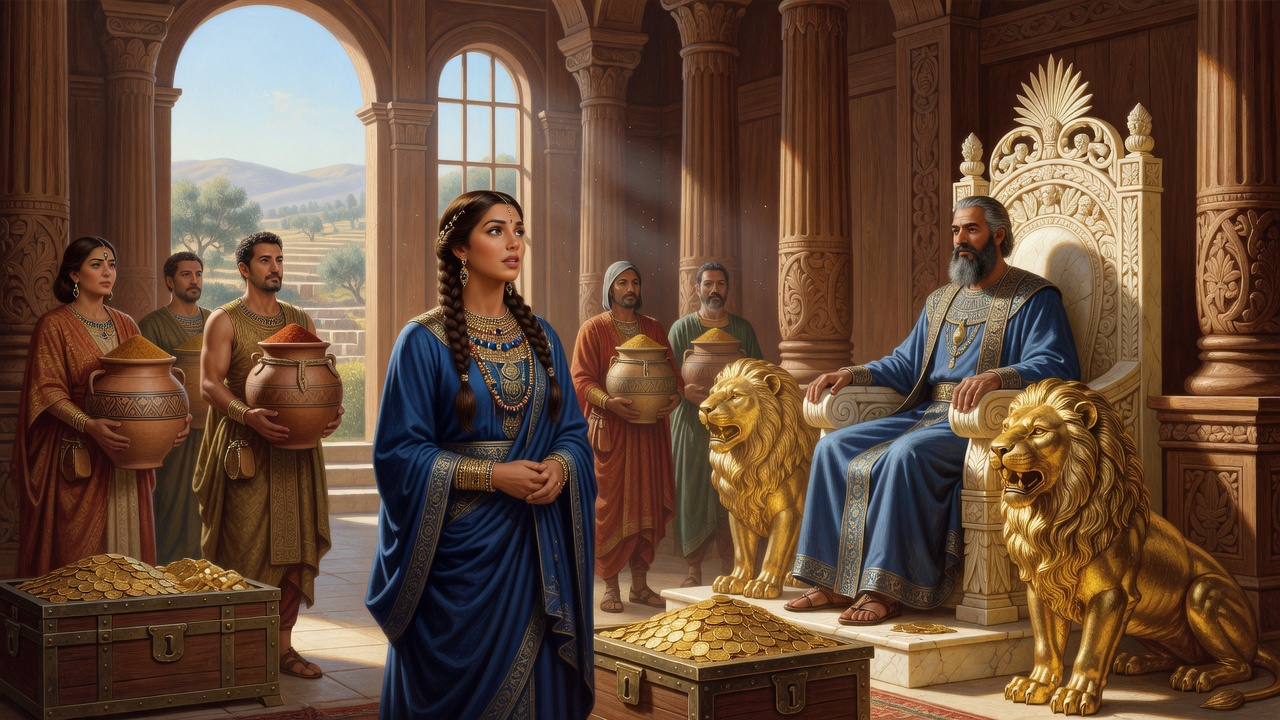
1Sɑɑ yè sɔɔ Sebɑn sunɔ tɔn kurɔ u nuɑ mɑ Yinni Gusunɔ u derɑ Sɑlomɔɔ u yĩsiru yɑrɑ, yerɑ u dɑ u kɑ Sɑlomɔɔn bwisi yin sɑkɑ mɛɛri kpɑ u nùn gɑ̃ɑ dɑbinu bikiɑ. U turɑ Yerusɑlɛmuɔ, kɑ win sinɑ bwɑ̃ɑ dɑbinu be bɑ nùn swĩi, kɑ yooyoo si su turɑre kɑ wurɑ dɑbinu sɔɔwɑ, kɑ kpee gobiginu. Ye u turɑ Sɑlomɔɔn mi, mɑ u geruɑ kpuro ye yɑ wɑ̃ɑ win gɔ̃ruɔ. 2Mɑ Sɑlomɔɔ u nùn wisɑ kpuro ye u bikiɑ. Yen gɑɑ kun nùn wisibu sɛ̃sie. 3Ye kurɔ wi, u Sɑlomɔɔn bwisi yi kpuro wɑ, kɑ dii te u bɑnɑ 4kɑ dĩɑ ni u rɑ di, kɑ win bwɑ̃ɑbun wɑ̃ɑ yeru, kɑ win sɔm kowobun yɑ̃ɑ ni bɑ rɑ doke bu kɑ nùn nɔɔri, kɑ sere be bɑ rɑ nùn tɑm dokeye nɔrɑɔginu, kɑ yɑ̃ku ni u rɑ ko diru mi u rɑ Yinni Gusunɔ sɑ̃, 5ye kpuro yɑ nùn biti mwɑ sere u wom mwɛ. Mɑ u sinɑ boko Sɑlomɔɔ sɔ̃ɔwɑ u nɛɛ, wunɛn dɑm kɑ wunɛn bwisin bɑɑru ye nɑ nuɑ sɑɑ nɛn tem di, ye kpuro geemɑ. 6Adɑmɑ nɑ ǹ dɑɑ gɑri yi nɑɑnɛ kue sere nɑ kɑ tunumɑ mini. Wee nɛn nɔni yi ye kpuro wɑ. Kɑ gem, ye nɑ wɑ mini, bɑ ǹ dɑɑ mɑn yen bɔnu sɔ̃ɔwɑ. Wunɛn bwisi kɑ wunɛn dukiɑ yɑ kpɑ̃ n kere nge mɛ wunɛn yĩsirɑ yɑrɑ. 7Doo nɔɔrugibɑ wunɛn tɔmbu kɑ wunɛn sɔm kowo be bɑ nun nɔɔrimɔ sɑɑ bɑɑyere. Mɑ bɑ wunɛn bwisi yin gɑri swɑɑ dɑki. 8Nɑ Gusunɔ wunɛn Yinni siɑrɑ wi u nun durom kuɑ u nun swĩi Isirelibɑn sinɑ gɔnɑ wɔllɔ. U bu kĩwɑ sere kɑ bɑɑdommɑɔ. Yen sɔ̃nɑ u nun kuɑ ben sunɔ ɑ n dɑ kɑ bu sirie dee dee.
9Mɑ u sinɑ boko wurɑ kɑ̃ tɔnnu itɑ kɑ bɔnu, kɑ mɑɑ turɑre kɑ kpee gobiginu. Sɑlomɔɔ kun mɑɑ turɑre wɑɑre gɑm gum di yɑ n kpɑ̃ɑru nɛ mɛ.
10Hurɑmun sɔm kowobu kɑ Sɑlomɔɔgii be bɑ kɑ wurɑ nɑɑmɔ Ofirin di, beyɑ bɑ mɑɑ kɑ dɑ̃ɑ geɑ ye bɑ mɔ̀ sɑntɑli kɑ kpee gobiginu nɑɑmɔ. 11Mɑ sinɑ boko u kɑ dɑ̃ɑ ye yɔɔtii kuɑ sɑ̃ɑ yerɔ kɑ sere mɑɑ win tiin dirɔ. Dɑ̃ɑ yerɑ u mɑɑ kɑ wom kowobun mɔrɔkunu kɑ ben guunu kuɑ. Dɑ̃ɑ yen bweserɑ kun sɑɑrɑ mɔ. Mɛyɑ bɑ ǹ mɑɑ yen bweseru wɑɑre Yudɑn temɔ.
12Sɑlomɔɔ u sunɔ tɔn kurɔ wi wɛ̃ kpuro ye u bikiɑ. U nùn kɛ̃ru kɑ̃wɑ n kere ye u kɑ nɑ. Yen biru, mɑ kurɔ wi, u gɔsirɑ u wurɑ win temɔ kɑ win bwɑ̃ɑbu.
Sɑlomɔɔn dukiɑ
13Wurɑ ye Sɑlomɔɔ u rɑ wɑ wɔ̃ɔ kɑ wɔ̃ɔ yɑ sɑ̃ɑwɑ tɔnnu yɛndu. 14Ye bɑɑsi, u rɑ mɑɑ wurɑ kɑ sii geesu mwɛ tenkubɑn mi kɑ mɑɑ sinɑm be u kɑ ɑrukɑwɑni bɔkuɑn mi, kɑ sere mɑɑ win tem beri berikɑn wirugibun mi.
15U derɑ bɑ tɛrɛ bɑkɑnu goobu (200) kɑ tɛrɛ piiminu goobɑ wunɔbu (300) kuɑ kɑ wurɑ. Tɛrɛ bɑkɑ nin teerun bunum mu sɑ̃ɑwɑ kilo nɔɔbɑ tiɑ. Mɑ piimii nin teerun bunum mu mɑɑ sɑ̃ɑ kilo itɑ. Mɑ u tɛrɛ ni doke diru gɑru sɔɔ te bɑ sokumɔ Libɑnin dɑ̃ɑ sɔ̃ɔ, win sinɑ kpɑɑrɔ.
17Yerɑ u mɑɑ sinɑ kitɑru kuɑ kɑ suunu donnu, mɑ u tu wurɑ geɑn tii pote. 18Sinɑ kitɑ te, tɑ yɔɔtiɑ mɔwɑ nɑɑ dɑbusɑnu nɔɔbɑ tiɑ. Mɑ bɑ ten nɑɑ sɔnditiɑ kuɑ kɑ wurɑ. Mɑ tɑ nɔm sɔnditiɑ mɔ yɛ̃si yɛ̃sikɑ. Yen bɑɑyeren bɔkuɔrɑ bɑ gbee sunɔn weenɑsiɑ kuɑ yɑ yɔ̃, tiɑ nɔm dwɑrɔ, tiɑ mɑɑ nɔm geuɔ. 19Mɑ bɑ mɑɑ gbee sinɑn sin weenɑsisu kuɑ wɔkurɑ yiru bɑ doke tiɑ tiɑ yɔɔtiɑ yen nɑɑ dɑbusɑru bɑɑteren yɛ̃si yɛ̃sikɑɔ. Nɔɔbɑ tiɑ yɑ wɑ̃ɑ nɔm dwɑrɔ, nɔɔbɑ tiɑ mɑɑ wɑ̃ɑ nɔm geuɔ. Sunɔ goo mɑɑ sɑri wi bɑ mɑɑ kitɑ ten bweseru kuɑre.
20Sɑlomɔɔn nɔri kpuro yi sɑ̃ɑwɑ wurɑ geɑ kɑ sere mɑɑ win gbɛ̃ɑ ye u rɑ kɑ di win sinɑ kpɑɑrɔ te bɑ sokumɔ Libɑnin dɑ̃ɑ sɔ̃ɔ. Gɑ̃ɑnu gɑnu sɑri mi ni bɑ kuɑ kɑ sii geesu, domi win wɑɑti ye sɔɔ, bɑ ǹ sii geesu gɑrisi gɑ̃ɑnu. 21Yèn sɔ̃ Hurɑmun sɔm kowobu bɑ kɑ Sɑlomɔɔn goo nimkusu tenkuru mɔ̀ su rɑ n nɑɑmɔ wɔ̃ɔ itɑ kɑ wɔ̃ɔ itɑ sɑɑ tontonden di, su n wurɑbɑ kɑ sii geesu sɔɔwɑ kɑ suunu donnu, kɑ wɔnnu kɑ gunɔ burɑsu.
22Sɑlomɔɔ u sinɑm be bɑ wɑ̃ɑ duniɑ sɔɔ kpuro bwisi kɑ dukiɑ kere. 23Sinɑmbu kpuro bɑ rɑ n kɑsuwɑ bu win gɑri nɔ win bwisi yi Yinni Gusunɔ u nùn kɑ̃n sɔ̃. 24Wɔ̃ɔ bɑɑgere, ben bɑɑwure u rɑ kɑ nùn kɛ̃ru nɑɑwɛwɑ. Gɑbu sii geesu, gɑbu wurɑ, gɑbu yɑbenu, gɑbu tɑbu yɑ̃nu, gɑbu turɑre, gɑbu mɑɑ dumi kɑ kɛtɛkunu.
25Mɑ Sɑlomɔɔ u tɑbu kɛkɛbɑ kɑsu yi dumi gɑwe kɑ mɑɑsɔbu. U dum gɔ̃nu kuɑ nɔrɔbun subɑ nnɛ (4.000). Mɑɑsɔ be, bɑ mɑɑ sɑ̃ɑ nɔrɔbun subɑ wɔkurɑ yiru (12.000). Mɑ u bu yi yi wuu mɑrosɔ, mi win tɑbu kɛkɛbɑ bɑ wɑ̃ɑ kɑ sere mɑɑ Yerusɑlɛmuɔ mi win tii u wɑ̃ɑ. 26Sinɑm be bɑ wɑ̃ɑ sɑɑ dɑɑ te bɑ mɔ̀ Efɑrɑtin di sere n kɑ girɑri Filisitibɑn temɔ, n kɑ dɑ Egibitin dɑɑrɔ, Sɑlomɔɔwɑ u be kpuro mɔ. 27Mɑ u derɑ sii geesu koorɑ Yerusɑlɛmu mi nge kpenu. Mɛyɑ u mɑɑ derɑ dɑ̃ɑ geɑ ye bɑ mɔ̀ sɛduru yɑ dɑbiɑ nge yɑkɑsun dɑ̃ɑ ye bɑ mɔ̀ sikɑmɔre ye yɑ rɑ n wɑ̃ɑ Sefɑlɑn wɔwɑɔ. 28Sɑlomɔɔ u tenkubɑ mɔ be bɑ rɑ nùn dumi dwem dɑɑwe Egibitiɔ kɑ sere mɑɑ tem bɑɑmɑɔ.
Sɑlomɔɔn gɔɔ
29Sɑlomɔɔn kookoo si u kuɑ, gbiikisu kɑ dɑ̃ɑkisu, si kpuron gɑrin sukum yoruɑ Gusunɔn sɔmɔ Nɑtɑnin tireru sɔɔ, kɑ Gusunɔn sɔmɔ Akiyɑ, Silogiin tireru sɔɔ, kɑ sere mɑɑ Gusunɔn sɔmɔ Yedon kɑ̃sinun tireru sɔɔ. Yedo wiyɑ u Yeroboɑmu, Nɛbɑtin bii, Isirelibɑn sinɑ bokon wɑ̃ɑrun fɑɑgi yoruɑ. 30Sɑlomɔɔ u bɑndu diwɑ wɔ̃ɔ weeru Isirelibɑ kpuron wɔllɔ Yerusɑlɛmuɔ. 31Yen biruwɑ u kpunɑ u gu. Mɑ bɑ nùn sikuɑ win tundo Dɑfidin wuuɔ. Mɑ win bii Roboɑmu u bɑndu kɔsire kuɑ.
YUDAN SINAMBUN GARI
Isirelibɑn bɑndɑ
bɔnu kuɑ yiru
Did you know?
Solomon's Splendor and Royal Visitors
- The Queen of Sheba represented Saba, an ancient kingdom in southern Arabia famous for its lucrative trade in spices and aromatics. Her caravan brought extraordinary quantities of spices, gold, and precious stones to Jerusalem to test Solomon's famed wisdom.Sources: Sheba · the Bible text itself
- Solomon maintained an active commercial alliance with King Hiram of Tyre. Together, their fleets sailed to distant ports such as Ophir, returning with vast quantities of gold, silver, ivory, and exotic algum wood, which was crafted into musical instruments and palace stairways.Sources: Hiram · Ophir · the Bible text itself
- Rather than presenting his account as exhaustive, the Chronicler refers readers to other written sources for Solomon's reign, including the records of Nathan the prophet, the prophecy of Ahijah the Shilonite, and the visions of Iddo the seer.Sources: Nathan · Ahijah · Iddo · the Bible text itself
Notes written with AI assistance from open sources (Theographic Bible Metadata, CC BY-SA 4.0; Easton’s Bible Dictionary, public domain) and reviewed before publishing.
Places in this chapter
- Jerusalem · 31.777, 35.234 · verses 1, 25, 27, 30
- Sheba · 15.348, 44.206 · verses 1, 3, 9, 12
- Arabia · Today: Arabian Peninsula · 23.000, 46.000 · verse 14
- House of the Forest of Lebanon · Today: in Jerusalem · 31.777, 35.234 · verses 16, 20
- Egypt · 30.129, 31.308 · verses 26, 28
- Euphrates · Today: Euphrates River · 31.004, 47.442 · verse 26
- Shephelah · 31.692, 34.875 · verse 27
- Shiloh · Today: Khirbet Seilun · 32.056, 35.290 · verse 29
- City of David · 31.774, 35.236 · verse 31
Only places identified with high confidence are shown (90% or more according to the scholarly sources compiled by OpenBible). Period map: DARE (Digital Atlas of the Roman Empire), CC BY 4.0; modern map: © OpenStreetMap contributors; places: OpenBible.info (CC BY 4.0).
Credits and license for this translation
Luda yã takada kũ Bisã yão
Portions of the Holy Bible in the Busa language of Nigeria
copyright © 2005 SIM International
Language: Bisã (Busa)
Translation by: SIM
This translation text is made available to you under the
terms of the Creative Commons License: Attribution-Noncommercial-No Derivative Works.
( http://creativecommons.org/licenses/by-nc-nd/3.0/ )
In addition, you have permission to port the text to different file formats, as long as you
do not change any of the text or punctuation of the Bible.
You may share, copy, distribute, transmit, and extract portions
or quotations from this work, provided that you include the above copyright
information:
You must give Attribution to the work.
You do not sell this work for a profit.
You do not make any derivative works that change any of the actual words or punctuation of the Scriptures.
Permissions beyond the scope of this license may be
available if you contact
us with your request.
This translation is made available to you under the terms of the
Creative Commons Attribution-Noncommercial-No Derivatives license 4.0.
You may share and redistribute this Bible translation or extracts from it in any format, provided that:
You include the above copyright and source information.
You do not sell this work for a profit.
You do not change any of the words or punctuation of the Scriptures.
Pictures included with Scriptures and other documents on this site are licensed just for use with those Scriptures and documents.
For other uses, please contact the respective copyright owners.
2014-10-10
Source: http://ebible.org/bqp/ · eBible.org