Psalms 145
Bibeli Luayãtaalá · Tap a verse to see its cross-references.
Dii táasilɛa aà maakɛa yã́i
Dii táasi pↄ́ Davidi lɛ.
1Má n táasilɛ ma Lua, ma Kía,
máↄ n tↄbↄ gↄↄpiiɛ.
2Máↄ n sáaukpa lá gu lɛ́ dↄ,
máↄ n táasilɛ láasaiɛ.
3Dii zↄ̃ↄ, à kà wà aà táasilɛ,
aà zↄ̃ↄkɛ lɛ́ vĩo.
4Kpàiↄ n yãkɛaↄ sáaukpa Wueↄnɛ,
aa n yãzↄ̃ↄkɛaↄ galikɛ.
5Aa n maa zↄ̃ↄ gawide yã'o,
má n yãbↄnsaɛkɛaↄ wàaipa.
6Aa n dabudabukɛa gbãa yã'o,
mí n zↄ̃ↄkɛ dau siunɛ́.
7Aa n maakɛa zↄ̃ↄ baokpa,
aai gulakɛ n yã́zɛdekɛaↄ yã́i.
8Dii sùuu vĩ ń sósobio,
aà pↄ lí pa kpaao, a gbɛ̃kɛ vĩ zↄ̃ↄ.
9Dii ì maakɛ gbɛ̃́piiɛ,
ì a pↄkɛaↄ wɛ̃nagwa píi.
10Dii, n pↄkɛaↄ n sáaukpa píi,
n yãmanaↄ n tↄbↄ.
11Aa n kpala gawi faai bo,
aa n iko gbãa yã'o.
12Aa n yãzↄ̃ↄkɛaↄ da gbɛ̃́ↄnɛ
ń n kpala maa gawide yã́o.
13N kpalaá kpala láasaiɛ,
ńyↄ̃ↄ dɛ kía ũ wɛ̃̀ píiɛ.
Dii náai vĩ a yã́pii musu,
a sùuu vĩ ń a pↄkɛaↄ píi.
14Dii ì gbɛ̃́ pↄ́ lɛ́ lɛ́lɛↄ kṹ,
ì gbɛ̃́ pↄ́ taasi tↄ̃̀máↄ fɛlɛ.
15Pↄ́pii wɛ́ dↄnzi,
ni blɛ kpámá a gↄↄwa.
16Ni ↄ poonɛ́, pↄ́ mↄ́má,
ni pↄ́ bɛ̃́ɛ píi pↄeã bↄↄlɛkɛɛ̀.
17Dii kɛkɛáↄ maa píi,
a gbɛ̃kɛ vĩ a yã́pii kɛa guu.
18Dii kãi ń a sìsinaↄ píi,
gbɛ̃́ pↄ́ aaì aà sísi ń sĩanaoↄ.
19Ì a vĩakɛnaↄ pↄeã bↄↄlɛnɛ́,
ì ń wiilɛa ma, i ń suaba.
20Dii ì gbɛ̃́ pↄ́ yeaziↄ dↄ̃́a píi,
ãma a vãikɛnaↄ míↄnzↄ̃ɛ.
21Dii táasilɛa aↄ dↄ ma lɛ́uɛ.
Pↄ́pii aaↄ aà tↄbↄgↄↄ píi, asa a kua adoaɛ.
Did you know?
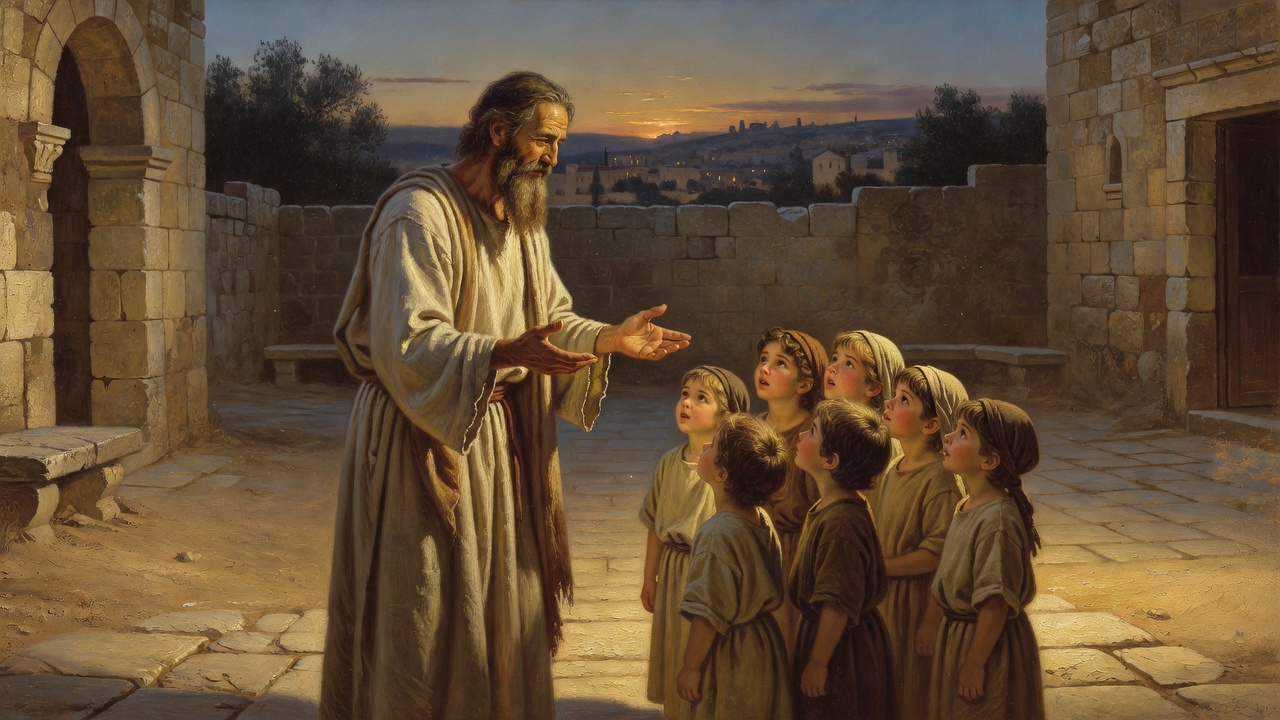
A Song of Praise for an Everlasting Kingdom
- Psalm 145 is titled as a psalm of praise attributed to David, focusing on the duty of each generation to proclaim God's mighty acts and majestic splendor to the next.Sources: the Bible text itself
- The psalm highlights God's universal care for creation, describing how all living creatures look to Him for sustenance while He upholds those who stumble and remains near to everyone who calls on Him in truth.Sources: the Bible text itself
Notes written with AI assistance from open sources (Theographic Bible Metadata, CC BY-SA 4.0; Easton’s Bible Dictionary, public domain) and reviewed before publishing.
Credits and license for this translation
Bibeli Luayãtaalá
The Holy Bible in the Boko language spoken in Benin and Nigeria
copyright © 2010 SIM International
Language: Boko
Translation by: SIM International
Boko Bibeli Luayãtaala
This translation, published by the SIM au Benin, was published in 2010.
If you are interested in obtaining a printed copy, please contact the SIM at ECWA/SIM H.Q., P.M.B. 2009, Jos, Plateau State, NIGERIA.
This translation text is made available to you under the
terms of the Creative Commons License: Attribution-Noncommercial-No Derivative Works.
( http://creativecommons.org/licenses/by-nc-nd/3.0/ )
In addition, you have permission to port the text to different file formats, as long as you
do not change any of the text or punctuation of the Bible.
You may share, copy, distribute, transmit, and extract portions
or quotations from this work, provided that you include the above copyright
information:
You must give Attribution to the work.
You do not sell this work for a profit.
You do not make any derivative works that change any of the actual words or punctuation of the Scriptures.
Permissions beyond the scope of this license may be
available if you contact
us with your request.
This translation is made available to you under the terms of the
Creative Commons Attribution-Noncommercial-No Derivatives license 4.0.
You may share and redistribute this Bible translation or extracts from it in any format, provided that:
You include the above copyright and source information.
You do not sell this work for a profit.
You do not change any of the words or punctuation of the Scriptures.
Pictures included with Scriptures and other documents on this site are licensed just for use with those Scriptures and documents.
For other uses, please contact the respective copyright owners.
2014-09-25
Source: http://ebible.org/bqcsim/ · eBible.org