Ezekiel 18
Bibeli Luayãtaalá · Tap a verse to see its cross-references.
Gbɛ̃́ pↄ́ duunakɛ̀ mɛ́ a ga
1Dii yã'òmɛɛ à mɛ̀: 2Bↄ́yãi á Isailiↄ ì yáasiɛ bee kɛ á bùsu yã́ musui? I mɛ:
Maeↄ vɛ̃ɛbɛ kũ̀ma blè,
ↄ̃ nɛ́ↄ swaa fɛ̃́nkpà.
3Ma Dii Lua ma mɛ̀, ń ma kuao á yáasi bee kɛ á bùsuu lↄo. 4Gwa, gbɛ̃́piiá ma pↄ́ɛ. Maeↄ ń nɛ́ↄ píi, yã́ doũɛ. Gbɛ̃́ pↄ́ duunakɛ̀ mɛ́ a ga. 5Gbɛ̃maa pↄ́ lɛ́ yãmaakɛ a zɛ́wa yã́ gwa.
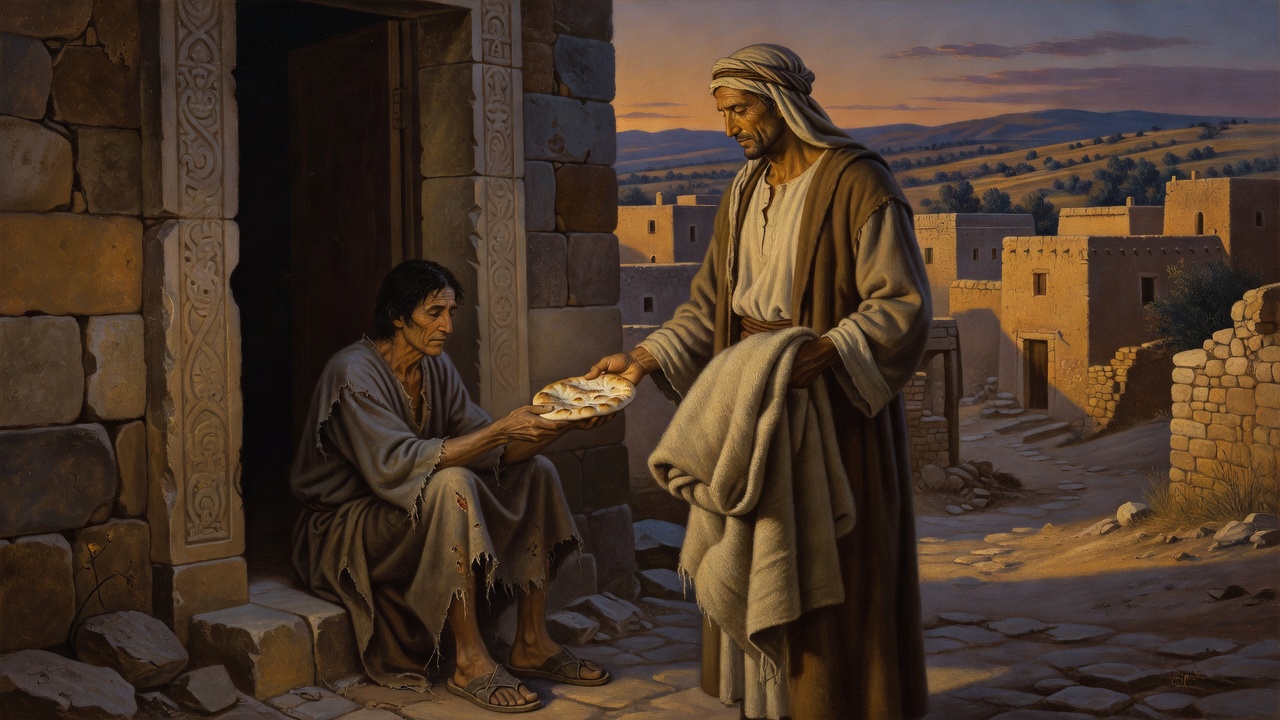
6Ìli gɛ́ pↄblei tã́aↄ kùɛo,
ìli wɛ́malɛ Isailiↄ diipiↄzio.
Ìli a gbɛ̃́dee nↄ wɛɛlɛo,
ìli wúlɛ ń nↄɛo gↄↄ pↄ́ a ↄkũao.
7Ìli gbãamↄ gbɛ̃eɛo,
ì gbɛ̃́ pↄ́ a fĩa sɛa tↄ̀ↄma sↄaaɛ̀ɛ.
Ìli pↄ́ símáo,
ì nↄandɛna gba blɛ,
ì pↄ́ na gbɛ̃́ pↄ́ kú bṹuzi.
8Ìli ↄ̃a sɛ̃anɛ́ à a igbao,
ìli ài zↄ̃ↄ wɛɛlɛo,
ì azĩa bↄ yãvãiuɛ,
ì yã́gↄ̃gↄ̃nɛ́ a zɛ́wa.
9Ìↄ ma ↄtondↄkĩi gwa,
ìↄ ma ikoyãↄ kũa,
ìↄ zĩkɛwà ń náaio.
Ma Dii Lua ma mɛ̀,
gbɛ̃́ bee mɛ́ maa, aↄ kuɛ.
10Tó gbɛ̃maapi nɛ́ vãi ì sↄ̃ bɛ? Ì gbɛ̃dɛ, ge ì yã́piↄ kɛ a gbɛ̃́deeɛ. 11Baa kɛ́ aàpi i a kee kɛo,
nɛ́pi ì pↄble tã́a kùɛ,
ì a gbɛ̃́dee nↄ wɛɛlɛ,
12ì gbãamↄ taasideↄnɛ ń wɛ̃nadeↄ,
ì pↄ́ símá,
ìli tↄ̀ↄma pↄ́ á kũa sↄaanɛ́o,
ì wɛ́malɛ tã́aↄzi, ì yãbɛ̃ɛkɛ,
13ì ↄ̃a sɛ̃anɛ́ à a igba,
ì ài zↄ̃ↄ wɛɛlɛ.
Gbɛ̃́ bee taa aↄ kua? Aawo, aↄ kuo. A ga yãbɛ̃ɛ pↄ́ a kɛ̀ píi yã́iɛ. Aà tàae a wi aàzĩa musuɛ.
14Tó nɛ́ vãipi nɛ'ì, ↄ̃ aà nɛ́ duuna pↄ́ a mae lɛ́ kɛↄ è, mɛ́ i a kee kɛo sↄ̃ bɛ?
15Ìli pↄble tã́a kùɛo,
ìli wɛ́malɛ Isailiↄ diipiↄzio,
ìli a gbɛ̃́dee nↄ wɛɛlɛo,
16ìli gbãamↄ gbɛ̃eɛo,
ìli tↄ̀ↄma gbɛao,
ìli pↄ́ símáo,
ì nↄandɛna gba blɛ,
ì pↄ́ na gbɛ̃́ pↄ́ kú bṹuzi,
17ì azĩa bↄ yãvãiu,
ìli ↄ̃a sɛ̃anɛ́ à a igbao,
ìli ài zↄ̃ↄ wɛɛlɛo,
ìↄ ma ikoyãↄ kũa,
ì ma ↄtondↄkĩi gwa.
A ga a mae duuna yã́io, aↄ kuɛ. 18Aà mae a ga azĩa duuna yã́iɛ, asa à gbɛ̃́ↄ bↄ́ↄ'i mì, à a gbɛ̃do pↄ́ sìwà, à yã́ pↄ́ maao kɛ̀ a gbɛ̃́ↄ guuɛ.
19Ɔ̃ i mɛ: Bↄ́yãi maepi tàae lí wí a nɛ́ musuo ni? Lá nɛ́pi yãmaakɛ̀ a zɛ́wa, à ma ↄtondↄkĩi gwà ń laaio, aↄ kuɛ. 20Gbɛ̃́ pↄ́ duunakɛ̀ mɛ́ a ga. Mae tàae a wi a nɛ́ musuo, nɛ́ tàae a wi a mae musuo. Gbɛ̃maa maakɛaá aàzĩa yã́ɛ, mɛ́ gbɛ̃vãi vãikɛaá aàzĩa yã́ɛ.
21Tó gbɛ̃vãi mikɛ̃̀ a duunaↄwa sↄ̃, mɛ́ à ma ↄtondↄkĩi gwà, àlɛ yãmaakɛ a zɛ́wa, a gao, aↄ kuɛ. 22Wa aà tàae pↄ́ a kɛ̀piↄ kee dao, aↄ ku yãmaa pↄ́ á kɛ̀pi yã́iɛ. 23Ma Dii Lua ma mɛ̀, vãikɛna gaa ì kamagu nɛe? Tó à mikɛ̃̀ a yãkɛaↄwa, aↄ kuɛ, bee mɛ́ ì kamagu.
24Tó gbɛ̃maa mikɛ̃̀ a maakɛawa, àlɛ duunakɛ, àlɛ yãbɛ̃ɛ pↄ́ gbɛ̃vãi ìↄ kɛↄ kɛ, aↄ kue? Wa yãmaa pↄ́ a kɛ̀piↄ kee dao. A ga a náaisaikɛ ń duuna pↄ́ a kɛ̀o yã́iɛ.
25Á Isailiↄ i mɛ ma yãkɛa dↄ̀ↄ vĩo. À swã́kpa sa. Ma yãkɛa dↄ̀ↄ vĩo ló? Ge á yãkɛa mɛ́ dↄ̀ↄ vĩo kai! 26Tó gbɛ̃maa mikɛ̃̀ a maakɛawa, àlɛ duunakɛ, a yã́i a gai. A ga duuna pↄ́ a kɛ̀pi yã́iɛ. 27Tó gbɛ̃vãi mikɛ̃̀ a vãikɛawa, àlɛ yãmaakɛ a zɛ́wa sↄ̃, a azĩa misiɛ. 28Tó à tàae pↄ́ a kɛ̀ↄ è mɛ́ à mikɛ̃̀wà píi, a gao, aↄ kuɛ. 29Á Isailiↄ sↄ̃ i mɛ ma yãkɛa dↄ̀ↄ vĩo. Á Isailiↄ, ma yãkɛa dↄ̀ↄ vĩo ló? Ge á yãkɛa mɛ́ dↄ̀ↄ vĩo kai!
30A yã́i má yã́kpalɛkɛ ń á Isailiↄ, baade a yãkɛawa. Ma Dii Lua mámɛ má ò. À nↄ̀sɛlilɛ à mikɛ̃ á tàaeↄwa píi, kɛ́ á duuna su á ásookɛo yã́i. 31Isailiↄ, à ↄzↄ̃ á tàaeↄzi píi, í á sↄ̃ ń á nisĩnao kɛkɛ dafu. Bↄ́yãi álɛ ázĩa kpa gaii? 32Ma Dii Lua ma mɛ̀, gbɛ̃e gaa lí kamaguo. À nↄ̀sɛlilɛ, í e àↄ ku.
Did you know?
Individual Responsibility and Repentance
- The popular proverb about fathers eating sour grapes and children's teeth being set on edge expressed a fatalistic belief that the current generation was being punished solely for the sins of their ancestors. The chapter firmly rejects this proverb, establishing the principle that each individual is held accountable for their own moral choices.Sources: the Bible text itself
- To illustrate individual responsibility, the text examines three successive generations: a righteous father, a violent son, and a moral grandson. It emphasizes that righteousness and guilt are not inherited, and that even a wicked person who repents will live, because God takes no pleasure in anyone's death.Sources: the Bible text itself
Notes written with AI assistance from open sources (Theographic Bible Metadata, CC BY-SA 4.0; Easton’s Bible Dictionary, public domain) and reviewed before publishing.
Credits and license for this translation
Bibeli Luayãtaalá
The Holy Bible in the Boko language spoken in Benin and Nigeria
copyright © 2010 SIM International
Language: Boko
Translation by: SIM International
Boko Bibeli Luayãtaala
This translation, published by the SIM au Benin, was published in 2010.
If you are interested in obtaining a printed copy, please contact the SIM at ECWA/SIM H.Q., P.M.B. 2009, Jos, Plateau State, NIGERIA.
This translation text is made available to you under the
terms of the Creative Commons License: Attribution-Noncommercial-No Derivative Works.
( http://creativecommons.org/licenses/by-nc-nd/3.0/ )
In addition, you have permission to port the text to different file formats, as long as you
do not change any of the text or punctuation of the Bible.
You may share, copy, distribute, transmit, and extract portions
or quotations from this work, provided that you include the above copyright
information:
You must give Attribution to the work.
You do not sell this work for a profit.
You do not make any derivative works that change any of the actual words or punctuation of the Scriptures.
Permissions beyond the scope of this license may be
available if you contact
us with your request.
This translation is made available to you under the terms of the
Creative Commons Attribution-Noncommercial-No Derivatives license 4.0.
You may share and redistribute this Bible translation or extracts from it in any format, provided that:
You include the above copyright and source information.
You do not sell this work for a profit.
You do not change any of the words or punctuation of the Scriptures.
Pictures included with Scriptures and other documents on this site are licensed just for use with those Scriptures and documents.
For other uses, please contact the respective copyright owners.
2014-09-25
Source: http://ebible.org/bqcsim/ · eBible.org