Luke 9
I tnalù dwata · Tap a verse to see its cross-references.
I kafngewe Dyisas dad sfalò lwe dekan tamdò
1Satu duh santifun Dyisas i dad sfalò lwe to gal mlalò kenen di safédan, na banlén ale glal na gnagan falwà i kdee dad busaw na fgulê i dad to nun tduk. 2Na dekan ale lamngab tmulen gablà di kagot Dwata na fgulê i dad to fandas. 3Na manan di dale, “Di kaguyu ani nang gamu mebe balù i tan, landè tugad, kuyut, bnatu, filak, ku demen dademe klaweh galwà di tagnè lsakyu. 4Na ku kel gamu di banwe gutamdòyu, nè i gumnè gufyakla gamu, déén i gumnèyu kel di kdàyu di banwela. 5Na ku nun dad to déén là dmawat gamu, kakesyu kfung i blìyu di kdàyu, du én ilè na ale i tmimel di Dwata i nimòla.”
6Na kafnge én, mdà ale magu lamngab di dad banwe du tamdò i Fye Tulen na fgulê i dad to nun tduk.
I kfati Dyan Gal Munyag
7Na nun linge Harì Hérod, i mdatah ganlal di banwe Galili, gablà di kdee mgimò Dyisas, na too msamuk i fandaman du man i dademe, Dyisas ani, dunan Dyan Gal Munyag mték mdà di fati. 8Na man i dademe, tasamfulê Ilaydya, i satu tugad Dwata di muna fa. Na man i dademe, ken satu di dademe dad tugad Dwata mték mdà di fati. 9Kabay man Harì Hérod, “Ise Dyan ani, du tafaklanggu i ulun. Taman simto i to ani, du too dee lingegu gablà di kenen?” Na fanngabalan i kfagu fye siten Dyisas.
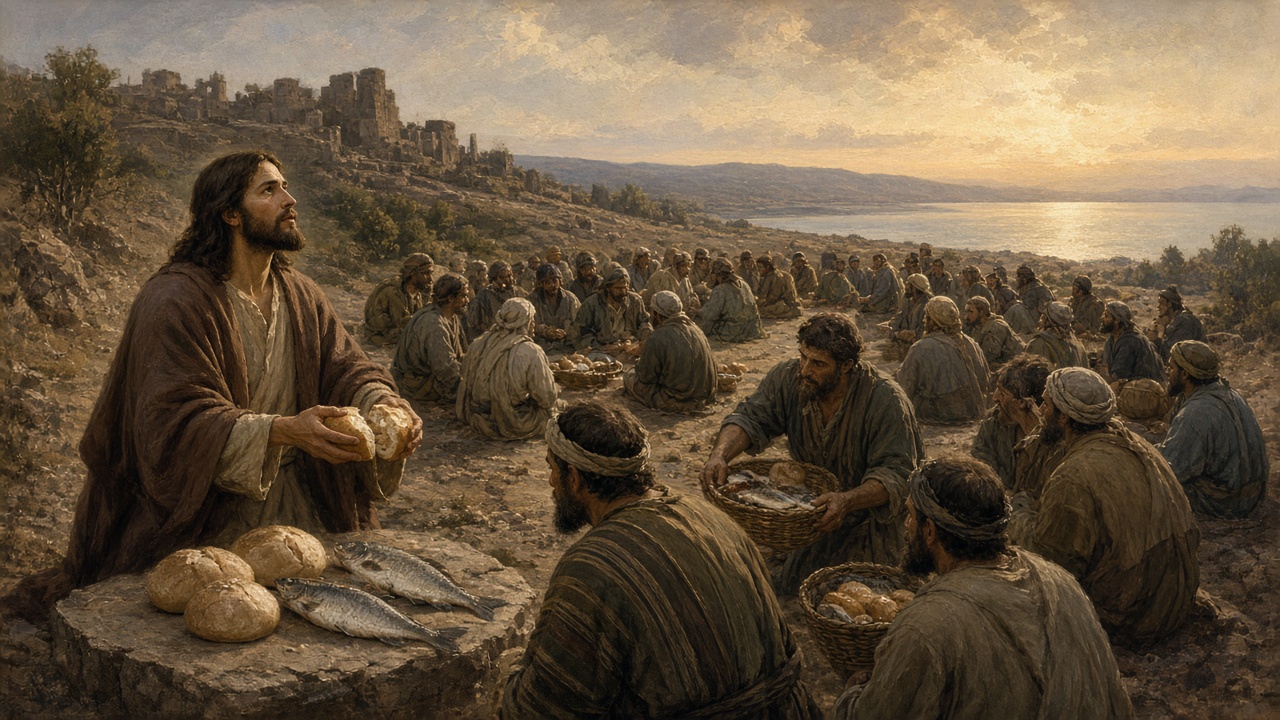
I kafkaan Dyisas mlukas lime libu dad to
10Di kasfulê i dad to dek Dyisas tamdò, santulenla di kenen i kdee mgimòla di kagula. Na kafnge én, faginan ale salu di satu lunsud dnagit Bétsayda, alò ale. 11Kabay di kgadè i dad to i gusalu Dyisas, mlalò ale kenen. Na toon ale dnawat, na tmulen kenen gablà di kagot Dwata, na fanguléan dademe di dale i nun tduk.
12Na di tafan kasdaf i duh, salu i dad sfalò lwe gal mlalò ku Dyisas di kenen, na manla, “Taflabi sa nan. Fye ku fdaam i dad to, du fye mngabal ale gumilèla na knaanla di dad malnak banwe mdadong dini, du landè gumwèla dini du landè to mnè dini.”
13Kabay man Dyisas di dale, “Gamu sa i mlé dale knaan.”
Kabay manla, “Alò lime batù i fanmi, na lwe nalaf. Mayè ge kè ku mdà gami mayad knaan i kdee dad to ani?”
14Én manla, du alò i dad lagi, mdadong lime libu.
Kabay man Dyisas di dale, “Fsudengyu i dad to ani, man lime falò di kat lumbuk.” 15Na mimen i dad mlalò kenen, na fsudengla i kdee dad to.
16Na nwè Dyisas i lime batù fan na i lwe batù nalaf, na lngalà kenen di langit du dmasal mlé fye di Dwata, na snatngaan i fan, na blén di dad gal mlalò kenen du nalella di dad to. 17Na gamkaan i kdeela, na bsol ale. Na i gdè knaan nukula sfalò lwe been fnò.
I gman Fiter gablà ku Dyisas
18Di satu duh, dmasal Dyisas aloan satu. Na i dad mlalò kenen mdadong ale déén. Kafngen dmasal snalekan ale, manan, “Tan man i dad to? Simto agu kun?”
19Tmimel ale, manla, “Man dademe, ge kun Dyan Gal Munyag. Man dademe, Ilaydya, ku demen satu di dademe tugad Dwata mték mdà di fati.”
20Na man Dyisas di dale, “Kabay gamu, tan i manyu? Simto agu kè?”
Na tmimel Fiter, manan, “Ge sa Krayst, i Mgalék Dwata mebe i kagotan.”
21Kabay toon ale nfang nang tmulen di balù simto to dun.
I kafgadè Dyisas i kfatin
22Na man Dyisas, “Na là fakay ku là dee kaflayam i mkel di deg, i dnagit Tingà To. Na i dad tua gal mebe gito dad Dyu, na dad ulu i dad bà di Dwata, na i dad tamdò i flalò blé Dwata fagu di ku Mosis, knagolla agu kadang na fnatila, bay nték agu mdà di fati di gatlun duh.”
23Na man Dyisas di kdeela, manan, “Ku nun to mayè mlalò deg, là fakay ku laan knagol knayè i kton, na mebe i krusan klit i duh, na too mlalò deg. 24Du ku simto kmabas i nawan, knean lana di kenen. Kabay ku simto mati du mdà di klaloan deg nun nawan landè sen. 25Balù gfun satu to i kdee fye dini di tah tanà, tan i gufyen ku baling lana di kenen i nawa landè sen? 26Du i to myà mfun deg ku demen i tdògu, kyàgu kadang, agu i dnagit Tingà To, di kasfulêgu magin i bong kdatah i Màgu, na i dad kasaligan too mtiu. 27Kabay tulengu gamu i kaglutan, nun di gamu tadag dini là mati kel di kiteyu i kagot Dwata.”
I kgili baweh Dyisas
28Nun kè walu butang i kafnge Dyisas mangman i kdee ani, faginan Fiter, Dyan, na Dyém mnagad di satu bulul du dmasal. 29Na slengan dmasal, mgili i bawehan, na samfilà i klawehan di kbukay. 30Na nun msut déén lwe to stulen di kenen, dunan Mosis na Ilaydya. 31Na too ale samfilà. Na én santulenla i kfati Dyisas fanan dnohò di syudad Dyérusalém. 32Kabay di slà ani kudang ale Fiter. Na di kukatla teenla i bong kneng Dyisas na i lwe to tadag di safédan. 33Na di fan kdà ale Mosis na Ilaydya tmagak ku Dyisas, man Fiter di kenen, “Amu, too fye du dini gami. Fye ku fdak gami tlu slung, satu i ge, satu ku Mosis, na satu ku Ilaydya.” Ani gman Fiter du laan gadè ku tan i fye man.
34Na di slengan talù maglimun ale i labun, na di kaglimunla too ale likò. 35Na nun talù mdà di labun, manan, “Ani i tingàgu, i Mgalékgu. Flinge gamu kenen!” 36Di katlag i talù, teenla alò Dyisas mtagak di safédla. Na fkahla di fandamla, bay làla tulen i teenla di balù simto to di bang én.
I kafgulê Dyisas i tingà nun busaw
37Di tmadol duh, masol ale mdà di bulul, na too dee dad to smitong ku Dyisas. 38Na nun satu lagi di dale tamlo di ku Dyisas, manan, “To Tamdò, fakdota ge, neyem i tingàgu ani, begam kando du sen tingàgu. 39Neyem, gal kenen fnusuk i busaw, na ku nkel i busaw tatì gkit, na fles fakakal kel di mulak i baan. Toon fatduk, na fan là kenen tnagak i busaw. 40Tabeg agu fakdo di dad to gal mlalò ge du fye falwàla, bay làla gagan falwà dun.”
41Na tmimel Dyisas, manan, “E tay, gamu dad to di bang ani, too landè kafaglutyu, na too gsalà i fandamyu. Bong klogu mnè di safédyu! Tan fa dé kaftahàgu i nawagu di gamu fye faglut gamu? Nebem dini tingaam.”
42Di kagdadong i tingà di ku Dyisas, lêman nkel i busaw. Fagbunalan kenen di tanà, na fakakalan. Kabay nngak Dyisas i busaw, na fanguléan i tingà, na fuléan di ifat maan. 43Na too tikeng i kdee dad to di ktulus Dwata.
I kafgadè Dyisas lêman gablà di kfatin
Kabay di lam fa tikeng i dad to di mgimò Dyisas gine, manan di dad gal mlalò kenen, 44“Nangyu glifet i mangu ani. Tamdadong nan i kablé deg, i dnagit Tingà To, di agot i dad to.” 45Kabay là ale gamlabat i gumtatek i manan du gbuni di dale, fye làla glabat dun, na likò ale smalek kenen i gumtatekan.
I too mdatah to di kagot Dwata
46Na i dad gal mlalò ku Dyisas tambù ale sdal ku simto di dale i too mdatah. 47Kabay gadè Dyisas i fandamla, taman nwean i satu tingà na ftadagan di safédan. 48Na manan di dale, “Ku simto dmawat i satu to gambet i tingà ani du mdà di ksasatun di deg, dnawatan agu, na dnawatan i Màgu Dwata, i mdek deg. Du ku simto di gamu too fdanà i kton, kenen sa i too mdatah.”
I to là mnang nawa gamu, msen gamu
49Na man Dyan di ku Dyisas, “Amu, nun teenmi satu lagi gal falwà dad busaw fagu di dagitam. Na fnangmi, du ise kenen satu dadememi gal mlalò ge.”
50Kabay man Dyisas, “Nangyu kenen fnang du ku simto là mnang nawa gamu, msen gamu.”
51Na tafan kel nan i duh kagket Dyisas salu di langit, na toon fkah di fandaman i ksalun di syudad Dyérusalém. 52Na taman nun dekan muna salu di satu banwe di Samériya du fatlagad i gumnean. 53Kabay i dad ise Dyu mnè déén, là dmawat ku Dyisas, du gadèla én gusalun di Dyérusalém, i gumangamfù dad Dyu. 54Na di kgadè Dyém na Dyan, lwe di dad mlalò kenen, na là ale dnawat déén, snalekla Dyisas, “Amu, mayè ge kè ku mni gami lifoh mdà di langit fye snakuf ale?”
55Kabay meye Dyisas di dale, na nngakan ale. 56Na fles ale magu di satu tukay banwe.
I kalima di klalò ku Dyisas
57Di slengla magu di dalan, nun lagi talù di ku Dyisas, manan, “Magin agu ge balù nè gusalum.”
58Na man Dyisas di kenen, “I dad tuyun, nun ilib gumulêla, na dad anuk di bnas, nun fulalla, bay agu, i dnagit Tingà To, balù gumilègu, landè.”
59Na nun satu lagi nlak Dyisas, manan, “Magin ge deg.”
Kabay man i to ani, “Amu, faloham agu mulê funa du lbanggu mà.”
60Kabay man Dyisas, “Bayaam i tamati. Én lambang dun i dad mati, dunan i dad là gamfun nawa landè sen. Kabay i nimoam ge, mdà ge tmulen i dad to gablà di kagot Dwata.”
61Na nun satu to mangman, “Magin agu ge, Amu, bay funam agu faloh mulê du mbal di dademegu.”
62Na man Dyisas di kenen, “Ku fkahta di to dmaru, là fakay falê. Salngad én i dad to mlalò deg, i to falê là gablà mimò di kagot Dwata.”
Did you know?
Mission, identity, and the road to Jerusalem
- Herod the tetrarch, perplexed by reports about Jesus, is Herod Antipas, Herod's son by Malthace. He said he had beheaded John, while some claimed that John had risen from the dead, others that Elijah the Tishbite, the "Elias" of the New Testament, had appeared, and still others that a prophet of old had arisen. One chronology of these events dates John's beheading to AD 29.Sources: Herod Antipas · Elijah · John Beheaded · the Bible text itself
- After the apostles returned, Jesus withdrew with them to a town called Bethsaida, where he welcomed the crowds, spoke about the kingdom of God, and fed about five thousand men with five loaves and two fish. Easton's Bible Dictionary (1897) places this Bethsaida on the east side of the lake, two miles up the Jordan, in the region of Gaulonitis; Philip the tetrarch enlarged it and called it Julias, after the emperor's daughter. Some have supposed there was only one Bethsaida, built on both sides of the lake near where the Jordan enters it; the entry identifies the ruins as et-Tel.Sources: Bethsaida · the Bible text itself
- Peter, originally called Simon, answered that Jesus is "the Christ of God." About eight days later Jesus took Peter, James, and John up a mountain to pray; Moses and Elijah appeared in glory and spoke about the departure Jesus was about to accomplish at Jerusalem. James, elder brother of John and a fisherman in partnership with Peter, was with them; he and John were called Boanerges, "sons of thunder," probably because of their boldness and energy, and later they asked whether they should call down fire from heaven on a village of the Samaritans that would not welcome Jesus because he was heading for Jerusalem.Sources: Simon Peter · James (Son of Zebedee) · the Bible text itself
Notes written with AI assistance from open sources (Theographic Bible Metadata, CC BY-SA 4.0; Easton’s Bible Dictionary, public domain) and reviewed before publishing.
Places in this chapter
Only places identified with high confidence are shown (90% or more according to the scholarly sources compiled by OpenBible). Period map: DARE (Digital Atlas of the Roman Empire), CC BY 4.0; modern map: © OpenStreetMap contributors; places: OpenBible.info (CC BY 4.0).
Credits and license for this translation
I tnalù dwata
New Testament in Blaan, Sarangani
copyright © 1998 Wycliffe Bible Translators, Inc.
Language: Sarangani Blaan (Blaan, Sarangani)
Translation by: Wycliffe Bible Translators
Contributor: Wycliffe Bible Translators, Inc.
Copyright Information
© 1998, Wycliffe Bible Translators, Inc. All rights reserved.
This translation text is made available to you under the
terms of the Creative Commons License: Attribution-Noncommercial-No Derivative Works.
( http://creativecommons.org/licenses/by-nc-nd/3.0/ )
In addition, you have permission to port the text to different file formats, as long as you
do not change any of the text or punctuation of the Bible.
You may share, copy, distribute, transmit, and extract portions
or quotations from this work, provided that you include the above copyright
information:
You must give Attribution to the work.
You do not sell this work for a profit.
You do not make any derivative works that change any of the actual words or punctuation of the Scriptures.
Permissions beyond the scope of this license may be
available if you contact
us with your request.
The New Testament
in Blaan, Sarangani
© 1998, Wycliffe Bible Translators, Inc. All rights reserved.
This translation is made available to you under the terms of the
Creative Commons Attribution-Noncommercial-No Derivatives license 4.0.
You may share and redistribute this Bible translation or extracts from it in any format, provided that:
You include the above copyright and source information.
You do not sell this work for a profit.
You do not change any of the words or punctuation of the Scriptures.
Pictures included with Scriptures and other documents on this site are licensed just for use with those Scriptures and documents.
For other uses, please contact the respective copyright owners.
2015-03-17
Source: http://ebible.org/bps/ · eBible.org