Genesis 17
I tnalù dwata · Tap a verse to see its cross-references.
Kaftulì i ilè i fakang Dwata
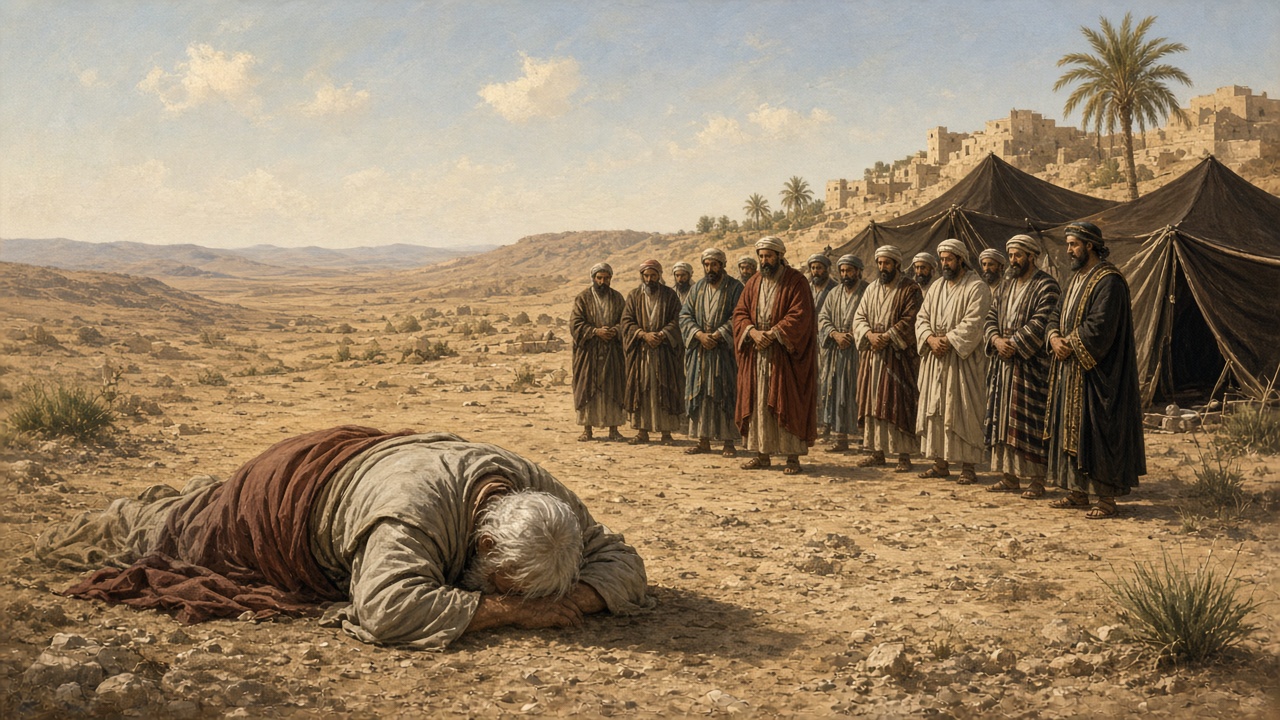
1Na kel tasyem falò syem i fali Abram, lêman msut Dwata i Amu, di kenen, na manan, “Agu Dwata Too Mtulus, mimen ge deg, na fadlug ge mimò i matlu nimò. 2Na dnohògu i tafakanggu ge. Hae, toota ge fbel, du fye too dee dad belam.”
3Kaklinge Abram ani, lkuad kenen na kudung di tanà, du nafean Dwata. Na lêman man Dwata, 4“Ani i fakanggu ge, nimòta ge mà i dee bung dad to. 5Mdà ani talà ge matlo Abram, bay dnagitta ge Abraham, du nimòta ge mà i kdee bung dad to. 6Fdeegu i dad belam, du fye nun dee bung dad to. Nun kadang di dad belam mbaling ale harì. 7Toogu dnohò i fakanggu di ge ani, na kel di dad belam kel di landè sen. Agu Dwatam na Dwata i dad belam di fulé duh. 8I klamang tanà Kanaan i flo gumneam ani i blégu ge kadang na i dad belam, du fye gfunyu kel di landè sen. Na satu duh agu Dwatala.”
9Na lêman talù Dwata di ku Abraham, manan, “Nun ilè i fakanggu, na là fakay ku làyu nimò, ge na i dad belam di fulé duh. 10Ani sa i ilè i nimòyu, ge na i dad belam, na tooyu dnohò ani, dunan i kdee dad lagi di gamu ftulìyu. 11Ge sa ftulì, du én i ilè i fakangta ge. 12Na mdà ani, na kel di dad belam di fulé duh, tnulìyu i dad lagi ku tawalu duh klon sut, balù dad ngà lagi sut di dad lifanyu, balù sut di gumnèyu ku demen to tagbayadyu mdà di dademe dad to. 13Hae, du dad ngà lagi sut di gumnèyu demen ku tagbayadyu di dademe dad to, kdee dad lagi too ftulì. Du mdà di ilè di dad lawehyu gadèyu i kfankanggu landè gusenan. 14Na ku simto di dad lagi i là ftulì, là gakuf kenen di gamu, du laan nimen i dek kenen gablà di kfakanggu.”
15Fadlug talù Dwata di ku Abraham, manan, “Nangam dnagit i yaanam Saray, bay mdà ani dnagitam kenen Sara. 16Banlégu kenen kafye na toota ge banlé i tingà lagi fagu di kenen. Banlégu kenen kafye na kenen sa mgimò yê i dee bung dad to. Na nun kadang mgimò harì mdà di dad belan.”
17Kaklinge Abraham kdee ani, lkuad kenen na kudung di tanà na mulé di fandaman di kton, manan, “Tay, gafngà fa kè i to tamlatu fali? Na mngà fa kè Sara i tasyem falò falin?” 18Na man Abraham di Dwata, “Fye fa moon ku gamdawat Ismaél i dad fakangam di deg.”
19Tmimel Dwata, manan, “Ise Ismaél gumlégu i fakanggu ge, du i yaanam Sara mngà kadang i tingaam lagi na dnagitam kenen Isaak. Dnohògu i fakanggu di kenen na i dad belan kel di landè sen. 20Lingegu i kafakdom gablà ku Ismaél, taman blégu di kenen kadang i kafye na banlégu kenen dee dad ngà na dee dad belan. Na i sfalò lwe di dad belan mgimò kadang dad ulu. Na mgimò i dad belan i satu bung dad to too mlabung. 21Kabay di tingaam lagi Isaak gudmohògu i fakanggu. Sut kenen di yaanam Sara salngad di bang ani, di gamtadol fali.” 22Kafnge Dwata stulen di ku Abraham tnagakan kenen.
23Na di duh atù, tnulì Abraham i tingaan Ismaél na kdee dad lagi sut di gumnean na balù i kdee lagi gbayadan mdà di dademe dad to, du én sa i gman Dwata di kenen. 24Di kaftulì Abraham tasyem falò syem falin, 25na i tingaan Ismaél tasfalò tlu falin di ktulì kenen. 26Di duh atù Abraham na i tingaan Ismaél, taftulìla i ktola, 27na gakuf i kdee dad lifanan lagi.
Did you know?
Covenant, New Names, and Circumcision
- At ninety-nine, Abram received the name Abraham. Easton's Bible Dictionary (1897) explains Abraham as “Father of a multitude,” matching the promise that he would be the father of many nations. Sarai was renamed Sarah, “Princess,” when it was announced that she would be the mother of the promised child.Sources: the Bible text itself · Abraham · Sarah
- That same day Abraham and Ishmael were circumcised, at ninety-nine and thirteen, along with every male born in the household or bought from a foreigner. Ishmael, Abraham’s son by Hagar, had been born at Mamre when Abraham was eighty-six. The sign was required for every male at eight days old, and Isaac, promised to Sarah for the next year, was later circumcised at that age.Sources: the Bible text itself · Ishmael (Son of Hagar) · Isaac
- In this chapter the land of Canaan, where Abraham was living, is promised to him and his descendants as an eternal possession. The country took its name from Canaan, a son of Ham. Easton's Bible Dictionary (1897) says Phoenician use first limited the name to the coastal plain where Sidon stood, while in the time of Moses and Joshua it meant the whole land west of the Jordan and the Dead Sea; the name signifies “the lowlands,” unlike Gilead, the hill country east of the Jordan.Sources: the Bible text itself · Canaan · Canaan
Notes written with AI assistance from open sources (Theographic Bible Metadata, CC BY-SA 4.0; Easton’s Bible Dictionary, public domain) and reviewed before publishing.
Places in this chapter
- Canaan · 32.767, 35.333 · verse 8
Only places identified with high confidence are shown (90% or more according to the scholarly sources compiled by OpenBible). Period map: DARE (Digital Atlas of the Roman Empire), CC BY 4.0; modern map: © OpenStreetMap contributors; places: OpenBible.info (CC BY 4.0).
Credits and license for this translation
I tnalù dwata
New Testament in Blaan, Sarangani
copyright © 1998 Wycliffe Bible Translators, Inc.
Language: Sarangani Blaan (Blaan, Sarangani)
Translation by: Wycliffe Bible Translators
Contributor: Wycliffe Bible Translators, Inc.
Copyright Information
© 1998, Wycliffe Bible Translators, Inc. All rights reserved.
This translation text is made available to you under the
terms of the Creative Commons License: Attribution-Noncommercial-No Derivative Works.
( http://creativecommons.org/licenses/by-nc-nd/3.0/ )
In addition, you have permission to port the text to different file formats, as long as you
do not change any of the text or punctuation of the Bible.
You may share, copy, distribute, transmit, and extract portions
or quotations from this work, provided that you include the above copyright
information:
You must give Attribution to the work.
You do not sell this work for a profit.
You do not make any derivative works that change any of the actual words or punctuation of the Scriptures.
Permissions beyond the scope of this license may be
available if you contact
us with your request.
The New Testament
in Blaan, Sarangani
© 1998, Wycliffe Bible Translators, Inc. All rights reserved.
This translation is made available to you under the terms of the
Creative Commons Attribution-Noncommercial-No Derivatives license 4.0.
You may share and redistribute this Bible translation or extracts from it in any format, provided that:
You include the above copyright and source information.
You do not sell this work for a profit.
You do not change any of the words or punctuation of the Scriptures.
Pictures included with Scriptures and other documents on this site are licensed just for use with those Scriptures and documents.
For other uses, please contact the respective copyright owners.
2015-03-17
Source: http://ebible.org/bps/ · eBible.org