John 8
I Falami Kasafnè (New Testament) · Tap a verse to see its cross-references.
I libun lmafà yaanan
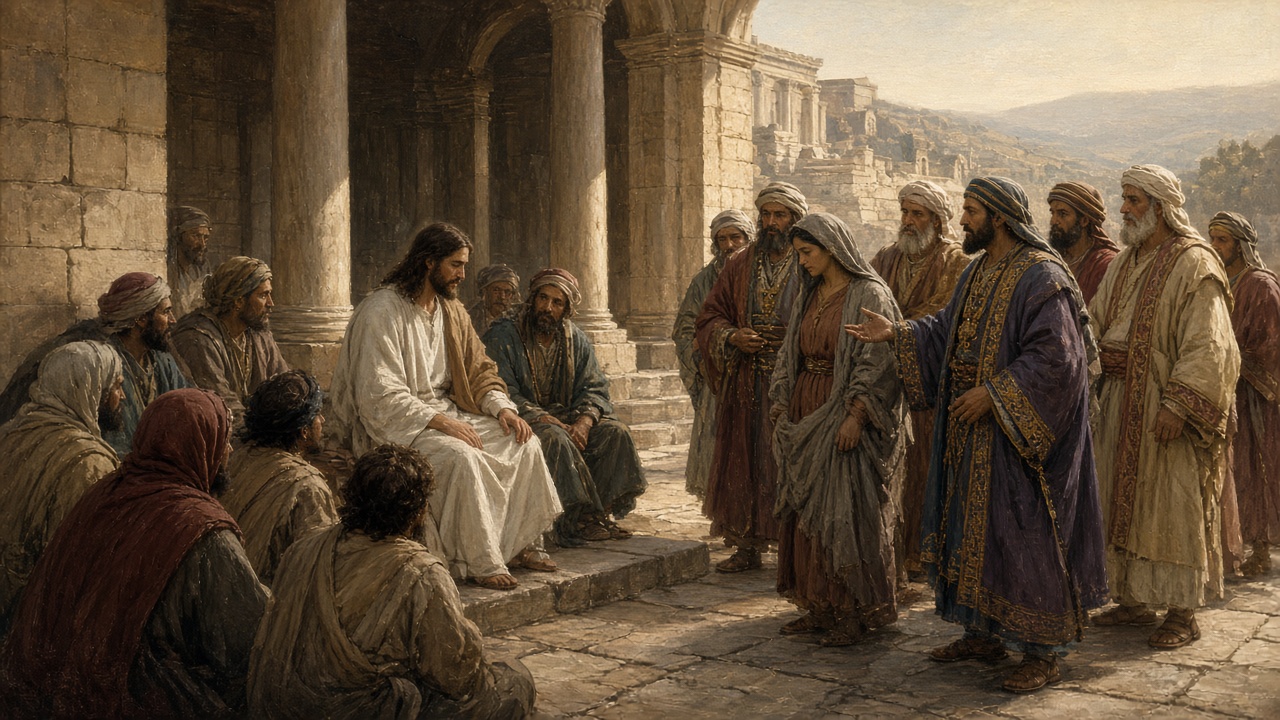
1Na kafnge ayé, kat satu to ta mdà mulê. Bay Dyisas, salu kenen ditù di Bulul Olib. 2Kanto mték flafus di tmadol du, samfulê Dyisas di Gumnè Gal Gumangamfù di Dwata. Na nun dee dad to salu di kenen, na yé duenam man, ta sudeng du tdòan ale. 3Na di laman tamdò, ta kel dad to gal tamdò i dad uldin Dwata fagu di ku Mosis na i dad Farisi, na nebela di ku Dyisas i satu libun gumahla di klafàan i yaanan di satu lagi, na ftadagla di bleng i dad to. 4Na manla di ku Dyisas, “E Sér, ta gumahmi i libun ani di satu lagi. 5Di uldin Dwata fagu di ku Mosis di gito, manan ndak batu i mimò salngad ani kel di kfatin. Na dét i ge man?” 6Manla ayé du limanla ku Dyisas, fye nun gumdàla tmifù kenen. Bay baling lkatot Dyisas, na smulat di tanà, gnamitan i tnalòan. 7Bay sana ktadagla déé du sigi ale smalek fa, na yé duenam man, ta lê tadag Dyisas, na manan di dale, “Nè i to landè salà di gamu, yé muna mdak dun batu.” 8Na lê kenen lkatot, na smulat di tanà. 9Na kantola linge i man Dyisas ayé, sginut ale mdà. Yé muna mdà i dad tua, klo i dademe. Na ta lo yé tagak déé Dyisas na i libun ayé. 10Na ta lê tadag Dyisas na manan di libun ayé, “E bì, ta nè gumnè i dad to mayè falmayam ge? Ta landè tagak kè?” 11Na tmimel i libun ayé di ku Dyisas, manan, “Ta landèan, Sér.” Na man Dyisas di kenen, “Ku yé, balù do, là sa falnayamta ge. Mulê ge na ta nang ge mimò salà.”
Dyisas i Salò mneng di klamang banwe
12Na lê talù Dyisas di dad to stifun déé, manan, “Do i Salò mneng di dad to di klamang banwe. Nè i to lmalò di do, là sa magun di gukmifuhan, bay ta déé di kenen neng i Salò mlé nawa.” 13Taman, man dad Farisi di ku Dyisas, “Lom satu tmulen gablà di ktom. Là gablà fantoo dun.” 14Na tmimel Dyisas, manan di dale, “Balù ku logu satu i tmulen gablà di ktogu, slame glut i kdee tulen-gu du gadègu i gumdàgu na i gusalugu. Bay gamu, là gadèyu i gumdàgu na i gusalugu. 15Ku mukum gamu, yé gufdàyu dun di kfagu i to tanà, bay do, landè nukumgu, balù simto. 16Bay ku do i mukum, tadè i kukumgu, du ise ku logu satu i mukum, bay lwe gami Mà, i mdek do. 17Na ta gsulat di uldin ta blé Dwata di gamu na ku masalngad i tulen lwe to, glut i tulenla. 18Tmulen agu gablà di ktogu, na Mà i mdek do, lê kenen tmulen gablà di do.” 19Taman, too ale smalek, manla, “Nè gumnè i Màam?” Na tmimel Dyisas, manan, “Là dilèyu agu, na là lêyu dilè Mà, du ku ta dilèyu agu, lêyu dilè Mà.” 20Man Dyisas i kdee ani di katdòan di lam Gumnè Gal Gumangamfù di Dwata di gugkah i galla guftatek filak blé di Dwata. Bay blaam, landè to gamkfè dun du là fa kel i bangan.
Langit i gumdà Dyisas
21Na lê man Dyisas di dad Dyu, “Nun du, mdà agu, na fanngabalyu agu, na mati gamu di kagsalàyu. Yé duenam man, là gafat gamu di gusalugu.” 22Yé duenam man, sasalek i dad ganlal i dad Dyu ayé, manla, “Dét gumtatek i manan ayé, ‘Là gafat gamu di gusalugu?’ Kan? Fan kenen mikat lial kè?” 23Na man Dyisas di dale, “To tanàyu gamu, bay do, yé gumdàgu di tah langit. Yé gumdàyu di banwe ani, bay do, ise. 24Yé duen-gu man di gamu na mati gamu di kagsalàyu. Na too gdohò ayé ku là fantooyu na ‘Do sa Dunan Do.’ ” 25Na toola kenen snalek, manla, “Simto ge kè?” Na tnimelan ale, manan, “I ta sanagu tulen di gamu sa di muna. 26Dee fa kayègu man na nukum di gamu. Bay too glut i mdek do, na nè i lingegu di kenen, yé tulen-gu di dad to di tah tanà.” 27Na là glabatla na yé manan di dale i Màan. 28Na lê talù Dyisas, manan dale, “Ku ta nketyu agu, i dnagit Ngà To, yé kloyu gmadè na ‘Do sa Dunan Do,’ na lêyu gadè na landè nimògu di logu satu, na lo yé tulen-gu i tdò Mà do. 29Na fikit di do i mdek do. Là ti bayàan agu di logu satu, du yé nimògu i gamflehew kenen.” 30Nun dee to lminge i dad manan ta ftoo di kenen.
I ktoon mlé kagalwà
31Taman, man Dyisas di dad to ftoo di kenen, “Ku fkahyu di nawayu i Tnalùgu, na nimenyu, ta mbaling gamu dad to tdògu. 32Na gadèyu i kaglut, na i kaglut falwà gamu di kagfasakyu.” 33Bay manla di kenen, “Dad bel Abraham gami, na landè lmen fmasak gami. Kan ku manam galwà gami di kagfasakmi?” 34Na tmimel Dyisas, manan di dale, “Too ti glut i man-gu di gamu, nè to gamsalà, fasak i salà. 35I fasak, là ti glaman di familya, bay i ngà, glam kenen kel di landè sen. 36Yé duen-gu man ku yé mlé gamu kagalwà Ngà i Dwata, too ti glut galwà gamu. 37Gadègu na gamu i dad bel Abraham, bay knèan tooyu agu kayè fnati du là mnab i Tnalùgu di gamu. 38Yé man-gu i fite Mà do, bay yé nimòyu gamu, i man màyu gamu.” 39Na manla di ku Dyisas, “Abraham sa i gutambulmi.” Bay man Dyisas di dale, “Ku glut gamu dad bel Abraham, ta lalòyu moon i dad nimòan. 40Yé logu nimò tulen-gu gamu i kaglut mdà di Dwata, bay blaam kayèyu agu fnati. Bay ise yé sa i nimò Abraham kenen. 41Yé duenam man, salngad nimòyu màyu.” Na manla di kenen, “Ise gami ngà magu dungan, bay lo satu i Màmi, dunan Dwata.” 42Bay man Dyisas di dale, “Ku glut, na Dwata Màyu, ta kanbongyu agu nawa du salu agu dini mdà di Dwata. I ksalugu dini, ise do knayè, bay dekan agu. 43Dét i duenyu là galmabat i tdògu? Yé duenan du là flinge gamu di man-gu. 44Du dad ngà gamu i màyu Satanas, na yé galyu nimen i sasè knayè màyu. Mdà di kagatbùan, sigi kenen manò, na là lmenan msen i kaglutan du landè sa kaglut déé di kenen. Ku tmulen kéng, lon lalò i kenen kagkah du sigi tmulen kéng, du kenen gutambul i kdee kéng. 45Bay do, yé tulenta gamu i kaglutan, na yé duenam man, là fantooyu agu. 46Nun di gamu kè lmen mite do gamsalà? Ku yé man-gu i kaglutan, kan ku là ftoo gamu di do? 47I ngà Dwata, flinge di Tnalù Dwata. Bay gamu, ise gamu dad ngà Dwata, na yé duenyu là flinge.”
Dyisas na Abraham
48Na lê tmimel i dad Dyu, manla, “Là kè glut i manmi na yé gumdàam di Samarya, na nun busawam?” 49Na tmimel Dyisas, manan, “Landè busawgu do. Di kaglutan, galgu nafè Mà, bay balingyu agu too fyà. 50Ise ku yé fanngabalgu i kdayen i dad to. Bay yé knayè i Dwata ku dnayen i dad to agu, na kenen sa i mukum. 51Na too ti glut i man-gu di gamu. Nè i to toon fkah di nawan i Tnalùgu, là matin.” 52Bay man i dad Dyu di kenen, “Ani ta too mbateng di gami na nun busawam. Ta mati Abraham na i dad tugad i Dwata di munan, bay knèan, balingam man, ‘Nè i to toon fkah di nawan i Tnalùgu, là matin.’ 53Kan? Mdatah ge di ku Abraham, i gutambulmi? Ta mati kenen na i dad tugad Dwata. Di fandamam, simto ge kè?” 54Na man Dyisas di dale, “Ku do dmayen i ktogu, landè btasan. Bay yé dmayen do Mà, i manyu Dwatayu. 55Là ti dilèyu kenen, bay do, dilègu. Ku yé man-gu là dilègu dun, ta tmulen agu kéng gambet gamu. Bay di kaglutan, dilègu kenen, na nimen-gu Tnalùan. 56I gutambulyu Abraham, lehew kenen mite i du ksalugu dini. Na di kiten dun, too kenen lehew.” 57Na man i dad Dyu di kenen, “Là fa gafat ge lime falò fali, na yé manam ta teenam Abraham?” 58Na man Dyisas di dale, “Too ti glut i man-gu di gamu, di là fa sut Abraham ta sana Do sa i Dunan Do.” 59Yé duenam man, mulut ale batu du ndakla kenen. Bay salbuni Dyisas, na tnagakan i Gumnè Gumangamfù di Dwata.
Did you know?
Light, Law, and Abraham
- John 8 opens as Jesus goes to the Mount of Olives and returns early in the morning to the temple courts, where he sits and teaches the people who gather. The Mount of Olives is a ridge east of Jerusalem, separated from the city by the Kidron valley and named for the olive trees that cover its sides.Sources: the Bible text itself · Mount of Olives
- Scribes and Pharisees bring in a woman caught in adultery and ask Jesus what he says about Moses' command in the Law to stone such a woman, seeking to test him and to gain a basis for accusing him. Still in the temple courts, near the treasury, Jesus later says, "I am the light of the world." A dated event list places both episodes in AD 29, each lasting one day.Sources: the Bible text itself · Woman Caught in Adultery · Light of the World/I am discourse
- When Jesus says that the truth will set them free, his hearers answer that they are Abraham's descendants and have never been slaves to anyone. Abraham is called "father of a multitude"; he was the son of Terah and the heir of the promises. After Jesus declares, "before Abraham was born, I am," they pick up stones to throw at him.Sources: the Bible text itself · Abraham
Notes written with AI assistance from open sources (Theographic Bible Metadata, CC BY-SA 4.0; Easton’s Bible Dictionary, public domain) and reviewed before publishing.
Places in this chapter
- Mount of Olives · 31.778, 35.246 · verse 1
Only places identified with high confidence are shown (90% or more according to the scholarly sources compiled by OpenBible). Period map: DARE (Digital Atlas of the Roman Empire), CC BY 4.0; modern map: © OpenStreetMap contributors; places: OpenBible.info (CC BY 4.0).
Credits and license for this translation
I Falami Kasafnè (New Testament)
New Testament in Blaan, Koronadal
copyright © 1995 Wycliffe Bible Translators, Inc.
Language: Koronadal Blaan (Blaan, Koronadal)
Translation by: Wycliffe Bible Translators, Inc.
Copyright Information
© 1995, Wycliffe Bible Translators, Inc. All rights reserved.
This translation text is made available to you under the
terms of the Creative Commons License: Attribution-Noncommercial-No Derivative Works.
( http://creativecommons.org/licenses/by-nc-nd/3.0/ )
In addition, you have permission to port the text to different file formats, as long as you
do not change any of the text or punctuation of the Bible.
You may share, copy, distribute, transmit, and extract portions
or quotations from this work, provided that you include the above copyright
information:
You must give Attribution to the work.
You do not sell this work for a profit.
You do not make any derivative works that change any of the actual words or punctuation of the Scriptures.
Permissions beyond the scope of this license may be
available if you contact
us with your request.
The New Testament
in Blaan, Koronadal
© 1995, Wycliffe Bible Translators, Inc. All rights reserved.
This translation is made available to you under the terms of the
Creative Commons Attribution-Noncommercial-No Derivatives license 4.0.
You may share and redistribute this Bible translation or extracts from it in any format, provided that:
You include the above copyright and source information.
You do not sell this work for a profit.
You do not change any of the words or punctuation of the Scriptures.
Pictures included with Scriptures and other documents on this site are licensed just for use with those Scriptures and documents.
For other uses, please contact the respective copyright owners.
2014-08-06
Source: http://ebible.org/bpr/ · eBible.org