Luke 3
Píívyéébé ihjyu: jetsocríjyodítyú cáátúnuháámɨ · Tap a verse to see its cross-references.
Tsojtsó múnáajpi Jóáa úwaabóne
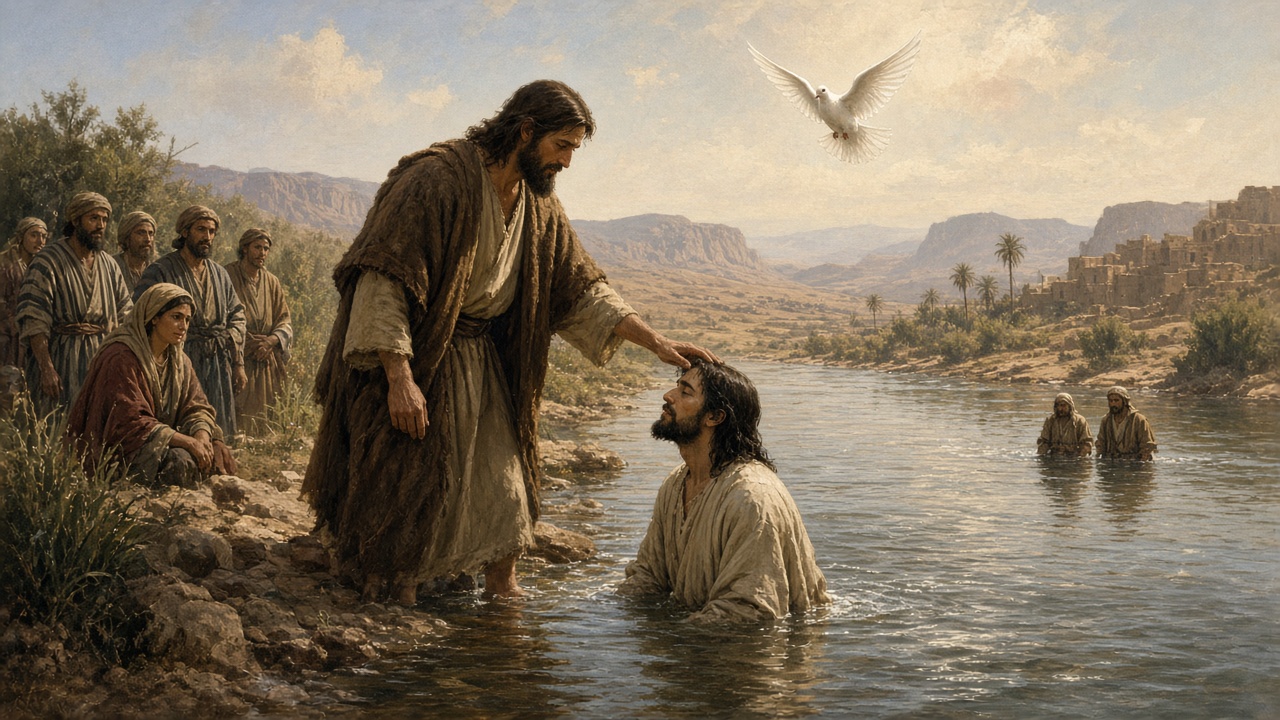
1Téijyúhjáa 15 pijcyábájuco Tibéério páñétúejpi ávyéjuube íjcyánáa Póótsio Piráátó Jodéá iiñújɨ́ avyéjuúbe. Áánetúhjáa Heróódé Gariréá iiñújɨ́ avyéjuúbe. Áánetúhjáa íñahbe Perípé Itoréaa, Taraconíítee, íjcyáné iñújɨ́ɨ́cú avyéjuúbe. Áánetúhjáa Ritsaníá Abirííniá iiñújɨ́ avyéjuúbe. 2Áánetúhjáa Anáama Caipáamútsí páñétúejtétsí llúúvájté avyéjujtétsi. Téijyúhjáa Tsacaríá hajchi Jóáa ɨ́ɨ́néubárá píívyétúné iiñújɨri íjcyáábeke Píívyéébe néé dibye iúwááboki. 3Ahdújucóhjáa dibye úwááboobéré péhijcyáné patsɨ́hjɨvá múnáakéré Joodáá úníuri íjcyáné iñújɨ́ɨ́ne múnáake. Nehíjcyaabéhjáa ditye íimítyuháñé ɨɨ́hvéjtsóne Píívyéébé icyánejcúvuréjuco ɨɨ́búwáávéne itsójtsótsámeí Píívyéébe diityédí ɨɨ́dáátsóvéne diityé imítyú ílluréjuco iábájɨ́ɨ́veki. 4Ehdúhjáa Jóáa úwáábohíjcyá Píívyéébé ihjyú uubálle múnáajpi Itsaíaúvú íllu néhdújuco:
Méllééboó ɨ́ɨ́néubárá píívyétúné iiñújɨri íjcyaabe keeváwu íllu úwaabóne: “Méímibáávyé ímítyú ámuha meícyahíjcyánetu tsaímiyéjuco ámuha meíjcyámeke Ávyéjuube iájtyumɨ́vaki. 5Méímibáávyé ámúhá ɨ́jtsaméí éhne múúne juuva nehníwu nénéhjɨri pééroju meímíbájchoju ímí tsatújkevéréjuco íjcyadu. 6Muurá Píívyéébe wálloó meke pájtyetétsóííbyeke pámeere mɨ́amúnaa iájtyúmɨki.”
7Ehdúhjáa Jóáa úwáábohíjcyánéllii tsaate peecútéré dííbyedívú itsójtsótsámeí tsáámeke neébe:
—¡Ávyeta mɨ́a ííñimyémúeméjté ámuúha! ¿Múha ámúhakye néé peecútéré ámuha metsójtsótsámeíñeri mepállójcóiyóné Píívyéébe meke méimítyuháñé hallútú ɨ́cúbáhraíñé méúmɨ́wari íjcyánetu? 8Tujkénúi méuujétsó ɨ́mɨááné Píívyéébé icyánejcúvuréjuco ámuha meɨ́búwaavéné mewáájácu ɨ́mɨááné tehdújuco ámuha meíjcyane. Tsá ámuha menémeíítyuró Aavaráaúvúj tsɨɨménémúhaabe ámuha meíjcyánéllii ɨɨná ámúhakye pájtyéityúne. Muurá íñe néwayúúné íjcyárónetu Píívyéébe ípívyéjtsóiyá tsijtye Aavaráaúvúj tsɨɨménémúháábeke. 9Aabe muurá téhmehíjcyá ímítyúmeke iwáágóoíñé éhne múúne tsaapi ibájtsotu ímiñe néévátuhéhjɨ́ úwáájɨri iíllóne cóvajtsódu.
10Ehdúhjáa dibye néénéllii tsaate néé dííbyeke:
—¿Aanéhaca muhdú muha méíjcyáiyáhi?
11Áánélliihyéhjáa neébe:
—Wájyamúúvámé ájcúiyá tsájaavu tsaate wájyamúúvátúmeke. Áhdure majchómá íjcyame ájcúiyá imájchoma íjcyátúmeke. Ehdúhjáa neebe diityéke.
12Téhduréhjáa tsaate ávyéjúúbé wáábyuta dsɨ́ɨ́dsɨke áhdótsohíjcyámé itsójtsótsámeí dííbye éllevu ipyééne néé dííbyeke:
—Uwááboóbej, ¿aca muhdú muha méíjcyáiyá ímí Píívyéébema meíjcyaki?
13Áánélliihyéhjáa neébe:
—Tsá ííñújɨ́ avyéjúúbé taúhbaju nééné ehnííñevu ámuha maáhdótsohíjcyáítyuró mɨ́amúnáake.
14Áhduréhjáa tsaate tsodáhómú néé dííbyeke:
—¿Ácooca muha muhdú méíjcyáiyáhi?
Áánélliihyéhjáa idyé neébe:
—Tsá tsaaté éhné peecútéré ámuha medótúcuhíjcyáítyuróne. Áhdure tsá tsaaté hallúvú ámuha maállíítyuróne. Áhdure ámúhakye múhduná ditye ámúhá wákimyéí áhdone múu ímí ɨjtsúcunú tehdújuco.
15Ehdúhjáa diityéké Jóáa nénéllii dííbyedítyú mɨ́amúnaa ɨ́jtsámeí tsáijyu múu diibyéjuco mɨ́amúnáake pájtyetétsóiibye dibye íjcyane. 16Árónáacáhjáa neebe diityéke:
—Muurá ihdyu ámúhakye ó tsótsohíjcyá nújpácyori. Áánetu íjcyaabe tsijpi táhboone úwáábóiibye táehnííñevu ɨ́htsútuube íjcyáábeke íjtyúhápáájɨ́ubáré o tácórɨúcu dííbyedívú o pɨ́ɨ́hɨ́véítyúroóbe. Diibye ihdyu ɨ́mɨááné cáhcújtsómé pañévú pícyoó Píívyéébé Apíícho. Áánetu cáhcújtsótúmeke cúújúwá pañévú waagóóiíbye. 17Muurá dówajcáróváiibye ímítyúmedítyú ɨ́mɨáámeke éhne múúne bɨɨvá pañétú tríígo meújcune maááhɨ́vetsódu. Muurá ɨ́mɨáámeke iújcúne ímítyúmeke waagóóiibye cúújuwa múijyú áábatéítyúwá pañévú éhne múúne tríígo néévá meújcúné boone téhiibájɨ́ bɨɨvámá mecóvajtsódu.
18Ehdúhjáa Jóáa ɨ́mɨáájú úwáábohíjcyá mɨ́amúnáake. 19Aabéhjáa ávyéjuube Heróódeke néé ɨ́veekí ímíñejɨ́ɨ́ íñahbe Perípé táábake dibye táábaváne. Téhduréhjáa neebe dibye tsíñehjɨ ímityúné méénuhíjcyáne. 20Ehdúhjáa Jóáa úwaabóné illéébóíyótsihvu íllure dííbyedívú tééné hallútú cuvéhoojánútsoóbe. Ááneríhjyáa éhnííñevúré ímityúné méénuúbe.
Jetsóó tsójtsótsámeíñe
21Aanéhjáa Jóáa mɨ́amúnáake tsótsohíjcyáábedívú téhdure Jetsóó tsójtsótsámeíhi. Aabéhjáa Jetsóó Píívyéébema íhjyúvánáa cáámetu dííbyé Apííchó ɨ́juuúdú bóhówaavéné niityé dííbyedívu. 22Áánáacáhjáa Píívyéébe néé cáámetu:
—Uu Hájchíwúuke o wájyúúbedi mítyane ó imíjyúúhií.
Jetsóó ɨhdé múnáaúvu
23Aanéhjáa Jetsóó 30 pijcyábá íjcyaabe botsíi tujkénú íwákimyéi. Aabéhjáa tene némeíhijcyádú Jotséé hajchi. Áánetúhjáa Jotséé Eríí hajchi. 24Áánetúhjáa Eríí Matáá hajchi. Áánetúhjáa Matáá Revíí hajchi. Áánetúhjáa Revíí Méékí hajchi. Áánetúhjáa Mééki Jááná hajchi. Áánetúhjáa Jáána tsijpi Jotséé hajchi. 25Áánetúhjáa Jotséé Matatíá hajchi. Áánetúhjáa Matatíá Amóó hajchi. Áánetúhjáa Amóó Naóó hajchi. Áánetúhjáa Naóó Éérí hajchi. Áánetúhjáa Ééri Nagáí hajchi. 26Áánetúhjáa Nagáí Máá hajchi. Áánetúhjáa Máa tsijpi Matatíá hajchi. Áánetúhjáa Matatíá Tsemeíí hajchi. Áánetúhjáa Tsemeíí Jotséé hajchi. Áánetúhjáa Jotséé Jodáá hajchi. 27Áánetúhjáa Jodáá Joanáá hajchi. Áánetúhjáa Joanáá Réétsá hajchi. Áánetúhjáa Réétsa Tsorobabéé hajchi. Áánetúhjáa Tsorobabéé Tsaratiéé hajchi. Áánetúhjáa Tsaratiéé Néérí hajchi. 28Áánetúhjáa Nééri Méékí hajchi. Áánetúhjáa Mééki Áádí hajchi. Áánetúhjáa Áádi Cotsáá hajchi. Áánetúhjáa Cotsáá Emodáá hajchi. Áánetúhjáa Emodáá Ééré hajchi. 29Áánetúhjáa Éére Jotsoéé hajchi. Áánetúhjáa Jotsoéé Erietséé hajchi. Áánetúhjáa Erietséé Joríí hajchi. Áánetúhjáa Joríí Matáá hajchi. Áánetúhjáa Matáá Revíí hajchi. 30Áánetúhjáa Revíí Tsimeóó hajchi. Áánetúhjáa Tsimeóó Jodáá hajchi. Áánetúhjáa Jodáá Jotséé hajchi. Áánetúhjáa Jotséé Jonáá hajchi. Áánetúhjáa Jonáá Eriakíí hajchi. 31Áánetúhjáa Eriakíí Meréá hajchi. Áánetúhjáa Meréá Maináá hajchi. Áánetúhjáa Maináá Matátá hajchi. Áánetúhjáa Matátá Natáá hajchi. 32Áánetúhjáa Natáá Dabíí hajchi. Áánetúhjáa Dabíí Itsaíí hajchi. Áánetúhjáa Itsaíí Obéé hajchi. Áánetúhjáa Obéé Bóó hajchi. Áánetúhjáa Bóo Tsamóó hajchi. Áánetúhjáa Tsamóó Naatsóó hajchi. 33Áánetúhjáa Naatsóó Aminadáá hajchi. Áánetúhjáa Aminadáá Aráá hajchi. Áánetúhjáa Aráá Ejróó hajchi. Áánetúhjáa Ejróó Pááré hajchi. Áánetúhjáa Pááre Jodáá hajchi. 34Áánetúhjáa Jodáá Jacóóbó hajchi. Áánetúhjáa Jacóóbó Itsáá hajchi. Áánetúhjáa Itsáá Aavaráá hajchi. Áánetúhjáa Aavaráá Taréé hajchi. Áánetúhjáa Taréé Nacóó hajchi. 35Áánetúhjáa Nacóó Tseróó hajchi. Áánetúhjáa Tseróó Ragáó hajchi. Áánetúhjáa Ragáó Perééké hajchi. Áánetúhjáa Perééké Hebéé hajchi. Áánetúhjáa Hebéé Tsáárá hajchi. 36Áánetúhjáa Tsáára Caináá hajchi. Áánetúhjáa Caináá Apatsáá hajchi. Áánetúhjáa Apatsáá Tséé hajchi. Áánetúhjáa Tsée Noéé hajchi. Áánetúhjáa Noéé Raméé hajchi. 37Áánetúhjáa Raméé Matotsaréé hajchi. Áánetúhjáa Matotsaréé Enóó hajchi. Áánetúhjáa Enóó Jaréé hajchi. Áánetúhjáa Jaréé Mararéé hajchi. Áánetúhjáa Mararéé Caináá hajchi. 38Áánetúhjáa Caináá Enóó hajchi. Áánetúhjáa Enóó Tséété hajchi. Áánetúhjáa Tsééte Adáá hajchi. Aabéhjáa diibye Adáake Píívyéébe ípívyéjtsó tujkénú ííñúbatúre.
Did you know?
John the Baptist prepares the way
- Luke sets John's preaching in the fifteenth year of Tiberius Caesar, the stepson of Augustus, who succeeded him in A.D. 14 and died in A.D. 37. Easton's Bible Dictionary (1897) notes that John began his public ministry in that year, and that Pontius Pilate, the sixth Roman procurator of Judea from A.D. 26 to 36, kept his headquarters at Caesarea during a term that covered the ministries of John and Jesus. Herod Antipas, a son of Herod, was then tetrarch of Galilee.Sources: the Bible text itself · Tiberius · Pontius Pilate · Herod Antipas
- The chapter dates these events during the high priesthood of both Annas and Caiaphas. Easton's Bible Dictionary (1897) records that Annas was high priest from A.D. 7 to 14 and was deposed by the Roman procurator, and that Caiaphas, who had married Annas's daughter, was raised to that office in A.D. 25. The same entry suggests that the Jews may still have regarded Annas as the lawful high priest, since Mosaic law held the office for life, and that he probably served with Caiaphas as president of the Sanhedrin or as the high priest's deputy.Sources: the Bible text itself · Annas
- John, son of Zechariah, was of priestly descent: his father was a priest of the course of Abia, and his mother, Elizabeth, belonged to the daughters of Aaron. Easton's Bible Dictionary (1897) notes that his mission was the subject of prophecy, including Isaiah's voice crying in the wilderness, and that his birth came six months before the birth of Jesus. In this chapter he preaches a baptism of repentance throughout the region around the Jordan, and Herod the tetrarch later imprisons him after John rebukes him over Herodias.Sources: the Bible text itself · John the Baptist
Notes written with AI assistance from open sources (Theographic Bible Metadata, CC BY-SA 4.0; Easton’s Bible Dictionary, public domain) and reviewed before publishing.
Places in this chapter
- Abilene · 33.627, 36.106 · verse 1
- Galilee · 32.760, 35.527 · verses 1, 19
- Ituraea · 33.400, 35.850 · verse 1
- Judea · Today: Judea 1 · 31.777, 35.234 · verse 1
- Trachonitis · Today: Lajat · 32.969, 36.455 · verse 1
- Jordan · Today: Jordan River · 31.761, 35.558 · verse 3
Only places identified with high confidence are shown (90% or more according to the scholarly sources compiled by OpenBible). Period map: DARE (Digital Atlas of the Roman Empire), CC BY 4.0; modern map: © OpenStreetMap contributors; places: OpenBible.info (CC BY 4.0).
Credits and license for this translation
Píívyéébé ihjyu: jetsocríjyodítyú cáátúnuháámɨ
New Testament in Bora (PE:boa:Bora)
copyright © 2008 Wycliffe Bible Translators, Inc.
Language: Bora
Translation by: Wycliffe Bible Translators, Inc.
Boara [boa], Peru
Copyright Information
© 2008, Wycliffe Bible Translators, Inc. All rights reserved.
This translation text is made available to you under the
terms of the Creative Commons License: Attribution-Noncommercial-No Derivative Works.
( http://creativecommons.org/licenses/by-nc-nd/3.0/ )
In addition, you have permission to port the text to different file formats, as long as you
do not change any of the text or punctuation of the Bible.
You may share, copy, distribute, transmit, and extract portions
or quotations from this work, provided that you include the above copyright
information:
You must give Attribution to the work.
You do not sell this work for a profit.
You do not make any derivative works that change any of the actual words or punctuation of the Scriptures.
Permissions beyond the scope of this license may be
available if you contact
us with your request.
The New Testament
in Bora
© 2008, Wycliffe Bible Translators, Inc. All rights reserved.
This translation is made available to you under the terms of the
Creative Commons Attribution-Noncommercial-No Derivatives license 4.0.
You may share and redistribute this Bible translation or extracts from it in any format, provided that:
You include the above copyright and source information.
You do not sell this work for a profit.
You do not change any of the words or punctuation of the Scriptures.
Pictures included with Scriptures and other documents on this site are licensed just for use with those Scriptures and documents.
For other uses, please contact the respective copyright owners.
2014-04-22
Source: http://ebible.org/boaNT/ · eBible.org