Luke 2
Píívyéébé ihjyu: jetsocríjyodítyú cáátúnuháámɨ · Tap a verse to see its cross-references.
Jetsóoke Maaríá tsɨ́ɨ́maváne
1Áánetúhjáa Maaríá tsúúca tsɨ́ɨ́mávaíñé pɨ́ɨ́hɨ́náa páñétúejpi ávyéjuube Tséétsa Aogójtó táuhbá pámeere imyémeháñé icyáátúnútsámeíki. 2Téijyúhjáa Tsííriá iiñújɨ́ avyéjuube Tsiréénio íjcyánáa méénútujkénúmé teene páme méméré cáátúnúmeíiñe. 3Áánélliihyéhjáa pámeere pehíjcyá ímichi íiiñújɨ́ comíñevu imyémeháñé icyáátúnútsoki.
4Aanéhjáa Jotséé diille mewa Maaríá éévállema péé Gariréá iiñújɨ́ Natsaréetu Jodéá iiñújɨri íjcyacóómí Beréevu Dabíiúvúu tsɨ́ɨ́mávámeítsihvu imyémé icyáátúnútso dííbyeúvúj tsɨɨménémúhaabe iíjcyánélliíhye. 6Aanéhjáa tétsii dityétsí íjcyánáa tsúúca Maaríá tsɨ́ɨ́máváíñe éévé úújetéhi. 7Aalléhjáa tujkénúejpi íjcyáábeke ɨtsɨ́ɨ́máváne wájyámubááneri ɨbɨ́ɨ́jɨ́núúbeke tódsɨjcáró jéémú éébutáwá pañévú kiá dityétsí íjcyáíyotsíí íjcyátúnélliíhye.
Jéémú tehmé múnaa Jetsóoke ááhɨvéne
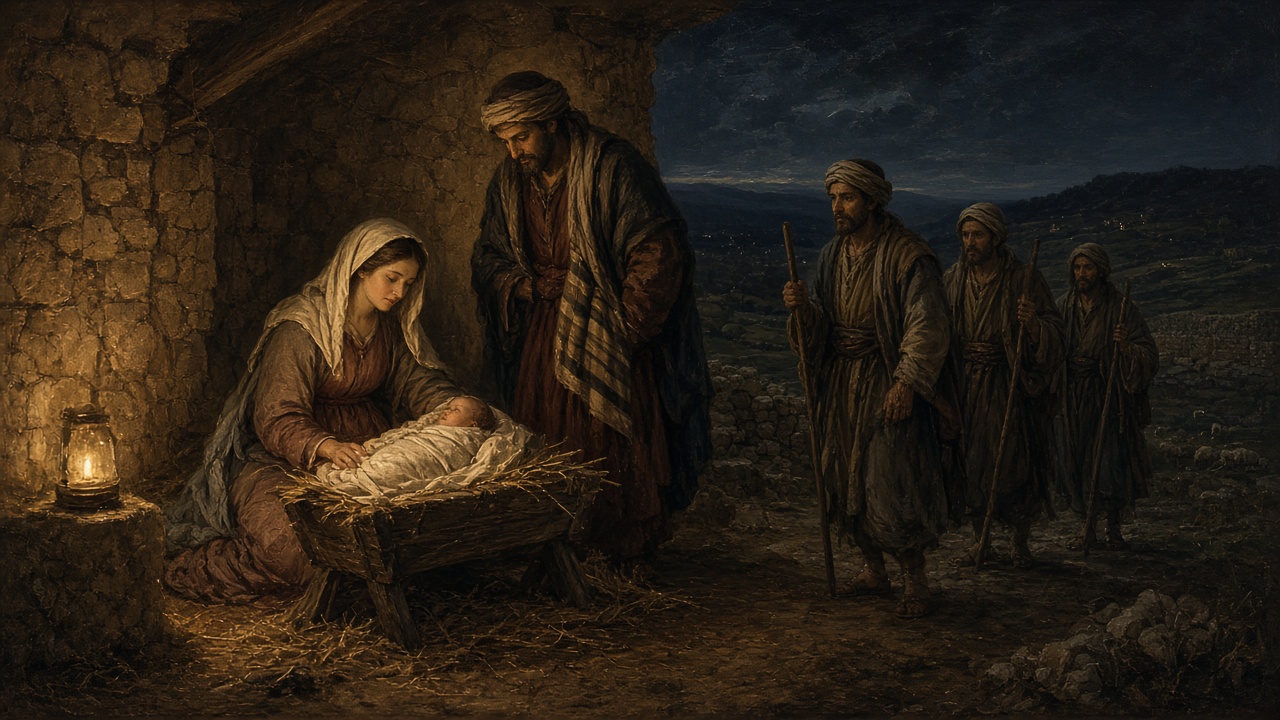
8Áánáacáhjáa técoomí úníuri tsaate obééjámuke téhmehíjcyámedívú tépejco níjkyéjɨ múnáajpi bóhówáávéébedítyú Píívyéébé ámɨ́tsaráhcó diityéké ájchúcunúneri mítyane íllityéme. 10Árónáacáhjáa neebe diityéke:
—Méíllityédíñe. Muurá ɨ́mɨá uubállema o tsáá ámúha éllevu pámeere mítyane ímíjyúúvéíñé uubállema. 11Muurá tsúúca ámúhá avyéjuube ámúhakye pájtyetétsóííbyeke tsáápille tsɨ́ɨ́mavá Dabíiúvú coomívu. 12Aabe wájyámubááneri bɨ́ɨ́jɨ́númeííbyé jéémú éébutáwá pañe íjcyáábeke ámuha maájtyúmɨ́netúré méwaajácuú diibyéjuco íjcyane.
13Áánáacáhjáa diibye níjkyéjɨ múnáájpí úniúvú tsijtye mítyame dííbyé nahbéjté bóhówaavéhi. Aaméhjáa Píívyéébeke dúúruvámé nééhií:
14Maímijyu Píívyéébe níjkyéjɨri íjcyaábej. Muurá ííñújɨri íjcyáné mɨ́amúnaa dibye ímillédú íjcyame tsaímiyéjuco íjcyaíñé ɨɨná diityé hallúrí íjcyájúcootúme.
15Aaméhjáa níjkyéjɨ múnaa tsúúca pééné boone diitye jéémú tehméjté néjcatsíhi:
—Cána bo metsu mepéé Beréevu Píívyéébe meke úúballéné maájtyúmɨki.
16Ehdúhjáa iñééne ɨ́ɨ́cúi téhullévú pééme ɨ́mɨááné ájtyúmɨté diille Maaríaa, Jotséee, diibye tsɨ́ɨ́ménéwu jéémú éébutáwá pañe íjcyaábee, íjcyámeke. 17Aaméhjáa dííbyeke iájtyúmɨ́ne úúballé níjkyéjɨ múnáajpíi dííbyéwúudítyú nééneé. 18Ááneríhjyáa ullévenúme. 19Aanéhjáa Maaríake ɨ́ɨ́né imíjyaú pájtyelle tééneri ɨ́tsámeíhijcyáhi. 20Átsihdyúhjáa diitye jéémú tehméjté oomí Píívyéébeke ávyéjújtsoméré diityékée tene némeídyújuco tene íjcyánélliíhye.
Jetsóoke ditye mémenúne
21Aanéhjáa 8 coojɨ́vá íjcyáábéwúuke íñaméhó nɨ́jcáúemɨ́ɨ́hé kíhdyahɨ́róme. Átsihvúhjáa dííbyeke meménúmé Jetsóodívú níjkyéjɨ múnáájpíhjyáa Maaríake dilléi éévátúné ɨhdéjuco néhduú.
22Téijyúhjáa diille Maaríá ímíbájchómeííñe éévé úújeténéllii pééme Jerotsaréevu Moitséeúvuj tééveríhjyáa Píívyéébe nééné taúhbaju néhdu imyéénuki. Áhduréhjáa téijyu Jetsóoke Píívyéébé hójtsɨ́ pañévú pícyoomútsi. 23Ehdúhjáa meenúmé Píívyéébé taúhbaju íllu néhdújuco: “Tujkénú paméváré wájpiikye tsɨ́ɨ́mávaabe Píívyéébé wáábyutáábé íjcyaáhi.” 24Aamútsíhjyáa tsajtyé Maaríá ímíbájchómeííñé hallúvú Píívyéébeke ɨɨ́ɨ́cúveíñé míítyétsi wahpéjtétsikye dííbyé taúhbaju íllu néhdújuco: “Múu tóómehémútsíúbake ɨ́júúumútsíúbake tsivá iímíbájchómeíñé ɨɨcúve.”
25Téijyúhjáa Jerotsaréeri ɨ́mɨáábé íjcyaabe Tsimeóó tsaímíyé Píívyéébe ímillédú ícyahíjcyaabe ɨ́tsohíjcyá ijraéémuke ímíbáávyétsóiibye tsááiñe. 26Áábé pañéhjáa Píívyéébé Apííchó íjcyane úúballé dííbyeke dibyéi dsɨ́jɨ́vétúnáa Píívyéébe wállooíñé meke pájtyetétsóííbyeke. 27Aabéhjáa Píívyéébé Apííchóré túkévéjtsóneri péé duurúvajávu. Áánáacáhjáa Jetsóówúuma tsɨ́ɨ́jumútsí úcaavé tééjá pañévú Píívyéébé taúhbaju néhdújuco dííbyéwúuke imyéénuki. 28Áhullévúhjáa diibye Tsimeóó dííbyéwúuke iíhbúcúne Píívyéébeke dúúrúvaabe nééhií:
29Ayúju Píívyéébeéj, tsúúca íñe oke ú ájtyúmɨtsó okée u néénevu dɨ́ɨɨcúve múnáajpi o íjcyáábeke. Ahdícyane óvíi ílluréjuco o dsɨ́jɨvéne. 30Tsúúca ó ájtyumɨ́ múúhakye pájtyetétsóííbyeke pámeere mɨ́amúnáadívú u bóhówáávétsóóbeke. 32Aabe peetédú néébe téhdure ijraéémú íjcyátúróné mɨ́amúnáake ɨ́mɨájɨjtóvú waajácútsoóhi. Áhdure ihñéjté ijraéémuke ávyéjújtsóiíbye.
33Ehdúhjáa Tsimeóó íhjyúváneri tsɨ́ɨ́jumútsí ullévenúhi. 34Téhduréhjáa diityétsí hallúvú pɨáábó táúmeííbyé ímí dityétsí iíjcyaki. Átsihdyúhjáa neebe Maaríake:
—Áánúdityu íjcyane muurá mítyame memúnaa ijraéémudítyú éhnííñevu tútávááveéhi. Aame íllure dííbyeke ehdɨ́ɨ́válleé ávyejúúlletúme. Árónáa íjcyaímyé tsaate dííbyeke cáhcujtsóme. 35Ehdu dííbyeke tene pájtyécooca waajácúmeíiñe muhdú mɨ́amúnaa tsáápiitsá ɨ́jtsaméí íjcyane. Áijyu teene páneere u ɨ́ɨ́tene uke tsɨ́ɨ́juke ávyétá kimóhcó pájtyeé dɨ́ɨ́ɨ́búutu. Ehdúhjáa neebe Tsimeóó Maaríake.
36Áhduréhjáa íjcyalle tsáápille kéémelle Atséé dohjɨ́ba múnáajpi Panoéeúvú ajyúwá Áánaá. Aalléhjáa bádsɨ́jcaja iíjcyácooca ityájɨ́váábema ijcyá 7 pijcyábáre. Aanéhjáa tsúúca 84 pijcyábájuco ipííbajyúúvatétsihdyu íjcyalle tsá ɨ́ɨ́nehíjcyatú duurúvájatu. Paíjyuváréhjáa Píívyéébeke dúúrúvalléré ihjyúvahíjcyá dííbyema. Tsáijyúhjáa áwahíjcyalle majcho dííbyema iíhjyúvácoóca. Aalléhjáa Píívyéébere túkévéjtsóneri ɨ́hdéjuco ɨɨná pájtyeíñé úúbállehíjcyalle tétsihvu itsááne duurúvá Píívyéébeke. 38Ááné boonéhjáa úúbállelle Jetsóó Mépájtyetétsoobe íjcyájucóóné pámeere Jerotsarée múnaa ipájtyetéiñe ɨ́tsohíjcyámeke.
Natsaréevu ditye óómiñe
39Ehdúhjáa Píívyéébé taúhbaju néhdu Jetsóój tsɨɨjúmútsí imyéénúné boone oomí Gariréá iiñújɨvu íhcyóómi Natsaréevu. 40Aanéhjáa Jetsóó Píívyéébé pɨáábójú pañe tsaímíyé píívyeebe panéváré waajácúhi.
Duurúvájá pañe Jetsóó íjcyane
41Aabéhjáa tsúúca 12 pijcyábá íjcyáábema tsɨ́ɨ́jumútsí péé Jerotsaréevu pajtyété wañéhjɨvu ténevá pijcyábádú ipyéhijcyádújuco. 43Aanéhjáa tééné pajtyétavu diityétsidítyú coévaabe Jerotsaréevu dityétsí wáájácútúné hallúri. 44Ɨjtsúcunúmútsíhjyáa dibye péjucóóné tsaatéma. Áánemáhjáa tsájcoojɨ́juco ipyééróne néhcóromútsí dííbyeke imúnáá pañe. Téhduréhjáa tsijtye iwáájácúmé pañe néhcóromútsi. 45Árónemáhjáa tsiiñe óómimútsí Jerotsaréevu dííbye néhcovu.
46Aamútsíhjyáa ájtyumɨ́ 3 coojɨ́vatu duurúvájá pañe taúhbájú uwáábojtéj pɨɨne ácuúcunúúbé ditye íhjyúvájcatsíñé lléébúcunúhíjcyáábeke. Aabéhjáa téhdure díllohíjcyá íicyánéjcutu diityéke. 47Ááneríhjyáa ávyeta ullévenúmé muhdú kémúúbejɨ́ɨ́va wáájácúneri. Téhduréhjáa dííbyeke ditye díllone dibye áñúcuhíjcyáneri ullévenúme. 48Áhduréhjáa tsɨ́ɨ́jumútsí dííbyeke iájtyúmɨ́ne ullévenúhi. Áábekéhjáa tsɨɨju nééhií:
—Llíhij, ¿aca ɨ́veekí ehdu múhtsikye ú dárɨɨvéhi? Muurá muhtsi díícyáánidyu néébema uke ménéhcohíjcyá tsíñehjɨ́réjuco ɨ́jtsámeímútsíye.
49Áánélliihyéhjáa neebe diityétsikye:
—¿Aca muhdú ɨ́ɨ́vane oke ámuhtsi ménéhcohíjcyáhi? ¿Aca tsá ámuhtsi mewáájácutú Llihíyó wákimyéiyi o íjcyaídyújuco o íjcyane?
50Ehdúhjáa diityétsikye dibye nééne tsá dityétsí wáájácutú ɨɨná iñééiyóné ehdu dibye nééneé.
51Aabéhjáa botsíi diityétsima oomí Natsaréevu. Aabéhjáa ícyahíjcyá tsaímíyé diityétsima muhdú dityétsí ímillédu. Aanéhjáa imíwu tsɨɨju ɨɨ́jtsúcunúneri ɨ́tsámeíhijcyáhi. 52Aabéhjáa tsúúca kééméveebe mítyanéjuco wáájacúúbeke ímí Píívyéébe ɨ́jtsúcunúúbeke téhdure mɨ́amúnaa ímí ɨjtsúcunúhi.
Did you know?
The Birth and Early Years of Jesus
- Luke places Jesus’ birth at the time of a decree from Caesar Augustus that a census be taken of the whole empire. Augustus was the cognomen of the first Roman emperor, C. Julius Caesar Octavianus; the title, meaning “majesty” or “venerable,” was first given by the senate. Luke calls this the first census while Quirinius was governor of Syria—Cyrenius being the Greek form of Publius Sulpicius Quirinus.Sources: the Bible text itself · Augustus · Cyrenius
- Joseph lived in Nazareth in Galilee, and he went up from there to Judea, to Bethlehem, the city of David, because he belonged to David’s house and line. Bethlehem lies in the hill country of Judah and was David’s own city: David, the eighth and youngest son of Jesse, was a citizen of Bethlehem. Mary, pledged to Joseph in marriage and expecting a child, traveled with him to register.Sources: the Bible text itself · Joseph (Mary's Husband) · Bethlehem · David
- When the time of purification required by the Law of Moses was complete, the parents brought the child to Jerusalem to present him to the Lord, offering a pair of turtledoves or two young pigeons. In the temple they met Simeon and Anna, a prophetess, daughter of Phanuel, of the tribe of Asher. She had been married for seven years and then was a widow to the age of eighty-four, and she never left the temple, worshiping night and day, fasting and praying.Sources: the Bible text itself · Anna
Notes written with AI assistance from open sources (Theographic Bible Metadata, CC BY-SA 4.0; Easton’s Bible Dictionary, public domain) and reviewed before publishing.
Places in this chapter
- Syria · Today: Syria 2 · 33.511, 36.306 · verse 2
- Bethlehem · 31.704, 35.208 · verses 4, 11, 15
- Galilee · 32.760, 35.527 · verses 4, 39
- Judea · Today: Judea 1 · 31.777, 35.234 · verse 4
- Nazareth · 32.702, 35.298 · verses 4, 39, 43, 51
- Jerusalem · 31.777, 35.234 · verses 22, 25, 38, 41, 42, 43, 45
Only places identified with high confidence are shown (90% or more according to the scholarly sources compiled by OpenBible). Period map: DARE (Digital Atlas of the Roman Empire), CC BY 4.0; modern map: © OpenStreetMap contributors; places: OpenBible.info (CC BY 4.0).
Credits and license for this translation
Píívyéébé ihjyu: jetsocríjyodítyú cáátúnuháámɨ
New Testament in Bora (PE:boa:Bora)
copyright © 2008 Wycliffe Bible Translators, Inc.
Language: Bora
Translation by: Wycliffe Bible Translators, Inc.
Boara [boa], Peru
Copyright Information
© 2008, Wycliffe Bible Translators, Inc. All rights reserved.
This translation text is made available to you under the
terms of the Creative Commons License: Attribution-Noncommercial-No Derivative Works.
( http://creativecommons.org/licenses/by-nc-nd/3.0/ )
In addition, you have permission to port the text to different file formats, as long as you
do not change any of the text or punctuation of the Bible.
You may share, copy, distribute, transmit, and extract portions
or quotations from this work, provided that you include the above copyright
information:
You must give Attribution to the work.
You do not sell this work for a profit.
You do not make any derivative works that change any of the actual words or punctuation of the Scriptures.
Permissions beyond the scope of this license may be
available if you contact
us with your request.
The New Testament
in Bora
© 2008, Wycliffe Bible Translators, Inc. All rights reserved.
This translation is made available to you under the terms of the
Creative Commons Attribution-Noncommercial-No Derivatives license 4.0.
You may share and redistribute this Bible translation or extracts from it in any format, provided that:
You include the above copyright and source information.
You do not sell this work for a profit.
You do not change any of the words or punctuation of the Scriptures.
Pictures included with Scriptures and other documents on this site are licensed just for use with those Scriptures and documents.
For other uses, please contact the respective copyright owners.
2014-04-22
Source: http://ebible.org/boaNT/ · eBible.org