John 10
Píívyéébé ihjyu: jetsocríjyodítyú cáátúnuháámɨ · Tap a verse to see its cross-references.
Obééjámú mɨ́jcotu íjcyáné uwááboju
1Muurá naní múnaa obééjámú mɨ́jcó pañévú llééhówatu úcáávetúmé ihdícyátsihdyúré úcaavéhi. 2Áánetu ihdyu diityé tehméébé úcaavé lleehówatu tééwá tehméébé pááyúcúcoóca. Aabe diityéké pɨ́úvácooca íjkyéétu waajácúme. Aaméjuco témɨjcó pañétú áachívú dííbye déjutu íjchivyécunúne. 4Aabe kiávú diityéké tsúúlléhullévú úraavyémé dííbyeke iwáájácúnema. 5Áánetu tsíjtyere diityéké pɨ́úváhajchíí tsá ditye péétune. Íllure wááme ditye pɨ́úvárónáa diityéké iwáájácútúnélliíhye.
6Ehdúu Jetsóó diityéké nééne tsá ditye wáájácutú ɨɨná iñééiyóné obééjámú mɨjcótú dibye íhjyuváne.
Jetsóó obééjámú tehméébédu
7Aanée ditye lléébótúnéllii tsiiñe neebe íboohówájɨ́jtori:
—Oo muurá ɨ́mɨááné teene obééjámú mɨ́jcó lleehówádu. 8Aabéikyée o tsáátúné ɨhde naní múnaádú nééme úwáábohíjcyá tsɨ́jɨjtóríye. Árómé uwáábóo tsá mɨ́amúnaa obééjámúdú nééme cáhcútsohíjcyatúne. 9Aane ɨ́mɨááné llééhowádú o néébeke cáhcujtsómé tajtyééveri pájtyetéhi. Aame ɨ́ɨ́né imíjyaú ijcyá éhne múúne obééjámú ítyehméébema íjcyame íjcyadu.
10Muurá naní múnáajpi íllure ɨ́cúbahrá obééjámuke. Áánetúu tsá o tsáátu tehdu mɨ́amúnáake o méénuki. Ópée o tsáá diityéké o pájtyetétso ɨdsɨ́jɨvéjúcóóítyúne bóhɨ́ ditye iújcuki. 11Aabe ɨ́mɨááné páñétúejpi oo oke cáhcujtsómé obééjámúdú néémé tehméébe. Muurá obééjámú tehméébé diityé wájyuri ɨ́cúbáhrámeíhi. 12Áánetu áhdólliihyéré diityéké téhmehíjcyaabe tsá ímí téhmetúne. Muurá oohííbyé dɨ́ɨ́vaabe diityéké idyóó tsáábedítyú dibye wááné boone tsáápiikye dibye tábejcárónetu wáchájaavémé ílluréjuco mújtane pahúllevávu. 13Ehdu muurá diityéjtane waabe ditye áhdónélliihyéré téhméroóbe. Aabe tsá diityédí íjyácunútú ihñéjté ditye íjcyátúnélliíhye.
14Áánetu ihdyu páñétúejpi diityé tehméébé íjcyadu tahñéjté tehméébé o íjcyámema muha méwaajácújcatsíhi. 15Ahdu téhdure Llihíyoma muhtsi méwaajácújcatsíhi. Aabe tahñéjte wájyuri ó ɨ́cúbáhráméií ditye iwágóóóvétuki. 16Téhdure ijcyámé tsijtye jodíómú íjcyáturómé tahñéjté íjcyaímye. Áámeke ó pihjyúcuú pámeere oke cáhcujtsómé tsamééréjuco íjcyámé tehméébé o íjcyaki.
17Muurá Llihíyó oke wajyú diityé wájyuri o dsɨ́jɨ́veebe tsiiñe o bóhɨ́ɨ́ííbyeke. 18Tsá muurá múha oke dsɨ́jɨ́vétsóítyuróne. Muurá ihdyu o ímíllénélliihyéré o ɨ́hvéjtsámeííbyé ó dsɨ́jɨ́veéhi. Ároobe tsiiñe ó bóhɨɨ́hi. Ehdu táúmɨwa Llihíyóo néhdújuco.
19Ehdúu Jetsóó néénetu páhduváré ɨ́jtsámeímyé dííbyedítyu. 20Tsaatée nééhií:
—Muurá áábyé pañe naavéné íjcyáábé ɨ́jtsaméí mújtáábeke ¿ɨ́veekí ámuha mécáhcútsohíjcyá állíuuháñé dibye íhjyuváne?
21Árónáacáa tsijtye nééhií:
—Tsáháubá ehdu naavéné ípañe íjcyaabe íhjyúváítyuróne. Pane ¿aca naavéné ípañe íjcyame hállúvátúmeke ímíjpyetétsóiyáhi?
Jodíómú Jetsóoke éhdɨɨválléne
22Áhdurée tsáijyu Jerotsaréeri muha úúníjyá pañe meíjcyánáa duurúvaja Píívyéébé wáábyuta íjcyaja iwáñehjɨ́nuhíjcyajcóójɨ́ wáñehjɨ́núme. 23Áánáacáa Jetsóó patyéíñuhíjcyá tsátsii tééjá lleehówá úmɨwa ‘Tsaromóo’ némeítsihyi. 24Áábedívúu ɨmɨ́cáávéne néémeé: ¿Aanéhaca íñe múhajchótá múúhadívú tsá u wáájácútsámeíityúne? Bo ihdyu apáhajchíí ɨ́mɨááné diibyéjuco Críjto u íjcyáhajchíí múúhakye duubállej.
25Áánélliihyée neebe diityéke:
—Tsúúca muurá ámúhakye ó nehíjcyará diibyéjuco o íjcyane. Árone tsá ámuha oke mecáhcútsohíjcyatúne. Téhdure muurá Llihíyo mémeri méénúráítyuróné o méénúneri ó bóhówátsómeíhíjcyará diibyéjuco o íjcyane. 26Árone tsá ámuha oke mecáhcútsohíjcyatú táobééjámúdú nééme tahñéjté ámuha meíjcyátúnélliíhye. 27Muurá ihdyu tahñéjté oke waajácú oke icyáhcújtsónélliíhye. Áámeke téhdure ó waajácúhi. Aame ímí tehdújuco oke uráávyehíjcyáne. 28Áánéllii diityéké ó ájcuú múijyú ditye dsɨ́jɨvéjúcóóítyúne bóhɨɨvu ditye iwágóóóvétuki. Áámeke tsá múha óhdityu dójtúcúityúne. 29Muurá Llíhíyó okée diityédívú téhmétsoobe pámé ehnííñevu ɨ́htsútuúbe. Áábedítyú tsá múha diityéké dójtúcúityúne. 30Muurá muhtsi Llihíyoma tsáápiiyéro.
31Ehdúu Jetsóó néénéllii tsiiñe éhkebámé néwayúúné dííbyeke téúhjɨri ɨdsɨ́jɨ́vétsóroki. 32Árónáacáa neebe diityéke:
—Áánerá Llihíyó oke pɨ́áábóneri ámúhama méénúráítyuróné o méénuhíjcyáábeke ¿ɨ́ɨ́né hallútú ámuha méimíllé oke medsɨ́jɨ́vetsóne?
33Áánélliihyée nééme dííbyeke:
—Tehdu tééné hallútú uke muha medsɨ́jɨ́vétsóíñejɨ́ɨ́vari. Muurá ihdyu ɨ́veekí mɨ́amúnáajpi u íjcyaabe Píívyéébedi u díllómeíñé hallútúré uke muha médsɨ́jɨ́vétsoóhi.
34Áánélliihyée neebe diityéke:
—Áánerá ámúhá taúhbaju íjcyáháámɨtu Píívyéébe nééhií: “Ámuha méijcyá ohdu.” 35Aane muurá dííbyé uwáábó icyáhcujtsóné úráávyémeke ɨ́mɨáánéjuco dibye íwaajácúháámɨtu nééne dííbyedu ditye íjcyane. 36Aanéjɨ́ɨ́ muhdú dííbyerée oke ííñujɨ́vú wálloobe tehdu oore dííbyé Hajchi o íjcyane o néénejɨ́ɨ́vari. Aane ¿ɨ́veekí ámuha méɨjtsúcunú ímityúné Píívyéébedítyú o íhjyuváne? 37Ihdyu méénúráítyúronéhjɨ́ ámúhama o méénuhíjcyáné dííbyedítyú tsáátuca tehdújuco ɨ́mɨááné ámuha tsá oke mecáhcújtsóítyuróne. 38Aane ihdyu okée dibye wálloone ámuha mecáhcújtsótúrónáa mécahcújtsó o méénuhíjcyanéhjɨ́ dííbyedítyú tsááne ámuha mewáájácu Llihíyoma muhtsi tsáápihdyúré meíjcyane.
39Ehdúu Jetsóó nééné hallútú idyé imíllerómé dííbyeke iékeevéne. Árónáacáa pállójcoobe diityéke.
40Áábemáa tsiiñe muha mepéé Joodáá ehnéjcuvu tsojtsó múnáajpíi Jóááuvu tsótsohíjcyáhullévu. 41Áijyúu mítyane mɨ́amúnaa dííbyedívú píhcyaavémé néjcatsíhi:
—Tsáháa muurá áánu méénuhíjcyádú Jóááuvu méénúráítyúronéhjɨ́ méénuhíjcyatúne. Árónáacáhjáa ihdyu ɨ́mɨáánéjuco díbyeúvú dííbyedítyú úúbállehíjcyáne. Ehdúu nééme Jetsóodítyu. 42Áábekée mítyame tétsíi múnaa cáhcujtsóhi.
Did you know?
The Good Shepherd
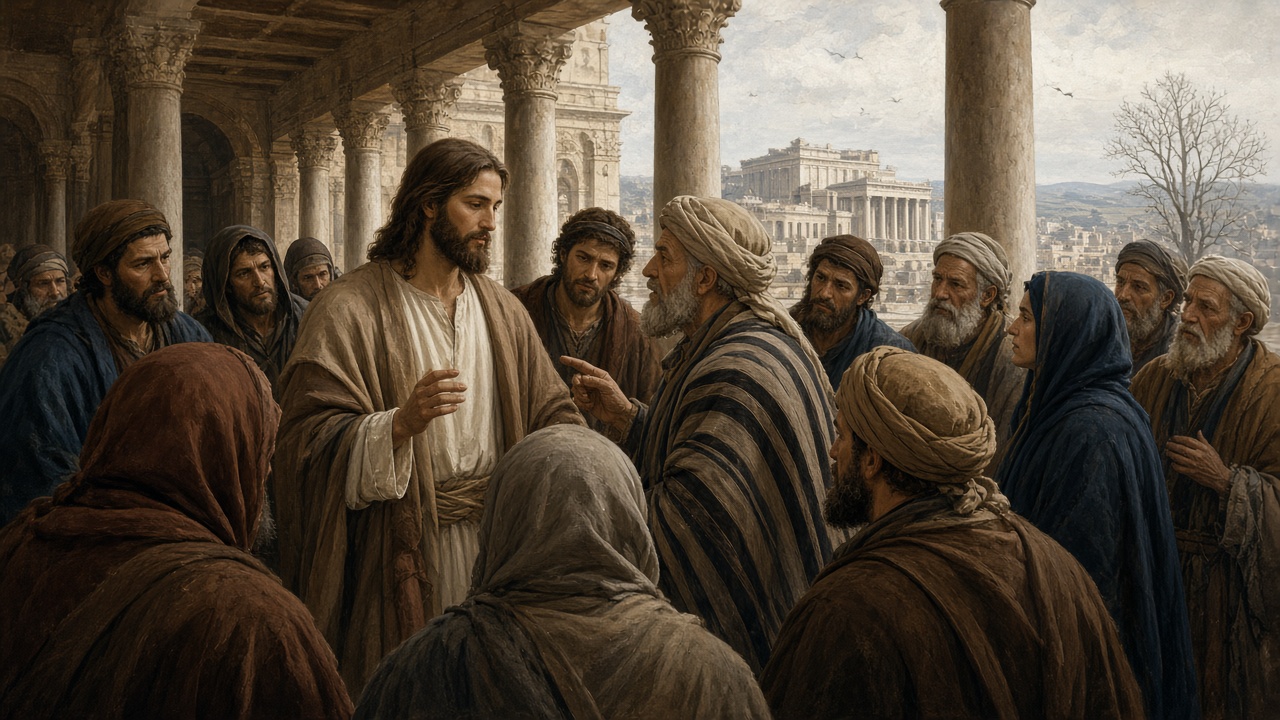
- During the Feast of Dedication in Jerusalem it was winter, and Jesus was walking in the temple courts in Solomon's Colonnade. The name Jerusalem, in a dual form, means "possession of peace" or "foundation of peace"; that form probably refers to the mountains of Zion and Moriah, or, as some suppose, to the upper and lower city. Solomon's Hebrew name, Shelomoh, means "peaceful."Sources: the Bible text itself · Jerusalem · Solomon
- A chronology of Gospel events dates the Good Shepherd teaching to AD 29, and dates a time of teaching and healing from Perea to Jerusalem to AD 30.Sources: The Good Shepherd Teaching · Teaching and Healing in Perea to Jerusalem
- Jesus then went back across the Jordan to the place where John had first been baptizing, and many people there believed in him. John was of priestly descent: his father, Zacharias, was a priest of the course of Abia, and his mother, Elisabeth, was of the daughters of Aaron. His birth, six months before that of Jesus, was foretold by an angel; those who came said that John never performed a sign, yet everything he had said about Jesus was true.Sources: the Bible text itself · John the Baptist
Notes written with AI assistance from open sources (Theographic Bible Metadata, CC BY-SA 4.0; Easton’s Bible Dictionary, public domain) and reviewed before publishing.
Places in this chapter
- Jerusalem · 31.777, 35.234 · verse 22
- Solomon’s Portico · Today: in Jerusalem · 31.777, 35.234 · verse 23
- Jordan · Today: Jordan River · 31.761, 35.558 · verse 40
Only places identified with high confidence are shown (90% or more according to the scholarly sources compiled by OpenBible). Period map: DARE (Digital Atlas of the Roman Empire), CC BY 4.0; modern map: © OpenStreetMap contributors; places: OpenBible.info (CC BY 4.0).
Credits and license for this translation
Píívyéébé ihjyu: jetsocríjyodítyú cáátúnuháámɨ
New Testament in Bora (PE:boa:Bora)
copyright © 2008 Wycliffe Bible Translators, Inc.
Language: Bora
Translation by: Wycliffe Bible Translators, Inc.
Boara [boa], Peru
Copyright Information
© 2008, Wycliffe Bible Translators, Inc. All rights reserved.
This translation text is made available to you under the
terms of the Creative Commons License: Attribution-Noncommercial-No Derivative Works.
( http://creativecommons.org/licenses/by-nc-nd/3.0/ )
In addition, you have permission to port the text to different file formats, as long as you
do not change any of the text or punctuation of the Bible.
You may share, copy, distribute, transmit, and extract portions
or quotations from this work, provided that you include the above copyright
information:
You must give Attribution to the work.
You do not sell this work for a profit.
You do not make any derivative works that change any of the actual words or punctuation of the Scriptures.
Permissions beyond the scope of this license may be
available if you contact
us with your request.
The New Testament
in Bora
© 2008, Wycliffe Bible Translators, Inc. All rights reserved.
This translation is made available to you under the terms of the
Creative Commons Attribution-Noncommercial-No Derivatives license 4.0.
You may share and redistribute this Bible translation or extracts from it in any format, provided that:
You include the above copyright and source information.
You do not sell this work for a profit.
You do not change any of the words or punctuation of the Scriptures.
Pictures included with Scriptures and other documents on this site are licensed just for use with those Scriptures and documents.
For other uses, please contact the respective copyright owners.
2014-04-22
Source: http://ebible.org/boaNT/ · eBible.org