Ephesians 6
Píívyéébé ihjyu: jetsocríjyodítyú cáátúnuháámɨ · Tap a verse to see its cross-references.
1Áhdure tsɨɨme múu lleebó cáánímuke. Ehdu Píívyéébeéjté meíjcyane ímílleébe. 2Muurá dííbyé taúhbaju nééhií: “Ámúháj caanímuke mewájyúne máavyéjuulle cáámene ííñújɨ́ hallúrí ámuha meíjcyaki.” Ehdu muurá ítyaúhbaju néhdu íjcyámeke pɨ́ááboóbe.
4Áánéllii cáánimu tsá múu uhbádúré úwáábotú ɨ́ɨ́tsɨ́ɨ́meke. Muurá tehdu nééné uwáábó diityéké ímítyúnejcúvúré ɨ́jtsámeíchóiyáhi. Áánéllii múu ímíñeúvú choocóré úwaabó diityéké Píívyéébé icyánéjcú dííbyeke ditye icyáhcújtsoki.
5Áhdure idyé tsíjtyé hójtsɨ́ pañe íjcyame múu diityéké iávyejúúlléne ditye táuhbáné meenú Críjtoke ɨɨ́ɨ́cúvéiyódu. 6Tsá múu íavyéjujte ɨ́ɨ́técoocáré ímí wákímyeítyú ditye ámúhakye ímí ɨɨ́jtsúcunúrokíye. Múu ditye ámúhama íjcyátúrónáa tsaímíyé wákímyeí ɨ́mɨááné Críjtó ɨɨcúve múnaa ámuha meíjcyaki. Ehdu meíjcyane imílleebe Píívyéébeé. 7Áánéllii múu ɨ́mɨááméré meenú íwákimyéí Máavyéjuube Jetsocríjtoke ɨɨ́ɨ́cuvénéjuco. 8Muurá tsaaté hójtsɨ́ pañe íjcyámema tehdu íjcyátúrómeke tsahdúré áhdóiibye muhdú ditye íjcyadújuco.
9Áánéllii múu íavyéjujte íicyánéjcutu ímíñeúvú picyóó ɨ́cúbáhratúméré íúníu múnáake. Cáhawáá méɨjtsúcunuj, muurá pámé Avyéjuube Píívyéébe níjkyéjɨri íjcyaabe tsá tsaatéké éhnííñevu ímí ɨ́jtsúcunútúne. Muurá tsahdúré meke wájyuube pámeekére.
Ímítyunéhjɨ́ metáhjane
10Ámuúha táñahbémuj, ícyooca ihdyu méɨ́tsutúúvé Máavyéjuube Jetsocríjtoj tééveri dííbyé ɨhnáhoóri. 11Aame Píívyéébe ámúhakye tújkévejtsódú ímíñeúvú météhmeméí Naavéné ámúhakye mújtátsóiyóné ámuha metáhjaki. 12Tsá muurá mɨ́amúnáama memúnáátsócatsíhíjcyatúne. Muurá ihdyu mémúnáátsócatsíhijcyá diibye Naavéne ájkímú íjpííma íjcyátúné mɨ́amúnaa ímityúmé íjcyame Píívyéébeke wáájácútúméke iímillédú dárɨ́ɨ́vehíjcyámema. 13Áánéllii ámúhakye o néé muhdú Píívyéébe ámúhakye túkévejtsódú ímíñeúvú ámuha meíjcya tehdɨ́ɨ́vanéhjɨ́ ámuha maáábúcúne ɨ́htsutúmé meíjcyaki.
14Ahdícyane imíchi meíjcyáne ɨ́mɨáájú ímíñeúvú ámúhá pañévú mepícyó éhne múúne cóhpene ócájɨmɨ́ɨ́hé méhdityu chíúcunúdu. Ááne ɨ́mɨááméré meíjcyá ímítyunévú ámuha metáhjátsámeítyu éhne múúne méénujcátsi múnaa ityáhjátsámeítyu túémɨɨhóvú pícyámeídyu. 15Ímíñeúvú meíjcyátsííívyéne méúwáábohíjcyá tsaímíyé meíjcyáné uwááboju éhne múúne tsodáhó íjtyúhápaajɨ́nevu iújcámeíñe íjcyátsíiivyédu. 16Aame ímíñeúvú mécahcújtsó ámúhá watájcódú nééne téénej tééveri ámúhakye Naavéné mújtátsóiyóné ámuha metáhjaki. 17Aane íñe tsúúca pajtyété mééma íjcyane tsáma méɨ́hvéjtsodí éhne múúne tsodáhoke íwatájcojɨ pɨ́aabódú nééne ímítyúnéhjɨtu meke téhmehíjcyáne. Áhdure Píívyéébé ihjyu ménɨɨtsúwádú nééne Íapííchoj tééveri mééma íjcyane ímíñeúvú meújcú ámúhá pañévu. 18Aane ámúhá pañe íjcyánej tééveri óóchevélletúmé dííbyema paíjyuváré méihjyúvahíjcya. Métáuméí dííbyeke pɨáábó ímí ámuha meíjcyaki. Áhdure métáuméí pahúlleváré dííbyeéjté íjcyámé hallúvú dibye diityéké ɨpɨ́ááboki. 19Téhdure táhallúvú métáuméí dibye oke ityúkévétso muhdú mepájtyeténé úwáábojúvú pamévakéré o wáájácútsoki. 20Muuráhjáa tééné wákimyéivu oke Píívyéébe pícyoobe íñe tééné déjúcotu ícyooca oo cúvéhóójari. Árónáa ihdyu táhallúvú métáuméí pɨáábó núhnévétuubéré o úwáábohíjcya ímíñeúvú muhdú tene néhdújuco.
Páávoro pítyajcóne
21Aane cáhawáá ihdyu óvíi ménahbe Tííkico tééné wákimyéityu oke pɨ́áábohíjcyaabe ímíñeúvú ámúhakye táuubállé meenúhi. Diibye waajácú páneere muhdú o íjcyaabe ɨɨná o méénuhíjcyáne. 22Áánéllii dííbyeke ámúha éllevu ó wallóó dibye ámúhakye iúúbálle muhdú muhtsi meícyahíjcyáné ámuha mewáájácúne metsájpɨnúki.
23Ahdícyane óvíi Méécááni Píívyéébe Máavyéjuube Jetsocríjtoma ámúhakye pɨ́aabó ímí ámuha dííbyeke mecáhcujtsómé mewájyújcatsíñe ɨ́búwajɨ́ɨ́ meíjcya ɨ́ɨ́nerí ɨ́jtsámeíjyúcootúme. 24Áámeke ihdyu óvíi ámúhakye pɨ́áábohíjcyaabe múhdumé ɨ́mɨááné ámuha Máavyéjuube Jetsocríjtoke mewájyúmeke. Áyu tehdújuco.
Did you know?
Household duties, God's armor, and Tychicus
- This chapter presents the command to honor one's father and mother as the first commandment with a promise: that it may go well with you and that you may have a long life on the earth. It also tells fathers not to provoke their children to wrath, but to bring them up in the discipline and instruction of the Lord.Sources: the Bible text itself
- The chapter says the struggle is not against flesh and blood, but against rulers, authorities, the powers of this world's darkness, and spiritual forces of evil in the heavenly realms. Readers are urged to take up the full armor of God—a belt of truth, a breastplate of righteousness, feet fitted with the readiness of the gospel of peace, a shield of faith, a helmet of salvation, and the sword of the Spirit, which is the word of God—so they can stand when the day of evil comes.Sources: the Bible text itself
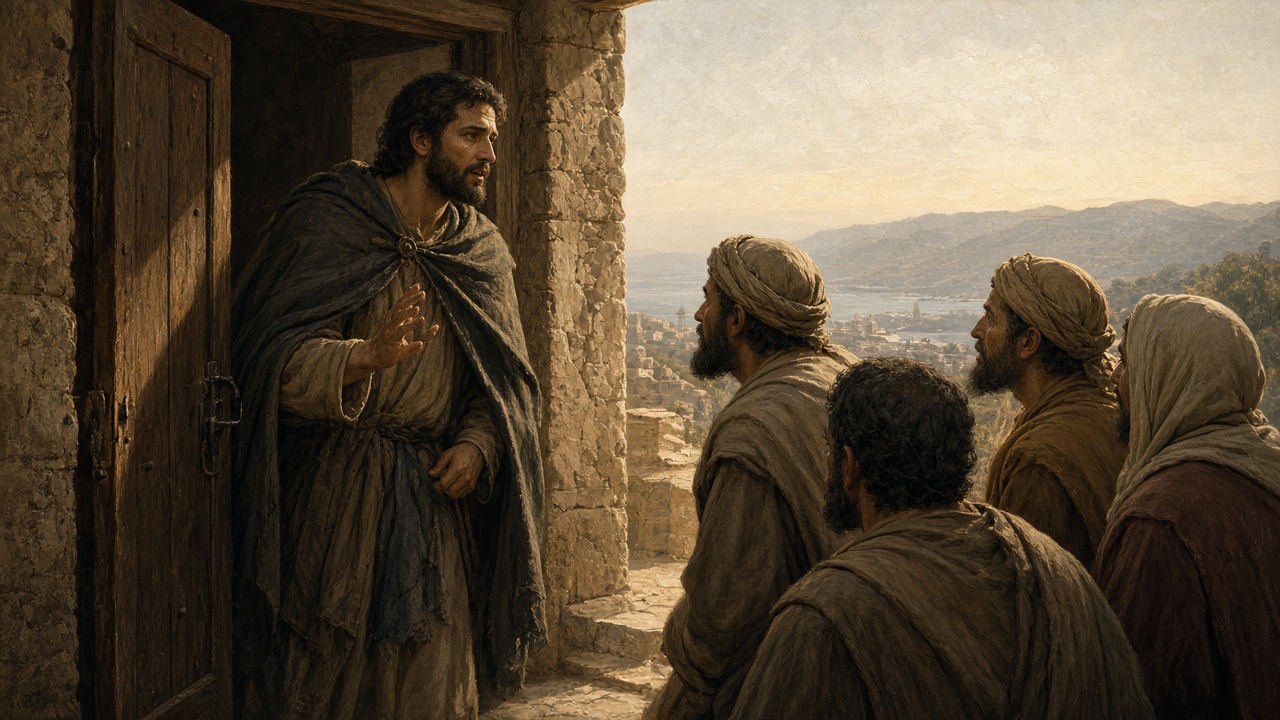
- The writer asks for prayer to proclaim the gospel fearlessly as an ambassador in chains, and sends Tychicus, the beloved brother and faithful servant in the Lord, to tell the readers how he is and to encourage them. Tychicus is described as an Asiatic Christian who, with Trophimus, accompanied Paul on part of the journey from Macedonia to Jerusalem and was with Paul at Rome, from where he was sent to Ephesus, probably to build up and encourage the church.Sources: the Bible text itself · Tychicus
Notes written with AI assistance from open sources (Theographic Bible Metadata, CC BY-SA 4.0; Easton’s Bible Dictionary, public domain) and reviewed before publishing.
Credits and license for this translation
Píívyéébé ihjyu: jetsocríjyodítyú cáátúnuháámɨ
New Testament in Bora (PE:boa:Bora)
copyright © 2008 Wycliffe Bible Translators, Inc.
Language: Bora
Translation by: Wycliffe Bible Translators, Inc.
Boara [boa], Peru
Copyright Information
© 2008, Wycliffe Bible Translators, Inc. All rights reserved.
This translation text is made available to you under the
terms of the Creative Commons License: Attribution-Noncommercial-No Derivative Works.
( http://creativecommons.org/licenses/by-nc-nd/3.0/ )
In addition, you have permission to port the text to different file formats, as long as you
do not change any of the text or punctuation of the Bible.
You may share, copy, distribute, transmit, and extract portions
or quotations from this work, provided that you include the above copyright
information:
You must give Attribution to the work.
You do not sell this work for a profit.
You do not make any derivative works that change any of the actual words or punctuation of the Scriptures.
Permissions beyond the scope of this license may be
available if you contact
us with your request.
The New Testament
in Bora
© 2008, Wycliffe Bible Translators, Inc. All rights reserved.
This translation is made available to you under the terms of the
Creative Commons Attribution-Noncommercial-No Derivatives license 4.0.
You may share and redistribute this Bible translation or extracts from it in any format, provided that:
You include the above copyright and source information.
You do not sell this work for a profit.
You do not change any of the words or punctuation of the Scriptures.
Pictures included with Scriptures and other documents on this site are licensed just for use with those Scriptures and documents.
For other uses, please contact the respective copyright owners.
2014-04-22
Source: http://ebible.org/boaNT/ · eBible.org