Ephesians 5
Píívyéébé ihjyu: jetsocríjyodítyú cáátúnuháámɨ · Tap a verse to see its cross-references.
Píívyéébeéjté meíjcyáiyóne
1Muurá ámuha ɨ́mɨááné tsúúca Píívyéébej tsɨ́ɨ́mé meíjcyámeke wájyuúbe. Áánéllii métsúúraméí dííbyedi dibye íjcyadu ámuha meíjcyaki. 2Ááne méwájyujcátsí muhdú Críjto meke wájyudu. Muuráhjáa meke iwájyúnéllii meke ipájtyetétso ɨ́hvéjtsámeííbyeke dsɨ́jɨ́vetsómé éhne múu obééjake dsɨ́jɨ́vetsódu. Ááneríi Píívyéébe mítyane ímíjyuuvéhi.
3Ahdícyane tsúúca dííbyeéjté ámuha meíjcyame tsáhájuco múu ɨ́jtsámeítyú ihdícyámema idyómácójcatsííyóneri. Óvíjyacóóné panéváré ímityúné ámuha meméénune. 4Áhdure tsá múu átéréenéhjɨ́ úbálléjcatsítyúne. Múu Píívyéébeke ityéhdújtsóneríyé ihjyúváhi. 5Muurá ihdícyáméhjɨma dómácócatsíhijcyámé tsá Píívyéébé avyéjúejte íjcyatúne. Áhdure tsíñéhjɨ́ imítyuháñé méénuhíjcyámema panéváré ímítyúneri úmúúpívyehíjcyámé tsá dííbyé avyéjúejte íjcyatúne. Aane muurá tsúúca ámuha méwaajácúhi. Ténéhjɨríyé muurá íjcyame tsá dííbyeke icyááníváíyóne éllevu íjcyatúne. 6Ahdícyane máállítsámeídí múhdurá ícyahíjcyámé átéréenéhjɨ́ úwáábohíjcyámedívu. Muurá ehdu ditye ícyahíjcyáné hallútu Píívyéébe ɨ́cúbáhraá ávyétá ɨhnáhó diityédí dííbyeke ditye lléébohíjcyátúné hallútu. 7Áánéllii tsá múu tehdu néémema náhbévatúne.
8Muuráhjáa ɨ́hde ámuha tehdu ímítyúné pañe méícyahíjcyá ɨ́mɨáájú ámuha mewáájácútúnélliíhye. Árónáa ícyooca tsúúca ámuha méwaajácújucóó Ávyéjuube Críjtoéjté ámuha meíjcyame. Aame ihdyu óvíi ámuha méijcyá ɨ́mɨáámeréjuco. 9Muurá téjɨjto mewáájacúmé ɨ́mɨáámeréjuco meíjcyame tsíjtyeke mépɨ́aabóhi. 10Áánéllii ihdyu métsúúraméí Máavyéjuube Críjtoke ámuha meímíjyújtsóíyóneri. 11Aame ihdyu tsá múu náhbénutú ɨ́mɨáájú wáájácutúmé ímityúné méénuhíjcyáne. Íllure múu úwaabó keená ɨ́mɨáájú íjcyane ditye iwáájácuki. 12Ehdu muurá teevétari wáájácúratúné ditye méénuhíjcyáneri meíhjyúváiyóné nucójpɨtsóhi. 13Aane muurá íñe Jetsocríjtó uwááboju diityédívú bóhówajtsó páneere ímityúné ditye méénuhíjcyáne. 14Muurá Píívyéébé waajácúháámɨtu nééneé:
Muhdú éhne múu dsɨ́jɨvémé íjcyadu wáájácúmeítyuube u íjcyaabe cána wájácúúvéne ímíñeúvú dɨ́jtsaméí Críjto uke iwáájácútso ɨ́mɨájɨjtóvu.
Ehdu nééne Píívyéébé waajácúháámɨtu.
15Aane cána metéɨ́búwáávéne ímíñeúvú méɨ́jtsaméí muhdú ámuha meícyahíjcyáneri. Tsá múu ɨ́mɨánéjcú wáájácutúmé ícyahíjcyádú íjcyatúne. Múu ímíñeúvú ijcyá tsúúca ɨ́mɨánéjcú ámuha mewáájacúme. 16Muurá ɨhnáhóóné Píívyéébeke meúraavyéné panéváré múhdurá néénélliíhye. Áróné pañe múu tsúúrámeíhijcyá ténejcúríye. 17Tsá múu ávyeta pevé ɨ́ɨ́buwáré íjcyatú wáájácúmeítyúme. Múu tsúúrámeí muhdú meíjcyáiyóné Píívyéébe ímílléneri tehdu ámuha meíjcyaki. 18Tsá múu llíyíícyávetúne. Muurá tehdu meíjcyáhajchíí ílluréjuco metútávááveíñe. Áánéllii ámúhá pañévú dííbyé Apííchó meújcú ámúhakye tene ityúkévéjtsoki. 19Ááne múu ámúhá ɨ́buúúnetu íjchívyéne májtsiyi dííbyeke dúúrúvaméré ihjyúvájcatsí ténejcúri. 20Áhdure idyé múu dííbyeke paíjyuváré téhdútsohíjcyá panévá hallúvú Máavyéjuube Jetsocríjto mémeri.
Métáábama mewájyújcatsíñe
21Múu Píívyéébeke ámuha maávyejúúllédú panéjcuvávú avyéjúúlléjcatsíhi.
22Ahdícyane óvíi ámúhá taabámú ámuha ájyúmuke avyéjuullé Máavyéjuube Jetsocríjtoke iávyejúúllédu. 23Muurá ájyu méwá túkevéjtsoobe Mépájtyetétsoobe Críjto ihñéjté meíjcyámé túkevéjtsoobe íjcyadu. 24Áábeke ihñéjté meíjcyame maávyéjúúlléne mecáhcujtsódú óvíi walléémú téhdure ájyúmuke iávyejúúlléne cáhcujtsóhi.
25Áhdure idyé wajpíímú íicyánéjcutu múu méwámyuke iávyejúúlléne wajyú Críjtóo meke ihñéjteke mítyane iwájyúnéllii wájyúmeítyuubéré dsɨ́jɨvédu. 26Muuráhjáa dsɨ́jɨ́veebe mewájyuri dííbyé uwááboju mecáhcújtsónej tééveri meke iímíbájchoki. 27Aame tsúúca méímíbaavyé ɨ́ɨ́né imítyú méhdi íjcyájúcootúmé ɨ́mɨááméré dííbyema meíjcyaki. 28Ahdícyane múu ímíñeúvú wajyú méwakye muhdú ámuha mewájyúmeídyu. Muurá ímí meíjcyane meímílleebe métáábake méwajyúhi. 29Tsá muurá méjpi meere meɨ́cúbáhráítyuróne. Muurá mewájyúmeíñéllii ímí météhmémeí panévatúré muhdú Críjto ihñéjté meíjcyámeke téhmehíjcyádu. 31Muurá Píívyéébé waajácúháámɨtu nééne wajpi cáánímútsidítyú ɨɨ́ɨ́néne ityáábávállema tsahéécoréjuco íjcyaíñe. 32Ehdu ámúhakye o nééné pañe ijcyáné muhdú Críjto ihñéjtema íjcyáné uwááboju. 33Ahdícyane tsiiñe ámúhakye o néé ámúhá taabámuke ámuha mewájyu muhdú ámuha mewájyúmeídyu. Áhdure idyé diitye ámúhá taabámú óvíi íicyánéjcutu ámúhakye iávyejúúlléne wajyúhi.
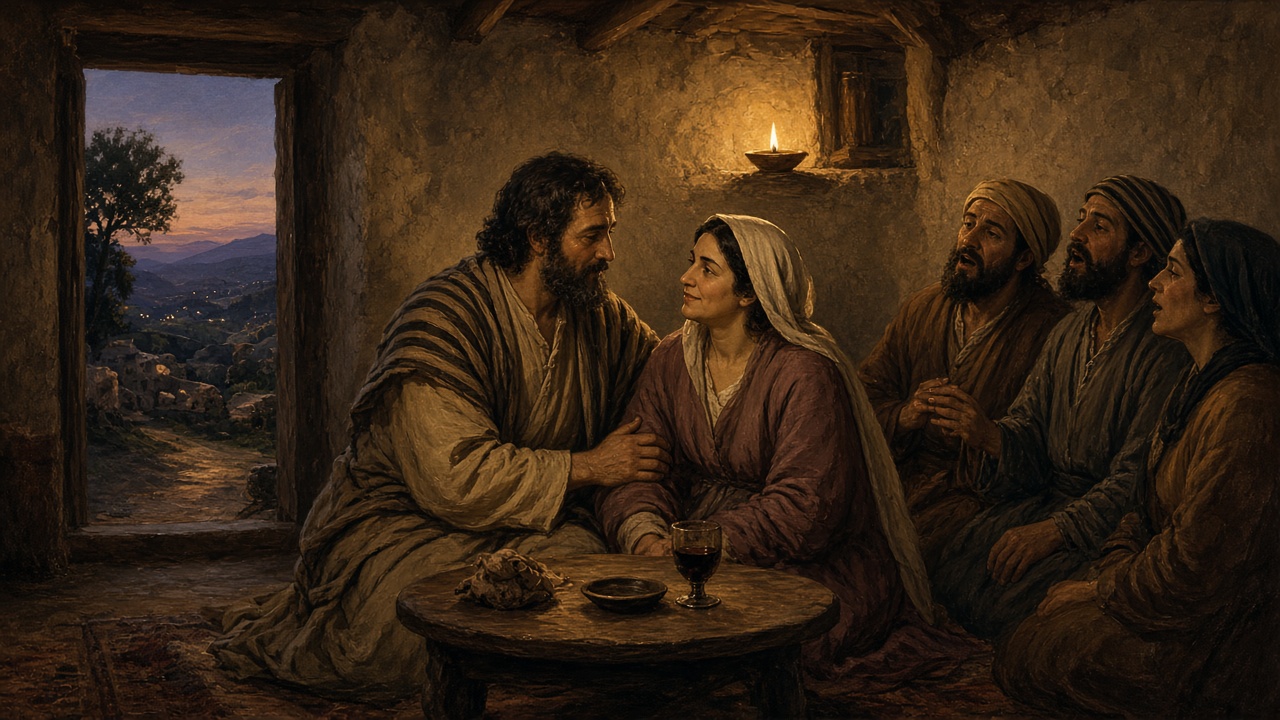
Did you know?
Love, light, and the household
- Ephesians 5 opens by calling readers to imitate God as beloved children and to walk in love, just as Christ loved them and gave himself up for them as a fragrant sacrificial offering to God.Sources: the Bible text itself
- The chapter says its readers were once darkness but are now light in the Lord, and that the fruit of the light is all goodness, righteousness, and truth. It also cites a saying that calls the sleeper to wake and rise from the dead, promising that Christ will shine on that person.Sources: the Bible text itself
- A call to submit to one another out of reverence for Christ introduces the instructions for wives and husbands. Husbands are told to love their wives as Christ loved the church and gave himself up for her, and the chapter calls the union of husband and wife a profound mystery concerning Christ and the church.Sources: the Bible text itself
Notes written with AI assistance from open sources (Theographic Bible Metadata, CC BY-SA 4.0; Easton’s Bible Dictionary, public domain) and reviewed before publishing.
Credits and license for this translation
Píívyéébé ihjyu: jetsocríjyodítyú cáátúnuháámɨ
New Testament in Bora (PE:boa:Bora)
copyright © 2008 Wycliffe Bible Translators, Inc.
Language: Bora
Translation by: Wycliffe Bible Translators, Inc.
Boara [boa], Peru
Copyright Information
© 2008, Wycliffe Bible Translators, Inc. All rights reserved.
This translation text is made available to you under the
terms of the Creative Commons License: Attribution-Noncommercial-No Derivative Works.
( http://creativecommons.org/licenses/by-nc-nd/3.0/ )
In addition, you have permission to port the text to different file formats, as long as you
do not change any of the text or punctuation of the Bible.
You may share, copy, distribute, transmit, and extract portions
or quotations from this work, provided that you include the above copyright
information:
You must give Attribution to the work.
You do not sell this work for a profit.
You do not make any derivative works that change any of the actual words or punctuation of the Scriptures.
Permissions beyond the scope of this license may be
available if you contact
us with your request.
The New Testament
in Bora
© 2008, Wycliffe Bible Translators, Inc. All rights reserved.
This translation is made available to you under the terms of the
Creative Commons Attribution-Noncommercial-No Derivatives license 4.0.
You may share and redistribute this Bible translation or extracts from it in any format, provided that:
You include the above copyright and source information.
You do not sell this work for a profit.
You do not change any of the words or punctuation of the Scriptures.
Pictures included with Scriptures and other documents on this site are licensed just for use with those Scriptures and documents.
For other uses, please contact the respective copyright owners.
2014-04-22
Source: http://ebible.org/boaNT/ · eBible.org