Colossians 3
Píívyéébé ihjyu: jetsocríjyodítyú cáátúnuháámɨ · Tap a verse to see its cross-references.
1Ahdícyane Críjtóo dsɨ́jɨ́veebe tsiiñe bóhɨ́ɨ́nej tééveri ímityúmé ámuha meícyahíjcyánetu tsúúca meíjchivyémé métsúúraméí níjkyéjɨ́ene íjcyáneri dííbyeke ámuha meɨ́ɨ́cuvémé dííbyema Cáání úniúvú maávyéjuutéki. 2Áánéllii tééneríyé métsúúraméi. Óvíjyacóóné ííñújɨ́ene. 3Tsúúca muurá ámuha Críjtoke mecáhcujtsómé Píívyéébeéjtéréjuco meíjcyame ténejcúrí meɨ́ɨ́cuvéjúcóótúnéllii ámuha ténejcútú méijcyá dsɨ́jɨ́vemédu. 4Aabe muurá tsiiñe tsáácooca dííbyema tsaímíyé méíjcyaá íavyéjuri.
Tsihdyúréjuco meíjcyane
5Ahdícyane ílluréjuco méɨhvéjtsó páneere ímityúné ámuha meméénuhíjcyáne. Óvíjyacóóné ihdícyáméhjɨma ámuha medómácócatsíhijcyáne. Áhdure tsíñehjɨ ámúhakye tútávájtsóíyóneri ámuha meúmúúpívyehíjcyanéhjɨ́ ílluréjuco méɨhvéjtso. Áhdure mítyane ámuha meéhnéváíyóneri meɨ́tsámeíhijcyáné méɨhvéjtso. Muurá níjcyotájteke medúúruváné ímityúné íjcyáné tujkévéenéré teéne. 6Ehdu nénehjɨ lléébotúmé méénuhíjcyámedi ɨhnáhooíñé Píívyéébe ɨ́cúbahráne. 7Tehdúu muurá nénehjɨ téhdure ámuha méméénuhíjcyáhi. 8Árone ílluréjuco méɨhvéjtsó ámuha mecááyóbahíjcyáne, ímityúné ámuha medárɨ́ɨ́vécatsíhijcyáne, néhní ámuha menéáyócatsíhijcyáne, núcójpɨ́tsó nénehjɨ ámuha meíhjyúvahíjcyáne. Énehjɨ panéváré ílluréjuco méɨhvéjtso. 9Ténéhjɨtu tsúúca ámuha tsíñejcúriyéjuco meíjcyame tsáhájuco múu álliúúnújcatsítyúne. 10Métsúúraméí éhnííñevu ámuha meímíjpyetéíyóneri ímíñeúvú ámuha Píívyéébeke mewáájácu dííbyedu ɨ́mɨáámeréjuco ámuha meíjcyaki. Muurá ɨ́mɨááné tsúúca ámuha tsíhdyuréjuco. 11Tsá dííbyeéjté meíjcyatú jodíómú meíjcyánélliíhye. Muurá ihdyu paméváré dííbyeéjté ijcyá jodíómú íjcyáturómé kíhdyahɨ́rótsámeítyuróme, tsííñé iñújɨ́ɨ́ne múnaa íjcyaróme, ɨ́ɨ́néubárá wáájácúturóme, tsaaté úníu múnaa íjcyaróme, tsaatéúbámáyé wákímyeítyuróme. Muurá pámeere Críjtoke mecáhcujtsómé tsahdúré dííbyeéjté méijcyáhi.
12Muuráhjáa Píívyéébere ámúhakye ujcú mítyane ámúhakye iwájyúnéllii dííbyeéjté ámuha meíjcyaki. Aame múu ɨ́mɨánejcúvú ɨ́ɨ́jtsaméí icyápáyóóvéne wajyújcatsíhi, pɨ́áábójcatsíhi, ɨdáátsóméhjɨúvú ijcyáhi, ɨ́mɨááméré pamévamáyé ijcyáhi, ámuha meɨ́cúbáhrámeíyonéhjɨ́ aabúcúhi. 13Ááne múu tsáijyu múhdurá ámúhama pájtyéronéhjɨ́ ímíbáchójcatsí ɨɨ́daatsólléjcatsíñe Críjtóo méhdi ɨɨ́dáátsóvéne meke ímíbajchódu. 14Áhdure múu éhnííñevu wajyújcatsí tsaímíyé ámuha meíjcya ɨ́ɨ́nevú táhjátsámeítyúme. 15Áámeke ihdyu óvíi ámúhakye Píívyééberéjuco túkévejtsóne. Muurá ímílleebe Críjtoj tééveri ámúhakye ɨpɨ́aabóné ímí tsame meíjcyaki.
16Ááné hallúvú múu dííbyeke ityéhdújtsóne ímíjyuuri duurúvahíjcyá ámúhá ɨ́buúúnetu íjchívyéne májtsiyi. Aame ihdyu wajácúnejcútsi meíjcyáne méúwáábohíjcyá Críjtó uwááboju ámúhá pañe íjcyane tsápɨ́tsójcatsímyére. 17Panéváré múu ɨɨná imyéénunee, iíhjyuvánee, íjcyane méénuhíjcyá muhdú ɨ́mɨááné Ávyéjuube Jetsóoéjté meíjcyame meméénúiyódú tééné hallúvú Méécááni Píívyéébeke dííbyej tééveri téhdújtsomére.
Muhdú cahcújtso múnaa íjcyane
18Ámuúha walléémuj, tsúúca Ávyéjuube Críjtó uráávye múnaa ámuha meíjcyame múu avyéjuullé ámúhá tajɨ́muke. 19Áhdure idyé ámuha wajpíímú múu wajyú ámúhá taabámuke. Tsá múu ímityúné dárɨ́ɨ́véjcatsítyúne.
20Áhdure tsɨɨme mécahcújtsó ámúháj caanímuke. Ehdu muurá ámuha meíjcyane Píívyéébe imílléhi. 21Áhdure ámuha cáánimu tsá múu ámúháj tsɨ́ɨ́meke úmécójtsotú ditye ityútáváávétuki.
22Téhdure idyé tsáné avyéjújtémá wákímyeímyé múu cáhcujtsó diityéke. Tsá múu ditye ɨɨ́ɨ́térokíyé tsaímíyé wákímyeítyúne. Múu Píívyéébeke iávyejúúlléne tsaímíyé wákímyeíhi. 23Áhdure panéváré ɨɨná ámúhá wákimyéí íjcyane múu meenú ímíñeúvú óvéheetúmé dííbyeke ámuha meɨ́ɨ́cuvénéjuco. 24Muurá tsúúca ámuha méwaajácú Máavyéjuube Jetsocríjtoke meɨ́ɨ́cúvéne áhdó dibye meke újcuíñé íavyéjuvu tsaímiyéjuco dííbyema meíjcyaki. 25Áánetu ímityúné íjcyámeke téhdure ájcúiibye tééne áhdovu. Muurá Píívyéébe meke pámeekéré tsahdúré wájyúroobe áhdoó muhdú meícyahíjcyádújuco.
Did you know?
New life in one body and at home
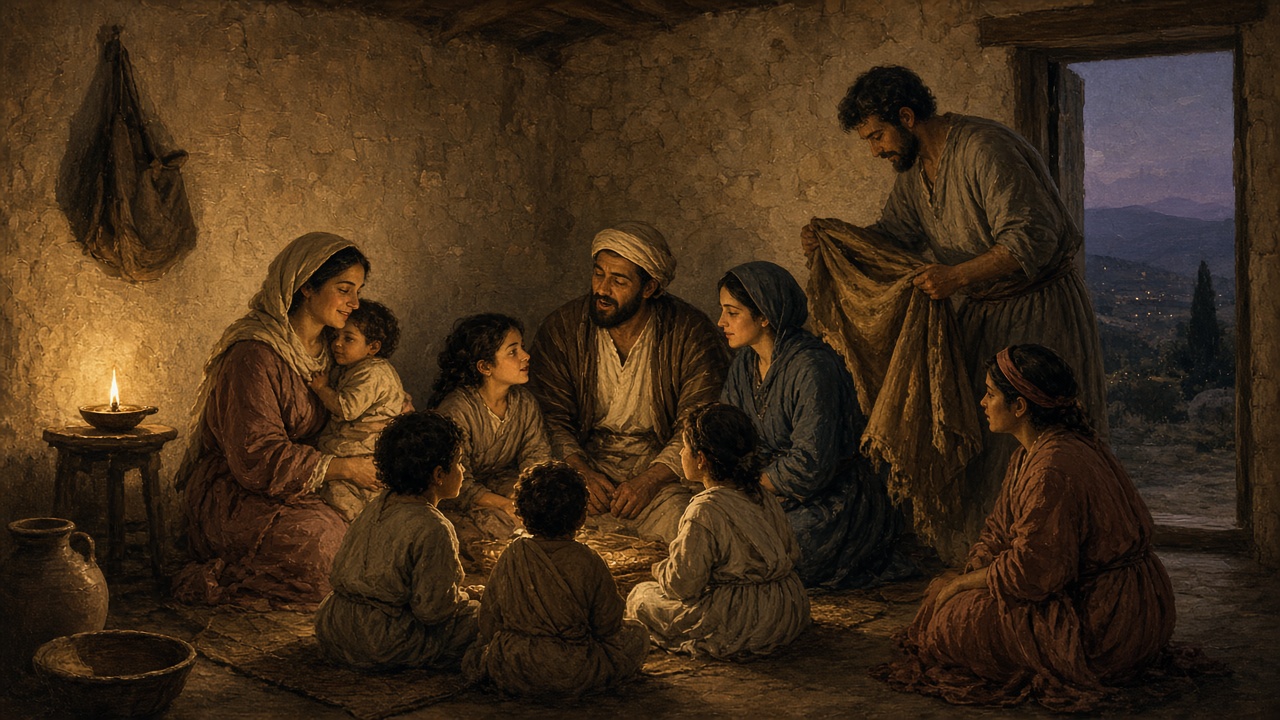
- This chapter pictures a changed life as a change of clothing. Readers are said to have taken off the old self with its practices and put on the new self, which is being renewed in knowledge in the image of its Creator. They are then told to clothe themselves with hearts of compassion, kindness, humility, gentleness, and patience, and to put on love over all these virtues as the bond of perfect unity.Sources: the Bible text itself
- The chapter lists Greek and Jew, circumcised and uncircumcised, barbarian, Scythian, slave and free, and declares that here none of these distinctions remains, because Christ is all and is in all.Sources: the Bible text itself
- The chapter then gives instructions for household relationships: wives and husbands, children and parents, and slaves and their earthly masters. Fathers are warned not to provoke their children, so that the children will not become discouraged. Slaves are told to obey with sincerity of heart, not only while they are being watched, and to work with their whole being for the Lord rather than for men, with the promise of an inheritance from the Lord as a reward; whoever does wrong will be repaid, and there is no favoritism.Sources: the Bible text itself
Notes written with AI assistance from open sources (Theographic Bible Metadata, CC BY-SA 4.0; Easton’s Bible Dictionary, public domain) and reviewed before publishing.
Credits and license for this translation
Píívyéébé ihjyu: jetsocríjyodítyú cáátúnuháámɨ
New Testament in Bora (PE:boa:Bora)
copyright © 2008 Wycliffe Bible Translators, Inc.
Language: Bora
Translation by: Wycliffe Bible Translators, Inc.
Boara [boa], Peru
Copyright Information
© 2008, Wycliffe Bible Translators, Inc. All rights reserved.
This translation text is made available to you under the
terms of the Creative Commons License: Attribution-Noncommercial-No Derivative Works.
( http://creativecommons.org/licenses/by-nc-nd/3.0/ )
In addition, you have permission to port the text to different file formats, as long as you
do not change any of the text or punctuation of the Bible.
You may share, copy, distribute, transmit, and extract portions
or quotations from this work, provided that you include the above copyright
information:
You must give Attribution to the work.
You do not sell this work for a profit.
You do not make any derivative works that change any of the actual words or punctuation of the Scriptures.
Permissions beyond the scope of this license may be
available if you contact
us with your request.
The New Testament
in Bora
© 2008, Wycliffe Bible Translators, Inc. All rights reserved.
This translation is made available to you under the terms of the
Creative Commons Attribution-Noncommercial-No Derivatives license 4.0.
You may share and redistribute this Bible translation or extracts from it in any format, provided that:
You include the above copyright and source information.
You do not sell this work for a profit.
You do not change any of the words or punctuation of the Scriptures.
Pictures included with Scriptures and other documents on this site are licensed just for use with those Scriptures and documents.
For other uses, please contact the respective copyright owners.
2014-04-22
Source: http://ebible.org/boaNT/ · eBible.org