Colossians 2
Píívyéébé ihjyu: jetsocríjyodítyú cáátúnuháámɨ · Tap a verse to see its cross-references.
1Aane ó imíllé ámuha Raoditséá cóómi múnaa tsijtye oke wáájácútúrómema mewáájacúné ávyétá ɨhnáhó ámúhá hallúvú pɨ́áábó o táúmeíhijcyáné Píívyéébeke ímíñeúvú ámuha Críjtoke meúráávyeki. 2Aabe ó imíllé ámuha tsaímíyé mewájyújcatsíñe ímíñeúvú mewáájacúné muhdúhjáa Píívyéébe mééma Críjtoj tééveri wáájácúratúné méénuhíjcyáne. 3Dííbyedi ihdyu páneere ɨ́mɨá tujkéveju ijcyáhi. 4Ehdu íñe ámúhakye ó téɨ́búwátsohíjcyá tsaate ámúhakye iállíñeri imújtátsótuki. 5Muurá tsá ámúhama elle o íjcyáturóne. Árónáa ámúhama ó ijcyá táɨ́jtsaméiyi. Áánéllii ó imíjyúú ímí ámuha Críjtoke mecáhcujtsómé tsaímíyé meíjcyáneri.
6Aame muhdúhjáa ámuha tujkénú dííbyeke mecáhcújtsóijyu meíjcyadu tsahdúré ímíñeúvú meíjcyá dííbyema. 7Ahdícyane ímíñeúvú mecáhcújtsóóbedívú meɨ́hvéjtsámeíñe paíjyuváré Píívyéébeke météhdútsohíjcyá muhdúhjáa ámúhakye o úwaabódu.
Críjtoke cáhcujtsómé tsíhdyuréjuco íjcyane
8Téɨɨbúwá tsáma méíjcyaco tsaate ɨ́ɨ́jtsaméityúré iújcúné uwáábori ámúhakye imújtátsótuki. Muurá mɨ́amúnáá ɨ́jtsaméityúré tsááne méénuhíjcyáme. Tsá Críjtodítyú tsááné ɨ́jtsaméiyi ditye úwáábohíjcyatúne.
9Muurá muhdú Píívyéébe íjcyane méwaajácú Críjto mɨ́amúnáájpidívúu ípívyéévéébej tééveri. 10Aabe muurá pámeere níjkyéjɨ múnaa naavémuu, íjcyámé éhnííñevu ɨ́htsútuúbe. Áánéllii dííbyema meíjcyámema téhdure íjcyaabe Píívyéébeé. 11Aabe tsúúca ámúhakye ijchívyetsó ímityúnetu Críjto ámúhama íjcyánélliíhye. Tsá idyé mekíhdyahɨ́rótsámeíñeri meímíbáávyetúne. Muurá ihdyu Críjtoj tééveríyé meke ímíbájchoóbe. 12Muuráhjáa metsójtsótsámeíñeri ménaavénú dsɨ́jɨ́véébekée ditye cúúune. Ááneríi méúújetsó ɨ́hdée múhdurá meícyahíjcyáné tsúúca meɨ́hvejtsóne. Aame ícyooca tsíhdyuréjuco mee Píívyéébée ɨ́ɨhnáhoori bóhɨ́ɨ́tsóóbeke mecáhcújtsónema. 13Muuráhjáa éíjyu ámuha éhne múu dsɨ́jɨ́vemédú méícyahíjcyá ámuha ímityúné meícyahíjcyáné meɨ́hvéjtsótúnélliíhye. Árónáa ícyooca tsúúca Píívyéébe ámúhakye ímíjpyetétsó téénetu Críjtoj tééveri ámúhadi ɨɨ́dáátsóvénema. 14Muuráhjáa dííbyé taúhbaju néhdu meíjcyátúné déjúcotu méhdi ɨ́cúbáhráíyoóbe. Áronáacáa mééma ímíbájchoobe Ílli Críjtoke ditye páwachékevu wátyétyéhcuube dsɨ́jɨ́vénej tééveri. Ehdúu mééma ímíbájchoobe mewágóóóvéíyónetu meke ipájtyetétsoki. 15Muuráhjáa páwachékevu ditye wátyétyéhcuube Críjto ɨdsɨ́jɨ́véneri tsúúca tahjá Naavéneke ihyájkímumájuco. Áánetu méwaajácú tsúúca ditye táhjátsámeíñe.
Níjkyéjɨ́éneri metsúúrámeíñe
16Ahdícyane méɨ́ɨ́cúvedí tsaate ámuha memáchohíjcyánéhjɨtu íhjyúváneri. Áhdure méɨ́ɨ́cúvedí eene béébe nuhba íjchívyécooca ditye wáñehjɨ́vatéhíjcyáneri ámuha meɨ́ɨ́cúvétúneri ditye ámúhadi íhjyúvahíjcyáneri. Áhdure méɨ́ɨ́cúvedí kéjcoojɨ́ Píívyéébeke idyúúrúvahíjcyáneri ditye íhjyúvahíjcyáneri. 17Éhduhjɨ́ikyée muurá meméénúneri Píívyéébeke méúráávyehíjcyáhi. Ááneríhjyáa ménaavénuhíjcyá Críjtoke dibye méhdivu bóhówáávétúné hajchóta. Árónáa ícyooca tsáhájuco tehdu meméénújúcootú tsúúca dibye mééma íjcyánélliíhye. 18Ahdícyane tsáma máállítsámeídí eene níjkyéjɨ múnáakévá ámuha medúúrúvátúhajchíí ámuha mewágóóóveíñé tsaate ɨ́mɨááneúvúdú úwáábohíjcyámedívu. Muurá iwáájácutúnéré bañúháñé méénuhíjcyámé naavéváa diityédívú bóhówáávéné pañe iájtyumɨ́ne. Ehdu imyéénúne pánehjɨ́dú ícyahíjcyámé ɨdáátsóméhjɨúvu. Árónáa mítyákímyeíhijcyámé iiye ɨɨ́jtsámeíñé imyéénúneri. 19Ááne diibyéjuco Críjto ítyúkevéjtsoobe íjcyáíyóóbedi tsá ditye ɨ́ɨ́cúvehíjcyatúne. Muurá dííbye tájpíyé méijcyá dííbyeéjté meícyame. Aame méúráávyehíjcyá Píívyéébeke muhdú dibye ímillédú dííbyé pɨááboríye.
20Muuráhjáa mewájyuri dibye dsɨ́jɨvéné ámuha mecáhcújtsóneri tsúúca métahjá mɨ́amúnáá ɨ́jtsaméí álliúré íjcyane. Aame ámuha ténejcu mewáájacújúcóótúnéllii méijcyá ténejcútú éhne múu dsɨ́jɨ́vemédu. Árónáa ¿ɨ́veekí Píívyéébeke wáájácutúmé íjcyadu ámuha ɨ́jɨ́enévú métáhjátsámeíhijcyáhi? 21¿Ɨ́veekí majchóháñetu ámuha mébóícyúcatsíhijcyáhi? Óvíjyacóóné ehdu ámuha meíllívyéébócatsíhijcyáne. 22Muurá ténéhjɨtu ámuha mebóícyúcatsíhíjcyaróné ijcyá memájchoki. Muurá mɨ́amúnáá ɨ́jtsaméityúré tsááne ámúhakye úwáábohíjcyáme. 23Aane pánehjɨ́dú meke báñuhíjcyá ɨ́mɨááné ímí Píívyéébeke ditye úráávyeúvúdu. Muurá ɨtsúcunúhijcyámé ɨɨ́cúbáhrámeíñe ɨdáátsóméhjɨúvú iíjcyáneri tehdújuco Píívyéébeke iávyéjútsohíjcyáne. Árónáa tsá diityéké tene pɨ́áábotú ditye iímíbáávyeki.
Did you know?
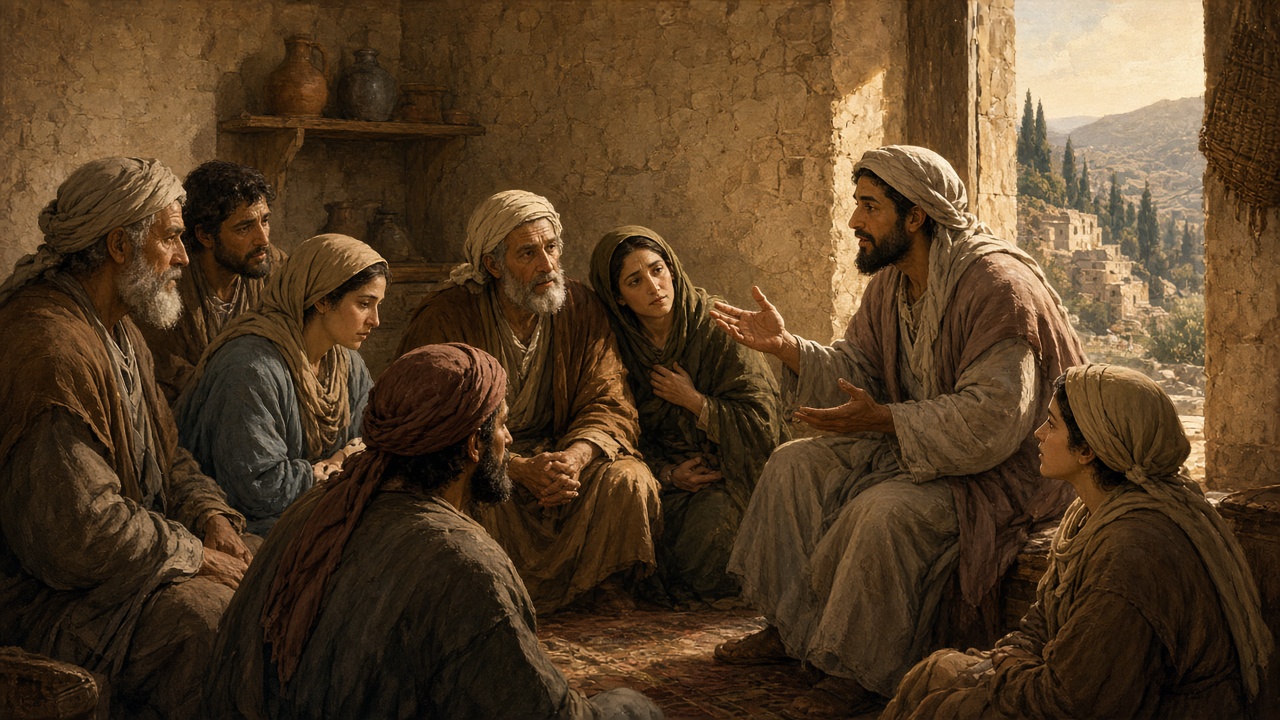
Fullness in Christ, Not Empty Teaching
- The writer says he is struggling for the readers, for those at Laodicea, and for all who have not met him face to face. Laodicea lay on the border of Phrygia and Lydia, on the banks of the Lycus, about forty miles east of Ephesus, and was one of the most important and flourishing cities of Asia Minor.Sources: the Bible text itself · Laodicea
- He warns them not to be taken captive by philosophy and empty deception based on human tradition and the spiritual forces of the world, and not to be deceived by smooth rhetoric.Sources: the Bible text itself
- The chapter also says they should not let anyone judge them by what they eat or drink, or by a feast, a New Moon, or a Sabbath—these are called a shadow of things to come—and should resist false humility, the worship of angels, and rules against handling, tasting, and touching that rest on human commands.Sources: the Bible text itself
Notes written with AI assistance from open sources (Theographic Bible Metadata, CC BY-SA 4.0; Easton’s Bible Dictionary, public domain) and reviewed before publishing.
Places in this chapter
- Laodicea · Today: Laodicea on the Lycus · 37.836, 29.108 · verse 1
Only places identified with high confidence are shown (90% or more according to the scholarly sources compiled by OpenBible). Period map: DARE (Digital Atlas of the Roman Empire), CC BY 4.0; modern map: © OpenStreetMap contributors; places: OpenBible.info (CC BY 4.0).
Credits and license for this translation
Píívyéébé ihjyu: jetsocríjyodítyú cáátúnuháámɨ
New Testament in Bora (PE:boa:Bora)
copyright © 2008 Wycliffe Bible Translators, Inc.
Language: Bora
Translation by: Wycliffe Bible Translators, Inc.
Boara [boa], Peru
Copyright Information
© 2008, Wycliffe Bible Translators, Inc. All rights reserved.
This translation text is made available to you under the
terms of the Creative Commons License: Attribution-Noncommercial-No Derivative Works.
( http://creativecommons.org/licenses/by-nc-nd/3.0/ )
In addition, you have permission to port the text to different file formats, as long as you
do not change any of the text or punctuation of the Bible.
You may share, copy, distribute, transmit, and extract portions
or quotations from this work, provided that you include the above copyright
information:
You must give Attribution to the work.
You do not sell this work for a profit.
You do not make any derivative works that change any of the actual words or punctuation of the Scriptures.
Permissions beyond the scope of this license may be
available if you contact
us with your request.
The New Testament
in Bora
© 2008, Wycliffe Bible Translators, Inc. All rights reserved.
This translation is made available to you under the terms of the
Creative Commons Attribution-Noncommercial-No Derivatives license 4.0.
You may share and redistribute this Bible translation or extracts from it in any format, provided that:
You include the above copyright and source information.
You do not sell this work for a profit.
You do not change any of the words or punctuation of the Scriptures.
Pictures included with Scriptures and other documents on this site are licensed just for use with those Scriptures and documents.
For other uses, please contact the respective copyright owners.
2014-04-22
Source: http://ebible.org/boaNT/ · eBible.org