Acts 18
Píívyéébé ihjyu: jetsocríjyodítyú cáátúnuháámɨ · Tap a verse to see its cross-references.
Páávoro Coríítori
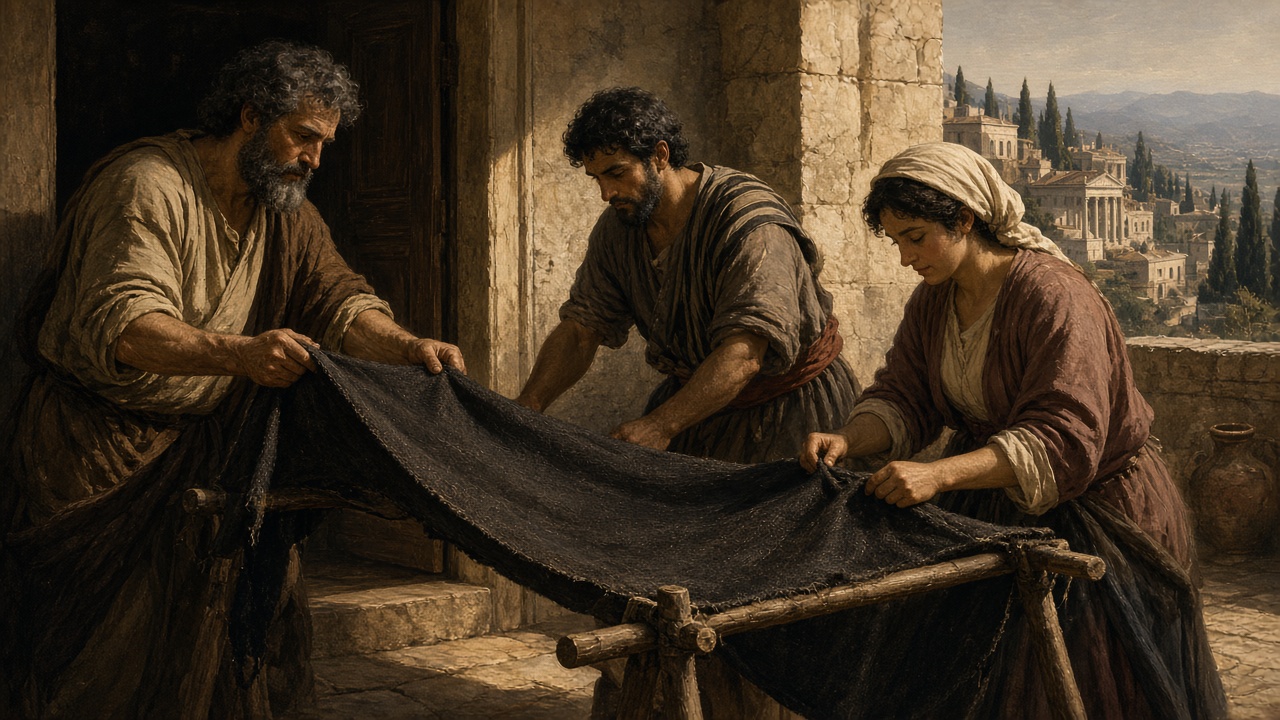
1Aanéhjáa Páávoro teene Atéénatu péébe úújeté Coríítovu. 2Átsihdyúhjáa aahɨ́vetéébé imúnáajpi Akíírake Póótó iiñújɨ múnáájpiíkye. Téijyúhjáa téhdure botsíi wajtsɨ́ɨ́bé Itááriá iiñújɨtu mewa Piritsíírama, Ávyéjuubeváa Cáráóódio pámeere Róómári íjcyáné jodíómú íjchívyeíñé néénetu tsáámutsi. 3Aanéhjáa Páávoro diityétsimáyéjuco íjcyane diityétsikye íwákimyéityu ɨpɨ́áábo téeméné wákimyéí imyéénuhíjcyánélliíhye. Aaméhjáa méénuhíjcyá cuwájaanédú nééné nujúwááne. 4Áijyúhjáa ténevá wáyeéévéjcoojɨ́vádú pehíjcyaabe imúnaa jodíómú pihcyáávejávu. Aabéhjáa úwáábohíjcyá Jetsóodítyú íjcyáné uwááboju imúnáama tsijtye imúnaa íjcyáturómeke ditye icyáhcújtsoki.
5Áánáacáhjáa tsúúca Tsíírámutsi Timotéoma wajtsɨ́ Matsedóóniá iiñújɨtu. Áijyúhjáa Páávoro tsanééríyé uwáábori íjcyaabe nehíjcyá imúnáake diibyéjuco Jetsóó dityée téhmehíjcyaabe Críjto Mépájtyetétsoobe íjcyane. 6Ehdúhjáa dibye néérónáa dííbyedítyú nehníwu ihjyúváme. Áánélliihyéhjáa ílluréjuco dibye diityédítyú ipyéé íwajyámú wátsóújcoobéré nééneé:
—Árone tsáma ámúhá hallúriyéjuco teene ámuha medsɨ́jɨ́vécooca meɨ́cúbáhrámeíiñe. Tsá táhallúrí tene íjcyatúne. Ahdícyane jodíómú íjcyátúróme éllevúréjuco o pééiñe diityékeréjuco o úwááboki.
7Ehdúhjáa iñééne ílluréjuco dibye tééjatu íjchivyéne. Átsihdyúhjáa péébe úújeté Jójto jávú teenéhjáa pihcyáávéjá úníuríyé íjcyaabe tsúúcajátújuco Píívyéébeke dúúrúvahíjcyáábe jávu. 8Áijyúhjáa teene pihcyáávéjá avyéjuube ‘Críjpoó’ némeííbyé cáhcujtsó Jetsóodítyú íjcyáné uwááboju pámeere ihyájkímuma. Aaméhjáa tsójtsótsámeíhi. Áhduréhjáa tsijtye Coríító cóómi múnáadítyú cáhcujtsómé tsójtsótsámeíhi. 9Átsihdyúhjáa Páávoródívú tsápejco Jetsóó naavédú nééné pañe ibóhówáávéne néé dííbyeke:
—Imíchi díícyáne éhnííñevu dúwááboco ɨ́ɨ́nerí íllityétuubére. 10Ijcyámé mítyame ícyoomíyí tahñéjté íjcyaímye. Áánéllii ehdu uke o nééhií. Áábeke o íjcyátúcoocájɨ́ɨ́va múha uke muhdú méénuúhi. 11Ahdújucóhjáa tsáné pijcyábáj pɨɨnévú tétsii Coríítori íjcyaabe diityéké úwáábohíjcyáné Píívyéébé ihjyu.
12Áijyúhjáa Acááyá iiñújɨ́ avyéjuube Garióó íjcyánáa tsaate imúnaa jodíómú cáhcújtsotúmé ipítyácójcatsíñe Páávoróké ékeevéhi. Áábekéhjáa tsajtyémé diibye ávyéjúúbe éllevu dibye ímítyunéhjɨ́ ímíbáchohíjcyátsihvu. 13Áánemáhjáa dííbyé hallúvú úúballémé dííbyeke. Nééméhjápeé:
—Áánu métaúhbaju nééné tsɨjɨ́jtoríyé mɨ́amúnáake úwááboobéré pehíjcyá dityévá Píívyéébeke idyúúrúvaki.
14Ehdúhjáa Páávoró hallúvú ditye úúbállénéllii dibye íhjyúváíyóné ɨhdéré diibye ávyéjuube Garióó diityéké nééhií:
—Ihdyúhde tehdújúcooíyó dííbyema o ímíbájchóiyóné dibye ímítyuné méénuca. 15Áánetu ámúhá taúhbaju nééné tsɨjɨ́jtoríyé dibye tsáápihdítyú íjcyáné uwááboju úwáábohíjcyáhajchíí wa ihdyu ámuháyé chooco méímíbáchojcátsij. Tsá o ímílletú átéréenéhjɨ́ o ímíbajchóne.
16Ehdúhjáa iñééne ílluréjuco dibye diityéké wálloone tétsihdyu. 17Árónáacáhjáa pihcyáávéjá avyéjuube Tsójtenéké tsaate gríéégomu iékéévéébeke wápáajcó diibye ávyéjúúbé úmɨwávu. Áróneríhjyáa tsá dibye ɨ́ɨ́cúvetúne.
Páávoro Ajtiokííavu ióómítsihdyu tsiiñe uwáábovu pééneé
18Aanéhjáa Coríítori tsúcájá Páávoro ícyahíjcyáhi. Aabéhjáa tétsihvu ‘Tséékeréa’ némeí mujcóvú béérómeí tsanéhjáa ɨ́mɨáánetúré imyéénuíñé iñééné uubálle. Ehdúhjáa méénúmeííbyé Tsííriá iiñújɨvu ipyéétúné ɨhde. Átsihdyúhjáa botsíi tétsíí cahcújtso múnáake ipítyájcóne peebe Akííramútsima tsahííyí teene Tsííriá iiñújɨvu. 19Aaméhjáa Éépetsóvú úújeté tétsihvu Akííramútsí mewa Piritsíírama cóéváítsihvu. Átsihvúhjáa Páávoro imúnaa jodíómú pihcyáávejávú péébe úwaabó tééjavu píhcyáávémeke. 20Áábekéhjáa neerómé dibye tsuucájááneúvú dityémá iíjcyaki. Árónáacáhjáa tsá dibye ímílletúne. 21Áánemáhjáa diityéké pítyájcoobe nééhií:
—Árónáa ó imíllé o pééne Jerotsaréevu. Aabe óvíi Píívyéébe ímílléhajchíí tsiiñe ámúhakye ó uujéváhi.
Ehdúhjáa iñééne péjúcoobe tsahííyí teene Éépetsótu. Áánetúhjáa Akííramútsí dííbyedítyú coévá tétsihvu. 22Aabéhjáa Tsetsaréavu úújetéébé tétsihdyu botsíi péé Jerotsaréeri íjcyáné cahcújtso múnáa éllevu. Átsihdyúhjáa peebe Ajtiokííavu. 23Átsihyíhjyáa tsúcájá iíjcyátsihdyu idyé tsiiñe pehíjcyaabe Garáátsiámá Pírííjiá iñújɨ́ɨ́curi íjcyáné cahcújtso múnáake tsápɨ́jtsoobéré técomívádu.
Éépetsórí Apóóró úwaabóne
24Áijyúhjáa Arejadrííá cóómi múnáajpi jodíómuube Apóóró teene Éépetsóvú wajtsɨ́hi. Aabéhjáa ɨ́mɨá uwááboobe íjcyaabe mítyane waajácú Píívyéébé ihjyu. 25Aabéhjáa úwáábohíjcyá muhdú Jetsóoke meúráávyejɨ́jtó tsaate dííbyeke úwaabóne. Úwáábohíjcyaabéhjáa apááñéré Jóáápe tsótsohíjcyánetu íjcyáné uwáábó iwáájacúné imúnáá pihcyáávéjá pañévú ɨ́ɨ́nerí núhnévétuubére. Aanéhjáa dibye nɨ́jkevádú Akííramútsí dííbyeke ihjyávú itsájtyéne botsíi ímíñeúvú úwaabó muhdúhjáa Píívyéébe Jetsóoj tééveri mééma méénune. 27Aabéhjáa imíllé Acááyá iiñújɨvu ipyééneé. Aanéhjáa cahcújtso múnaa ímí ɨɨ́jtsúcunúnéllii caatúnú waajácuháámɨ́ téhullé cahcújtso múnáa éllevu ditye tsaímíyé iwáátsúcúpéjtso dííbyeke. Aabéhjáa téhullévú úújetéébé Píívyéébere túkévéjtsóneri pɨ́áábohíjcyá mítyane cahcújtso múnáake. 28Aabéhjáa imúnaa jodíómuke nehíjcyá diibyéjuco Jetsóó Críjto Mépájtyetétsoobe íjcyane Píívyéébé waajácúháámɨtúu tene néhdújuco. Ehdúhjáa dibye néénéllii tsáhájuco ditye ɨɨná néétune.
Did you know?
Paul's Stay in Corinth
- Aquila, a native of Pontus, and his wife Priscilla had left Italy because the emperor Claudius ordered all Jews to leave Rome. Easton's Bible Dictionary (1897) dates that decree to A.D. 49 in its Claudius entry and to A.D. 50 in its Aquila entry. Paul stayed with them in Corinth and worked at the same trade, making Cilician hair-cloth for tents.Sources: Aquila · Claudius (4th Roman Emperor) · the Bible text itself
- The Corinth of this chapter was not the older Greek city, which the Romans destroyed in 146 B.C., but a city rebuilt about a century later and peopled by a colony of freedmen from Rome. It stood on the isthmus about 48 miles west of Athens and was the Roman seat of government for Achaia, southern Greece. It was noted for its wealth and for the luxurious, immoral, and vicious habits of its people.Sources: Corinth · Achaia
- Gallio, the elder brother of the philosopher Seneca, was proconsul of Achaia under Claudius when the Jews brought Paul before the judgment seat. Achaia was a senatorial province, and the governor of such a province was called a proconsul, the title used in this chapter. Gallio refused to judge a dispute about words, names, and Jewish law, and drove the accusers from the tribunal.Sources: Gallio · the Bible text itself
Notes written with AI assistance from open sources (Theographic Bible Metadata, CC BY-SA 4.0; Easton’s Bible Dictionary, public domain) and reviewed before publishing.
Places in this chapter
- Athens · 37.972, 23.727 · verse 1
- Corinth · 37.906, 22.879 · verses 1, 8, 11, 12, 18
- Italy · 41.892, 12.485 · verse 2
- Pontus · 40.680, 37.830 · verse 2
- Rome · 41.892, 12.485 · verse 2
- Macedonia · 41.600, 22.540 · verse 5
- Achaia · 38.720, 22.540 · verses 12, 27
- Cenchreae · Today: Kechries · 37.884, 22.997 · verse 18
- Syria · Today: Syria 2 · 33.511, 36.306 · verse 18
- Ephesus · 37.939, 27.341 · verses 19, 21, 24, 27
- Jerusalem · 31.777, 35.234 · verses 21, 22
- Antioch · Today: Antioch on the Orontes · 36.227, 36.172 · verses 22, 23
- Caesarea · Today: Caesarea Maritima · 32.500, 34.892 · verse 22
- Galatia · 39.267, 32.983 · verse 23
- Phrygia · 39.000, 31.000 · verse 23
- Alexandria · 31.183, 29.896 · verse 24
- Egypt · 30.129, 31.308 · verse 24
Only places identified with high confidence are shown (90% or more according to the scholarly sources compiled by OpenBible). Period map: DARE (Digital Atlas of the Roman Empire), CC BY 4.0; modern map: © OpenStreetMap contributors; places: OpenBible.info (CC BY 4.0).
Credits and license for this translation
Píívyéébé ihjyu: jetsocríjyodítyú cáátúnuháámɨ
New Testament in Bora (PE:boa:Bora)
copyright © 2008 Wycliffe Bible Translators, Inc.
Language: Bora
Translation by: Wycliffe Bible Translators, Inc.
Boara [boa], Peru
Copyright Information
© 2008, Wycliffe Bible Translators, Inc. All rights reserved.
This translation text is made available to you under the
terms of the Creative Commons License: Attribution-Noncommercial-No Derivative Works.
( http://creativecommons.org/licenses/by-nc-nd/3.0/ )
In addition, you have permission to port the text to different file formats, as long as you
do not change any of the text or punctuation of the Bible.
You may share, copy, distribute, transmit, and extract portions
or quotations from this work, provided that you include the above copyright
information:
You must give Attribution to the work.
You do not sell this work for a profit.
You do not make any derivative works that change any of the actual words or punctuation of the Scriptures.
Permissions beyond the scope of this license may be
available if you contact
us with your request.
The New Testament
in Bora
© 2008, Wycliffe Bible Translators, Inc. All rights reserved.
This translation is made available to you under the terms of the
Creative Commons Attribution-Noncommercial-No Derivatives license 4.0.
You may share and redistribute this Bible translation or extracts from it in any format, provided that:
You include the above copyright and source information.
You do not sell this work for a profit.
You do not change any of the words or punctuation of the Scriptures.
Pictures included with Scriptures and other documents on this site are licensed just for use with those Scriptures and documents.
For other uses, please contact the respective copyright owners.
2014-04-22
Source: http://ebible.org/boaNT/ · eBible.org