Acts 16
Píívyéébé ihjyu: jetsocríjyodítyú cáátúnuháámɨ · Tap a verse to see its cross-references.
Páávorómútsikye Tsííráma Timotéó náhbenúne
1Aamútsíhjyáa Páávorómútsí Tsííráma úújeté Déébeé, Ríítaraa, íjcyácoomícyuvu. Átsiíhjyáa ájtyúmɨmútsí tsaapi cahcújtso múnáajpi Timotéoke. Dííbyéj tsɨɨjúhjáa jodíómulle íjcyalle idyé cahcújtso múnáalle. Áánetúhjáa cááni gríéégómuúbe. 2Áábedítyúhjáa Timotéodítyú tétsíí cahcújtso múnaa nehíjcyá ɨ́mɨáábé dibye íjcyane. 3Áábekéhjáa Páávoro imíllé itsájtyene dibye iñáhbénu dííbyeke. Árónáacáhjáa pámeere waajácú cááni gríéégómuube íjcyánéllii dibye kíhdyahɨ́rótsámeítyúne. Áánélliihyéhjáa tujkénúi dííbyedívú kíhdyahɨ́rótsoobe imúnaa jodíómú méénuhíjcyádú tééné hallútú diityémá ímityúné iíjcyátuki. 4Aaméhjáa ipyéhíjcyátsɨ́hjɨ múnáake úúbállehíjcyá muhdú Jerotsaréeri íjcyáné uwáábojte túkevéjtsojtémá diityéké úwáábohíjcyáné muhdú cahcújtso múnaa íjcyáiyóne. 5Aanéhjáa illéébóne Píívyéébeke cáhcujtsómé llíyaaté éhnííñevu mítyaméjuco.
Naavédú nééné pañe Matsedóónía múnáajpi Páávoródívú bóhówaavéne
6Aaméhjáa Píívyéébé ihjyu Áátsiá iiñújɨ́ úwáábóíyónáa dííbyé Apííchóré diityéké túkévéjtsónej péévé tsá ditye úwáábotú tééné iiñújɨ múnáake. Áánélliihyéhjáa Pírííjiámá Garáátsiá iñújɨ́ɨ́cutúré pajtyéme. 7Aaméhjáa Míítsiá iiñújɨ́ watsíívyevu úújetémé imíllerá ipyééne Bitííniá iiñújɨvu. Arónáacáhjáa téénere Píívyéébé Apííchó Jetsóópe diityéké ájcune túkévéjtsónej péévé idyé tsá ditye téhullévú péétune. 8Áánélliihyéhjáa tsapéhdú Míítsiá iiñújɨtu pájtyeme úújeté ‘Tóróóaá’ némeí mujcóvújuco. 9Átsihvúhjáa Páávoródívú pejco naavédú nééne bóhówáávéné pañe Matsedóóniá iiñújɨ múnáajpi dííbyeke nééhií: “Muúbej, Matsedóóniá iiñújɨvu metsááne múúhakyéréjuco méuwáábo.” 10Ehdúu nééne dííbyedívú bóhówáávéné boonétú muha mepéé téhullévú Píívyéébere múúhakye wállóhullévú muha meúwááboki.
Páávorómú Pirípori
11Aamée Tóróóatu muha tsahííyí mepéé tsapéhdú Tsamotáráátsiá caapáhovújuco. Ááné tsiíjyúu muha méúújeté Néááporívu. 12Átsihdyúu muha mecóhbaavémé méúújeté romáánómúhjáa Matsedóóniá iiñújɨ́ pañévú íhcyóómi ípívyéjtsocóómí Pirípovu tééné iiñújɨ́ avyéjú coomívu. Ácoomíyíikyée tsúcájá muha méícyahíjcyáhi. 13Aamée muha wáyeéévejcóójɨ́ mepéé Píívyéébema ditye íhjyúvahíjcyátsihvu téhí úniúvu. Átsihvúu muha méúwaabó walléémuke múúhadívú píhcyáávémeke. 14Áámé pañée íjcyalle Tiatíírá cóómi múnáalle Ríídia ɨ́mɨá wajyámúúné duujɨ́nuúdú néjáhjɨ́ nahjɨ́he múnáalle. Aalléhjáa ihdyu tsúúcajátújuco Píívyéébeke úráávyehíjcyárolle botsíi dííbyere pɨ́áábóneri cáhcujtsó Jetsóodítyú íjcyáné uwááboju Páávoro úwaabóne. 15Aallée ílluréjuco tsójtsótsámeíñé pámeemáyé ihyájkímuma. Ááné boonétúu múúhakye neélle:
—Áyu cána tahjyávú mepe ɨ́mɨááné Píívyéébeke o cáhcujtsóné ámuha menéhajchííjyu. Ehdúu múúhakye iñééne ihjyávú itsájtyémeke tétsihvúréi coévátsolle.
16Áhdurée tsáijyu Píívyéébema ditye íhjyúvahíjcyáhullévú muha mepééme méúújeté bádsɨ́jcájadívú naavénéhjáa ípañe íjcyáábej tééveríyé ɨɨná pájtyeíñé wáájácuhíjcyálledívu. Aalléhjáa tsaaté hójtsɨ́ pañe íjcyalle mítyane dsɨ́ɨ́sɨke úcuhíjcyá diityémá tééné hallúvu. 17Aallée múúha déjutu tsáálle nehíjcyáhi:
—Íjtye muurá ɨ́htsútuube Píívyéébé wákimyéi múnaa ámúhakye pajtyéteju úwáábohíjcyáhi.
18Ehdúu múúhakye nehíjcyalle píváijyúvájuco. Áánéj taíchoríi Páávoro ílluréjuco úhbane dííllé pañe íjcyaabe naavéneke. Íllúu neébe:
—Uke o néé Jetsocríjto mémeri áállé pañétú u íjchívyeki.
Ahdújucóo dibye íjchivyéné teenémáyé díílledítyu.
19Áánélliihyée íavyéjujte ɨ́ɨ́né hallúvucó ɨdsɨ́ɨ́dsɨvájúcóóítyúné maatyóbá diityétsí Páávorómútsikye iékéévéne tsajtyé técoomí avyéjujté éllevu. 20Áámútsikyée diityédívú iúújetétsóne néémeé:
Íjtyetsi jodíomútsí ¿ɨ́veekí méhcóómí pañe páhduváré nénehjɨ úwáábohíjcyá tehdu mee romáánómú teene mecáhcújtsóíyónejɨ́ɨ́vari?
22Ááneréjucóo pámeere nééne ɨ́mɨááné tehdu dityétsí méénuhíjcyáne. Áánélliihyée awáá ávyéjute diityéké táuhbá ditye íwajyámúúné ityácórɨ́jcómútsikye iwápáájcoki. 23Ahdújucóo ditye diityétsikye imyéénúne icyúvéhoojánúmútsidívú téhmetsóné tééjá tehméébeke. 24Áánélliihyéhjáa tsíhyooja pañe íjcyáhóójá pañévú iúácómútsikye úméhewávú ɨ́hdótsoobe ítyújkejɨ́ɨ́netu.
25Aamútsíhjyáa téhoojá pañe íjcyamútsí Píívyéébema ihjyúvahíjcyá pécójpɨɨnéjuco meíjcyárónáaáca. Téhduréhjáa dííbyeke idyúúruváné dityétsí májtsiváné tsijtye teene cúvéhóójari íjcyame lleebúcunúhijcyáhi. 26Árónáacáhjáa peecútéré tétsii úúvécunúneri lléhowááné páhyúbáné tujkéveri pámeere tééjari íjcyámedítyú úwáñehííñé cóhrɨbáhi. 27Áánáacáhjáa tééjá tehméébé icyúwátsihdyu ájkyeebe ɨɨtécunú páneere lléhowááné páyújcatyéne. Aanéhjáa ɨjtsúcunúúbé tsúúca ditye úmɨváne. Áánélliihyéhjáa ícyávaájcó újcuube illííhyánúmeíki. 28Árónáacáhjáa Páávoro nééhií:
—Ehdu bo méénúmeídíñej, íjtyérero muúha.
29Áánélliihyéhjáa peete ɨpɨ́úváne ɨ́ɨ́cúi diityétsi éllevu peebe íllityécunúúbére. Áánemáhjáa mɨ́móúúvetéébé diityétsí lliiñévu. 30Áánemáhjáa ílluréjuco dibye iíjchívyétsómútsikye nééneé:
—¿Aca muhdú ó pájtyetéiyáhi?
31Áánélliihyéhjáa dííbyeke neemútsi:
—Ávyéjuube Jetsocríjtoke pámeere dihyájkímuma mécahcújtsó ámuha mépájtyetéki.
32Ehdúhjáa dííbyeke iñétsihdyu úwáábomútsí dííbyeke pámeere ihyájkímumájuco. 33Aabéhjáa tépejco nijtyú diityétsikye ditye túúvátsonéhjɨ. Áánemáhjáa ílluréjuco dibye diityétsidívú tsójtsótsámeíñé diitye ihyájkímumájuco. 34Átsihdyúhjáa diityétsikye ihjyávú itsájtyémútsikye májchotsóme. Aaméhjáa mítyane ímíjyuuvé Píívyéébeke tsúúca icyáhcújtsóneri.
35Ááné tsɨtsɨ́ɨ́vevúhjáa técoomí avyéjujte wallóó tehmé múnáake ditye iñééte diibye cúúvéjá tehméébeke ílluréjuco dibye iíjchívyétso diityétsikye. 36Ahdújucóhjáa ditye dííbyeke nééténéllii neebe Páávoróke:
—Ávyéjujtévá néé ámúhtsikye o íjchívyétsoki. Ahdícyane wa ílluréjuco mepej.
37Árónáacáhjáa Páávoro néé diityéke:
—Muurá íñe múhtsikye ɨɨná néétuméré mɨ́amúnááj pɨɨnévú iwápáájcómútsikye cuvéjaanú romáánómúejtétsí téhdure muhtsi meíjcyáné waajácúháámɨma meíjcyámútsikye. Aame ¿ɨ́veekí imíllé múhtsikye iíjchívyetsóné teevétaríye? Aane tsá muhtsi áyánéwu meímílletúne. Óvíi ihdyu iiye itsááne múhtsikye ijchívyetsóváme.
38Ehdúhjáa dityétsí nééne úúbálletémé ávyéjujtéke. Ááneríhjyáa mítyane íllityémé romáánómúejtétsí iíjcyáné waajácúháámɨma dityétsí íjcyáneri. 39Áánélliihyéhjáa diityétsi éllevu ipyééne ɨ́dátsójkímyeímyé diityétsidívu. Áánemáhjáa choocóréjuco ditye wálloone técoomítyu. 40Aamútsíhjyáa teene cúúvéjatu íjchívyemútsí Ríídiá javu úújetémútsí cahcújtso múnáake itsápɨ́tsohíjcyátsihdyu ílluréjuco pééneé.
Did you know?
From Lystra to Philippi
- At Lystra, Paul met Timothy, a disciple of whom the brothers in Lystra and Iconium spoke well, the son of a believing Jewish woman and a Greek father. Wanting him as a companion, Paul had him circumcised on account of the Jews there, who knew that his father was Greek. Easton's Bible Dictionary (1897) says Timothy probably lived in Lystra and seems to have been converted during Paul's earlier visit.Sources: the Bible text itself · Timotheus
- After being kept from speaking in the province of Asia, Paul and his companions traveled through Phrygia and Galatia. At the border of Mysia they were not permitted to enter Bithynia, so they went down to Troas, Mysia's chief port on the northwest coast of Asia Minor, a city named for ancient Troy about four miles to the north. There a night vision of a man of Macedonia pleading for help led them to sail to that Roman province north of Greece.Sources: the Bible text itself · Mysia · Troas · Macedonia
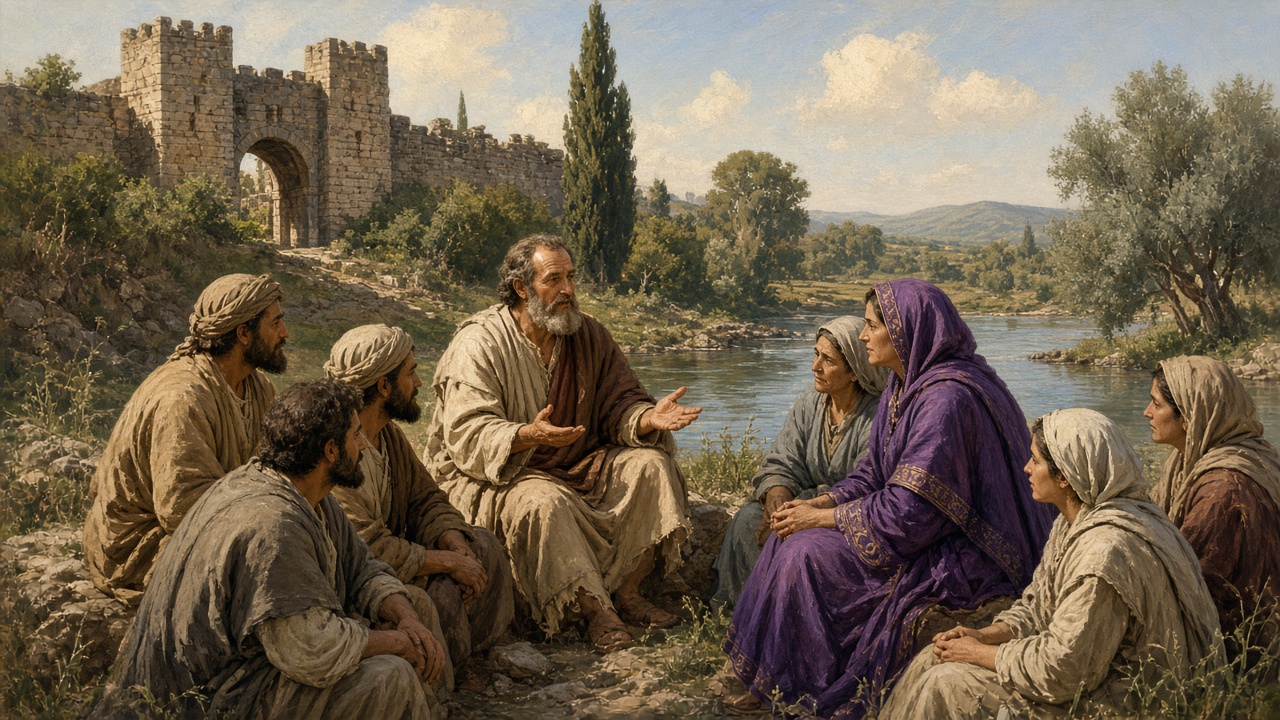
- In the Roman colony of Philippi, Paul and his companions found a customary place of prayer by the river outside the city gate, where women had gathered. Among them was Lydia, a dealer in purple cloth from Thyatira and a worshiper of God; after she and her household were baptized, she persuaded the travelers to stay at her house. Easton's Bible Dictionary (1897) describes her as a proselyte of considerable wealth and as the first person in Europe to embrace Christianity.Sources: the Bible text itself · Lydia
Notes written with AI assistance from open sources (Theographic Bible Metadata, CC BY-SA 4.0; Easton’s Bible Dictionary, public domain) and reviewed before publishing.
Places in this chapter
- Lystra · Today: Tel Lystra · 37.602, 32.338 · verses 1, 2
- Iconium · Today: Konya · 37.872, 32.492 · verse 2
- Jerusalem · 31.777, 35.234 · verse 4
- Asia · 38.400, 28.300 · verse 6
- Galatia · 39.267, 32.983 · verse 6
- Phrygia · 39.000, 31.000 · verse 6
- Bithynia · 40.500, 31.000 · verse 7
- Mysia · 40.000, 28.500 · verses 7, 8
- Troas · Today: Alexandria Troas · 39.752, 26.159 · verses 8, 11
- Greece · 37.972, 23.727 · verse 9
- Macedonia · 41.600, 22.540 · verses 9, 10, 12
- Neapolis · Today: Kavala · 40.935, 24.415 · verse 11
- Samothrace · Today: Samothraki · 40.450, 25.583 · verse 11
- Philippi · 41.012, 24.285 · verse 12
- Thyatira · Today: Akhisar · 38.920, 27.837 · verse 14
Only places identified with high confidence are shown (90% or more according to the scholarly sources compiled by OpenBible). Period map: DARE (Digital Atlas of the Roman Empire), CC BY 4.0; modern map: © OpenStreetMap contributors; places: OpenBible.info (CC BY 4.0).
Credits and license for this translation
Píívyéébé ihjyu: jetsocríjyodítyú cáátúnuháámɨ
New Testament in Bora (PE:boa:Bora)
copyright © 2008 Wycliffe Bible Translators, Inc.
Language: Bora
Translation by: Wycliffe Bible Translators, Inc.
Boara [boa], Peru
Copyright Information
© 2008, Wycliffe Bible Translators, Inc. All rights reserved.
This translation text is made available to you under the
terms of the Creative Commons License: Attribution-Noncommercial-No Derivative Works.
( http://creativecommons.org/licenses/by-nc-nd/3.0/ )
In addition, you have permission to port the text to different file formats, as long as you
do not change any of the text or punctuation of the Bible.
You may share, copy, distribute, transmit, and extract portions
or quotations from this work, provided that you include the above copyright
information:
You must give Attribution to the work.
You do not sell this work for a profit.
You do not make any derivative works that change any of the actual words or punctuation of the Scriptures.
Permissions beyond the scope of this license may be
available if you contact
us with your request.
The New Testament
in Bora
© 2008, Wycliffe Bible Translators, Inc. All rights reserved.
This translation is made available to you under the terms of the
Creative Commons Attribution-Noncommercial-No Derivatives license 4.0.
You may share and redistribute this Bible translation or extracts from it in any format, provided that:
You include the above copyright and source information.
You do not sell this work for a profit.
You do not change any of the words or punctuation of the Scriptures.
Pictures included with Scriptures and other documents on this site are licensed just for use with those Scriptures and documents.
For other uses, please contact the respective copyright owners.
2014-04-22
Source: http://ebible.org/boaNT/ · eBible.org