Acts 15
Píívyéébé ihjyu: jetsocríjyodítyú cáátúnuháámɨ · Tap a verse to see its cross-references.
Jerotsaréevu ditye dóbeevéne
1Áijyúhjáa tsaate Jodéá iiñújɨtu teene Ajtiokííavu pééme tétsíí cahcújtso múnáake úwáábohíjcyá Moitséeúvú uwááboju néhdu kíhdyahɨ́rótsámeítyúmé pájtyetéityúne. 2Ááneríhjyáa diityémá Páávorómútsí táhjájcatsíhi. Ááné boonétúhjáa tsamééréjuco cahcújtso múnaa íhjyúvájcatsíñé dityétsí Jerotsaréevu tsaatémá ipyééne idyé iíhjyúva tééneri técoomí cahcújtso múnáá túkevéjtsojtémá uwáábojte íjcyámema.
3Aaméhjáa pééme pajtyé Peníítsiámá Tsamááriá iñújɨ́ɨ́cutu. Aaméhjáa úúballé imúnáake jodíómú íjcyatúmé Píívyéébeke cáhcujtsóné muhdú iícyahíjcyanéhjɨ́ ɨɨ́hvéjtsónema. Ááneríhjyáa tétsíí cahcújtso múnaa mítyane ímíjyuuvéhi.
4Aaméhjáa Jerotsaréevu úújetémeke tétsíí cahcújtso múnaa tsaímíyé waatsúcúpejtsóhi. Áámekéhjáa úúballémé páneere muhdú Píívyéébe diityéké pɨ́áábohíjcyáné panévatúre. 5Áijyúhjáa tsaate paritséómudítyú tsúúca Críjtoke cáhcújtsorómé nééhií:
—Múu eene jodíómú íjcyatúmé cáhcújtsómedívú ikíhdyahɨ́rótsóne táuhbá ditye Moitséeúvú uwááboju iúráávyeki.
6Áánélliihyéhjáa pámeere uwáábojtémá túkevéjtsojte dóbeevé tééneri iíhjyúvaki. 7Aaméhjáa mítyane tééneri táhjájcatsíñé nɨ́jcáutu Péédoro iíjyócúúvéne nééhií:
—Ámuúha táñahbémuj, muurá ámuha méwaajácú tsúúcajátújucóhjáa oke Píívyéébe ámúhadítyú imyéménúúbeke pícyoone o úúbállehíjcya ɨ́mɨáájú pajtyéteju jodíómú íjcyátúrómeke ditye téhdure icyáhcújtsoki. 8Aabée muurá Píívyéébe ɨɨná túhúúllétuube téhdure diityé pañévú picyóó Íapííchó mépañévúu ipícyohdu. Ááneríi úújétsoobe téhdure diityéké iwájyune. 9Áámekée ímíbájchoobe Críjtoke ditye cáhcújtsónéllii muhdúhjáa meke iímíbajchódu. 10Ehdúu Píívyéébe diityéké ímíbajchó Críjtoke ditye cáhcújtsónélliíhye. Áámeke ¿ɨ́veekí ámuha méimíllé íllure metúhujtsóné méɨhdé múnáaúvúu íjcyarómé ímí úráávyehíjcyánejɨ́ɨ́va ditye iúráávye Moitséeúvú uwááboju, pane meíjcyarómé tene néhdu meíjcyáíyónejɨ́ɨ́vari? 11Aame muurá tsaméhjɨ́ diityémá tsúúca mépájtyetéjucóó apááñéré Críjtóo méhdi ɨɨ́dáátsóvéne mééma méénune mecáhcújtsónélliíhye. Tsá ɨ́nehjɨ́ meméénúneri mepájtyetétúne.
12Ehdúhjáa Péédoro néénéllii cúúvéhulléréjuco ditye lléébúcunúné Páávorómútsí úúballéné muhdúhjáa Píívyéébe méénúráítyúronéhjɨ́ diityétsij tééveri méénuhíjcyáné jodíómú íjcyátúrómé pañe. 13Aamútsíhjyáa ɨ́hveténé boone Jacóóboréjuco nééneé:
—Ámuúha táñahbémuj, cáhawáá idyé táicyánéjcutu ámúhakye o néé peíyené Tsimóo Péédoro meke úúballéjucóóné muhdúhjáa Píívyéébe téhdure jodíómú íjcyátúrómedívú íuwááboju úújetétsóné múhdumé teene cáhcujtsómé dííbyeéjté iíjcyaki. 15Muuráhjáa dííbyé ihjyú uubálle múnaa cáátunúné íllu nééhií:
16Bóónétu tsiiñe ó tsaá Dabíiúvú avyéjúu tútávaavéné dííbyéj tsɨɨménémúháábemáyéjuco o ímíbájcho téénetu pámeere mɨ́amúnaa iwáájácúne Píívyéébé icyánejcúvuréjuco ɨɨ́búwááve múhdumé dííbyé wáábyutájté íjcyame. 18Ehdu neebe Píívyéébe tsúúcajátújucóo ɨɨ́jtsámeíñe.
Ehdúhjáa Píívyéébé ihjyú uubálle múnaa caatúnúhi.
19Áánéllii ámúhakye o néé tsáháubá menééítyuró jodíómú íjcyáturómé Píívyéébeke úráávyémeke ditye Moitséeúvú uwááboju iúráávye diityéké tééneri metúhújtsótuki. 20Árónáa ihdyu íllure mécaatúnuú diityémá ditye ílluune imyéénújúcóótuki: Tsá ditye dóóityú níjcyotájteke ɨ́ɨ́cúvémeíñé iyámeke; tsá ditye tsíjtyéhjɨma dómácójcatsíityúne; tsá ditye dóóityú dótsohcáorii, majcánurii, dsɨ́jɨ́véné iyámeke; tsá ditye dóóityú tújpacyo. 21Muuráhjáa tsúúcajátújuco pacóómiváríyé tsaate úwáábohíjcyáné téénetu Moitséeúvú uwááboju néhdújuco. Aanéjuco muurá ténevá wáyeéévéjcoojɨ́vádú éévémeíhijcyáné pihcyáávejááné pañévu.
22Ehdúhjáa Jacóóbó néénéllii pámeere tétsíí cahcújtso múnaa, uwáábojtee, túkevéjtsojtee, íjcyame néé tsaatéké íhdityu iwállooíñé Ajtiokííavu Páávorómútsima. Áánemáhjáa meménúmé Tsíírámútsikye Jóódáma dííbyere ‘Batsabáa’ némeííbyema ityújkevééllémútsikye. 23Áámútsimáhjáa waajácuháámɨ́ iwállóháámɨ́ pañe néémeé:
“Muha íílle pámeere cahcújtso múnaa meíjcyame ámúha éllevu íhjyu méwallóó jodíómú ámuha meíjcyatúmé Tsííriá iiñújɨri íjcyacóómí Ajtiokííari ámuha meíjcyáme éllevu, áhdure hállúcu múnáa éllevu. Áhdure idyé Tsiríítsiá iiñújɨ múnáá wáábyuta téhaámɨ. 24Aame muha méwaajácújucóó muha mewállootúméré ámúha éllevu ipyééne íllure ámúhakye máváríchohíjcyáne. Ámúhakyévá muurá nehíjcyámé Moitséeúvú uwááboju néhdu ámuha mekíhdyahɨ́rótsámeíki. 25Áánéllii muha ímíñeúvú meɨ́jtsámeíñe múúhadítyú meméménúmútsikye méwallóó ámúha éllevu muha maávyejúúllehíjcyamútsí Páávorómútsima. 26Diityétsíi muurá Páávorómútsí ápíchó néérónehjɨ́vú pájámeíhijcyá Máavyéjuube Jetsocríjtoke iwájyúnélliíhye. 27Áámútsima muha méwallóó ámúha éllevu Tsíírámútsikye Jóódámaá. Aamútsí ihdyu óvíi ímíñeúvú ámúhakye néé muhdú téhaamɨ́ pañe íjcyáné túkevéjtsoju nééneé. 28Aane mítyane ámúhakye muha metúhújtsótu apáhdyúré Píívyéébé Apííchó múúhakye túkévéjtsóneri ámúhakye muha menééhií: 29Tsá múu dóótu níjcyotájteke ɨ́ɨ́cúvémeíñé iyámeke. Áhdure tsá múu dóótu dótsohcáorii, majcánurii, dsɨ́jɨ́véné iyámeke. Tsá múu tsíjtyéhjɨma dómácójcatsítyúne. Áhdure tsá múu tújpacyo dóótune. Aane tehdu ámuha meíjcyáhajchíí ímí tehdújuco ámuha meíjcyaíñe. Áyu wáí meíjcyaj.” Ehdúhjáa iñéhaamɨ wallóómé Ajtiokííari íjcyáné cahcújtso múnáa éllevu.
30Aanéhjáa tsúúca técoomívú iúújeténe ipíhjyúcúmeke ájcumútsí téhaamɨ́vu. 31Áhaamɨ́hjáa iéévéne mítyane ímíjyuuvéme. 32Ááné boonétúhjáa diityéké úwáábomútsí Píívyéébé ihjyu diityéké tééneri éhnííñevu itsápɨ́jtsoki. Piivyétemútsíhjyáa iúwaabóne. 33Aamútsíhjyáa tsúcájáhréjuco diityémá iíjcyátsihdyu úúballé diityéké ílluréjuco ióómiíñe. Áánélliihyéhjáa pítyajcómé dityétsí tsaímíyé ióómiki. 34Árónáacáhjáa Tsííra tétsihvúré cóévánáa Jóóda iiyéjuco óómiñe. 35Áhduréhjáa Páávorómútsí coévá tétsihvúré Ajtiokííavu. Aamútsíhjyáa tétsíi múnáama úwáábohíjcyá Píívyéébé uwááboju.
Páávoro tsiiñe uwáábovu pééneé
36Átsihdyúhjáa pívájcoojɨ́vájuco pájtyénetu Páávoro Benabéeke nééhií:
—Cána majo ááhɨ́vemútsíyé mepéé éhnée Jetsóodítyú íjcyáné uwááboju úwáábomútsíyé mepéhíjcyá coomíjɨri íjcyáné cahcújtso múnáake mewáájácu muhdújuco ditye úraavyéne.
37Áijyúhjáa Benabéé imíllerá tsiiñe Jóáa pééne diityétsima dííbyere ‘Máácoó’ némeííbye. 38Árónáacáhjáa Páávoro tsá ímílletú dibye pééne diityétsima dibyéhjáa Pajpííriá coomívú diityétsidítyú cóévánélliíhye. 39Ááné hallútúhjáa ɨtsɨ́pájújcatsíñe ílluréjuco dityétsí dówaavéne. Ááné boonéhjáa Benabéé diibye Máácóke iújcúúbema péé tsahííyí Chííperévu. 40Áánetúhjáa Páávoro Tsíírákeréjuco újcune dííbyema ipyéékií. Áámútsí hallúvúhjáa tétsíí cahcújtso múnaa Píívyéébeke pɨáábó táúmeí ímí dityétsí ipyéékií. 41Aamútsíhjyáa pehíjcyá Tsííriámá Tsiríítsiá iñújɨ́ɨ́curi íjcyáné cahcújtso múnáake tsápɨ́jtsomútsíye.
Did you know?
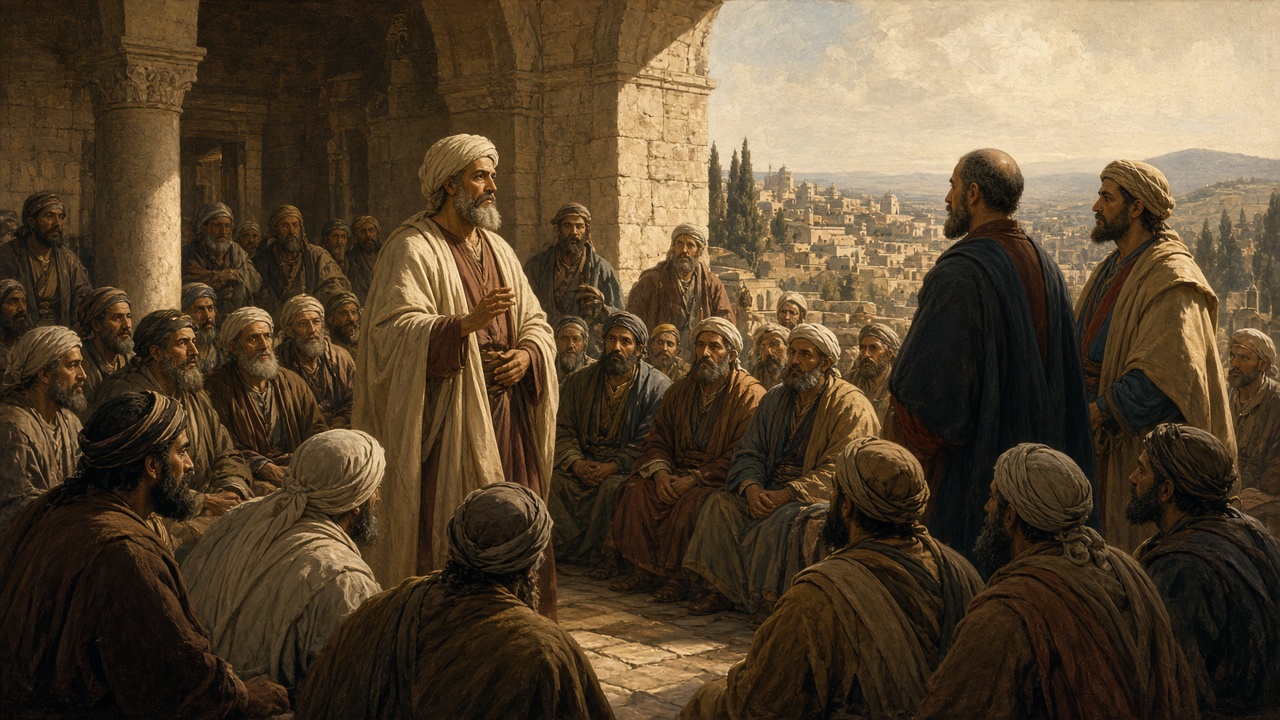
The Council on Gentile Believers
- The dispute began in Antioch, on the Orontes about three hundred miles north of Jerusalem, then ranked third among the cities of the Roman empire, after Rome and Alexandria. On the way to the council, Paul and Barnabas passed through Phoenicia, a coastal strip about one hundred twenty miles long, and through Samaria. A chronological note dates the Jerusalem Council to AD 46.Sources: Antioch (Syria) · Phenicia · the Bible text itself · Jerusalem Council
- Easton's Bible Dictionary (1897) says that James, whom it calls the brother or near kinsman of Jesus, headed the church in Jerusalem and presided at the council on the Gentiles. The letter that followed was addressed to Gentile believers in Antioch, Syria, and Cilicia. Cilicia, Paul's home province and a maritime Roman province in the southeast of Asia Minor since 67 BC, included his native city of Tarsus.Sources: James (Brother of Jesus) · the Bible text itself · Cilicia · Paul
- Judas, called Barsabbas, and Silas, also known as Silvanus, were prophets and leading men of the Jerusalem church, sent to confirm the council's decision in person. A later sharp disagreement over John Mark, cousin of Barnabas, separated the two missionaries: Barnabas took Mark and sailed for Cyprus, while Paul chose Silas. A chronological note dates that parting to AD 47.Sources: the Bible text itself · Silas · John Mark · Paul and Barnabas part ways
Notes written with AI assistance from open sources (Theographic Bible Metadata, CC BY-SA 4.0; Easton’s Bible Dictionary, public domain) and reviewed before publishing.
Places in this chapter
- Antioch · Today: Antioch on the Orontes · 36.227, 36.172 · verses 1, 22, 23, 30, 35
- Judea · Today: Judea 1 · 31.777, 35.234 · verse 1
- Jerusalem · 31.777, 35.234 · verses 2, 3, 4, 22, 23, 33
- Phoenicia · 33.271, 35.196 · verse 3
- Samaria · Today: Samaria 2 · 32.276, 35.195 · verse 3
- Cilicia · 36.913, 34.892 · verses 23, 41
- Syria · Today: Syria 2 · 33.511, 36.306 · verses 23, 41
- Pamphylia · 37.000, 31.000 · verse 38
- Cyprus · 35.000, 33.000 · verse 39
Only places identified with high confidence are shown (90% or more according to the scholarly sources compiled by OpenBible). Period map: DARE (Digital Atlas of the Roman Empire), CC BY 4.0; modern map: © OpenStreetMap contributors; places: OpenBible.info (CC BY 4.0).
Credits and license for this translation
Píívyéébé ihjyu: jetsocríjyodítyú cáátúnuháámɨ
New Testament in Bora (PE:boa:Bora)
copyright © 2008 Wycliffe Bible Translators, Inc.
Language: Bora
Translation by: Wycliffe Bible Translators, Inc.
Boara [boa], Peru
Copyright Information
© 2008, Wycliffe Bible Translators, Inc. All rights reserved.
This translation text is made available to you under the
terms of the Creative Commons License: Attribution-Noncommercial-No Derivative Works.
( http://creativecommons.org/licenses/by-nc-nd/3.0/ )
In addition, you have permission to port the text to different file formats, as long as you
do not change any of the text or punctuation of the Bible.
You may share, copy, distribute, transmit, and extract portions
or quotations from this work, provided that you include the above copyright
information:
You must give Attribution to the work.
You do not sell this work for a profit.
You do not make any derivative works that change any of the actual words or punctuation of the Scriptures.
Permissions beyond the scope of this license may be
available if you contact
us with your request.
The New Testament
in Bora
© 2008, Wycliffe Bible Translators, Inc. All rights reserved.
This translation is made available to you under the terms of the
Creative Commons Attribution-Noncommercial-No Derivatives license 4.0.
You may share and redistribute this Bible translation or extracts from it in any format, provided that:
You include the above copyright and source information.
You do not sell this work for a profit.
You do not change any of the words or punctuation of the Scriptures.
Pictures included with Scriptures and other documents on this site are licensed just for use with those Scriptures and documents.
For other uses, please contact the respective copyright owners.
2014-04-22
Source: http://ebible.org/boaNT/ · eBible.org